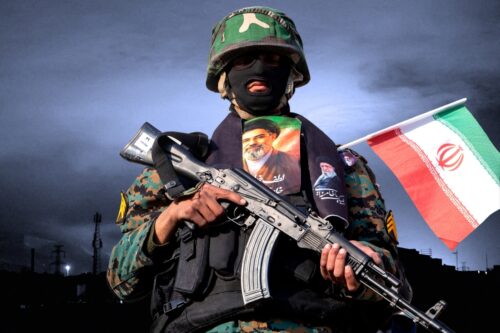
Former CIA operative: regime change in Iran is much harder than the US thinks
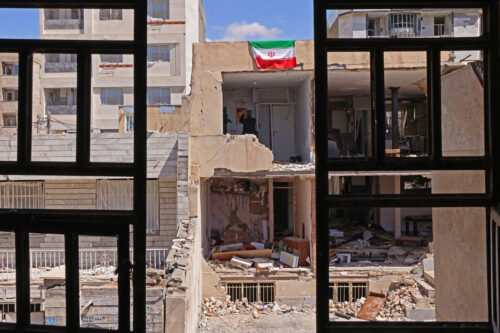
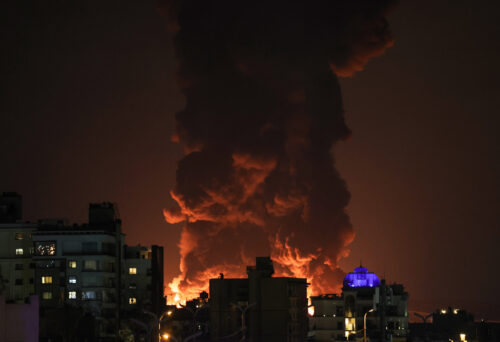
The United States and Israel have done significant damage to Iran’s military and security apparatus. Senior commanders have been killed at a pace rarely seen in modern warfare.
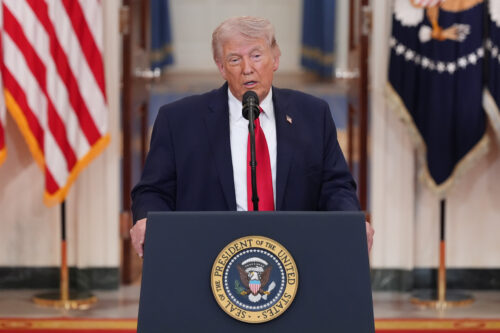
Iran’s leadership did not take long to respond to President Donald Trump’s latest address on the war. Regime-linked media dismissed the April 1 White House speech as a repetition of earlier claims, while officials and commentators close to the Iranian government framed it as further evidence that Washington remains uncertain about its own course. In the battle over messaging, Trump’s ambiguity is giving Iran’s narrative the edge.
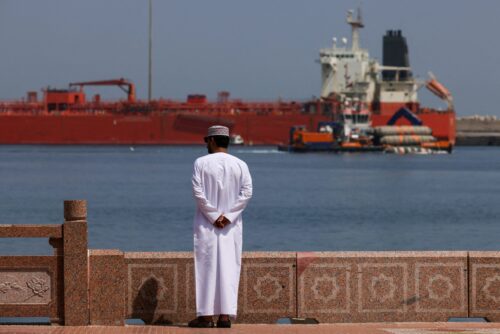
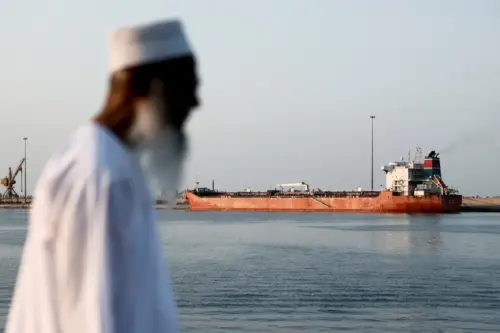
This special episode of Middle East Focus features a conversation from MEI’s Virtual Briefing Series. Host Alistair Taylor is joined by former National Security Council Senior Director Stephen Flanagan and MEI Senior Fellow Iulia-Sabina Joja to discuss the impacts of the Iran war on US-European relations. The conflict has hit Europe’s economy hard and created deep divisions across the continent, even as some European countries play a quiet supporting role to the US. President Donald Trump has called for NATO member states to help secure shipping through the Iranian-blocked Strait of Hormuz, a critical chokepoint for international maritime trade. Flanagan and Joja explore the prospects for stepped-up European military involvement, the knock-on effects on the war in Ukraine, and the potential longer-term impact on the future of the US-European alliance.
Suspended Between Escalation and Exit: The U.S.–Iran War’s Strategic Deadlock
Entering the second month of the war with Iran, the United States has delivered substantial military effects without articulating a viable political end state—a familiar pattern in which battlefield success fails to produce strategic clarity and increasingly risks an exit without resolution.
How the War Is Redefining Gulf Economic Power and Energy Strategy
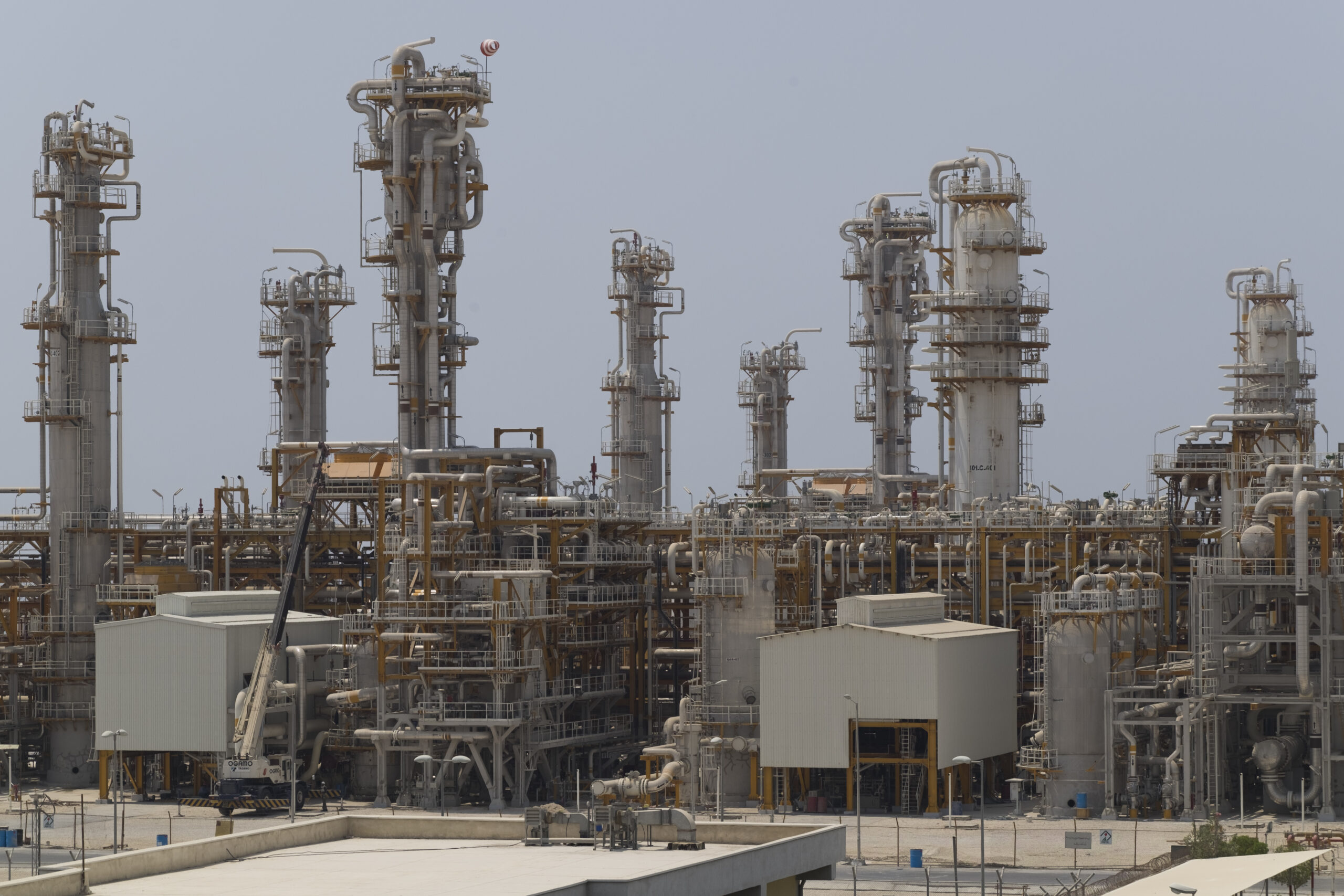
The Gulf Cooperation Council (GCC) states are confronting the greatest threat to their economic security and energy strategy since their formation. The economic fallout of the US-Israeli war with Iran is severe, but uneven across the Gulf. So too is each state’s ability to sustain energy exports and protect critical infrastructure—both of which have been targeted unequally by Iran.
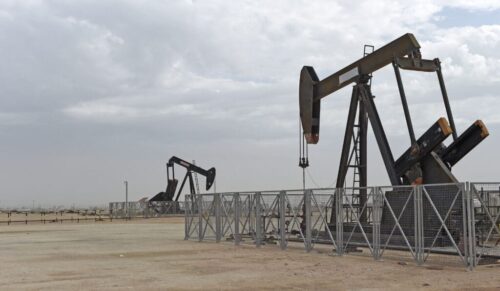
The US-Israeli war against Iran has created the largest disruption to global oil and liquefied natural gas supplies in modern history. There is a tremendous amount of economic uncertainty for Gulf states to navigate, and it will reshape the way they engage with one another and with Iran, Israel, and the United States for years to come. But this war has also laid bare how urgently the United States needs to update its own approach toward the Gulf states when it comes to energy.
Strikes (and Now Boots?) Without Strategy as Iran War Escalates
“Tactics without strategy is the noise before defeat” is a well-known axiom attributed to the ancient Chinese military general and strategist, Sun Tzu. With the Iran war now at the one-month mark, it is evident that the Trump administration failed to outline a clear end state or devise a workable war termination strategy before initiating Operation Epic Fury on February 28.
The Ripple Effects of the US-Israel War on Iran for North Africa
North African states feel the consequences of the US-Israel war with Iran less through direct security risks than through economic shocks that affect long-term stability. The region remains highly exposed to disruptions in global food and energy markets, where price spikes can lead to fiscal pressure, inflation, and social unrest.
Five Fundamental Questions for US Foreign Policy as the Iran War Enters Its Fourth Week
The US and Israeli conflict with Iran is currently just past the halfway mark, according to US President Donald Trump’s initial estimate that it would take four to six weeks to achieve his objectives, but for now there is no end in sight. Here are five fundamental, strategic questions that require more attention as the media and political debates fixate on the day-to-day breaking news and tactics of this war.
The decision U.S. President Donald Trump made to attack Iran was a high-stakes gamble. The gamble is not really in the military campaign itself. It is whether a massive air campaign can trigger a popular rebellion that takes down the regime in Tehran. This could pay off brilliantly, but it could also fail miserably.
The Kurdish Card: Can Iranian Kurds Shape the War’s Endgame?
The war against Iran has entered its third week with no clear endgame—and no clear strategy from Washington.
At one point President Trump appeared to encourage Iranian Kurdish groups to rise up against the regime, before quickly walking it back. Meanwhile, some exiled Kurdish opposition figures say they already have an invasion plan and only need US air cover.
The Kurdish question is once again at the center of regional politics. In this episode, we examine the role of Iranian Kurds in the opposition—and what this moment could mean for their future.