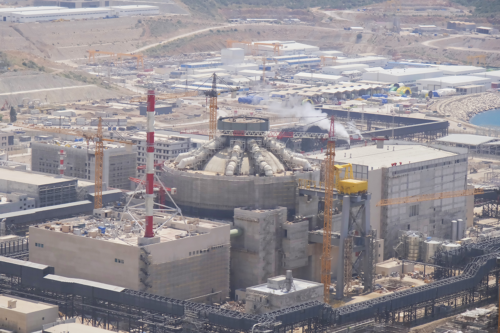
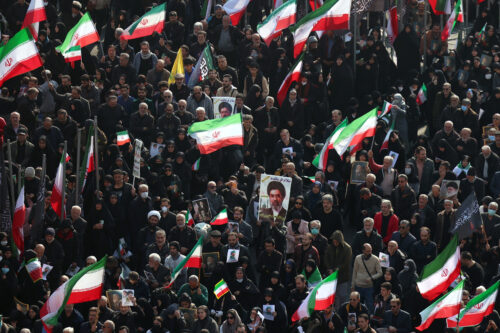
As a result of the Iran war, Turkish thinking about nuclear weapons appears to be shifting. Iran’s emergent ability to threaten regional states (and possible determination to acquire a nuclear weapon itself), growing concern about Israeli aggressiveness, doubts about US security guarantees, and greater Saudi nuclear autonomy are all pushing Ankara to consider a future nuclear option.
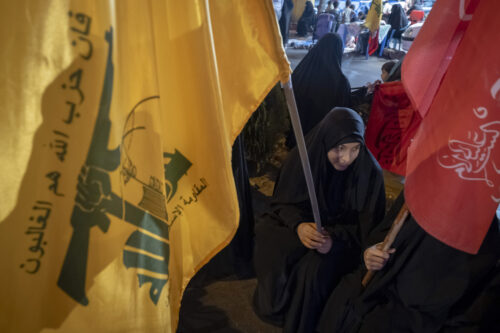
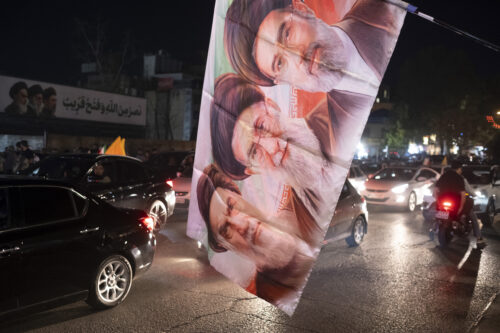
Hizballah: The murderers of elected Lebanese politicians, the killers of peacekeepers, the thugs of the streets they dominated because all other militias had disarmed, the agents of destruction of their own communities on behalf of foreign paymasters reigning 1,000 miles away from Beirut, the brainwashers of children into an ideology of “resistance” that only invited invasion. That’s the Hizballah that today is begging the Lebanese state to return to them the 1,000 pounds of explosives so rudely taken from them by Lebanese soldiers doing their job at a checkpoint in the Bekaa Valley.
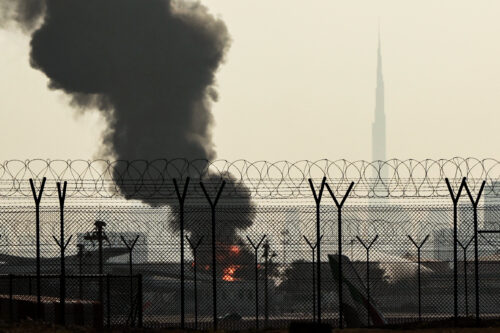
Many of the immediate consequences of the Israeli-American war with Iran are already clear. The further emergence of drones and missiles as dominant weapons of war; the danger to the global economy from the threats to vital chokepoints such as the Strait of Hormuz and the Bab el-Mandeb; and the inadequacy of US weapons procurement, among other issues, have garnered widespread and entirely merited attention.
Since 1967, Israeli settlements in the West Bank have been a contested feature of the Israeli-Palestinian conflict. The ultimate disposition of the settlements and ongoing activity related to their growth have repeatedly defied agreement in negotiations over a resolution to the conflict.
The Houthis are a political-military faction and Zaydi religious movement founded in northwestern Yemen in the 1980s. A key member of Iran’s Axis of Resistance with links to other militant organizations in the Arabian Peninsula and the Horn of Africa, the group has continued to pose a threat to Western interests on a global scale.
The India-Middle East-Europe Economic Corridor (IMEC) is a proposed multinational infrastructure initiative aimed at upgrading connectivity between the three regions through integrated trade, energy, and digital networks. Announced at the G20 summit in New Delhi in September 2023, IMEC is envisioned partially as a counterweight to China’s international infrastructure project, the Belt and Road Initiative.
After a decade of post-Arab Spring isolation, Turkey’s leaders have recognized that their ambition to position the country as an agenda-setter on the world stage requires active engagement in all directions. President Recep Tayyip Erdoğan’s consolidation of executive authority has centralized foreign policy decision-making and tied it to his domestic political priorities, transforming the country’s revisionist approach to one shaped primarily by personal and pragmatic interests.
MEI Senior Fellow Brian Katulis engages friends, colleagues, and policy experts in casual conversations on the most important happenings in the Middle East.
Battered but Still Standing, Egypt Tries to Weather the Economic Ravages of the Iran War
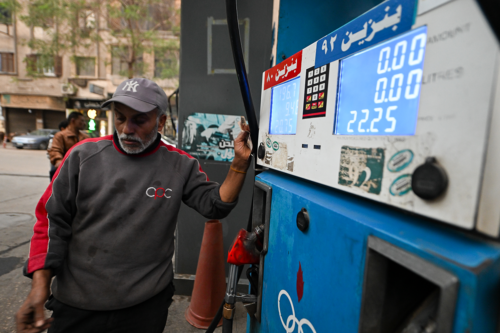
While Egypt is not in the direct line of fire in the US-Israeli war with Iran, its economy is acutely vulnerable to the conflict. In addition to the rising energy prices and shortages that have affected much of the world, it also struggled with issues that reflected its economy’s own underlying structural vulnerabilities.
Rebalancing Ambition: Saudi Arabia’s Megaproject Pivot
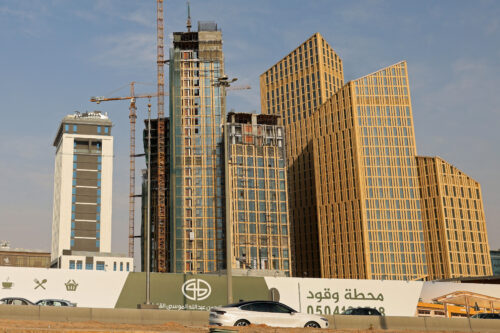
Saudi Arabia’s Vision 2030 has entered a sobering phase. The kingdom’s most ambitious megaprojects, conceived a decade ago during an era of oil-fueled confidence, are colliding with fiscal reality and a far more volatile external environment shaped by regional conflict and energy market disruption. What is unfolding is not the collapse of Crown Prince Mohammed bin Salman’s (MBS) diversification agenda, but a forced recalibration: a shift away from architectural spectacle toward economic pragmatism, reinforced by tightening fiscal space, institutional reprioritization under the Public Investment Fund’s (PIF) new strategy, and growing exposure to regional security risks.
From Hormuz to the Sahel: A Fertilizer Shock, and a Maghreb Solution
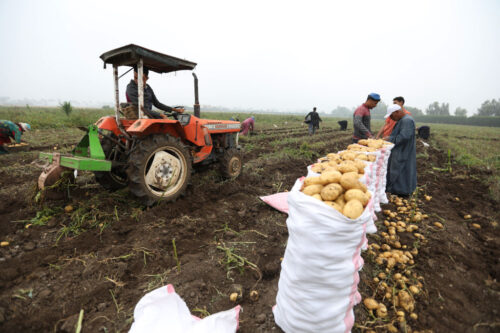
The war-time disruptions of international shipping passing through the Strait of Hormuz are spreading through the fertilizer market and affecting supply chains encompassing regions that have no margins to absorb the impact. The Sahel is one such region and now faces a severe threat of widespread hunger.
Violence, Settlements, and Creeping Annexation in the West Bank
As international attention remains fixed on the fallout from the Iran war, conditions in the West Bank continue to deteriorate. Hosts Alistair Taylor and Matthew Czekaj speak with MEI Senior Fellow Lucy Kurtzer-Ellenbogen about the sharp rise in settler violence, expanding settlement activity, and growing Palestinian displacement across the territory. They examine how recent Israeli legal and administrative measures are reshaping realities on the ground, the implications for Israeli-Palestinian relations, and what the United States should do to play a constructive mediator role.
Why Iran’s Oil Pain Does Not Guarantee Capitulation
President Donald Trump now appears to share a view gaining traction in some policy circles: that sustained pressure on Iran’s oil sector could inflict lasting damage on its production and eventually force Tehran to compromise. The thesis is appealingly simple, yet dangerously incomplete.
Syria is in the midst of a fragile transition. Many observers see positive momentum, with new humanitarian initiatives underway and fresh funding beginning to flow. But the risks remain serious: regional spillover, deep humanitarian needs, funding shortfalls, Israeli strikes, sectarian tensions, stalled political tracks, and continued reports of abuses by multiple actors.
America Cannot Afford to Miss This Opening in Lebanon
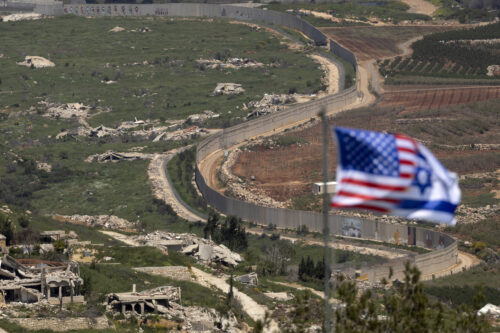
President Donald Trump has an opportunity to do something no American president has managed in nearly half a century: end the war between Israel and Lebanon for good.
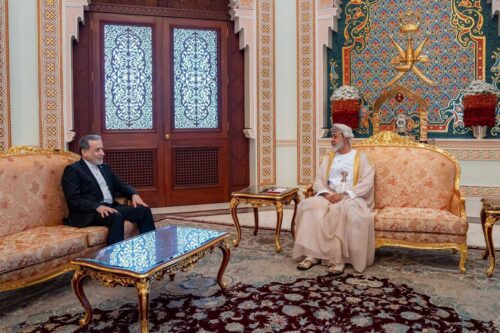
In the Trump administration’s diplomatic track with Tehran, one crucial variable is missing: steady US engagement with its Arab partners, particularly in the Gulf, on what the strategic endgame with Iran looks like.
Test of Wills: Iran’s Ability to Outlast the US Blockade
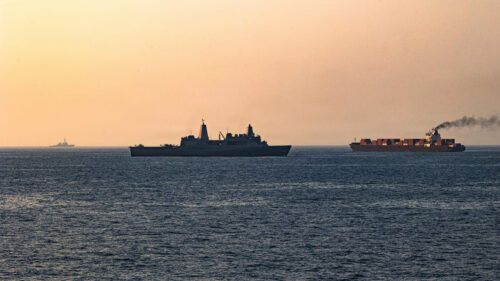
The standoff in the Hormuz is not simply a question of whether Tehran can survive economic pressure, but whether Washington can sustain the pressure at an acceptable cost.
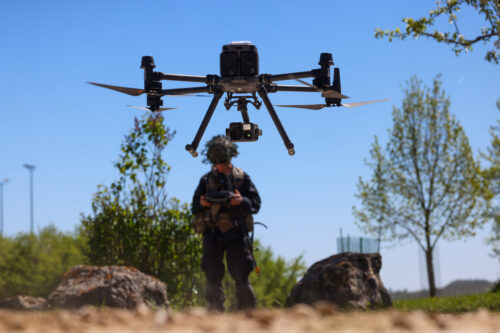
For two decades, US drones hunting terrorists across the mountains of South Asia were the symbol of American military power: precise, lethal, and unmatched. That era is now over. Drones are no longer exquisite tools of counterterrorism and have evolved into something far more common and destabilizing: cheap, expendable, and mass-produced tools of attrition.
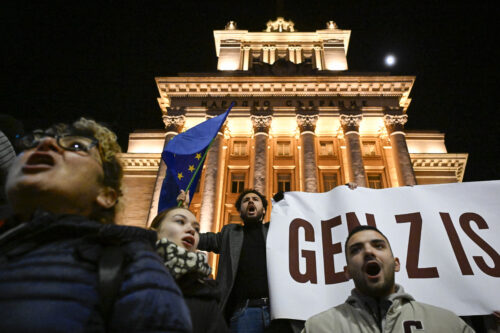
Why Some Gen Z Protests Succeeded as Others Stumbled
In 2025, youth protests over corruption, precarity and broken promises by government officials swept across multiple regions around the world. Demonstrations in Nepal forced early elections, while unrest in Peru toppled a president. In Morocco, Kenya, Indonesia and Serbia, young people mobilized around similar grievances, with widely varying effect.
Nearly two months into the Iran war, US President Donald Trump has announced an indefinite extension of the cease-fire between Washington and Tehran, even as control of the Strait of Hormuz remains contested. Hosts Alistair Taylor and Matthew Czekaj are joined by MEI Senior Fellow Alex Vatanka to explore where the conflict may be headed and unpack the factors at play. They discuss how Iran’s internal power structures have shifted since February 28, the prospects for a deal between Washington and Tehran, and what form a resumption of hostilities could take.
Operation Epic Fury has delivered tactical gains without a viable strategic end state. The Strait of Hormuz remains effectively closed, Iran’s leadership has reorganized, and the diplomatic track has fractured.
After a decade of post-Arab Spring isolation, Turkey’s leaders have recognized that their ambition to position the country as an agenda-setter on the world stage requires active engagement in all directions. President Recep Tayyip Erdoğan’s consolidation of executive authority has centralized foreign policy decision-making and tied it to his domestic political priorities, transforming the country’s revisionist approach to one shaped primarily by personal and pragmatic interests.
The oldest peer-reviewed publication dedicated to the study of the modern Middle East, MEI’s flagship journal covers politics, society, and culture in the region.