After the Gaza War: The Risks of Deterrence and the Chances of Peace
November 20, 2023
Share
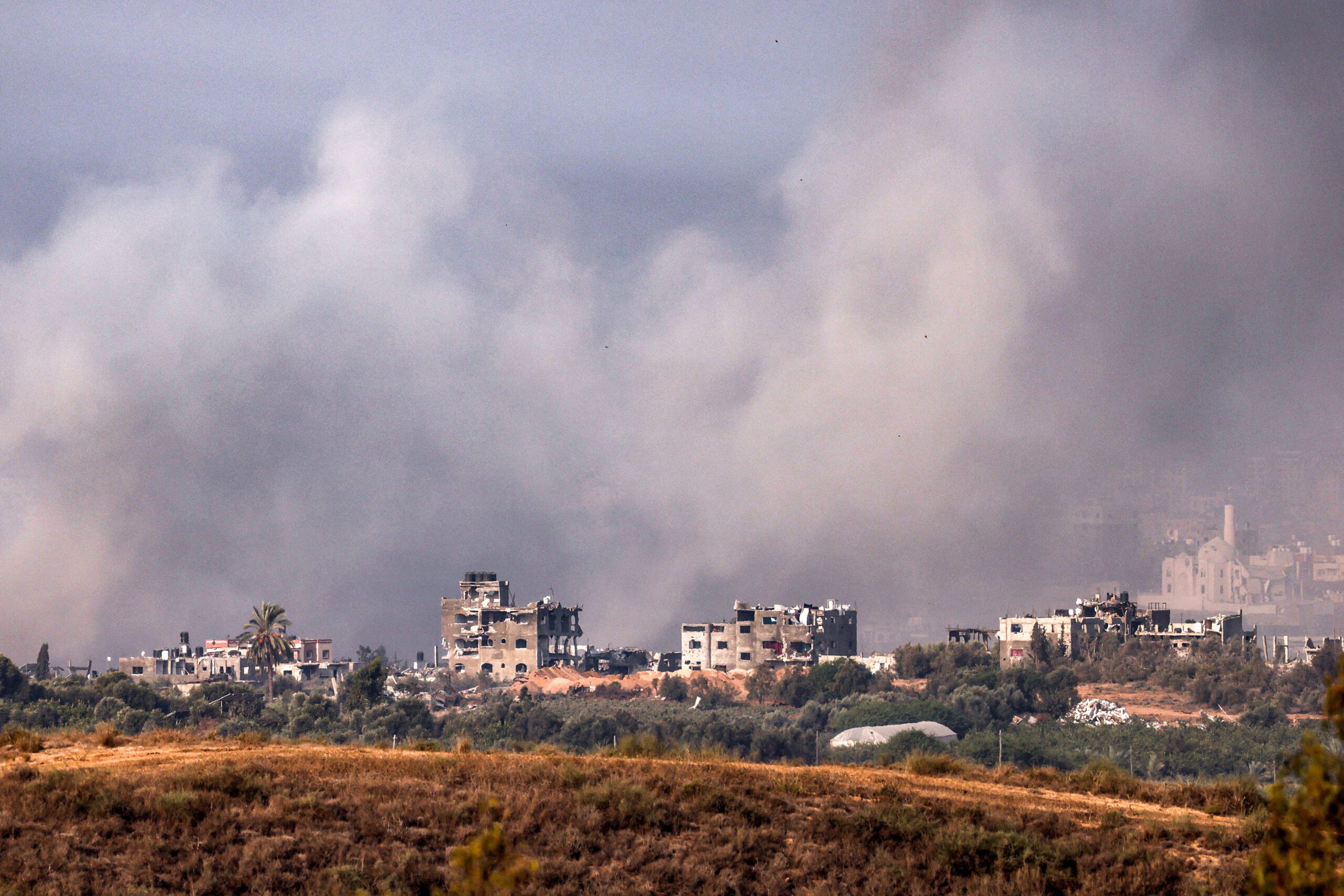
Policymakers in the United States, Europe, and the Middle East are rightly focused on where the current crisis in Gaza is headed. The humanitarian disaster hovering over the region since Hamas’ October 7 attacks on Israel has resulted in countless lives lost and now threatens regional and global security. Among many of the issues occupying policymakers is the concern that new fronts in the war will open, potentially involving the West Bank, Hezbollah, the Houthis, and even Iran.
But policymakers need to think even further ahead about the fact that the Middle East will, in some ways, be a different region when the fighting in Gaza winds down. Two significant questions will shape whether the region is less or more secure than before: how to resurrect deterrence and hence maintain stability among key regional actors, and what to do with the progress made prior to October 7 toward normalization between Saudi Arabia and Iran, and between Saudi Arabia and Israel. In many ways, these two issues are intimately related, with deterrence established through military buildups sufficient to temper enemy plans and normalization agreements created through diplomacy, which add a layer of political reassurance that pure military deterrence fails to provide.
The Middle East Institute (MEI) is an independent, non-partisan, not-for-profit, educational organization. It does not engage in advocacy and its scholars’ opinions are their own. MEI welcomes financial donations, but retains sole editorial control over its work and its publications reflect only the authors’ views. For a listing of MEI donors, please click here.