U.S. security cooperation has undergone monumental changes over the past six years. That is worth celebrating because, for a couple of decades, this enterprise was mired in red tape, inefficiency, and ineffectiveness, impacting America’s interests abroad and its reputation as a security partner of choice. However, the set of historic reforms that were issued in the National Defense Authorization Act for Fiscal Year 2017 (including additional ones in subsequent years) have not benefited from a thorough reevaluation of how the United States should conceptualize, execute, and manage security cooperation both in Washington and out in the field, in ways consistent with the requirements of the new strategic and fiscal environment. The very substance and ideas that inform and guide the execution of long-term U.S. security cooperation are still a work in progress. The result is a U.S. government workforce that lacks both the intellectual and the practical training in all the elements of security cooperation—not just the tactical and operational aspects of the enterprise but also its institutional enablers.
Security cooperation deserves better. This is a major pillar of U.S. statecraft and an invaluable asset for the United States in its strategic competition with China. If properly designed, security cooperation can leverage, strengthen, and expand America’s network of global allies and partners—its biggest competitive advantage—in support of U.S. and collective security interests. The stakes are high. The United States has a strategic obligation to get security cooperation right
Continue reading in Army University Press
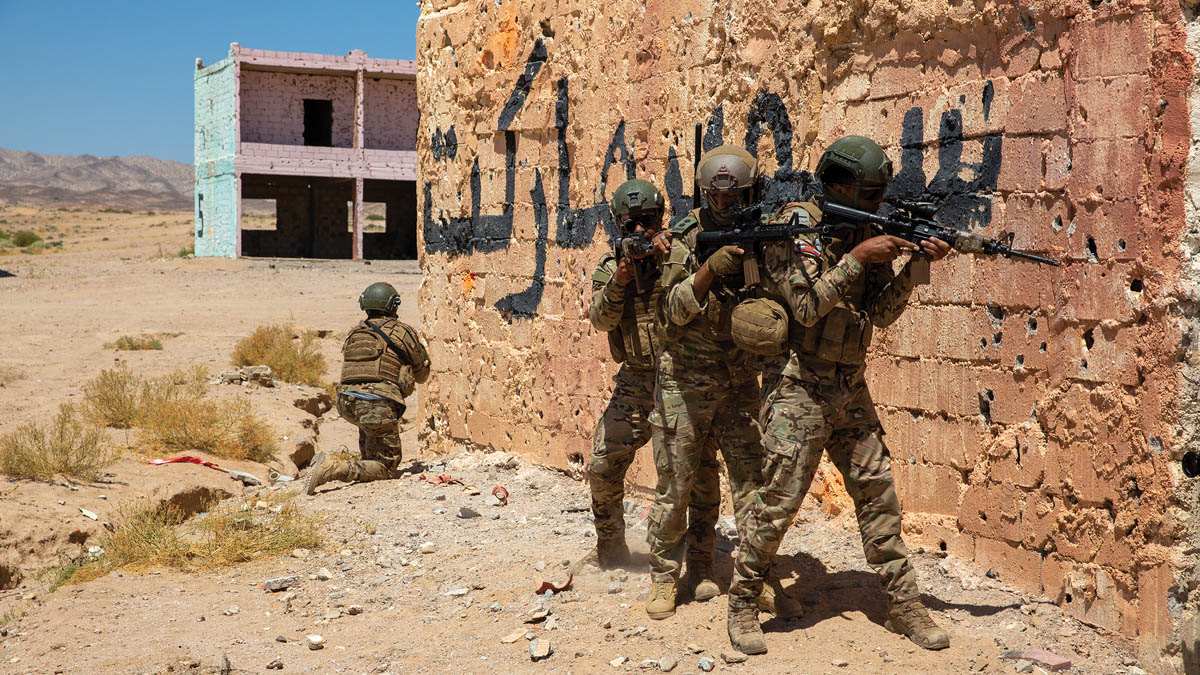
Photo by Cpl. Khalil Brown, U.S. Marine Corps
The Middle East Institute (MEI) is an independent, non-partisan, not-for-profit, educational organization. It does not engage in advocacy and its scholars’ opinions are their own. MEI welcomes financial donations, but retains sole editorial control over its work and its publications reflect only the authors’ views. For a listing of MEI donors, please click here.