
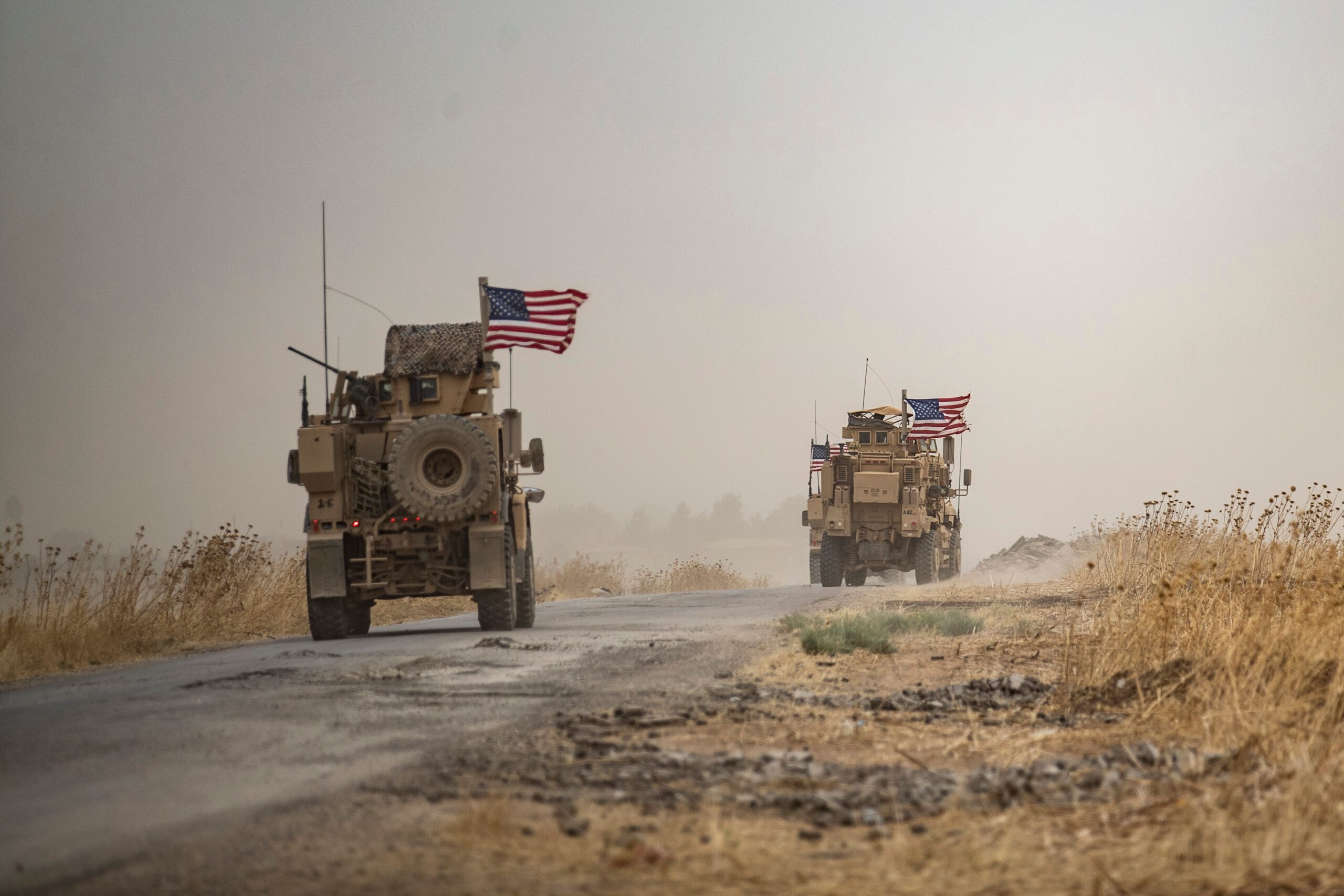
Given the overwhelming power position of the United States in the period after the collapse of the Soviet Union in 1991, both in the Middle East itself and globally, it is striking how unsuccessful American policy in the region has been since the high point of the victory in the Gulf War of 1990-91. The Clinton Administration’s inability to secure an end to the Arab-Israeli and Palestinian-Israeli conflicts, despite overwhelmingly favorable circumstances, was followed by the post-9/11 failures of the occupations of Iraq and Afghanistan and the post-Arab Spring failures of democratic transition across the Arab world. Many scholars of the region see these failures as evidence of declining American hegemony, in the region, and the world. However, a more accurate theoretical explanation for these failures starts with questioning whether the U.S. was ever “hegemonic” in the region in the first place. Considering the American regional position as “unipolar” rather than “hegemonic” can provide a better explanation for both Washington’s behavior as a regional revisionist (a strange stance for a hegemon to take) and its failure to achieve its desired revisions.
Photo credit: DELIL SOULEIMAN/AFP via Getty Images
The Middle East Institute (MEI) is an independent, non-partisan, not-for-profit, educational organization. It does not engage in advocacy and its scholars’ opinions are their own. MEI welcomes financial donations, but retains sole editorial control over its work and its publications reflect only the authors’ views. For a listing of MEI donors, please click here.

From the Middle East to Middle America: Engineering Better Policy with Andrew J. Tabler
