
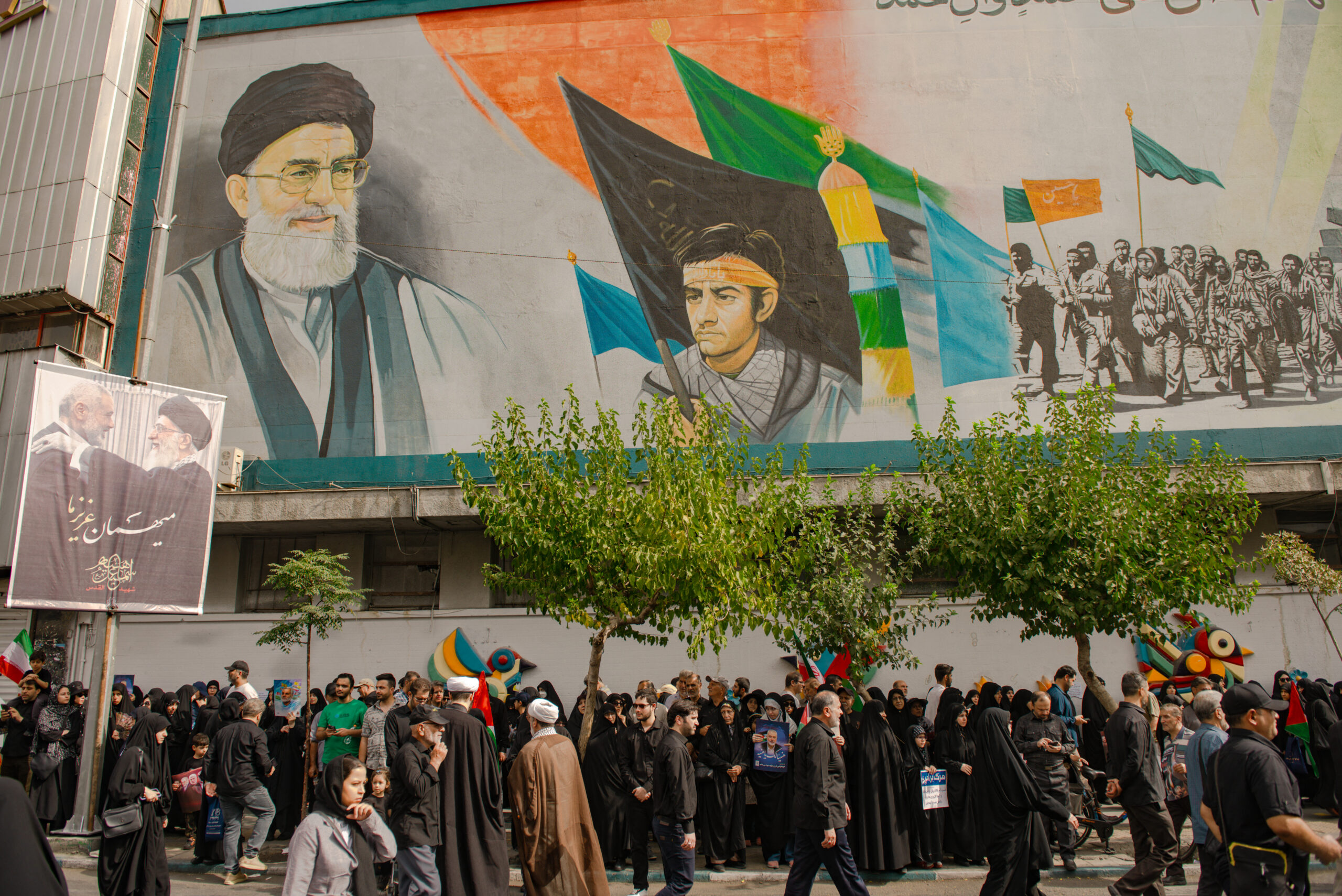
This article is published as part of the Perry World House workshop “U.S.-Iran Relations Under Trump 2.0: Lessons Learned and Likely Scenarios.”
The Iran-Russia-China partnership is often portrayed as a cohesive bloc resisting U.S. hegemony. While there is some truth to this narrative, it is frequently overstated. In recent years, Iran has joined institutions widely seen as counterweights to Western influence—the Shanghai Cooperation Organization (SCO) and BRICS—and is set to enter a free trade agreement with the Russia-led Eurasian Economic Union in May 2025. Meanwhile, China remains Iran’s primary, and often only, major oil customer. On the surface, these developments suggest strategic alignment. But a closer look reveals a relationship driven more by pragmatic opportunism than ideological solidarity or durable alliance.
Read more in Perry World House.
The Middle East Institute (MEI) is an independent, non-partisan, not-for-profit, educational organization. It does not engage in advocacy and its scholars’ opinions are their own. MEI welcomes financial donations, but retains sole editorial control over its work and its publications reflect only the authors’ views. For a listing of MEI donors, please click here.
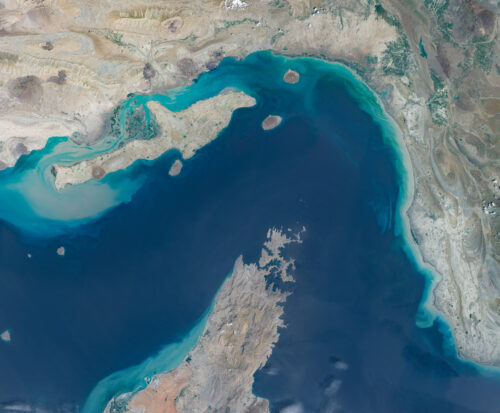
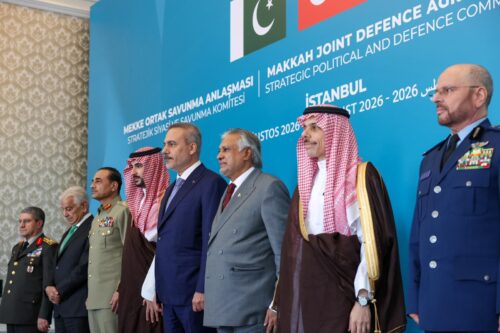
The Mecca Alliance Meets the Red Sea – Saudi Arabia’s New Defense Pact Faces Its First Major Test
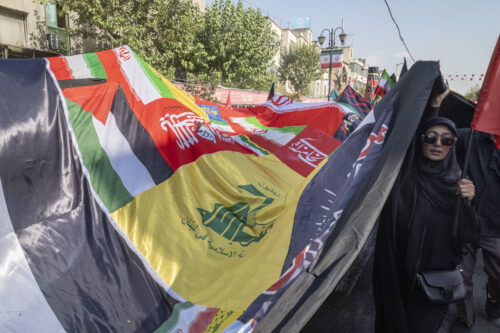
Iran’s Strategic Thinking: Lessons Learned and What Comes Next