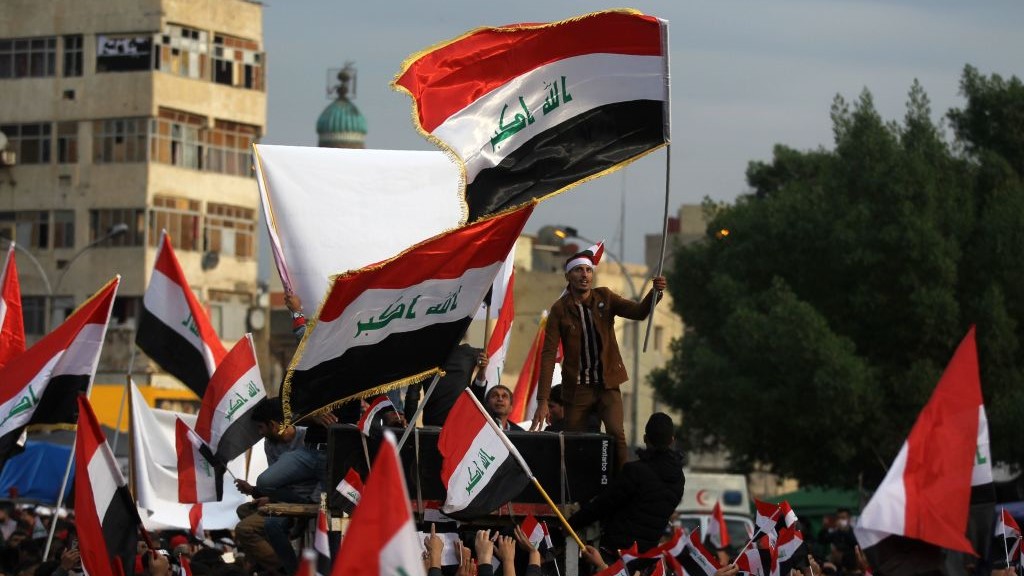
Two months into the popular uprisings in Iraq and Lebanon, both countries are mired in a painful standoff. On the one hand stands a young generation demanding good governance, an end to corruption, and socio-economic progress and justice; on the other sits a corrupt and sectarian political class — backed in key ways by Iran — that doesn’t want to give up any of its positions or riches and seeks to keep the populace at bay and to cast the domestic confrontation as a geopolitical conspiracy.
In Iraq, the pain is both in terms of life and livelihood. Another 23 protestors were reportedly gunned down by Iranian-backed militias in the last few days, while unemployment, corruption, and poverty rates remain at all-time highs. In Lebanon, the army and Internal Security Forces have generally been peaceful, and attempts by Iran-backed Hezbollah to use force have been very limited compared to the situation in Iraq; but the economic collapse of Lebanon is of historic proportions and is taking place while the political class dithers over government formation and divvying up of future ministries. The national currency is losing value fast, banks have imposed stringent capital controls, and the country is on the brink of a major economic depression that will have grave economic, social, and security consequences.
The international community should stand alongside the legitimate demands of the rising populations in both countries, and encourage the formation of independent and effective governments that can move quickly to address the critical demands of the people. If such effective governments are formed, and proceed with critical reforms, then the international community should stand ready to assist them.
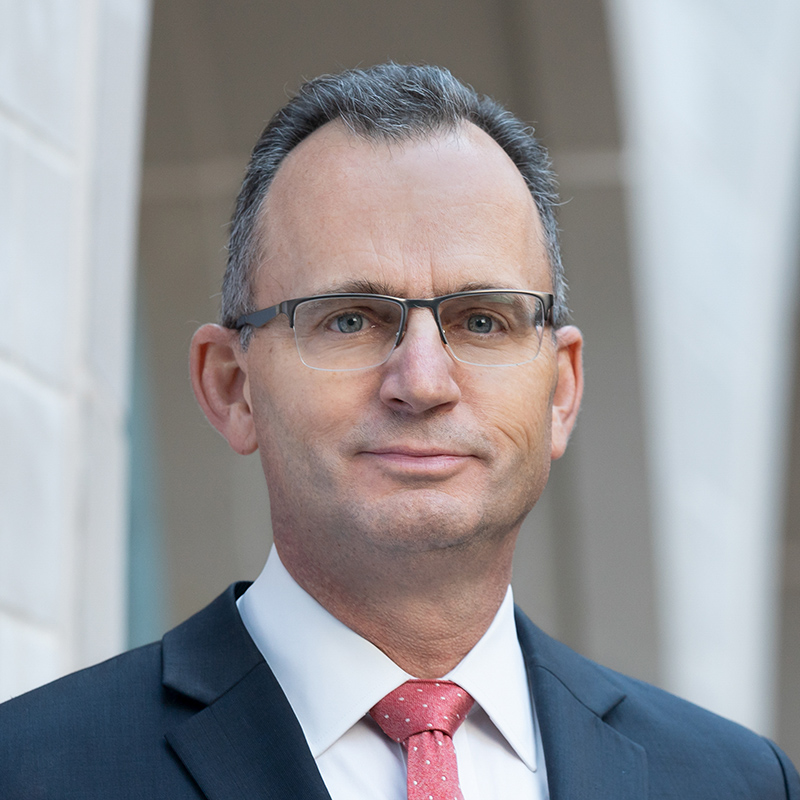
Paul Salem is the president of MEI.
Photo by AHMAD AL-RUBAYE/AFP via Getty Images
The Middle East Institute (MEI) is an independent, non-partisan, not-for-profit, educational organization. It does not engage in advocacy and its scholars’ opinions are their own. MEI welcomes financial donations, but retains sole editorial control over its work and its publications reflect only the authors’ views. For a listing of MEI donors, please click here.

Owning the Recovery: Supporting Lebanese-Led Reconstruction Without Repeating the Past
Currency Boards as Political Commitments: Comparative Experience, Gold Reserves, and the Lebanese Case
