Amira Roess is a professor of Global Health and Epidemiology at George Mason University’s College of Health and Human Services, Department of Global and Community Health. She is an epidemiologist with expertise in infectious diseases epidemiology, multi-disciplinary and multi-species field research and evaluating interventions to reduce the transmission and impact of infectious diseases. Dr. Roess currently oversees several longitudinal studies to understand emergence and transmission of zoonotic infectious diseases globally, including the emergence and transmission of Campylobacter (with support from The Bill and Melinda Gates Foundation), MERS-CoV (with support from the US National Science Foundation), and the development of the microbiome during the first year of life. She completed several funded projects including on the epidemiology of HIV in Egypt (with support from the U.S. National Institutes of Health) and disparities in mortality following a natural disaster (with support from the Government of Puerto Rico). She studies breastfeeding patterns and their association with future health disparities and has also studied the impact of hurricanes on morbidity and mortality in the United States, links between food animal production and emerging infectious and zoonotic disease emergence globally, and mHealth (especially apps) technology integration and evaluations to reduce the impact of infectious diseases outbreaks, promote health care and health reduce disparities.
Dr. Roess holds a PhD in global disease epidemiology and control from Johns Hopkins University. Her current studies are in the US, Bangladesh, Egypt, and Ethiopia. Prior to joining academia, Dr. Roess served as the Science Director for the Pew Commission on Industrial Food Animal Production at Johns Hopkins, and was an Epidemic Intelligence Service (EIS) officer at the CDC. She has served as consultant for the United States Agency for International Development, the World Bank, and elsewhere and was previously a tenured Associate Professor at George Washington University.
How can the Middle East Better Prepare for the Pandemics of the Future?
Several countries in the Middle East had devised preparedness plans in response to recent respiratory epidemics, and COVID-19 has tested them. For example, Egypt’s plan was greatly modified in response to the H1N1 epidemic, first recognized in 2009, and Saudi Arabia’s in response to the MERS coronavirus, first recognized in 2012.
Thinking MENA Futures: The Next Five Years and Beyond
The Middle East and North Africa (MENA), for a variety of reasons, are unrivaled in their need for bold, creative thinking about their future. But that is precisely why creative thinking about the future of the region — why strategic foresight — is essential. Produced in conjunction with MEI’s Strategic Foresight Initiative, Thinking MENA Futures aims to map out some of the possible futures for the region, as envisioned by thoughtful innovators working today to realize them.
The Biden Administration and the Middle East: Policy Recommendations for a Sustainable Way Forward
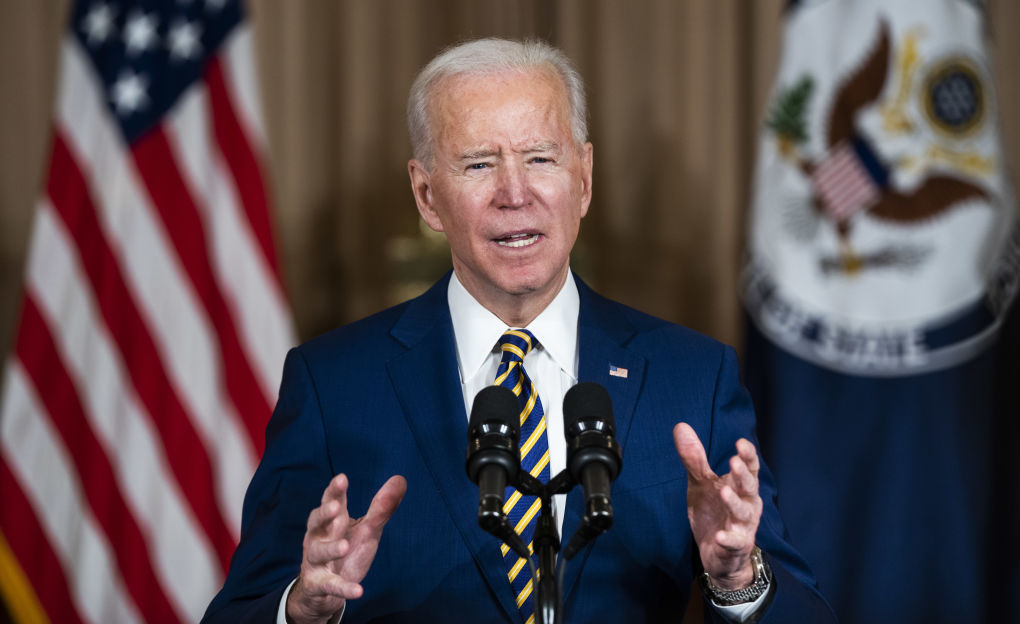
In a new policy briefing book, entitled The Biden Administration and the Middle East: Policy Recommendations for a Sustainable Way Forward, MEI scholars tackle a large number of country-specific and region-wide issue areas, laying out both the abiding U.S. interests and specific recommendations for Biden administration policies that can further U.S. interests amid a region in turmoil.