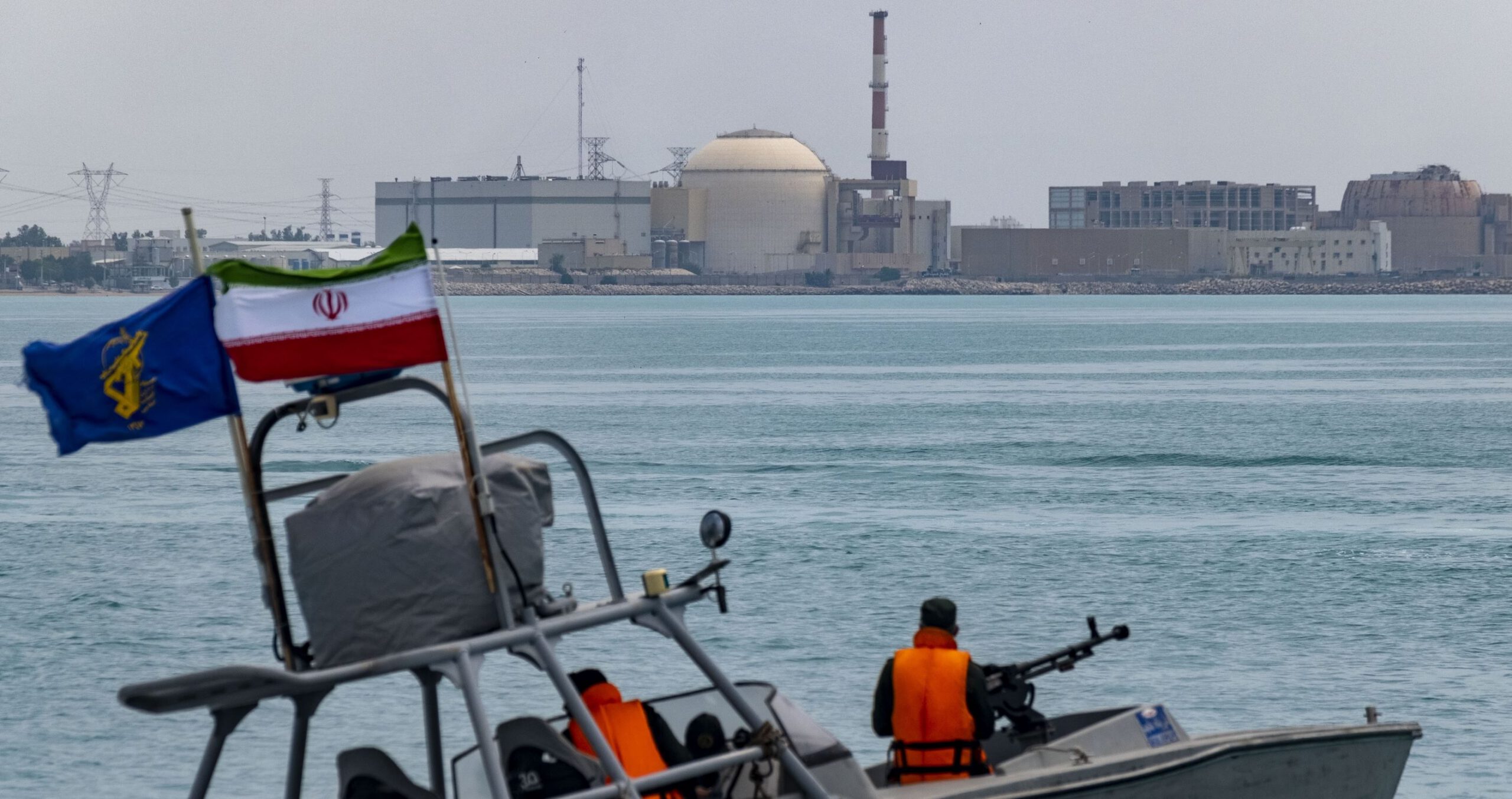
تقوم إيران بتخزين ما يكفي من اليورانيوم المخصب القريب من الدرجة العسكرية لصنع سلاح نووي في غضون أسابيع أو أشهر، وليس سنوات. والرئيس دونالد ترامب، الذي انسحب في عام 2018 من الاتفاق النووي الذي كان من شأنه تأجيل هذه الإمكانية، يناشد الآن إجراء مفاوضات مع طهران. لكن في الشرق الأوسط، لا تقتصر المسألة النووية على إيران وحدها.
إعادة تشكيل ترامب لقوة الولايات المتحدة يهدد باستقرار الشرق الأوسط
عززت إدارة الرئيس دونالد ترامب استخدامها للقوة العسكرية في الشرق الأوسط الأسبوع الماضي، في الوقت الذي اتخذت فيه المزيد من الخطوات لتفكيك المؤسسات الأمريكية الأساسية لتعزيز السلام والاستقرار من خلال الدبلوماسية.
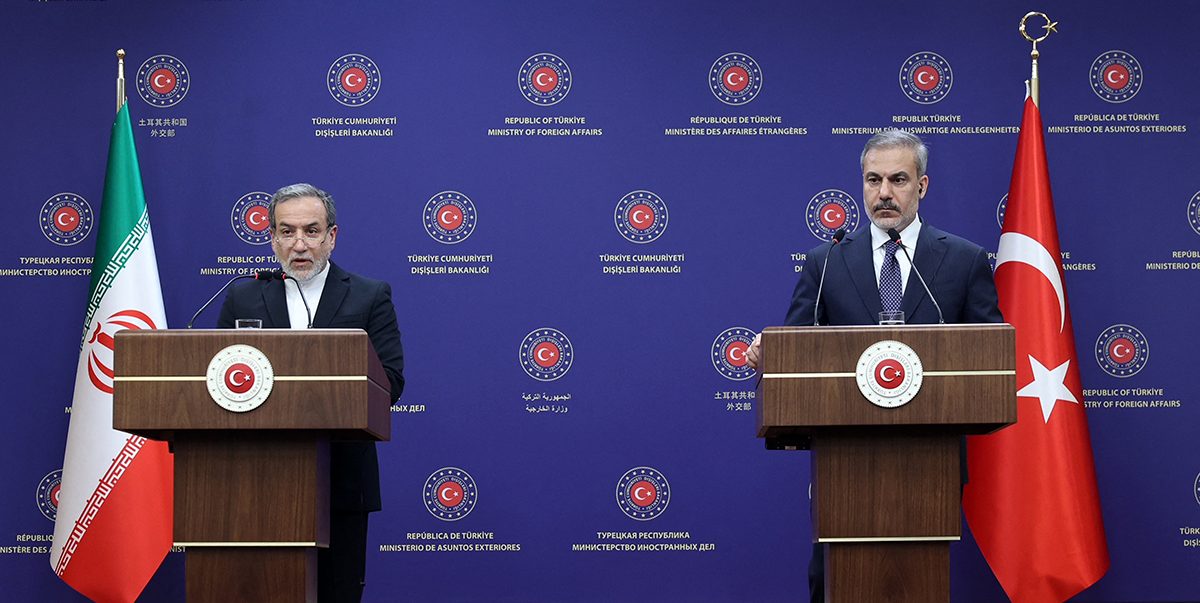
War of words as Turkey-Iran tensions escalate over Syria, Iraq
After decades of managing tensions through careful balancing, Turkey and Iran now find themselves increasingly at odds following recent shifts in the regional balance of power. With Ankara emboldened and Tehran on its back foot after the fall of the regime of Bashar al-Assad, the struggle for influence between the two neighbors and long-time rivals is escalating in both Syria and Iraq and could spread well beyond their borders.
Trump brings his foreign policy improv act to the Middle East
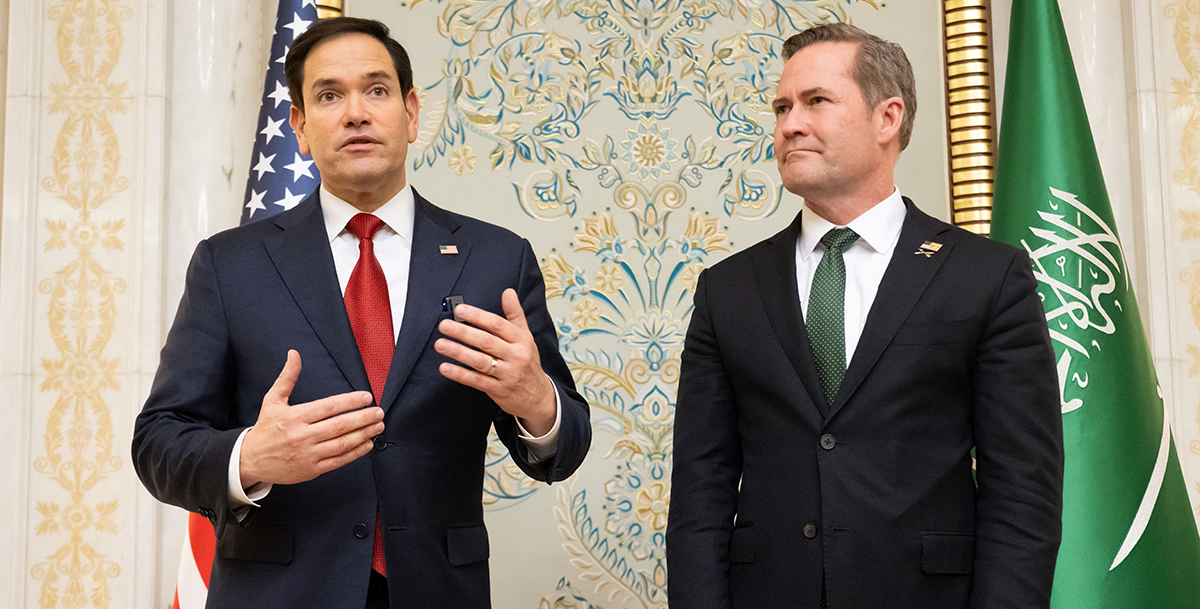
While most media attention was focused on its global economic policy moves, the Trump administration continued to keep the Middle East high on its agenda this past week, with the president sending a letter to Iran’s supreme leader and his team directly engaging with the Palestinian group Hamas. This continued engagement on the region’s top two strategic questions, Iran and Arab-Israel affairs, contrasted with America’s hands-off approach to Syria, which saw some troubling violence.
A chaotic foreign policy on overdrive risks alienating key US partners in the Middle East
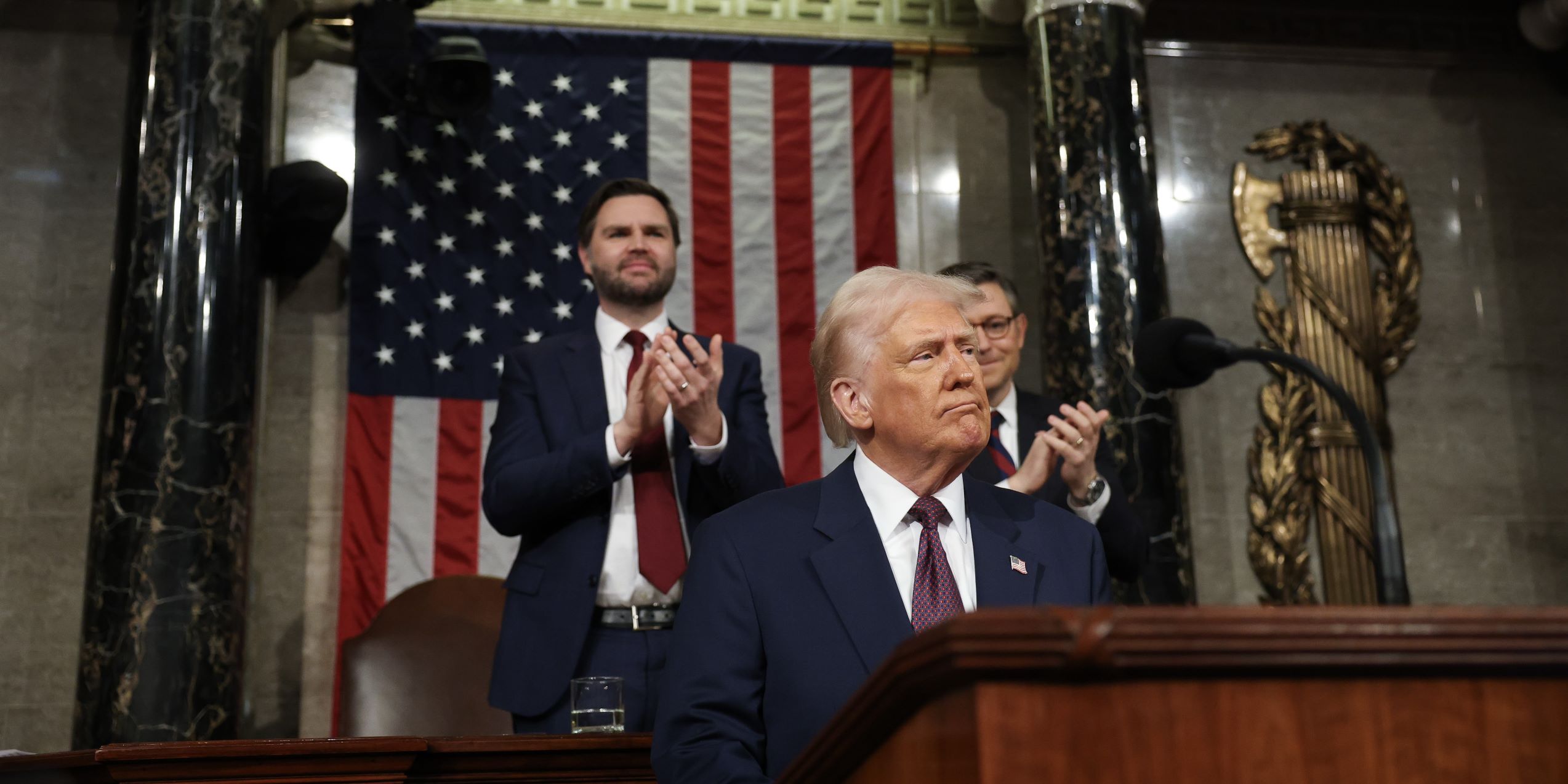
President Donald Trump’s joint address to Congress on March 4 doubled down on his disruptive and contentious domestic policy agenda. Foreign policy, including Trump’s approach to the Middle East, was mostly an afterthought. Though he said little about Middle East policy in his speech, Trump’s team is taking an irregular approach on the twin issues of Israel-Arab ties and Iran that may not produce the stability and prosperity it seeks.
انسحاب الولايات المتحدة والديناميات الأمنية الإقليمية الجديدة في جوار أفغانستان
تشهد الدول المجاورة لأفغانستان عملية إعادة هيكلة جوهرية لنظامها الأمني. وتواصل الدول الإقليمية الرئيسية، وهي باكستان وأفغانستان وإيران والصين، تعديل خططها الدفاعية وشراكاتها الأمنية لمواجهة التهديدات المتزايدة التي يشكلها الإرهاب المحلي والعابر للحدود. وفي الوقت نفسه، تبحث هذه الدول الأربع عن سبل جديدة لملء الفراغ الذي خلفه انسحاب الجيش الأمريكي من أفغانستان في جنوب آسيا.
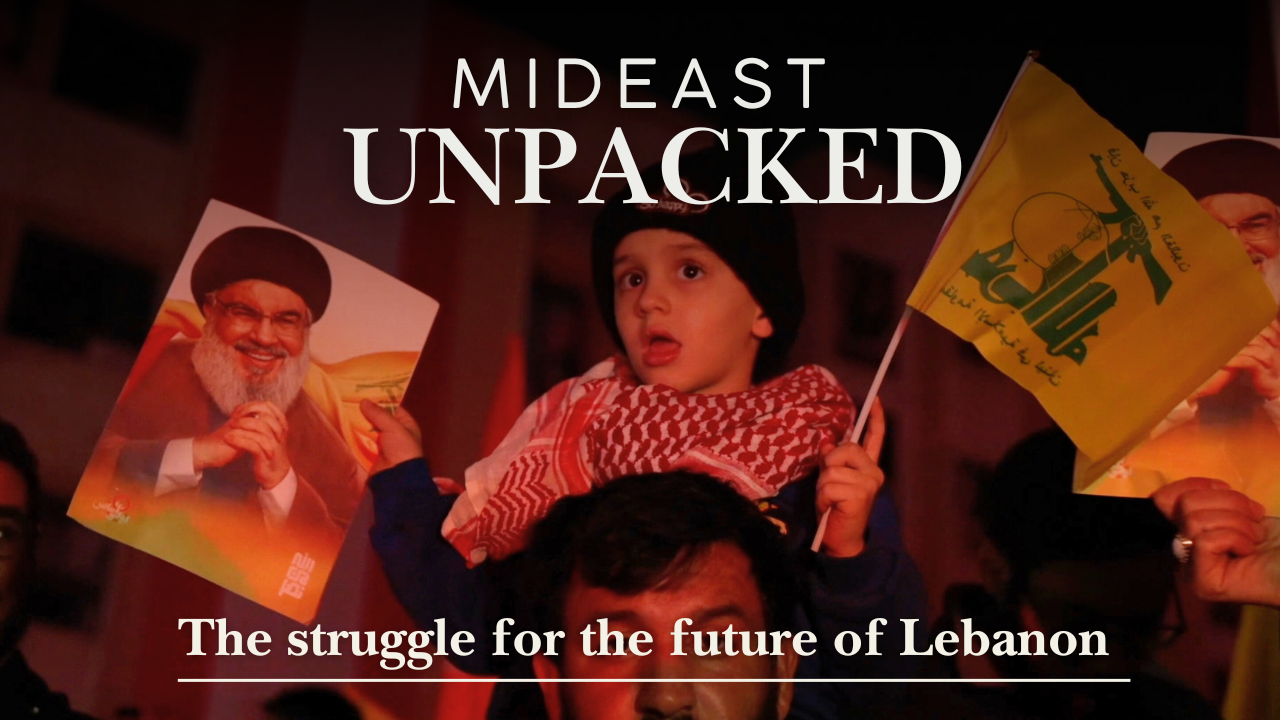
جنازة نصر الله هي واحدة من أكثر اللحظات أهمية بالنسبة للبنان والمشرق العربي. هل سيشكل استعراض القوة هذا بداية حملة إيران لتخريب النظام الأمريكي الناشئ؟ يعتمد الكثير على ما ستفعله الولايات المتحدة بعد ذلك. يقدم فراس مكساد من معهد الشرق الأوسط (MEI) رؤى وتوصيات.
Return to "maximum pressure": Opportunities and challenges
With the signing of a presidential memorandum on Feb. 4, the administration of Donald Trump has returned to a “maximum pressure” campaign against Iran, but circumstances have changed drastically since the policy of intensified sanctions was originally crafted during his first term. Regional geopolitics will present the White House with a new set of variables, while changes in the petroleum markets will affect how the administration approaches sanctions on oil exports.
Act 1 of Trump’s Middle East policy: Off script or no script?
The Trump administration’s Middle East approach in its first three weeks back in office was filled with plenty of sound and fury. It’s still too soon to tell whether all of the noise signifies much of anything for the region, yet there are few promising signs of a smooth ride ahead.
ما وراء "الضغط الأقصى" في سياسة الولايات المتحدة تجاه إيران: الاستفادة من الشركاء الإقليميين لاحتواء تصرفات إيران وتشكيل خياراتها المستقبلية
في ولايته الثانية، يواجه الرئيس دونالد ترامب منطقة الشرق الأوسط التي تشهد اضطرابات متعددة الأوجه وجمهورية إيران الإسلامية التي تمر حالياً بأضعف وأكثر مواقفها عزلة منذ تأسيس النظام في عام 1979. ومع ذلك، وبعيداً عن الخضوع الدائم، تواصل طهران الاقتراب من بناء سلاح نووي، وتحاول الحفاظ على شبكتها الإقليمية من الوكلاء والحلفاء غير الحكوميين. يواجه ترامب الآن خيارًا استراتيجيًا مهمًا بشأن سياسة إيران. يحلل هذا التقرير ثلاث ديناميات شاملة: التغيرات الاستراتيجية في الشرق الأوسط في 2023-2024؛ وتأثير هذه التغيرات على إيران وشبكة محور المقاومة؛ وموقف إيران الحالي ومكانتها في الداخل وفي المنطقة. ويختتم التقرير بسلسلة من التوصيات الاستراتيجية للإدارة الجديدة.
A different Middle East: How should Washington respond?
A very different Middle East will greet President-elect Trump this month compared to the region he experienced during his first term. However, there are opportunities to advance American interests for a more stable and less conflictual Middle East, which might not require the kind of intense US commitment we have seen over the last quarter-century.
Iran’s growing influence in the Black Sea region: Consequences and Western responses
Russia’s full-scale war against Ukraine has provided several strategic opportunities for Iran to increase its foothold in the Greater Black Sea Region. A closer analysis of Iran’s deepening footprint there is necessary to inform how the next administration in Washington and the new European Commission can strengthen and better coordinate their policy responses.
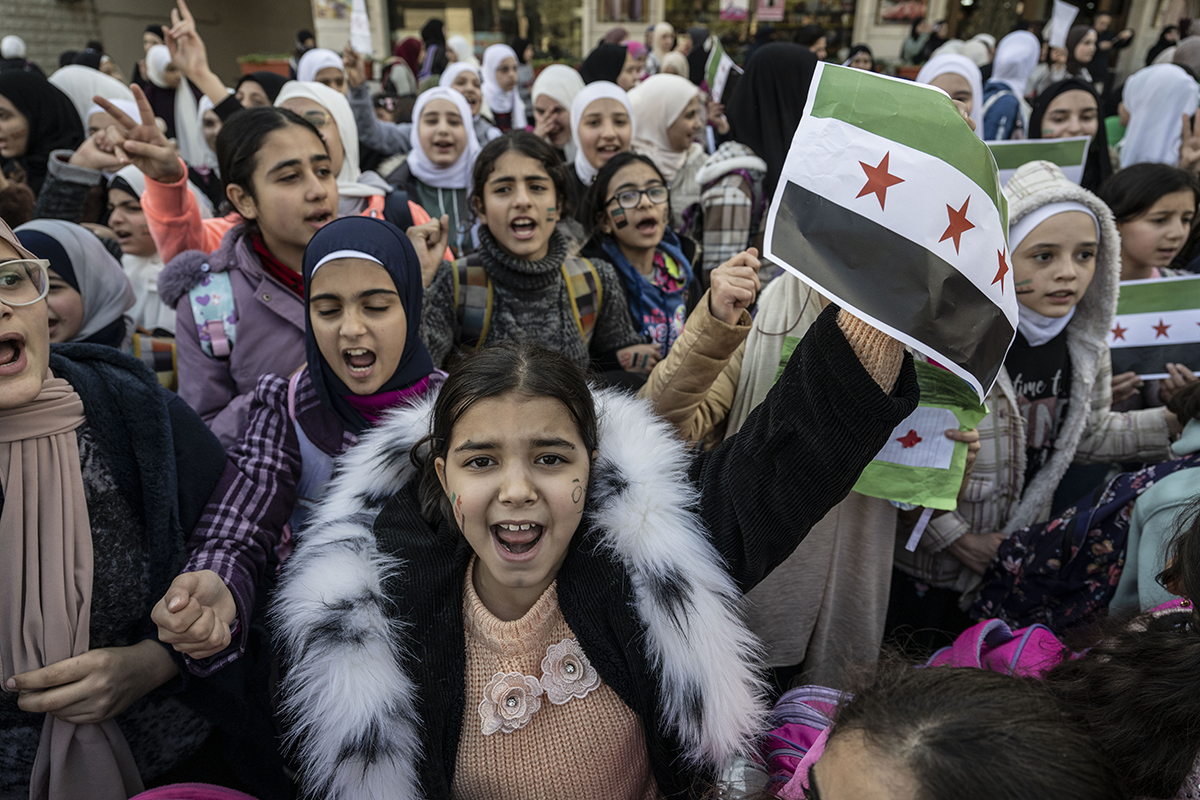
In only six days, a broad coalition of advancing opposition forces coordinated by Hayat Tahrir al-Sham has captured all of Idlib province, almost all of Aleppo province, and a sizeable stretch of northern Hama — a humiliating defeat for Bashar al-Assad and illustrative of the fragility of regime rule in Syria.
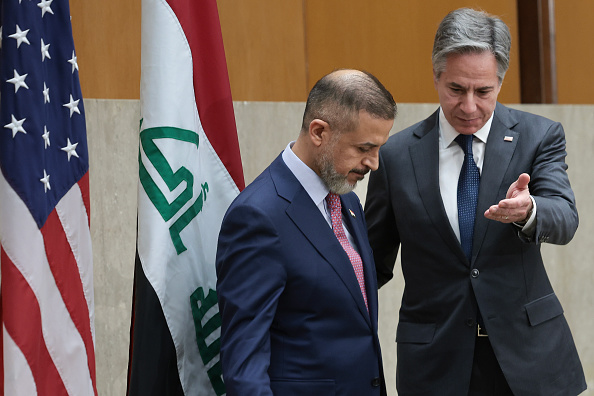
US success in Iraq means being a more reliable partner than Iran
There is no quick path to limiting or reducing Iranian influence in Iraq. Tehran will react fiercely to American efforts to destroy the militias and zero-out its influence, and it would have multiple avenues to escalate through the porous 900-mile-long border between the two countries. Moreover, domestic Iraqi reaction, especially among elements of the Shi’a population, would be reticent at best and hostile at worst to intensified American military actions. Nor should it be an American goal to stoke a civil war among Iraq’s Shi’a that would give Iran new access points.
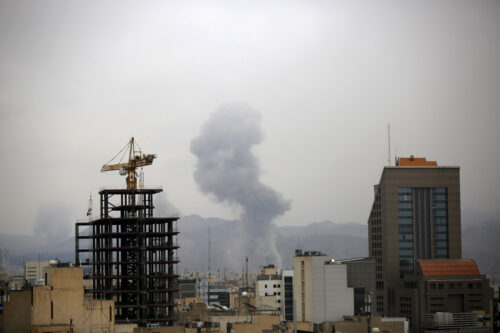
Top photo:
TEHRAN, IRAN – MARCH 10: Smoke rises among the residential buildings following an Israeli attack on Tehran, Iran on March 10, 2026. (Photo by Fatemeh Bahrami/Anadolu via Getty Images)