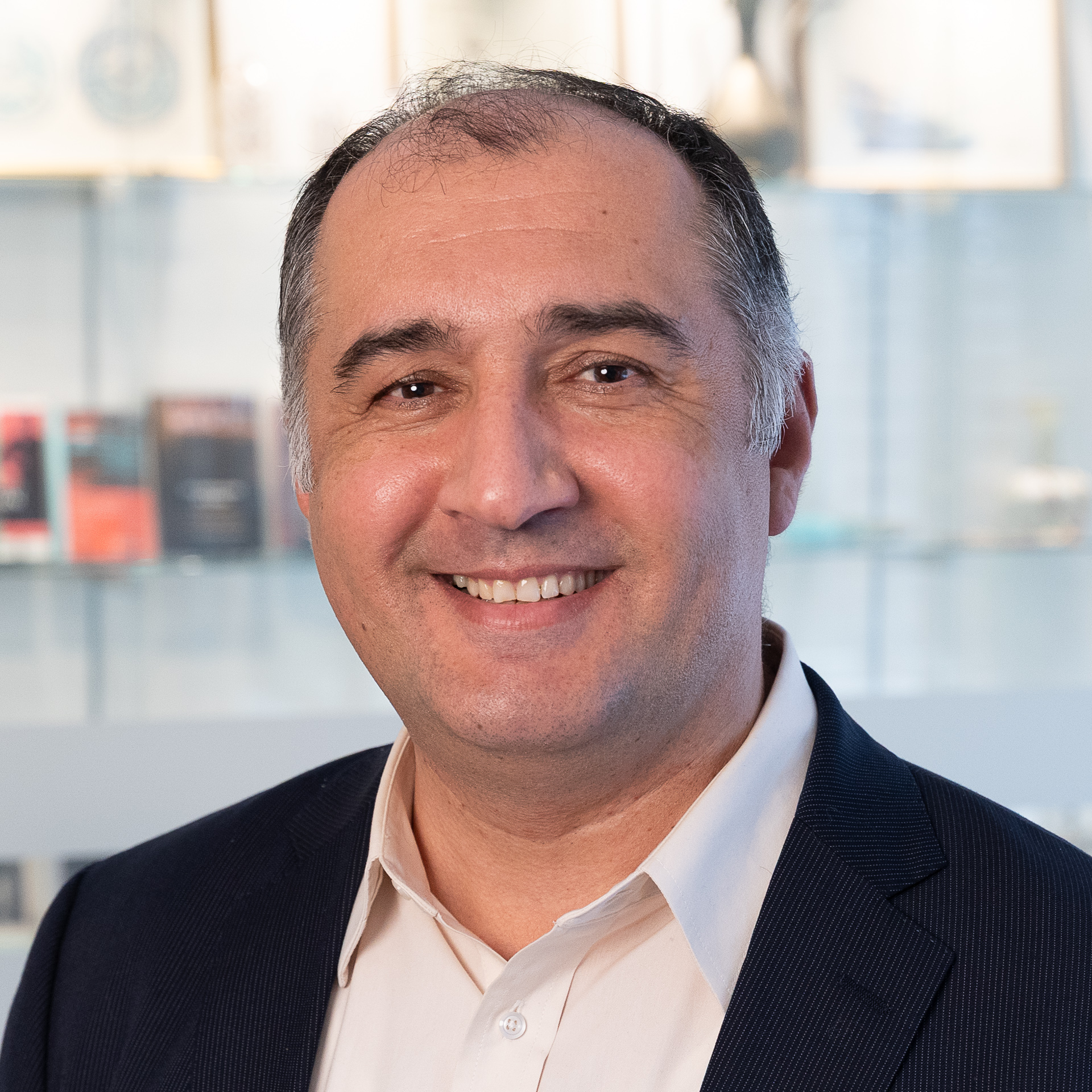
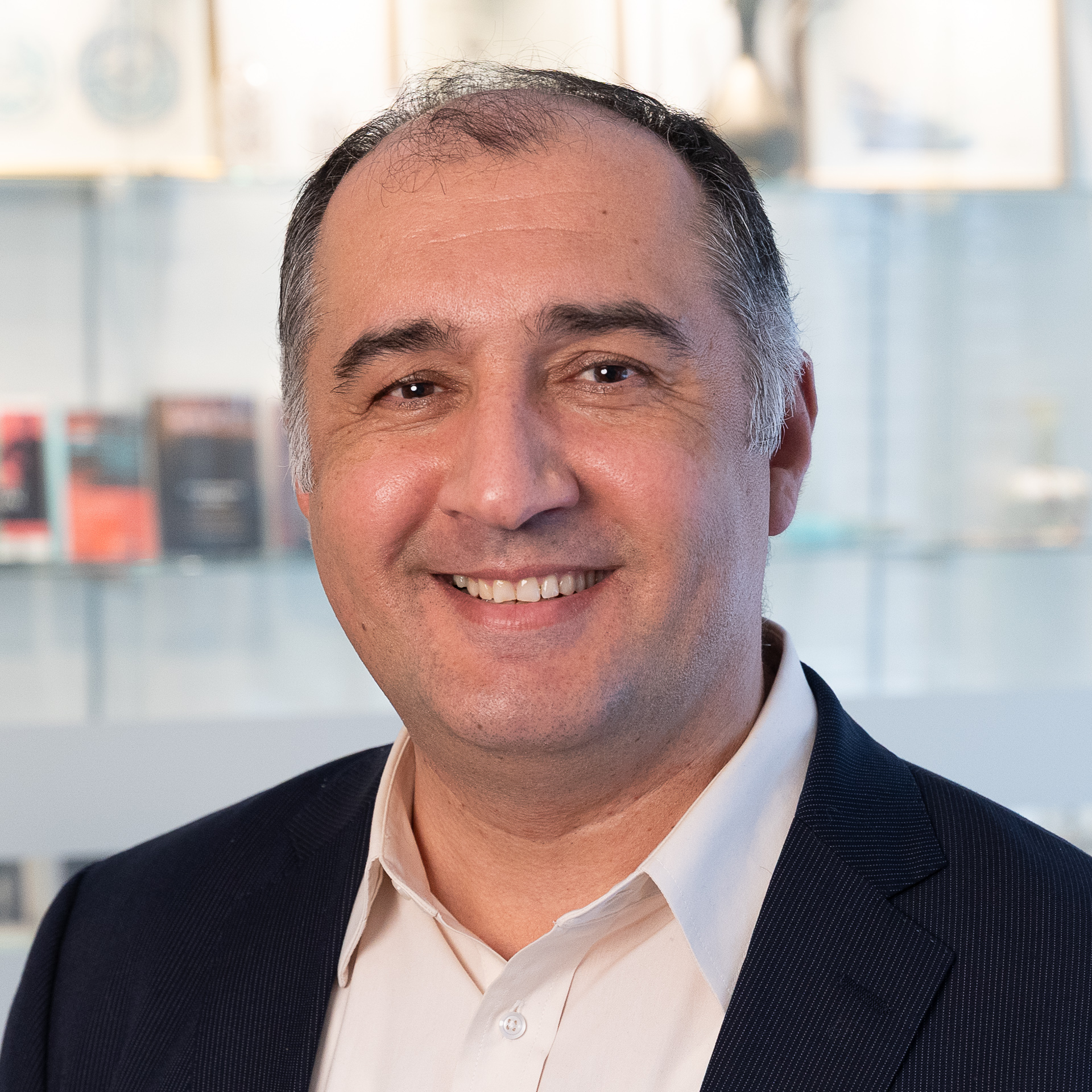
Alex Vatanka is a Senior Fellow at the Middle East Institute. He specializes in Middle Eastern regional security affairs with a particular focus on Iran. He was formerly a Senior Analyst at Jane’s Information Group in London. Alex is also a Senior Fellow in Middle East Studies at the US Air Force Special Operations School (USAFSOS) at Hurlburt Field and teaches as an Adjunct Professor at DISAS at Wright-Patterson Air Force Base. He has testified before the US Congress and lectured widely for both governmental and commercial audiences, including the US Departments of State and Defense, US intelligence agencies, and a list of international corporations.
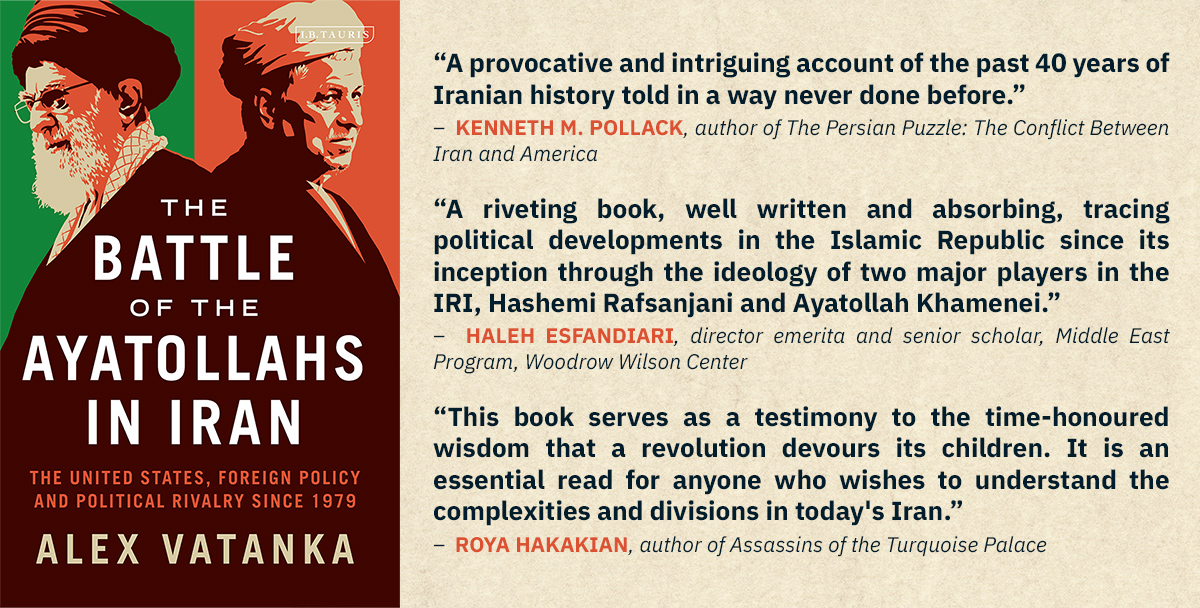
Born in Tehran, he holds a BA in Political Science (Sheffield University, UK), and an MA in International Relations (Essex University, UK), and is fluent in Farsi and Danish. He is the author of two books: The Battle of the Ayatollahs in Iran: The United States, Foreign Policy and Political Rivalry Since 1979 (2021) and Iran and Pakistan: Security, Diplomacy, and American Influence (2015).
He has also written chapters for a number of books, including Authoritarianism Goes Global (2016); Handbook on Contemporary Pakistan (2017); Russia in the Middle East (2018), Winning the Battle, Losing the War: Addressing the Drivers Fueling Armed Non-state Actors and Extremist Groups (2020); Global, Regional and Local Dynamics in the Yemen Crisis (2020); Routledge Handbook of Counterterrorism and Irregular Warfare Operations (2021); and Understanding New Proxy Wars (2022). He is presently working on his third book, Iran’s Arab Strategy: Defending the Homeland or Exporting Khomeinism?
Education
B.A. in Political Science at Sheffield University; M.A. in International Relations at Essex University
Languages
Farsi, Danish
Countries of Expertise
Iran
Issues of Expertise
Iran domestic and foreign affairs, Iranian military and security forces, Iran-US relations, Political Islam in Middle East
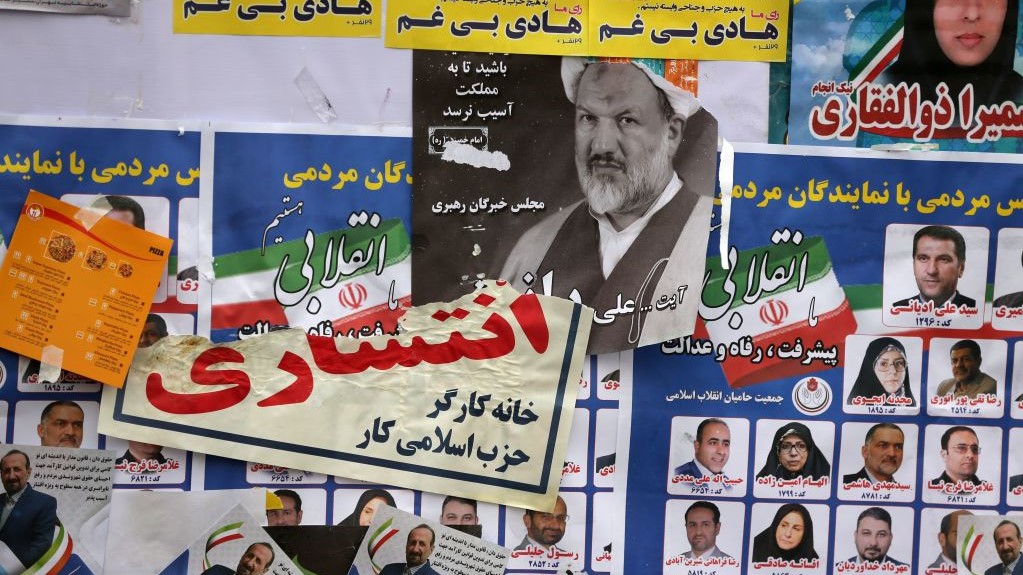
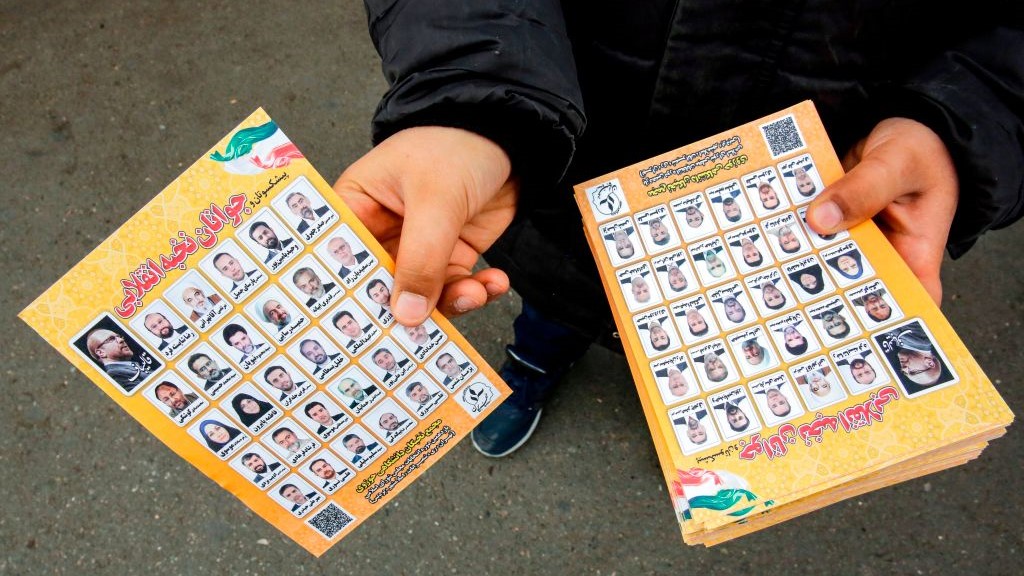
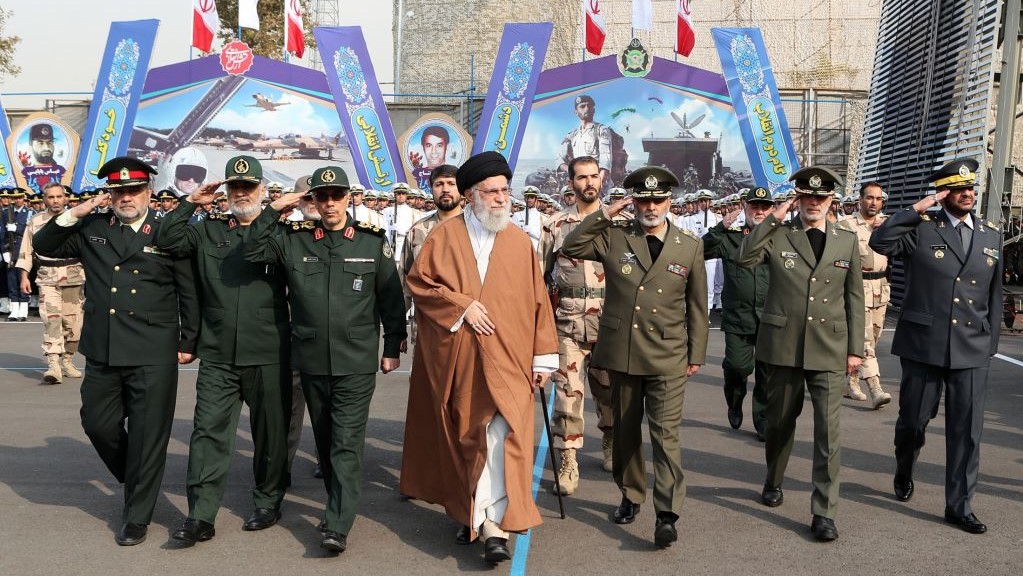
The outcomes of elections in the Islamic Republic are not about the choices the Iranian voters want to make, but about Khamenei’s self-serving calculations.
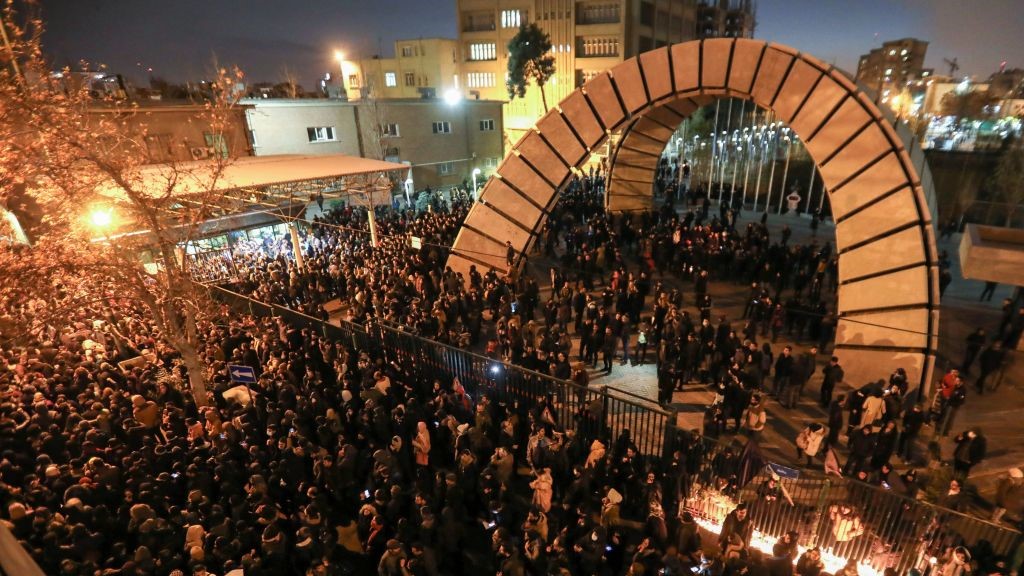
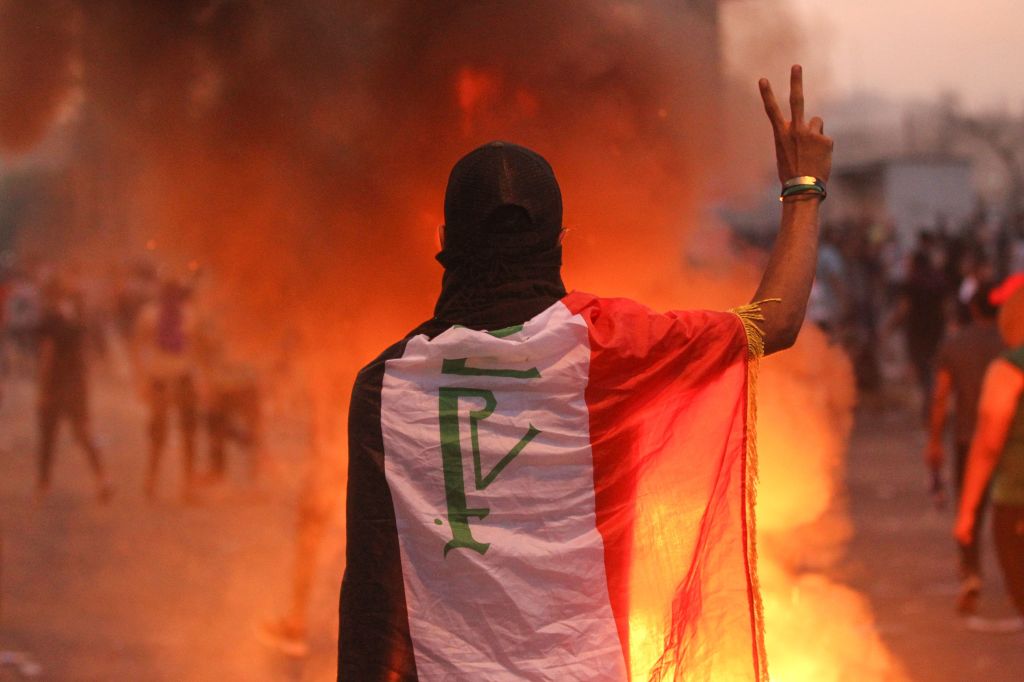
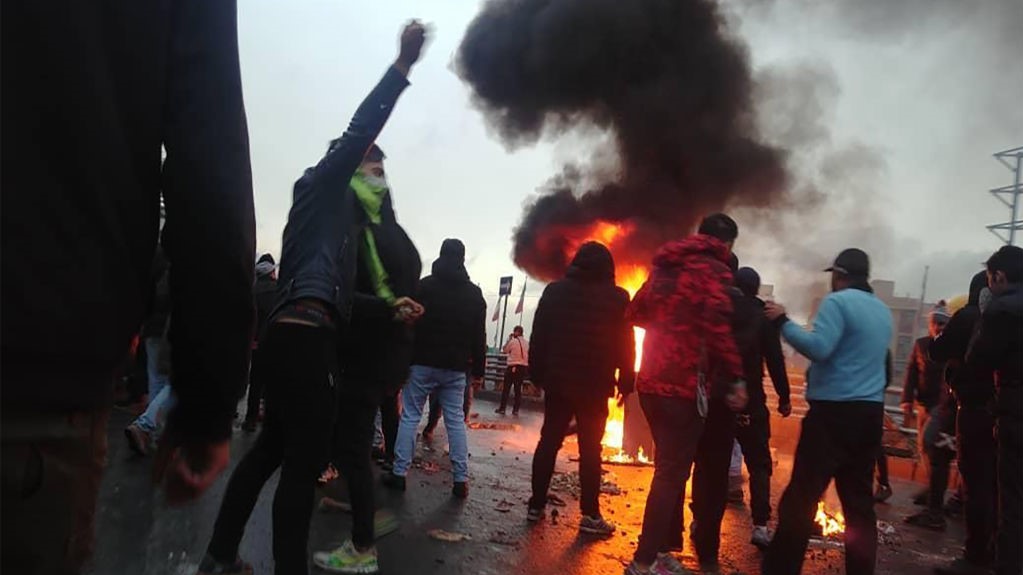
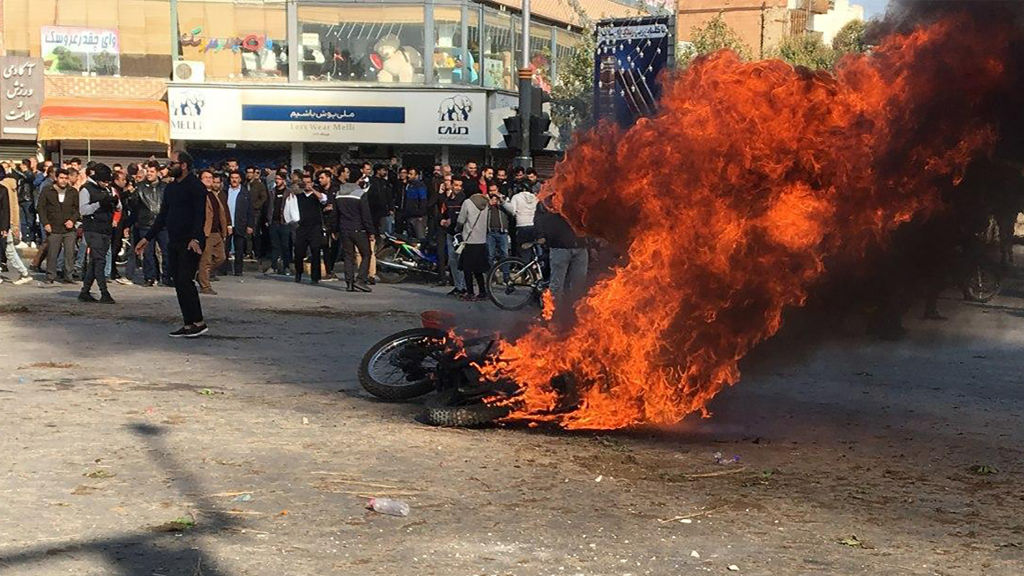
As anger mounts, protestors take to the streets again in Iran
While these latest protests will likely also be repressed, the anger against Khamenei and his foot soldiers in the Revolutionary Guards will not go away.
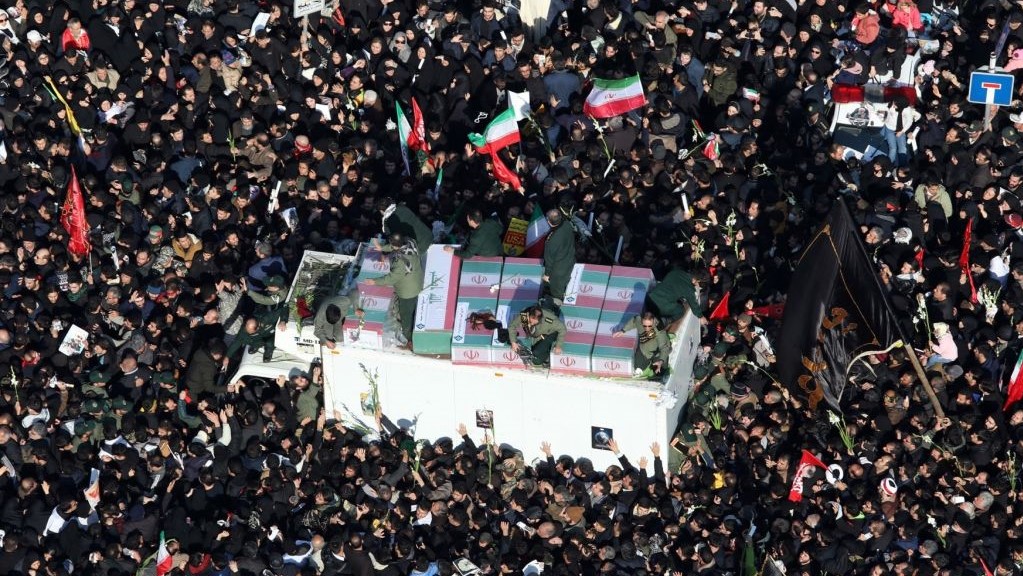
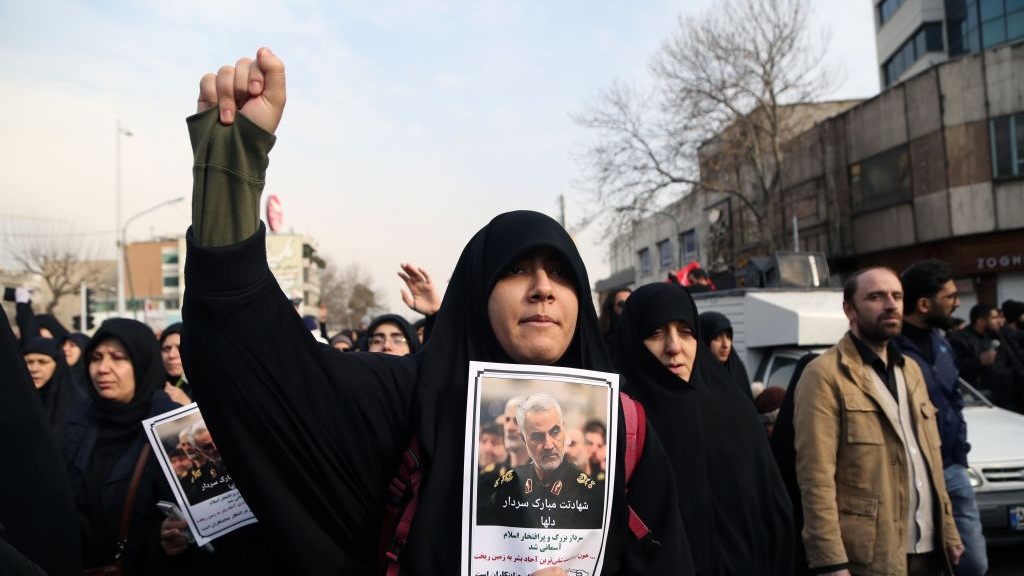
Soleimani's killing: A turning point, but not necessarily a prelude to war
No one in Tehran can now afford to test the limits of Donald Trump’s unpredictability. He is the man who for years lamented American interventions in the Middle East only to shock the Iranians by killing the leading symbol of Iran’s regional agenda.
On the surface the latest protests in Iran appear to be not that different from the previous ones in late 2017 and early 2018. In reality, however, things are quite different this time around, and the Iranian authorities are deeply alarmed.
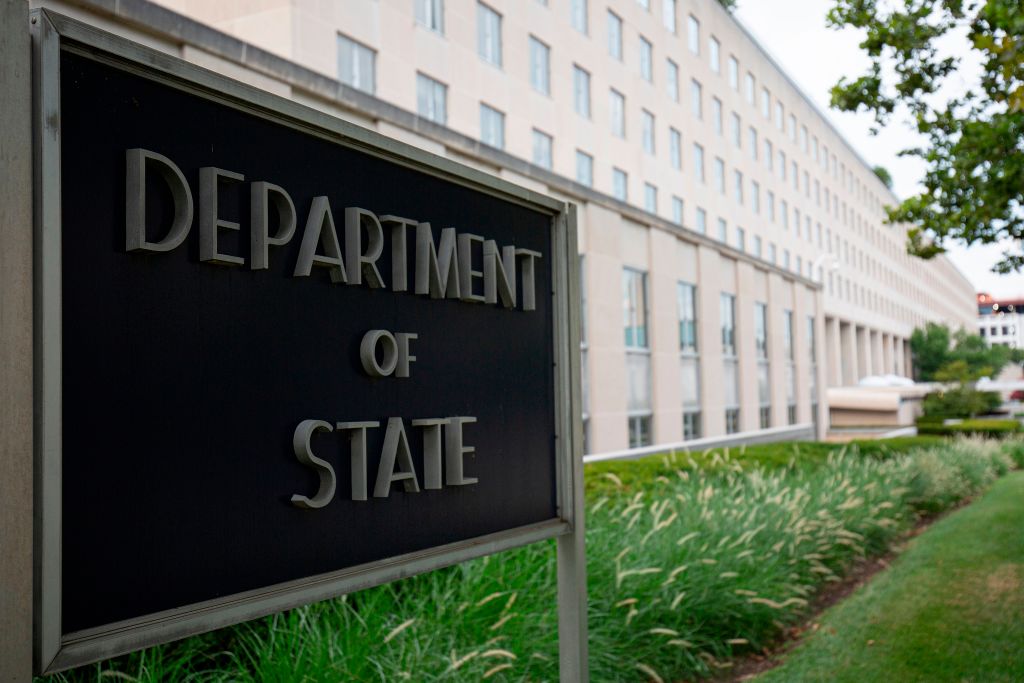
With the fall of the Berlin Wall 30 years ago, ties between Western and Eastern Europe were renewed. In the same period, another wall crumbled — between the Middle East and the former Soviet states. And yet, to this day, U.S. national security institutions continue to view these two regions through a Cold War lens, separating how they are handled. This approach needs to change; integrating research and policy toward the Middle East and the bordering states of the former Soviet Union would improve analytical understanding and help identify new policy options.
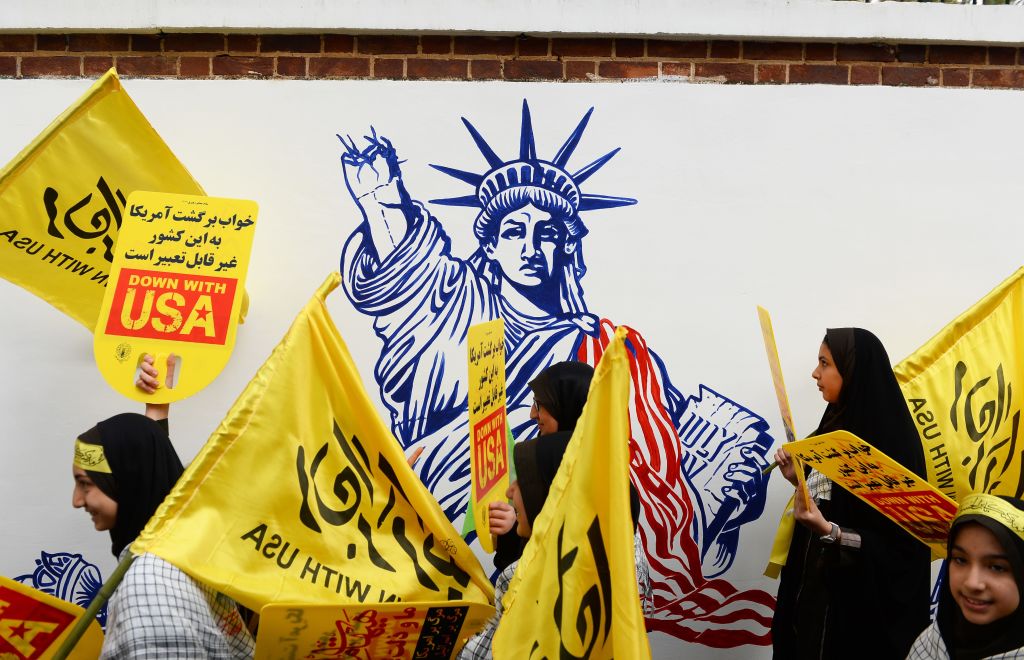
40 years on from the moment that forever changed US-Iranian relations
Taking the American diplomats hostage for 444 days consolidated the Iranian revolution around the Khomeinists, but very few people in Tehran today will deny that it came at the great expense of isolating Iran internationally for the past 40 years.