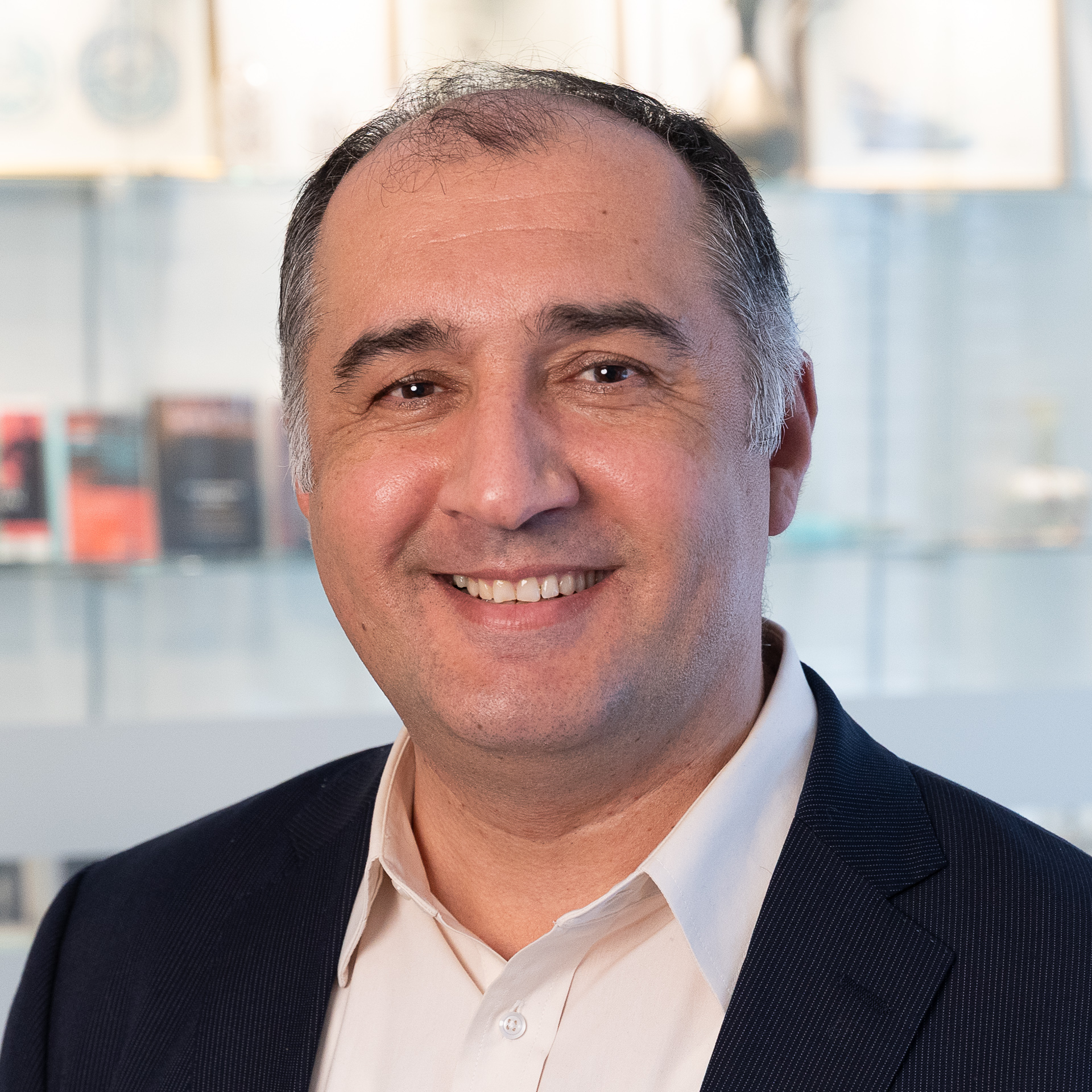
Alex Vatanka is a Senior Fellow at the Middle East Institute. He specializes in Middle Eastern regional security affairs with a particular focus on Iran. He was formerly a Senior Analyst at Jane’s Information Group in London. Alex is also a Senior Fellow in Middle East Studies at the US Air Force Special Operations School (USAFSOS) at Hurlburt Field and teaches as an Adjunct Professor at DISAS at Wright-Patterson Air Force Base. He has testified before the US Congress and lectured widely for both governmental and commercial audiences, including the US Departments of State and Defense, US intelligence agencies, and a list of international corporations.
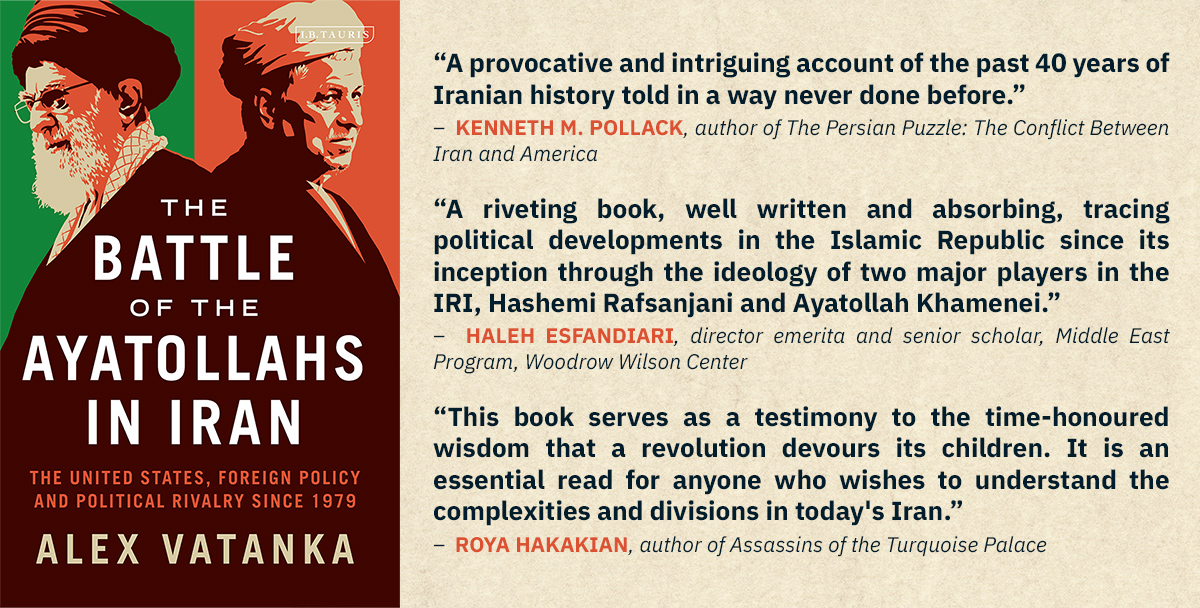
Born in Tehran, he holds a BA in Political Science (Sheffield University, UK), and an MA in International Relations (Essex University, UK), and is fluent in Farsi and Danish. He is the author of two books: The Battle of the Ayatollahs in Iran: The United States, Foreign Policy and Political Rivalry Since 1979 (2021) and Iran and Pakistan: Security, Diplomacy, and American Influence (2015).
He has also written chapters for a number of books, including Authoritarianism Goes Global (2016); Handbook on Contemporary Pakistan (2017); Russia in the Middle East (2018), Winning the Battle, Losing the War: Addressing the Drivers Fueling Armed Non-state Actors and Extremist Groups (2020); Global, Regional and Local Dynamics in the Yemen Crisis (2020); Routledge Handbook of Counterterrorism and Irregular Warfare Operations (2021); and Understanding New Proxy Wars (2022). He is presently working on his third book, Iran’s Arab Strategy: Defending the Homeland or Exporting Khomeinism?
Education
B.A. in Political Science at Sheffield University; M.A. in International Relations at Essex University
Languages
Farsi, Danish
Countries of Expertise
Iran
Issues of Expertise
Iran domestic and foreign affairs, Iranian military and security forces, Iran-US relations, Political Islam in Middle East
Warning about US Attempts to Attack Iran via Cyberspace
Brigadier General Gholam Reza Jalali, the head of Iran’s Civil Defense Organization, warned on January 29 that Tehran’s foreign adversaries are increasingly tapping into “social media and personal smart phones to carry out espionage operations against people.” According to Jalali, the latest smart phone technologies are so sophisticated that unsuspecting citizens in Iran can become collectors of information for foreign intelligence services.
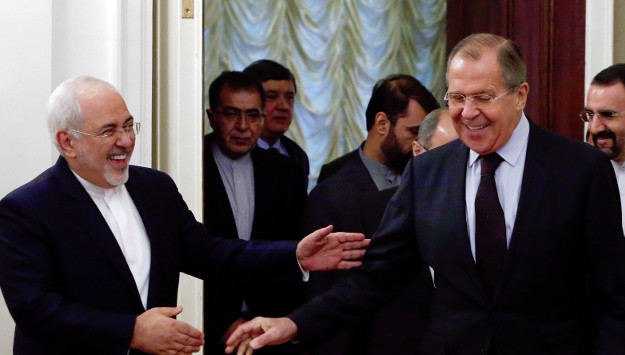
Iranian media quoted Foreign Minister Javad Zarif as stating that Iran and Russia “need to have far more extensive relations” and that “few countries in the world have as deep and historical relations as Iran and Russia.” Zarif’s unusually warm remarks about Russia were delivered on the occasion of 515 years of Iranian-Russian ties. Zarif was quick to point out that closer cooperation between Iran and Russia will be a major stabilizing factor for the future of the Middle East and Central Asia.
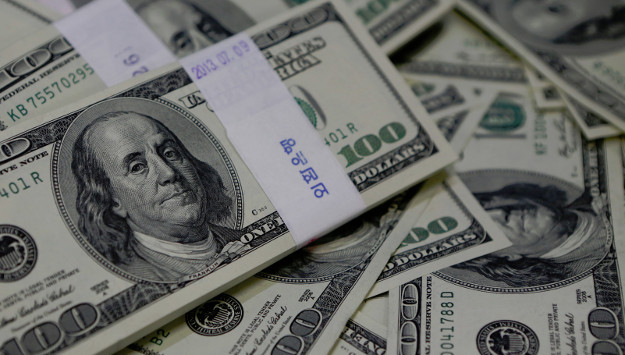
The head of the Iranian Central Bank, Valiollah Seif, has announced that Iran will stop using the American dollar as its currency of choice in its financial and foreign exchange reports from the new Iranian fiscal year that begins in March 2017. According to Iranian press reports, Tehran might opt to use the euro instead.
Top Iran Envoy Meets Khamenei’s Special Representative in Syria
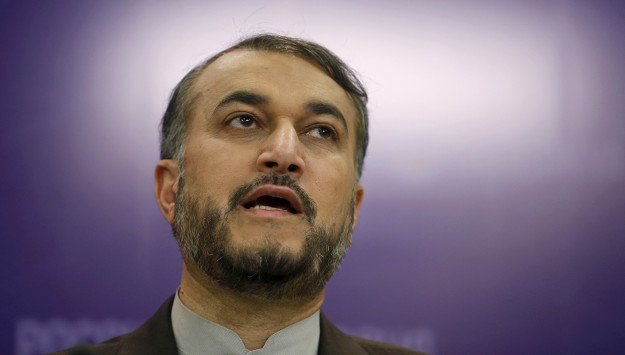
On January 27, Iranian media reported that top Iranian envoy, Hossein Amir Abdollahian, who visited Damascus this week, also met the Iranian supreme leader’s special representative to Syria, Abolfazl Tabatabai Ashkezari. Ashkezari was appointed by the personal decree of Khamenei in March 2016. He has been living in Syria since.
Hezbollah Deputy Leader Expresses Gratitude to Iran and Syria
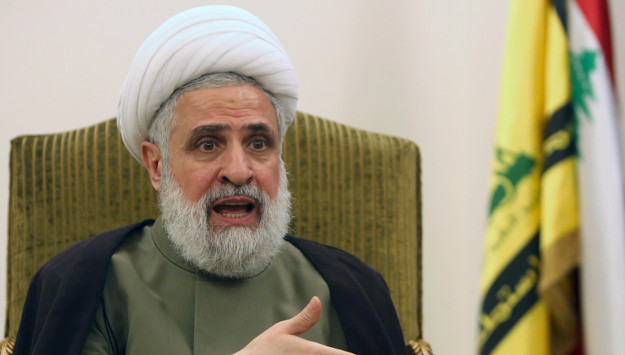
The deputy head of Lebanon’s Hezbollah organization, Naim Qassem, has again come out to remind a skeptical Lebanese population about reasons why the militant group has intervened in the Syrian conflict. According to Qassem, Hezbollah’s approach is “non-interference in the affairs of other countries” but
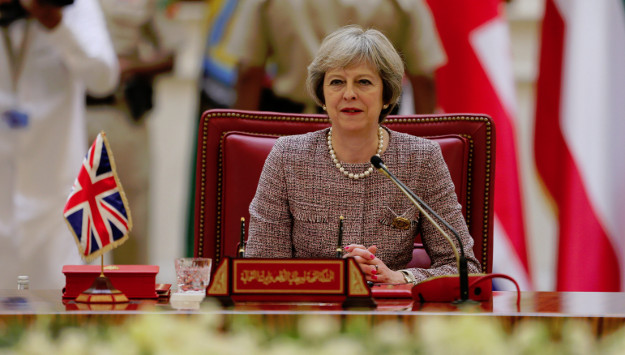
British Prime Minister Theresa May’s reiteration while visiting the United States that Iran’s “malign influence” in the Middle East has to be countered has generated swift angry reaction in Tehran.
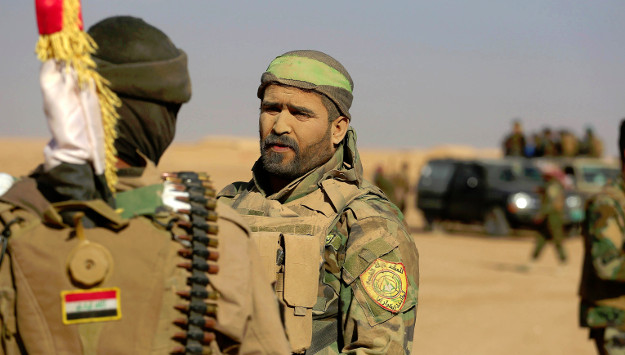
Iranian-state media have been defending Iraj Masjedi, Tehran’s new ambassador to Baghdad. Masjedi is a member of the Qods Force, the external branch of the Islamic Revolution Guards Corps. Al-Alam, the Iranian-sponsored media outlet that is aimed at the Arabic-speaking world, quoted Iraq’s National Security Advisor, Falih al-Fayyad, to say that Masjedi is welcome in Baghdad and that “he is someone [Iraqis] know and appreciate for his past record in Iraq.”
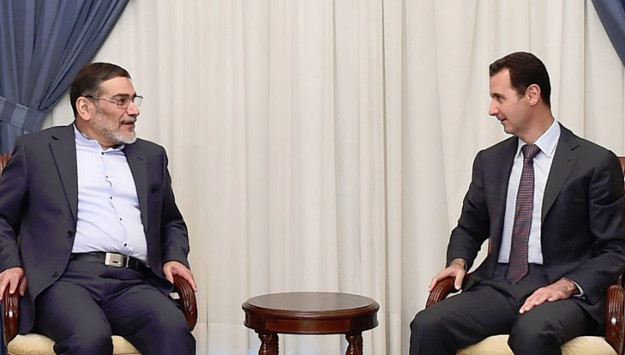
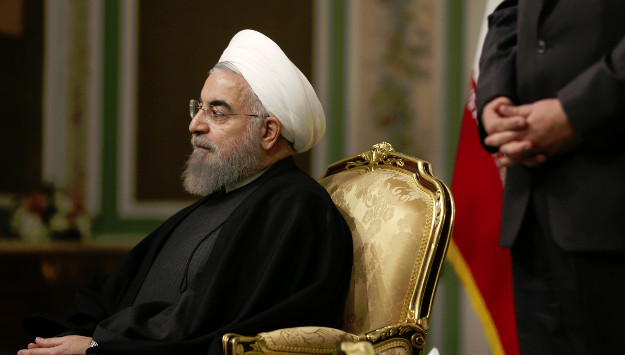
The January 26 meeting between the Syrian President Bashar al-Assad and Hossein Amir Abdollahian is another important sign that Iran’s President Hassan Rouhani has at best very little influence over Iran’s Syria’s policy. The official title of Amir Abdollahian is “Director General of International Affairs” at the Iranian parliament, the Majlis. However, this generic title given to Abdullahian is in no way a true reflection of his power in Tehran and the critical base of support he enjoys.
Despite Controversial Visa Ban, Iranians Still Give Trump a Chance
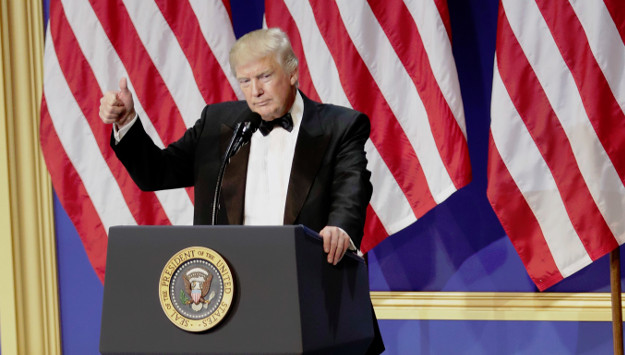
News that President Donald Trump is about to introduce a visa ban on Iranian nationals wanting to travel to the United States has been met by considerable composure in Tehran.
The Mystery of Iran’s “Strategic Depth” Policy in Syria
BBC Persian, an important independent source of news for Iranians inside Iran where media freedoms are restricted, published an article on the sensitive subject of Tehran’s endgame in the Syrian war.
Rouhani’s Brother and Corruption in Iran Government
According to the speaker of the Iranian parliament (Majlis), Ali Larijani, 45 parliamentarians are insisting that President Hassan Rouhani look into the alleged wrongdoings of his younger brother, Hossein Fereidun.
Swedish Prime Minister Reminded of Political Prisoners in Tehran
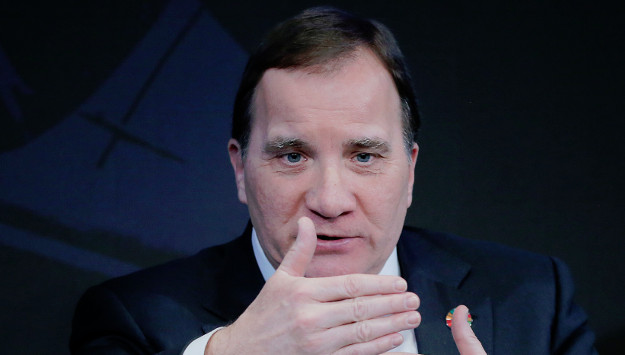
As the Swedish Prime Minister Stefan Lofven prepares for his February 11-12 visit to Tehran he is facing pushback from Iranians that are urging Sweden not to overlook human rights violations while pursuing business interests in that country. A number of open letters have been published by Iranian activists about dire conditions for political prisoners in Iran. It will remain to be seen if Lofven will push the issue while in Tehran.
The Poor of Baluchistan Ignored by Rouhani Minister
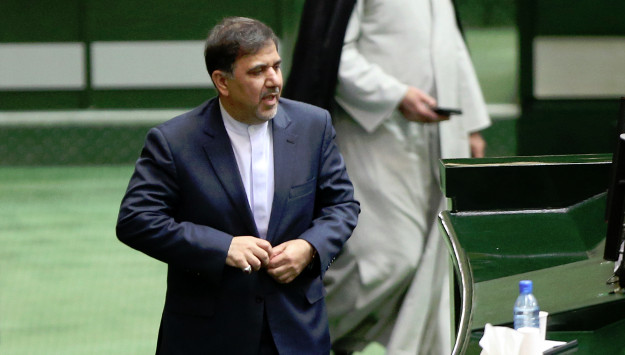
Abbas Akhundi, one of the more controversial ministers in the government of President Hassan Rouhani, has once again come under attack for his performance.
Rafsanjani Had Urged Khamenei to Release Top Political Prisoners
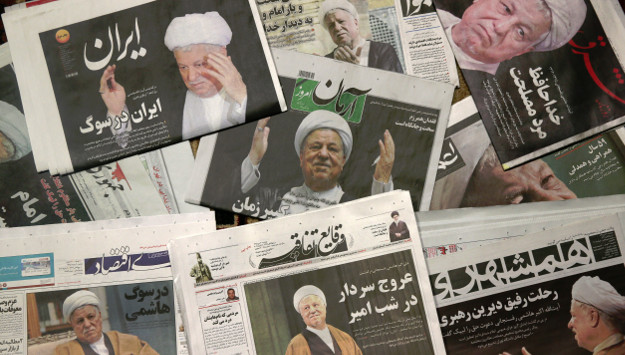
One Iranian opposition-leaning site, Kaleme, has reported that the recently deceased Ayatollah Akbar Hashemi Rafsanjani had strongly urged Iran’s Supreme Leader Ayatollah Ali Khamenei to release Mir-Hossein Mousavi and Mehdi Karroubi from house arrest. “These are elderly people and if anything happens to them [while under house arrest] then the regime is responsible,” Rafsanjani is quoted to have said to Khamenei.