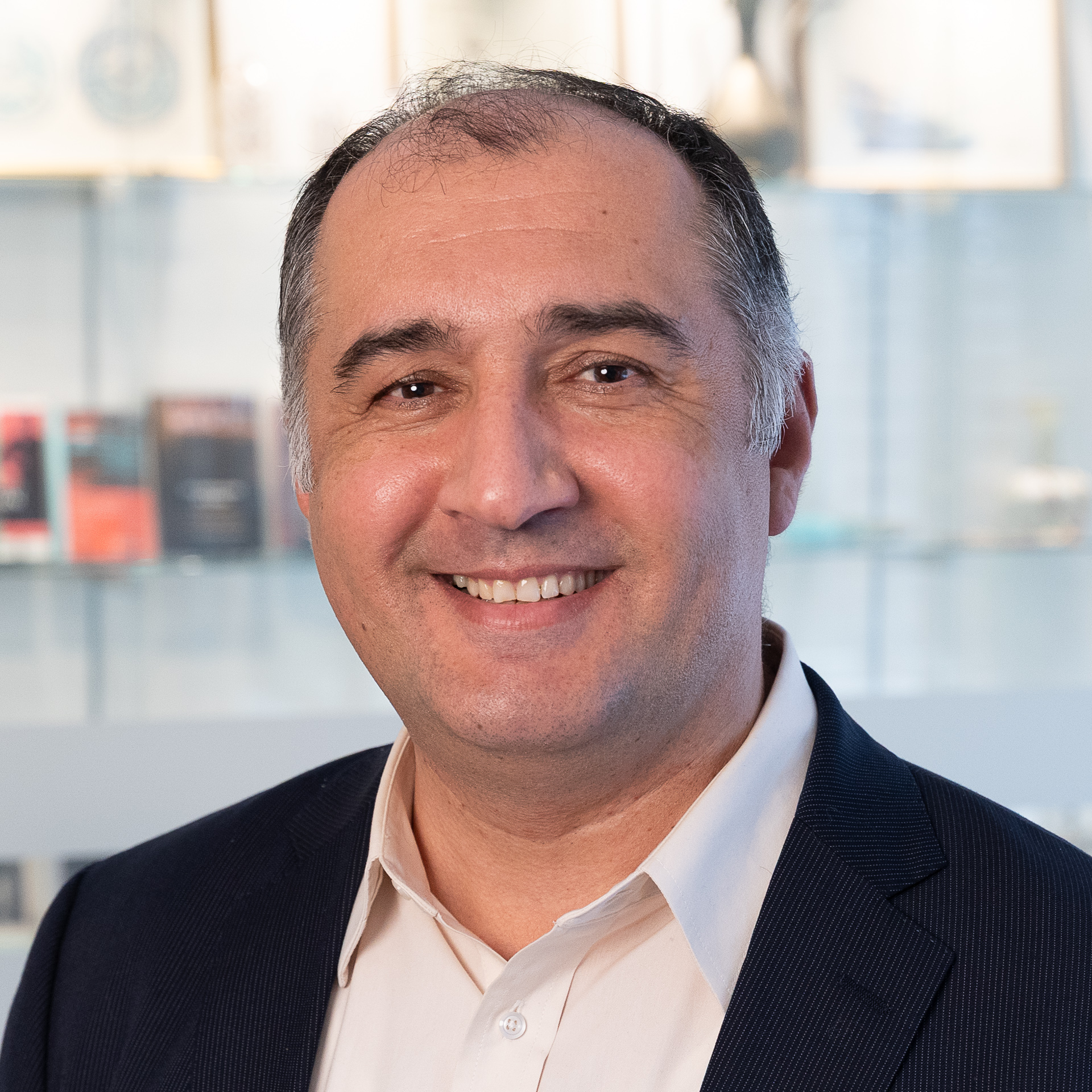
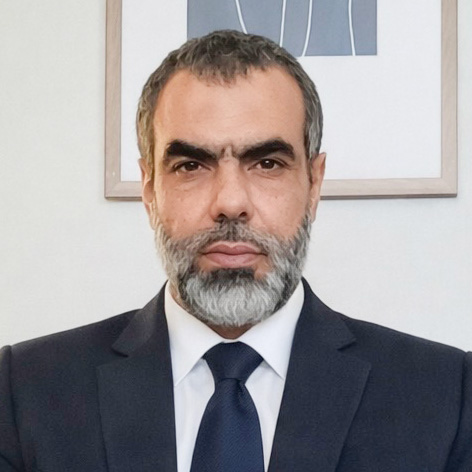
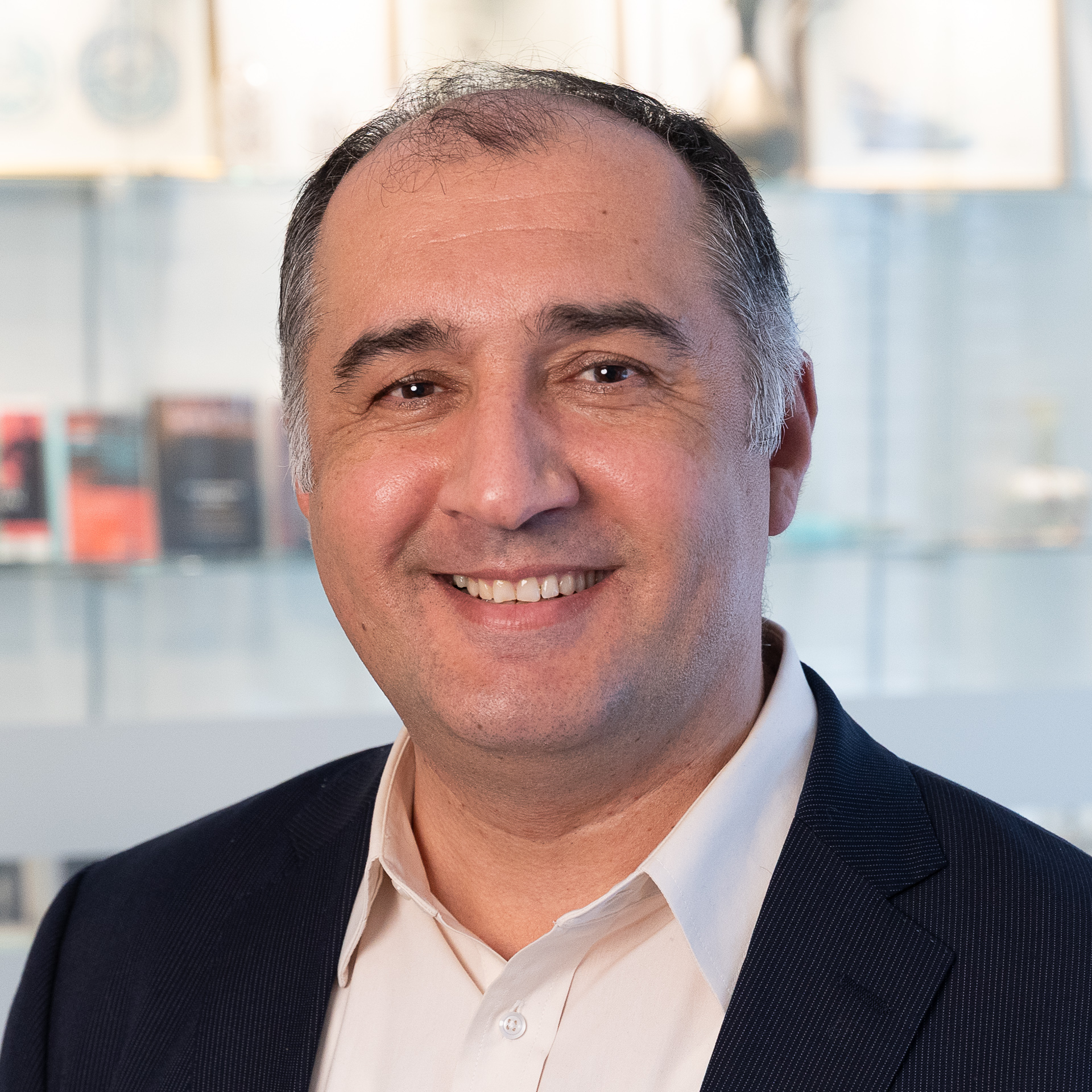
Alex Vatanka is a Senior Fellow at the Middle East Institute. He specializes in Middle Eastern regional security affairs with a particular focus on Iran. He was formerly a Senior Analyst at Jane’s Information Group in London. Alex is also a Senior Fellow in Middle East Studies at the US Air Force Special Operations School (USAFSOS) at Hurlburt Field and teaches as an Adjunct Professor at DISAS at Wright-Patterson Air Force Base. He has testified before the US Congress and lectured widely for both governmental and commercial audiences, including the US Departments of State and Defense, US intelligence agencies, and a list of international corporations.
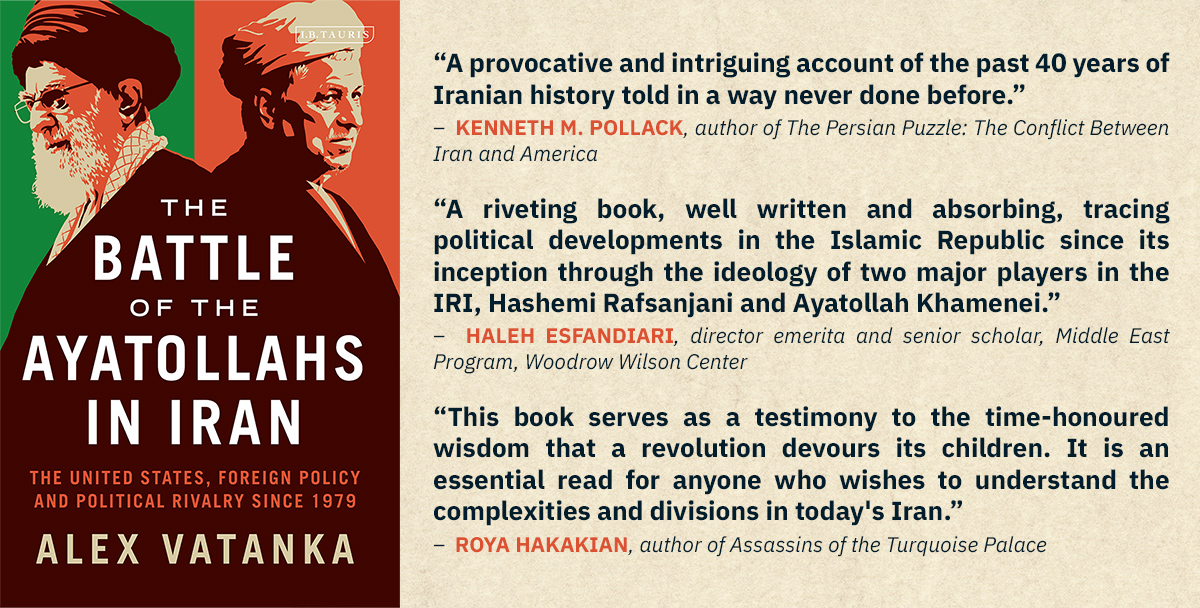
Born in Tehran, he holds a BA in Political Science (Sheffield University, UK), and an MA in International Relations (Essex University, UK), and is fluent in Farsi and Danish. He is the author of two books: The Battle of the Ayatollahs in Iran: The United States, Foreign Policy and Political Rivalry Since 1979 (2021) and Iran and Pakistan: Security, Diplomacy, and American Influence (2015).
He has also written chapters for a number of books, including Authoritarianism Goes Global (2016); Handbook on Contemporary Pakistan (2017); Russia in the Middle East (2018), Winning the Battle, Losing the War: Addressing the Drivers Fueling Armed Non-state Actors and Extremist Groups (2020); Global, Regional and Local Dynamics in the Yemen Crisis (2020); Routledge Handbook of Counterterrorism and Irregular Warfare Operations (2021); and Understanding New Proxy Wars (2022). He is presently working on his third book, Iran’s Arab Strategy: Defending the Homeland or Exporting Khomeinism?
Education
B.A. in Political Science at Sheffield University; M.A. in International Relations at Essex University
Languages
Farsi, Danish
Countries of Expertise
Iran
Issues of Expertise
Iran domestic and foreign affairs, Iranian military and security forces, Iran-US relations, Political Islam in Middle East
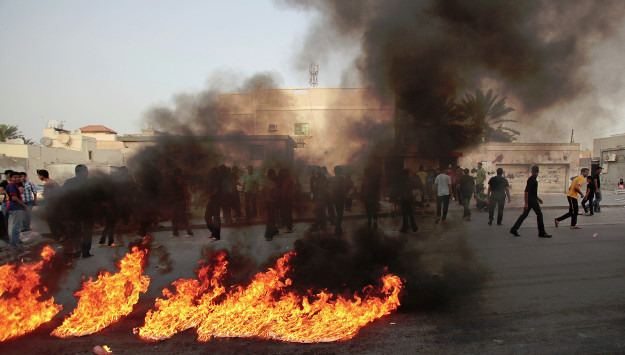
The leadership of the Islamic Republic of Iran is publicly committed to good relations with Bahrain. And yet Tehran’s campaign to undermine the ruling authorities in Manama continues unabated. The latest incendiary reactions from Tehran came in response to the January 15 executions in Bahrain of three men who had been convicted of killing three police officers in 2014.
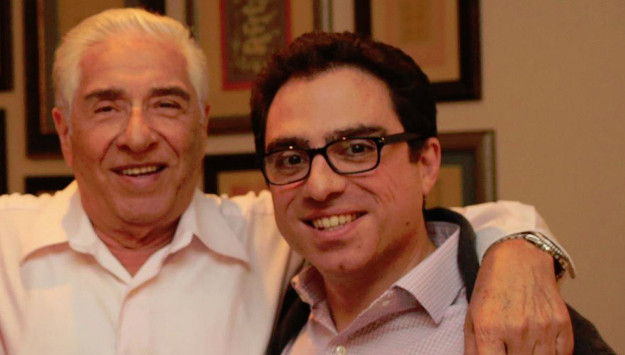
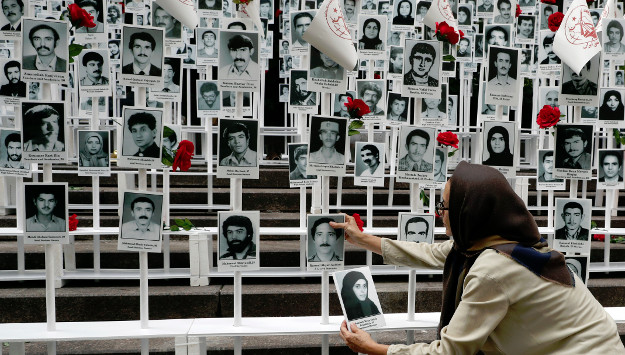
The existence of political prisoners in Iran is hardly a new phenomenon but it is a topic that is proving increasingly damning for Tehran. In particular, it is the media in the large Iranian diaspora, which has been at the forefront in recent weeks to highlight the individual cases of political prisoners that have opted to go on hunger strike in order to bring attention to their cases.
A top Iranian diplomat and the deputy foreign minister for European and American affairs, Majid Takht-Ravanchi, stated on January 12 that Iran will not under any circumstances “renegotiate” the Joint Comprehensive Plan of Action (JCPOA) that was reached between Iran and world powers in July 2015.
In Iran, 40 Former Political Prisoners Ask for “National Reconciliation”
In an open letter, 40 formerly imprisoned political activists affiliated with the Green opposition movement have asked the Iranian authorities to reconsider their policies. The signatories of the letter urged the authorities to utilize the recent passing of Ayatollah Akbar Hashemi Rafsanjani as “an opportunity for dialogue and national reconciliation.”
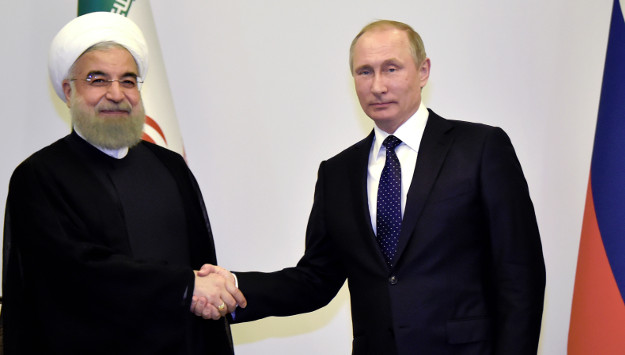
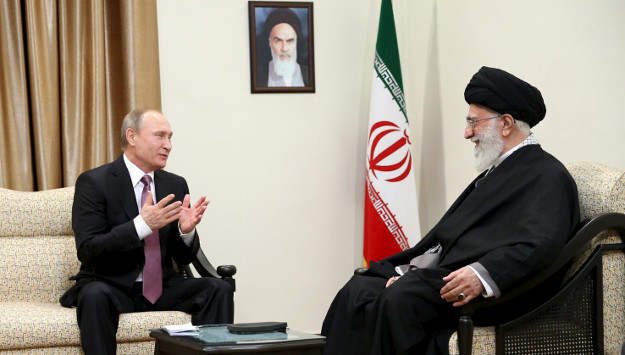
The question about whether Iran and Russia can sustain the recent elevation in relations is hotly debated in Tehran. This urgency is brought about as the Iranians and the Russians are pushing ahead to see if they can coordinate their policies on the question of a political settlement for the Syrian war that will satisfy both Moscow and also Tehran’s objectives.
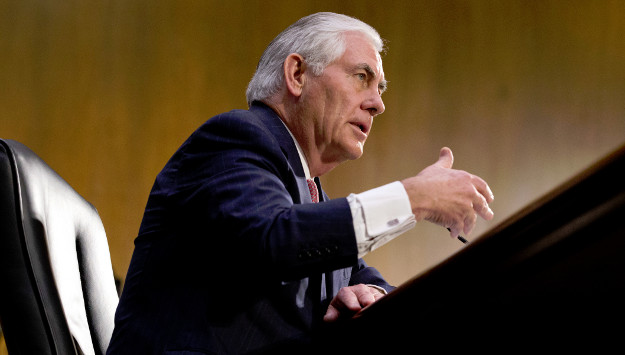
The confirmation hearing of the man slated to be the next US Secretary of State, Rex Tillerson, has received a mixed review in Iran. On the one hand, Tillerson’s remarks on Iran were hardly encouraging to Iranian ears.
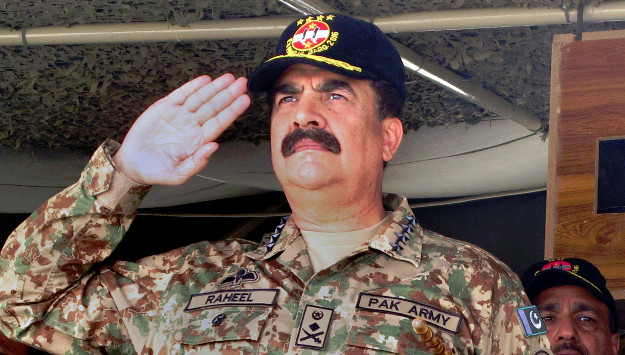
The recent announcement by Saudi Arabia that the retired Pakistani General Raheel Sharif will head a 39-member anti-terrorism coalition made of Muslim states is a matter of much concern in Tehran. Iran, which was not invited to join the coalition, regards the Saudi initiative as a regional project aimed to contain its influence.
Kayhan, a leading newspaper that represents the most hardline of voices inside the Iranian regime, has been raising doubts about Turkish intentions in the Syrian conflict. The reservations the paper expressed come shortly after the late December 2016 Turkish-Russian-Iranian ceasefire deal aimed to kick-start the political process to find a solution to the six-year Syrian war.
The representative of Iran’s Supreme Leader on Hajj [pilgrimage] affairs has announced that Tehran will shortly dispatch a delegation to Saudi Arabia. This latest development has come about following Iran’s decision not send any pilgrims to Saudi Arabia in 2016. Riyadh had earlier sent an invitation to Iran for talks to be held to resolve differences that exist in this context.
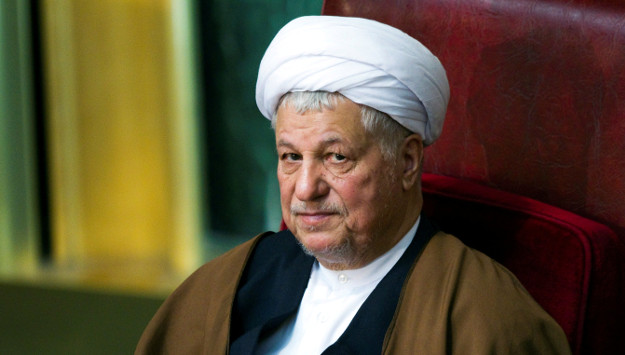
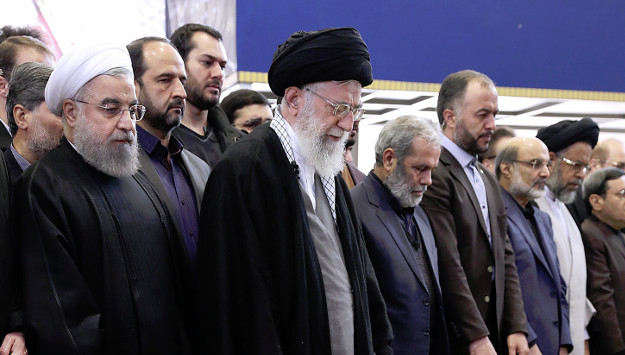
The death of Ayatollah Ali Akbar Hashemi Rafsanjani on January 8 marks a major turning point for Iran. For nearly 40 years, his undisguised hunger for power combined with his knack for deal making had made him the most proven kingmaker of the Islamic Republic.
During the January 10 mass rallies of the funeral of former president Ali Akbar Hashemi Rafsanjani, crowds in Tehran repeatedly chanted “Death to Russia” and “Russian Embassy is the den of spies.” Those chanting are supporters of the popular political opposition, which continue to be repressed by the security services.
The generals of the Islamic Revolution Guards Corps (IRGC) have been busy mourning the death of Ayatollah Ali Akbar Hashemi Rafsanjani. That is at least the public show they have put on. Since his death, several top IRGC commanders have hailed Rafsanjani as a pillar of the Islamic Republic and a hero in the so-called struggle against Western powers. Such public show of grief, however, is hardly convincing. In recent weeks prior to his death, IRGC-run media and personalities had unleashed a barrage of new attacks against Rafsanjani.
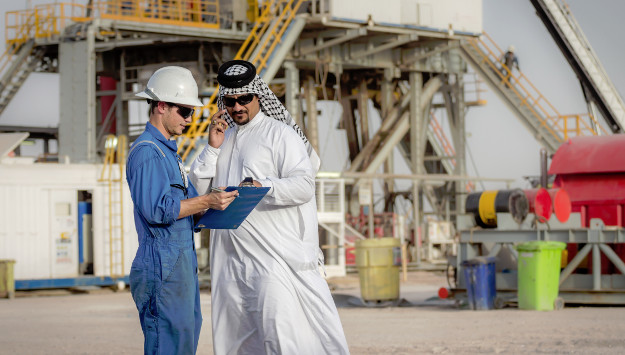
Iran’s Oil Ministry has announced that two new energy contracts have been signed with Iraq. In particular, Tehran is looking to export natural gas to Iraq. Energy is only part of the equation.
“There will be no peace in Afghanistan without Iran.” This was a remark a top Iranian diplomat made last week in an expansive interview with the country’s media.