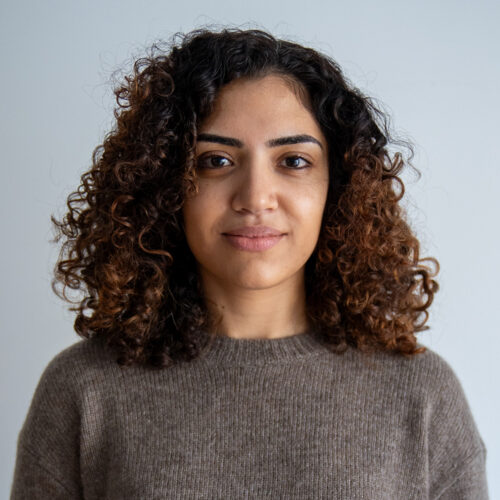
This individual is a guest contributor. MEI is not able to assist with contact requests.
Attiya Ahmad is Georgetown University’s 2009-10 Center for International and Regional Studies Post-Doctoral Fellow. She recently completed her PhD in Cultural Anthropology at Duke University. Dr. Ahmad’s work brings together scholarship on Islamic studies, globalization, diaspora and migration studies, economic anthropology, and political economy.
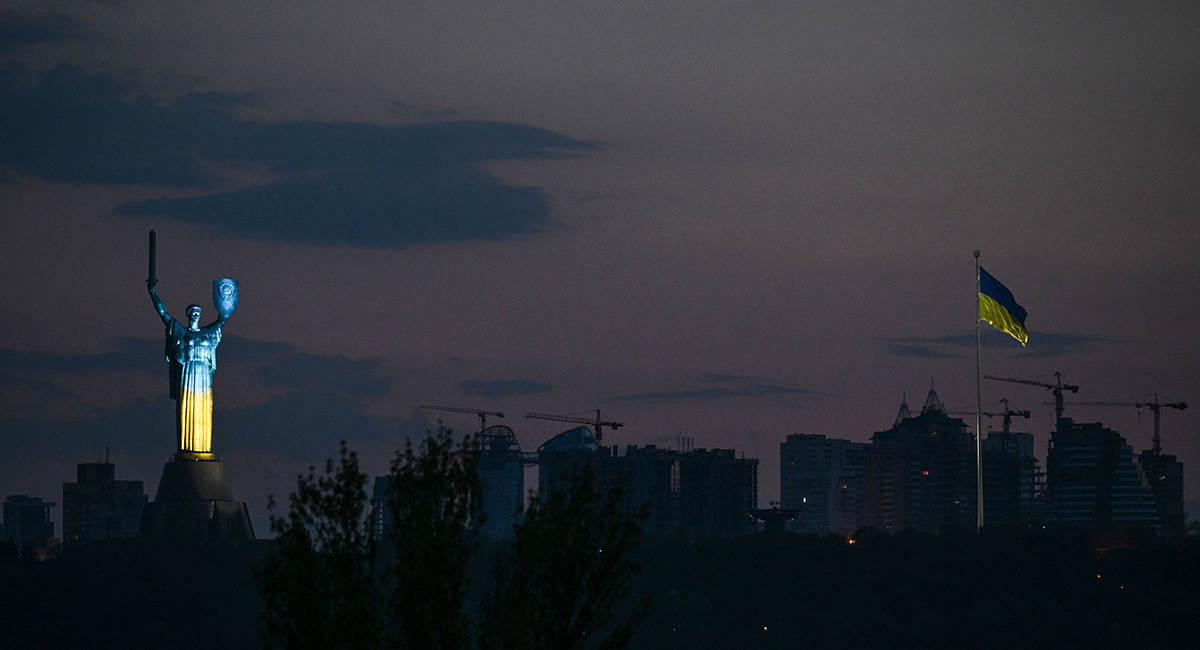
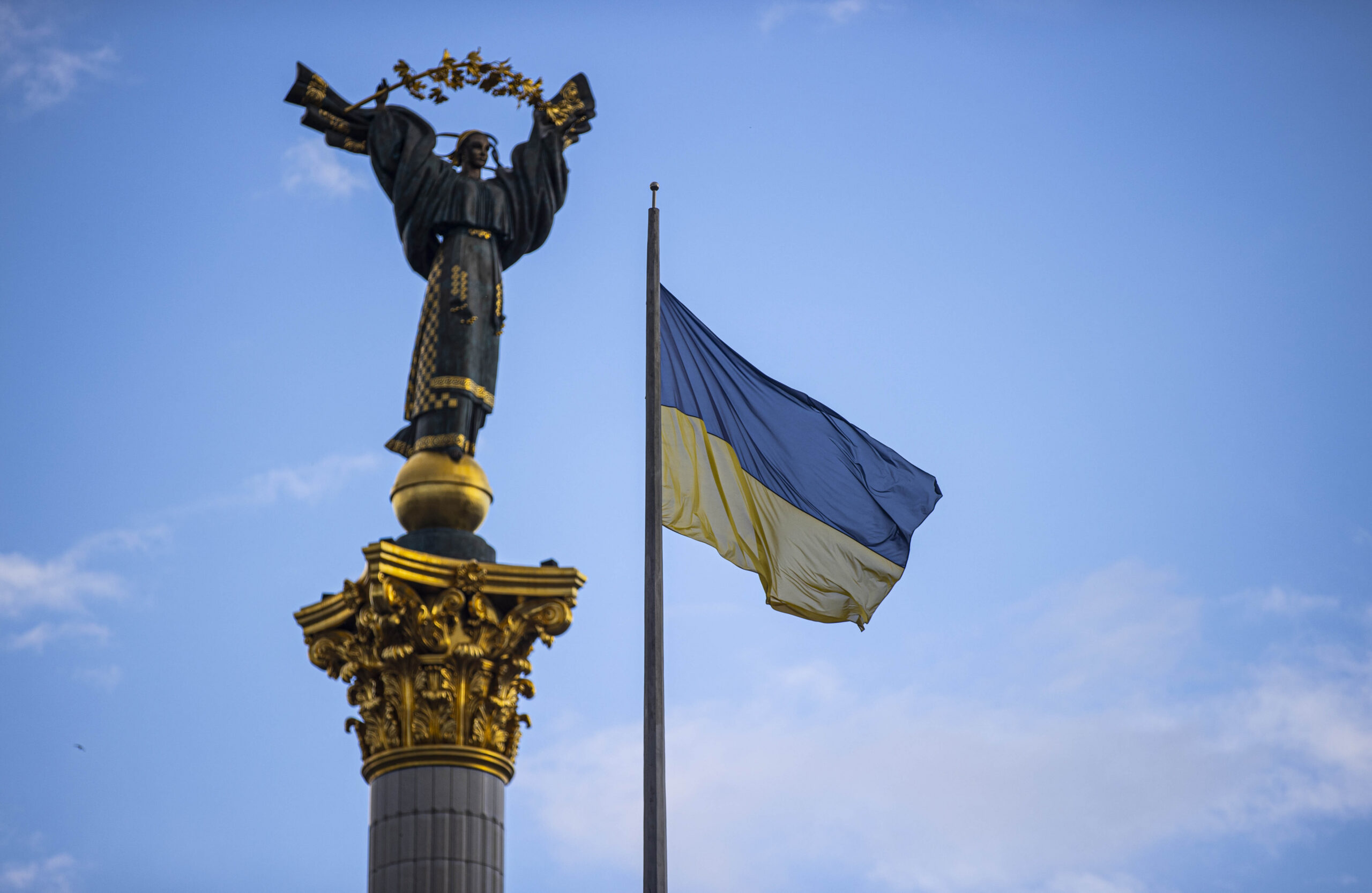
Today marks the one-year anniversary of the war in Ukraine — a war of choice by Russian President Vladimir Putin. Russia has failed on the strategic, operational, and tactical levels. The Ukrainians have defied the odds. No one will likely underestimate them again, including Russia.
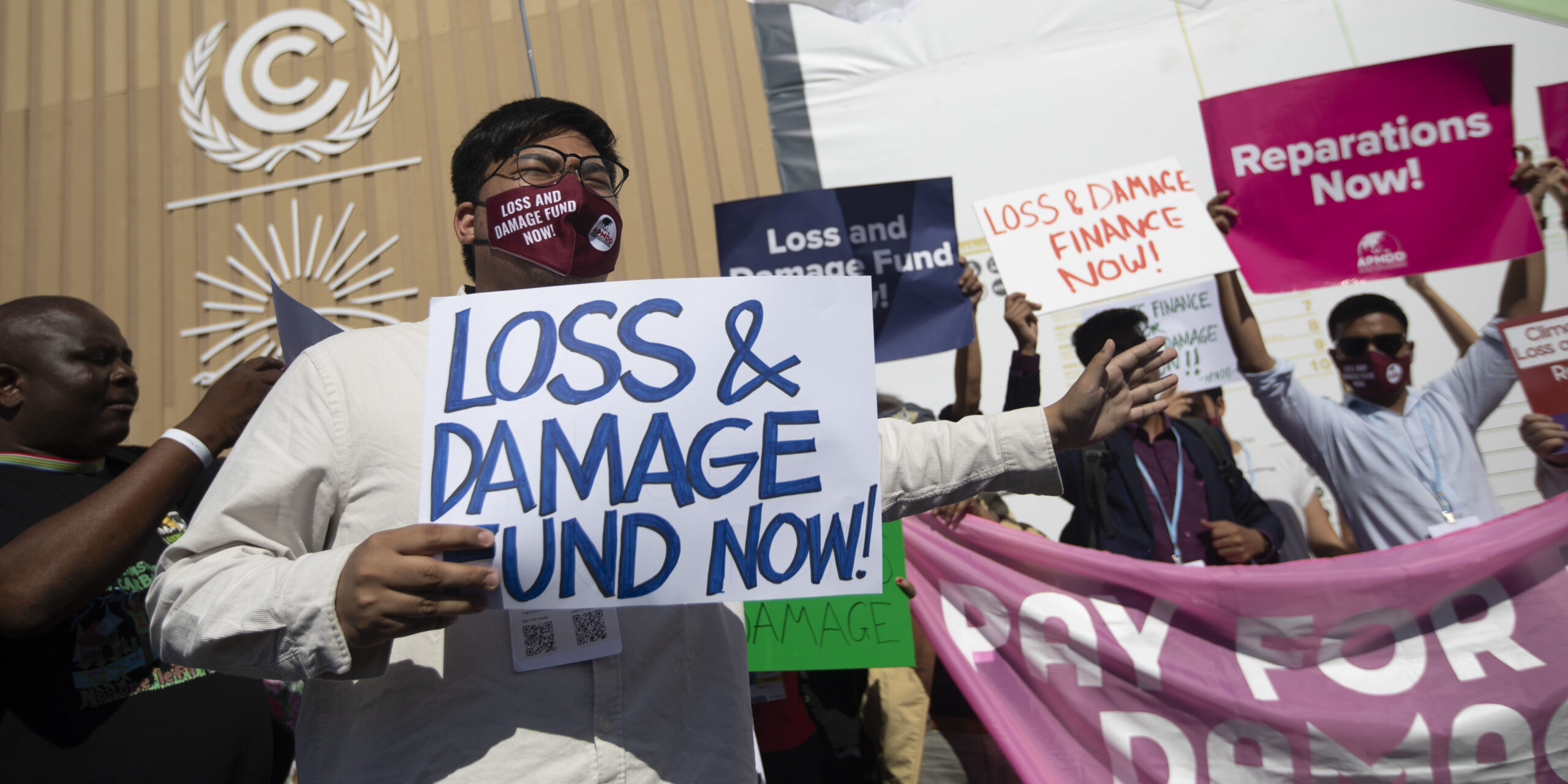
The intricacies of climate finance in the MENA region: Challenges and the way forward
Given the risks associated with climate change in the MENA region, there is a pressing need to provide sustainable financing resources for climate adaptation and mitigation
Russia's Influence in MENA After a Year of War in Ukraine
MEI Managing Editor Matthew Czekaj speaks with scholars Iulia-Sabina Joja, Alex Vatanka, Yörük Işık, Charles Lister, and Roger Kangas on Russia’s current standing in the Middle East a year since re-invading Ukraine.
How has Russian aggression in Ukraine redrawn Moscow’s relationships in the MENA region? And as the Middle East increasingly becomes a key area of global great power competition, is Russia still a meaningful player there, politically, economically, militarily, and diplomatically?
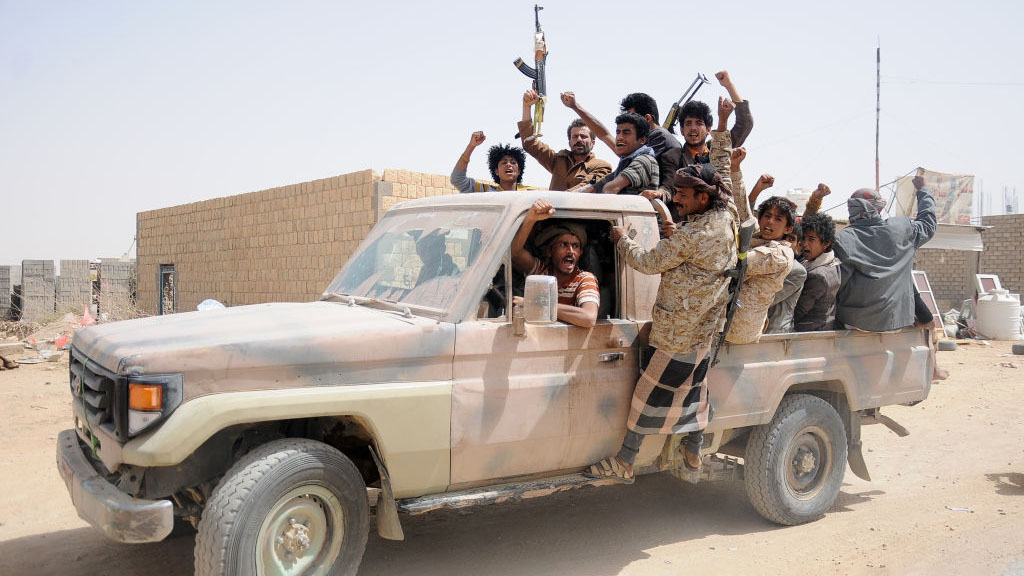
The dilemma of public sector salary payments in Yemen
Amid international efforts to resurrect the fragile peace in Yemen, the Iran-backed Houthi militia is imposing stringent conditions for their return to the negotiating table, demanding that state payments of civil servant salaries also go to their militia members and loyalists through direct deposits, which would bolster both their forces and their transnational allies. While the need to compensate Yemeni civil servants is undeniable, the Houthis’ self-serving demands threaten to undermine any progress toward a lasting peace.
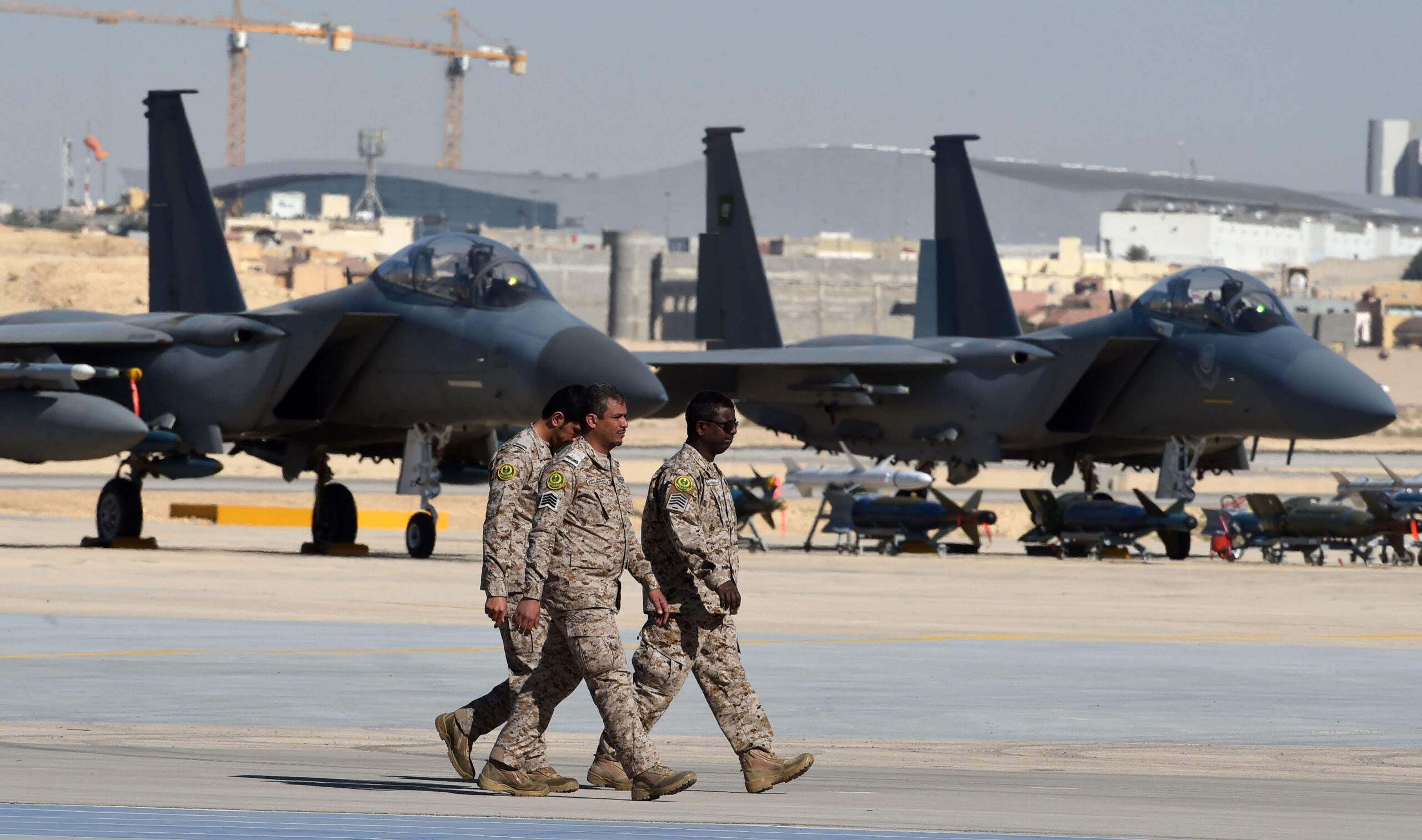
Challenges of mechanized and combined arms warfare: Lessons for Ukraine from Syria and Iraq
The difficulty of quickly providing mechanized and armored equipment to Ukraine, training Ukraine to employ this equipment in combined arms operations, and ensuring Ukraine can maintain and sustain combat power should not be underestimated. As the examples of Turkey’s 2016 military operation in Syria and the U.S. operation in Fallujah in 2004 illustrate, dislodging Russia from its prepared defensive positions will be a daunting task for the Ukrainian Armed Forces.
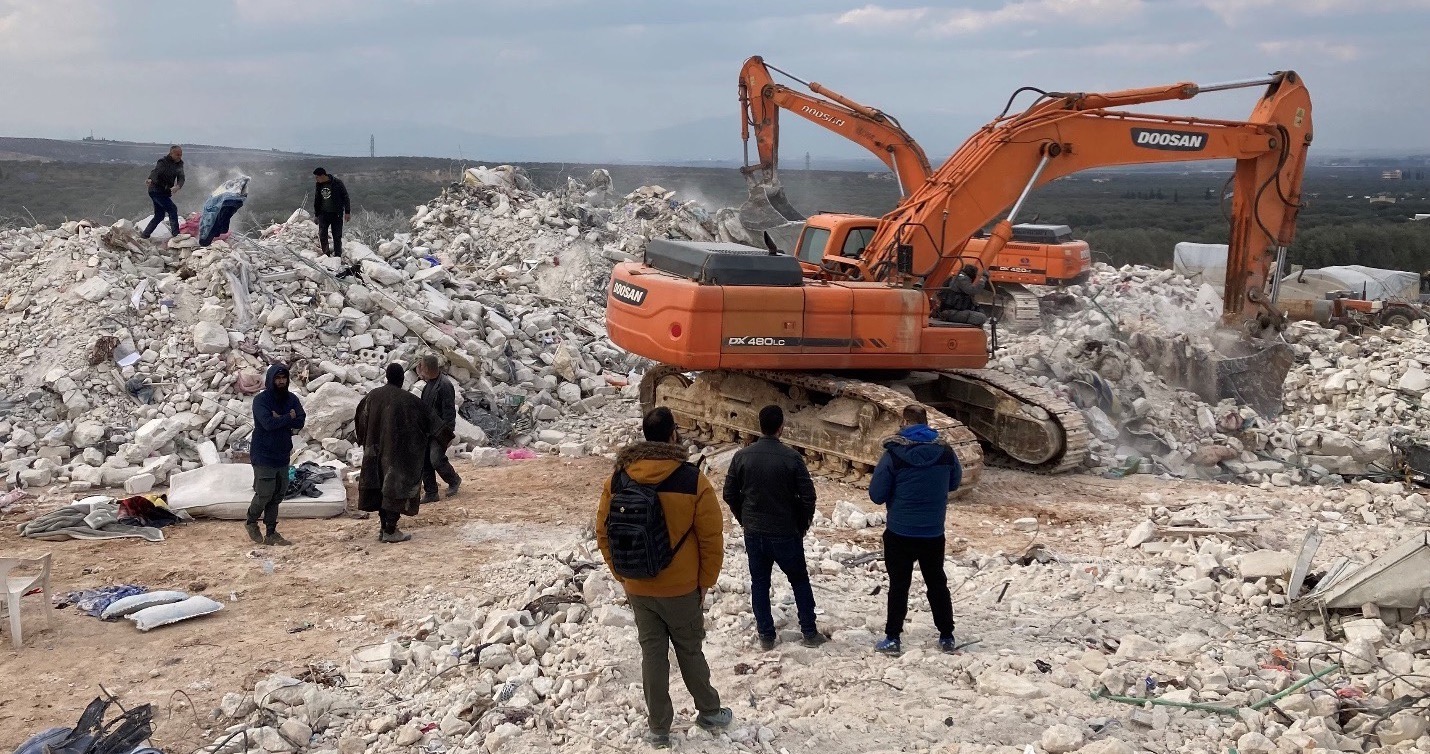
“Idlib is under siege” — this is the common sentiment shared with me by both local leaders and residents alike. The dual earthquakes on Feb. 6 not only rocked the physical foundations of the cities in Syria’s last opposition-held region, it cracked the social foundation of trust Syrians had with the international aid community.
MEI's Arts and Culture Center joins DESIGNEAST in Dubai
MEI’s Arts and Culture Center joins DesignEast at Alserkal Avenue in Dubai
DesignEast is a new platform launching in Dubai during Alserkal Art Week from 26 February to 5 March, 2023 focused on providing opportunities for emerging designers from the Middle East, South East Asia and China. MEI’s Arts and Culture Center director Lyne Sneige speaks to founder and creative director Rue Kotharie about their opening show ‘(Un)common Threads’ and two of the participating artists Ghizlane Sahli (Morocco) and Nour Hage (UAE/UK).
As great power competition in the Middle East heats up, polling data shows a complex picture of popular attitudes
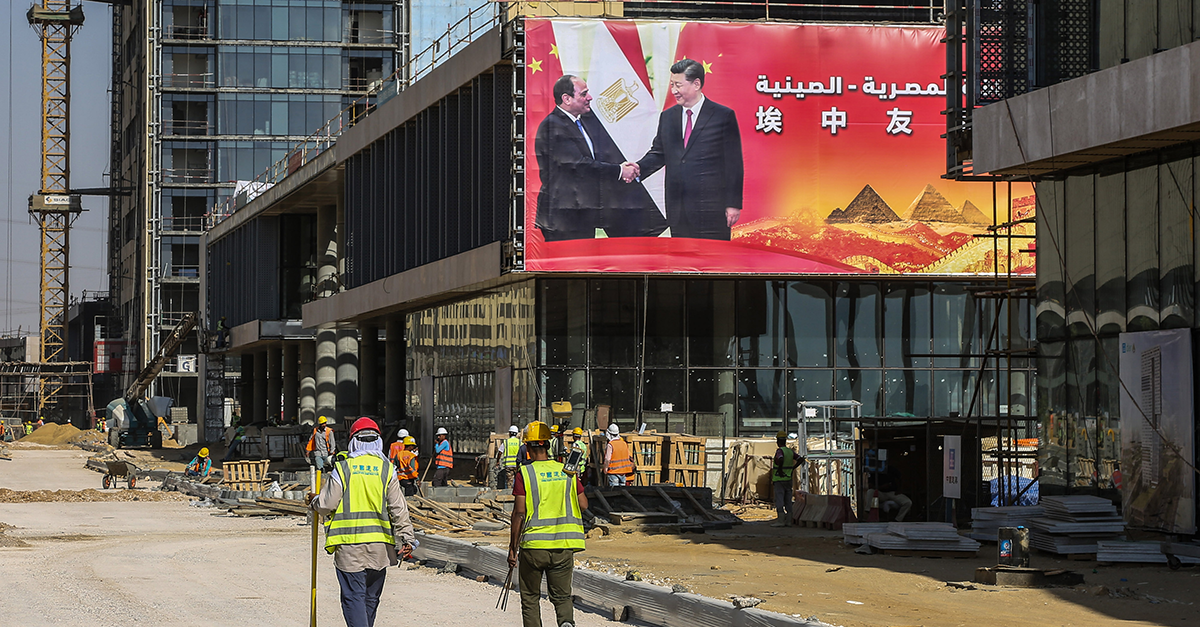
The Middle East and North Africa is one of the epicenters for what the U.S. has termed “great power competition” especially between the U.S. and China, although Russia also figures into the assessment. There is particular sensitivity to China’s perceived economic inroads into the region as it has surged to become its largest economic partner. Based on Arab Barometer’s Wave 7 raw favorability numbers, China’s increased presence in the region appears to have paid dividends in terms of its popular standing, especially in North Africa.
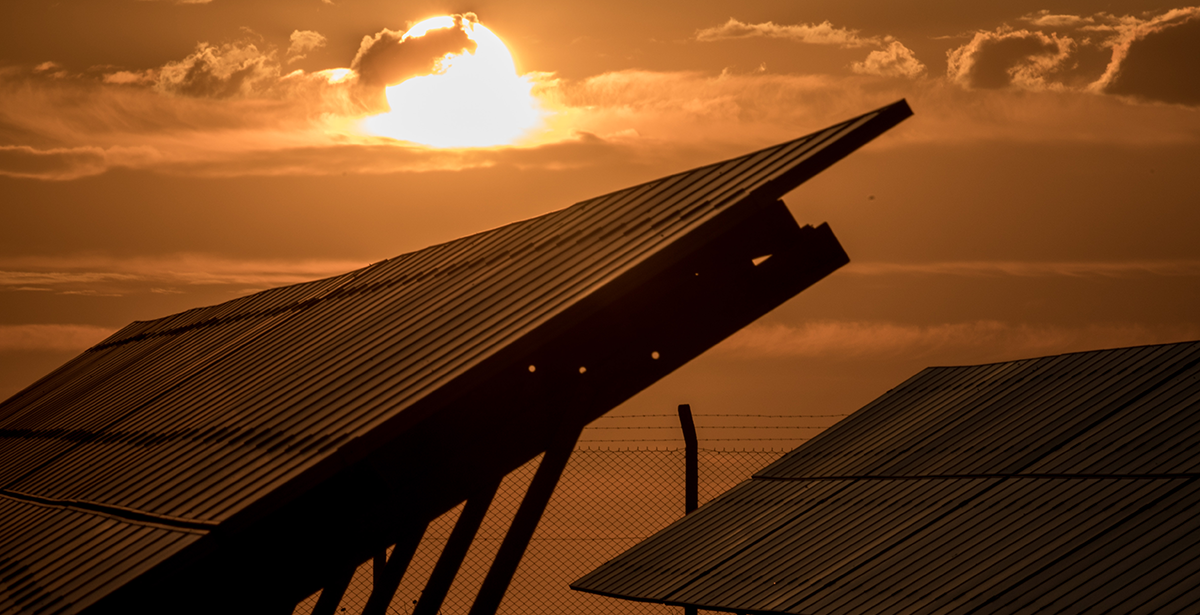
Iraq needs renewables, but they won’t solve its power problems without broader reforms
Despite massive hydrocarbon reserves, Iraq struggles with chronic electricity shortages. There is a clear need to explore cleaner alternatives, such as renewable energy systems, yet the deployment and integration of these systems would be hindered by the same structural woes that have crippled the electricity sector, and which go far beyond generation issues.
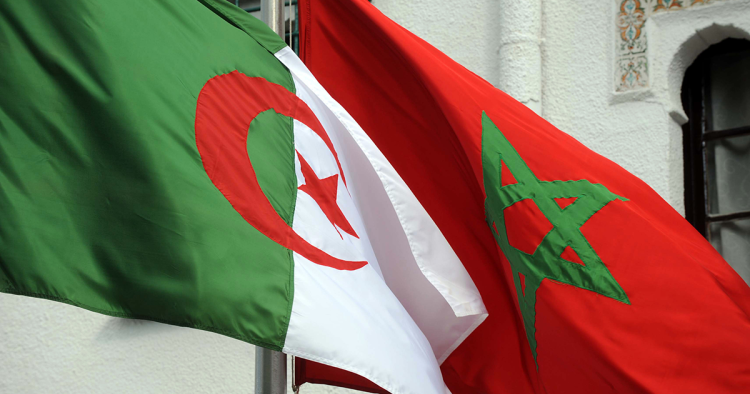
Algeria, Morocco and Western Sahara: Why Tension, Not Conflict, Has Become the Norm
During an interview on 29 December with the French daily Le Figaro, Algerian President Abdelmadjid Tebboune declared that his country had cut ties with Morocco in the summer of 2021 to “avoid war.”[i] Tebboune’s comments reflected just how far relations had deteriorated, and that avoiding conflict required a strong response. Hence, the diplomatic break of August 2021. What has resulted in this bilateral nadir?