This individual is a guest contributor. MEI is not able to assist with contact requests.
Attiya Ahmad is Georgetown University’s 2009-10 Center for International and Regional Studies Post-Doctoral Fellow. She recently completed her PhD in Cultural Anthropology at Duke University. Dr. Ahmad’s work brings together scholarship on Islamic studies, globalization, diaspora and migration studies, economic anthropology, and political economy.
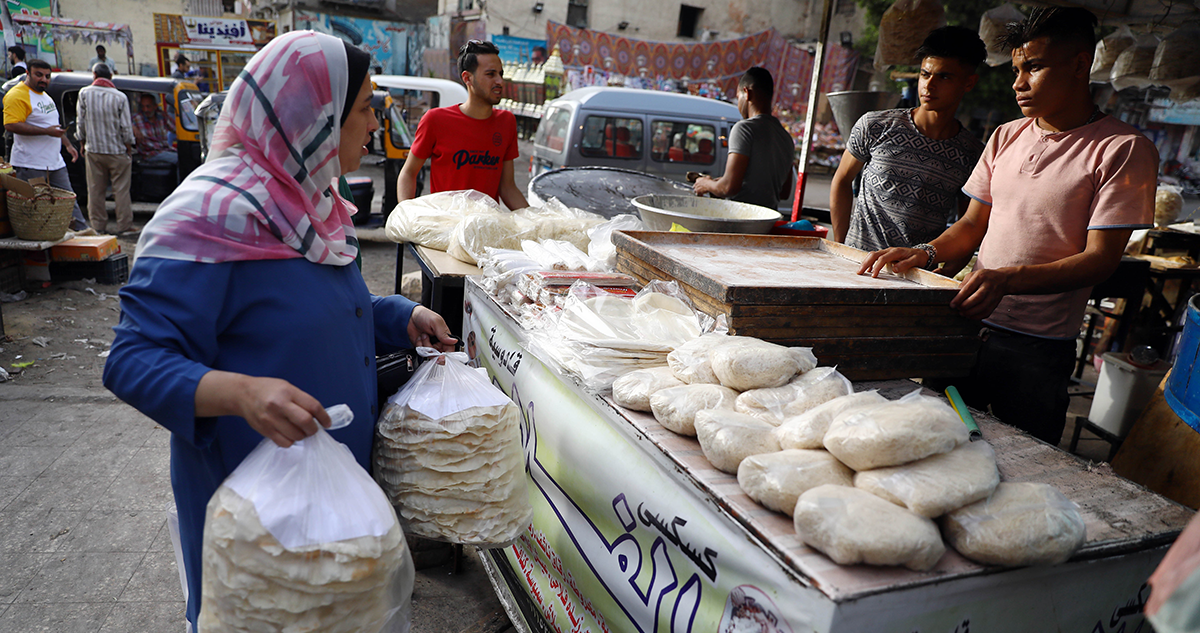
A sharp rise in inflation forces Egyptians to cut expenses
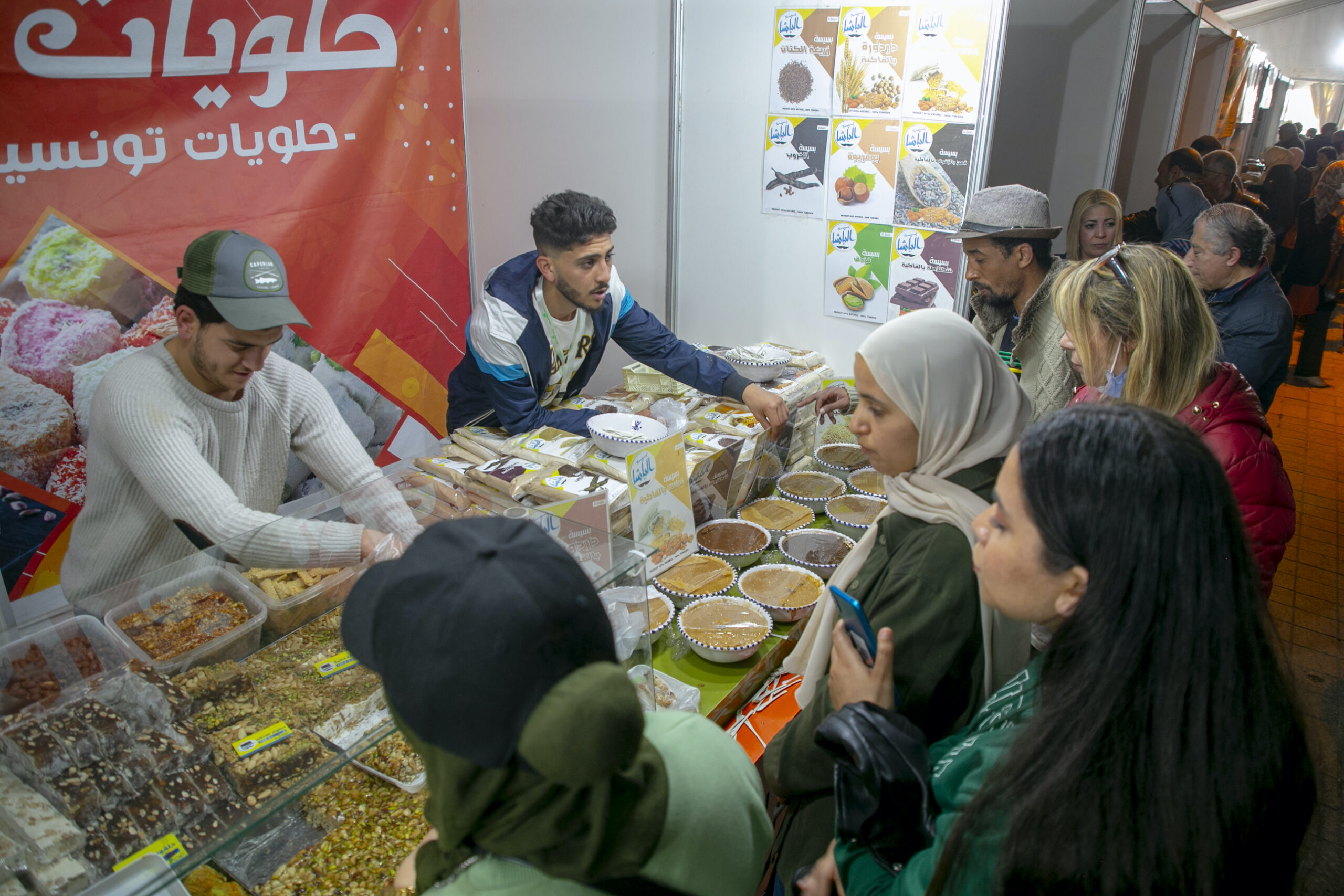
While the holy month of Ramadan is known for increased food consumption in Egypt and other Muslim-majority countries, Elham Mohamed, 40, a government employee, said it was very difficult for her just to make ends meet this year. “I had to give up many of the items I usually buy during Ramadan,” she said. “Prices have gone crazy. Even the basics, such as bread, rice, sugar, flour, eggs, and cooking oil, have all gone up,” she added.
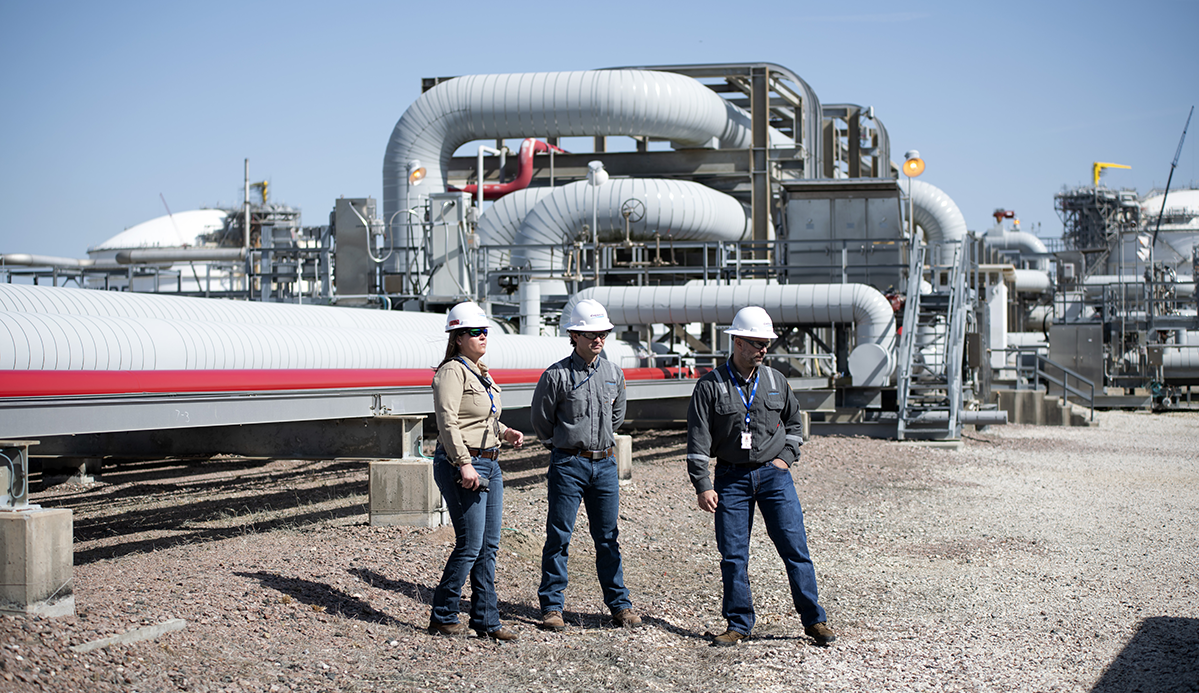
The Biden administration promises US LNG for Europe. How does that work?
On March 25, 2022, President Joe Biden announced an agreement committing the U.S. LNG industry to supply an additional 15 bcm of LNG to Europe through the remainder of the year. The agreement also envisions U.S. LNG increasing supply to Europe to 50 bcm through 2030, equating to approximately one-third of the EU’s gas imports from Russia in 2021.
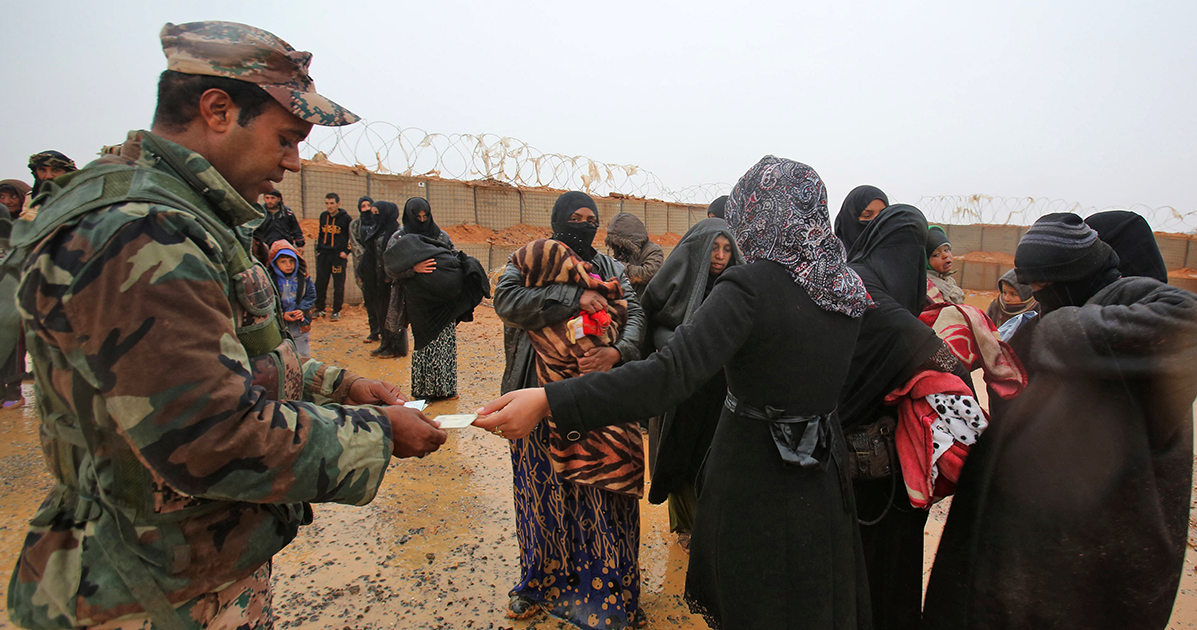
Last month, members of Congress called on the Biden administration to address the eight-year-long humanitarian crisis at Rukban, a desolate informal displacement camp in the eastern Syria desert, just miles from the U.S.-led coalition base at the al-Tanf garrison (ATG). Since 2015, Syria, Jordan, Russia, and the United States have refrained from claiming responsibility for the camp, resulting in a protracted period of inaction with severe humanitarian consequences.
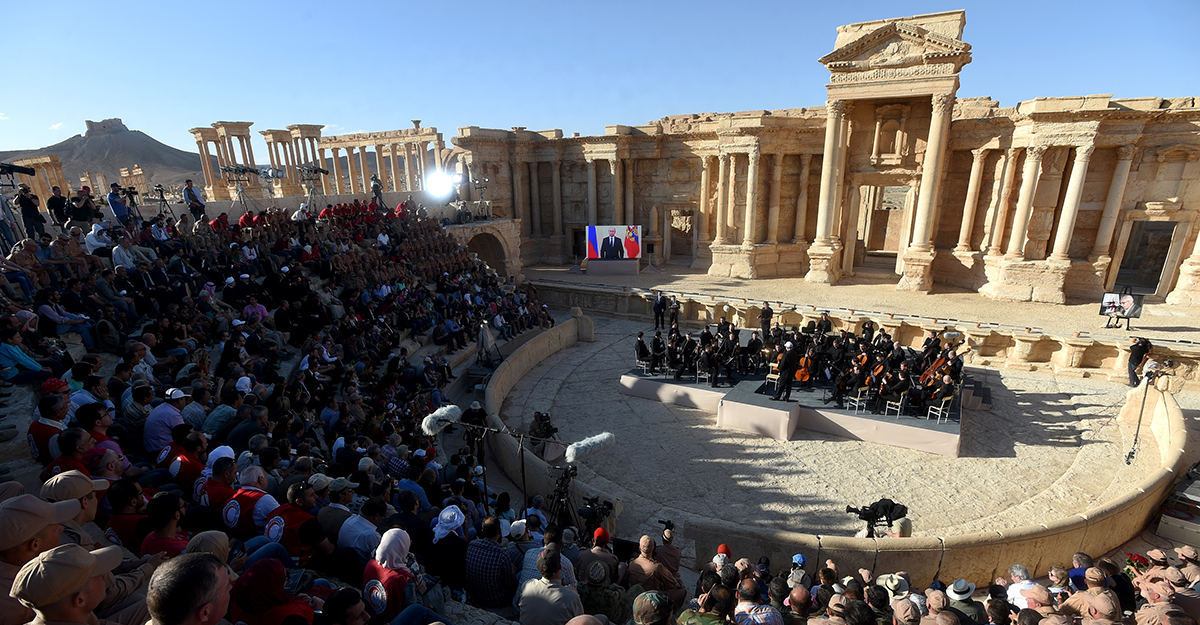
Putin in Palmyra: How Russia won the “truth” battle in Syria and learned lessons for Ukraine
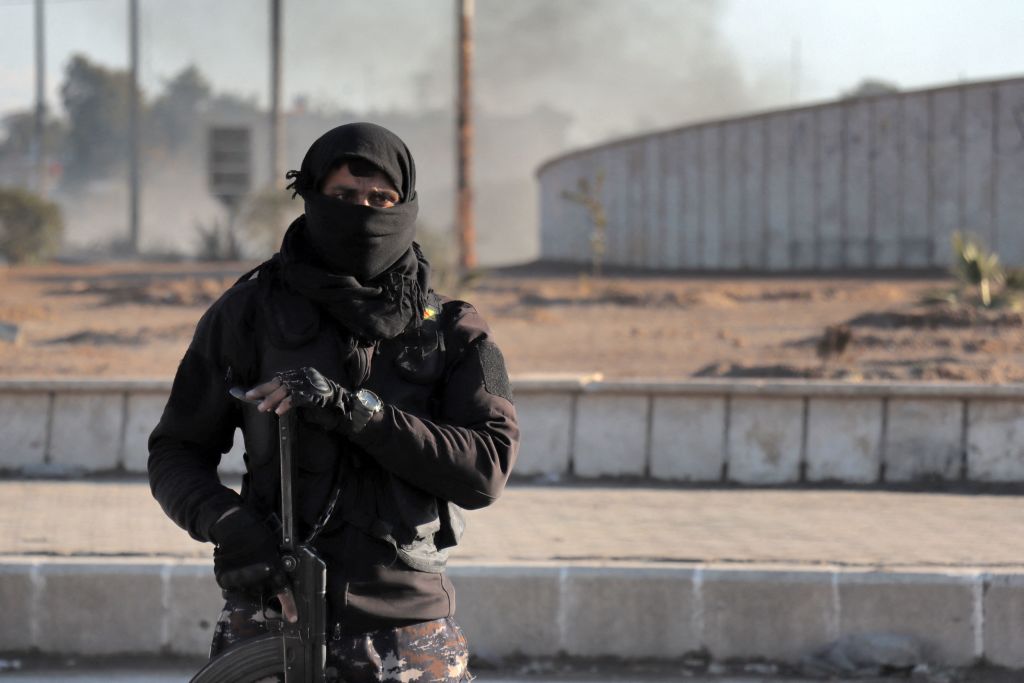
Syria provided Putin with the perfect training ground for Ukraine. Russia is now using the same techniques that it first employed in Syria in its reporting of the “special military operation” in Ukraine.
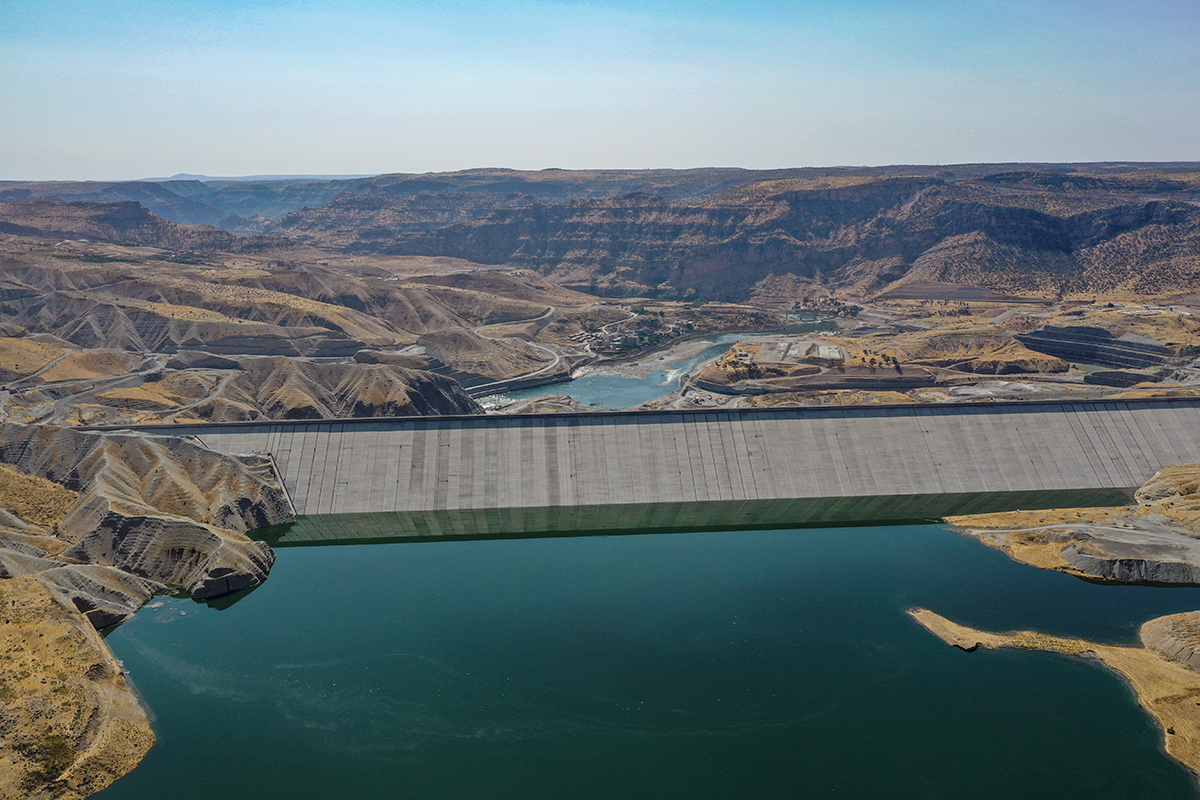
How the MENA region’s climate regime influences its water resources
The MENA region faces unique challenges to environmental sustainability and human habitation. First and foremost among these is the limited availability of freshwater. The region sees most of its precipitation fall as mountain snow and sustained availability of water to river systems like the Tigris and Euphrates is dependent on the predictable transformation of mountain snowpack into runoff.
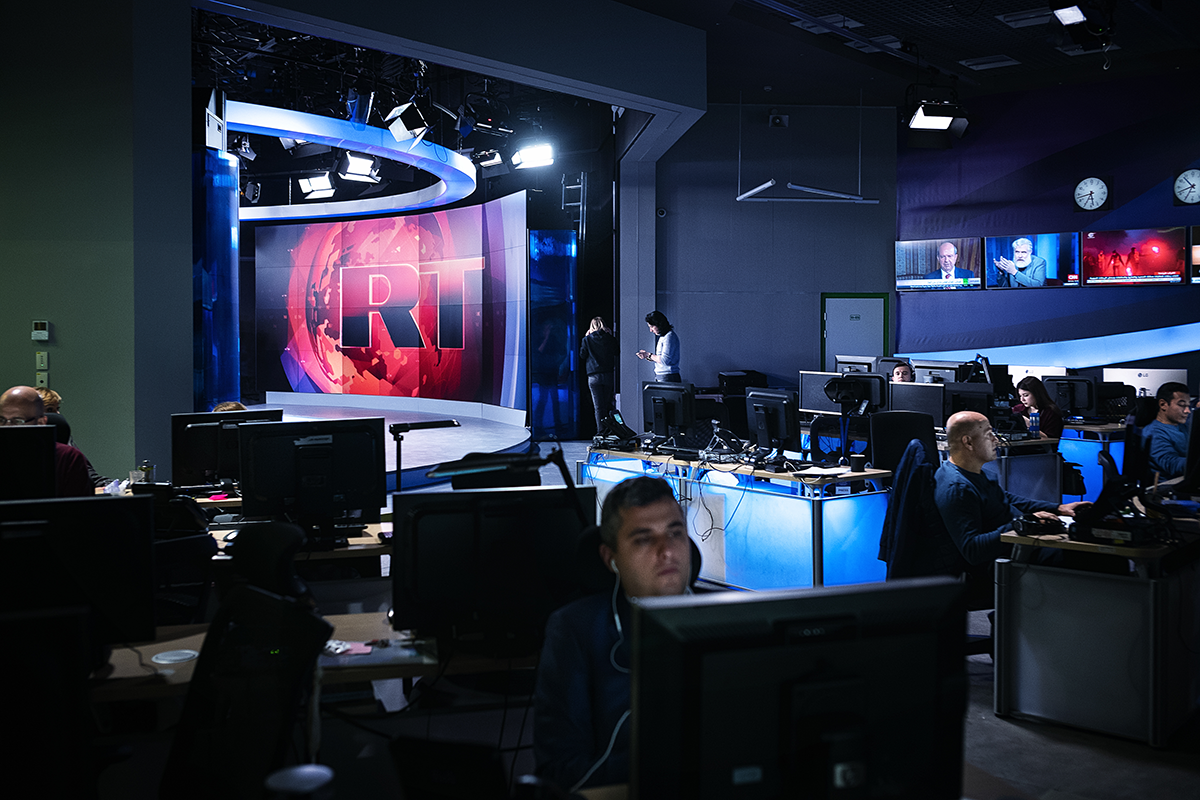
The digital Middle East: Another front in Russia’s information war
The Middle East and North Africa (MENA) region, long a target of the Kremlin’s information operations, is being flooded with disinformation from Moscow amid the invasion of Ukraine launched on February 24. Prior to the war, Russia’s President Vladimir Putin gave a lengthy history lesson in his televised speech, claiming that Ukraine was created by Bolshevik Russia, and that it should not exist as an autonomous nation. This conflict has already taken an immense human toll and triggered the largest intra-European refugee crisis since the Second World War. And yet the human impact of the war, the full implications of which remain to be seen, extends beyond the physical world into the virtual realm. As missiles strike Ukrainian cities, a parallel war is being fought online — not only in Russia and Ukraine, but around the world, as the Russian state strives to disseminate its messaging. On the home front, Putin has successfully quarantined his people within an information vacuum through unprecedented crackdowns. In addition to Twitter, Facebook and Instagram, the Kremlin has blocked access to the most popular independent media outlets, forcing hundreds of journalists to flee the country. In response, EU officials have banned content from the Russian-state-owned media outlets Russia Today (RT) and Sputnik across the European Union.
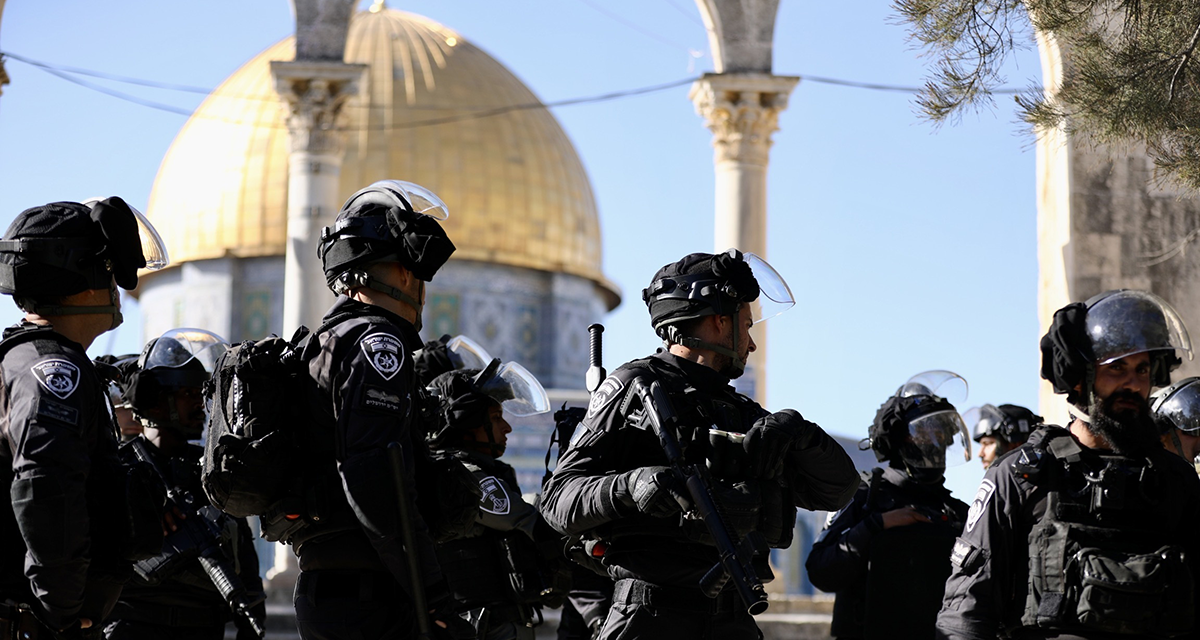
Why the latest escalation in the West Bank and East Jerusalem is unlikely to lead to a repeat of last year’s Gaza war
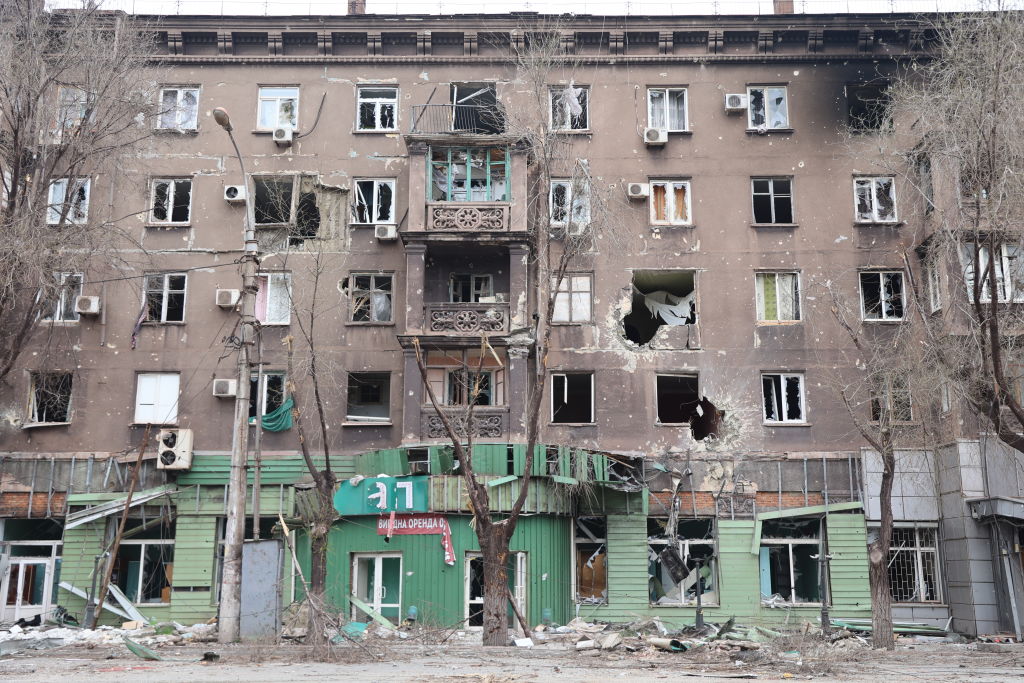
While the events now taking place in Jerusalem and the West Bank are very similar to those of May 2021, the political contexts are different on all sides. Although Israel carried out an airstrike on April 18 following rocket fire from the Gaza Strip, the situation is unlikely to lead to a repeat of last year’s Gaza war.
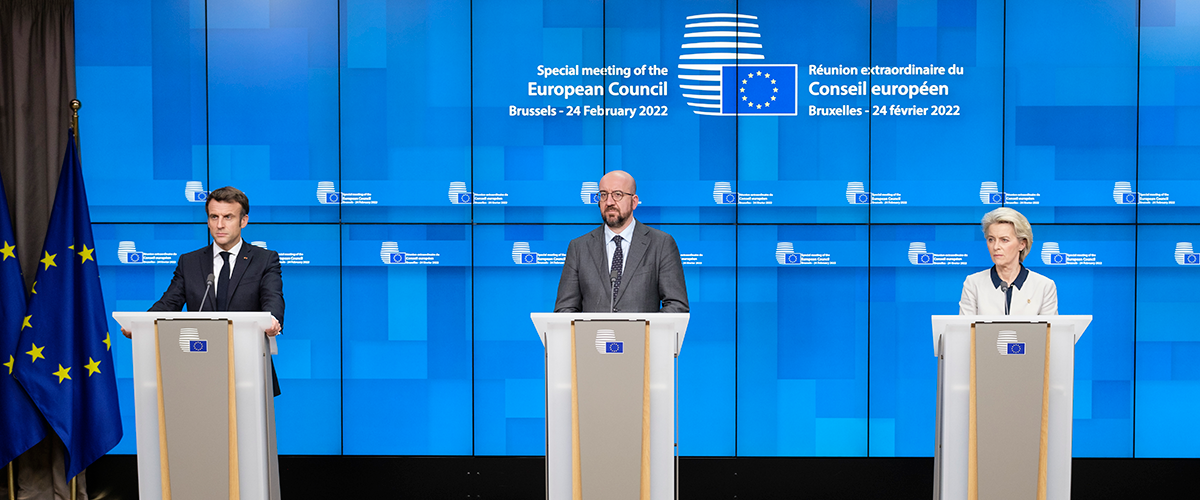
Europe and the Middle East after Ukraine: A strategic reorientation
Contrary to the expectations of many, including Russia’s President Vladimir Putin, the Russian invasion of Ukraine has not divided Europeans. Instead, Putin’s aggression has forged a remarkable consensus. The tectonic shift in Europeans’ worldview caused by the long-feared “war in the east” will have a major impact on security strategy and military investments. It will also have long-lasting consequences, including for Europe’s relations with the Middle East.
«داعش» يتعافى في سوريا… لكن الحاجة ماسة إلى الاستقرار
عندما لقي تنظيم داعش الإقليمي الهزيمة في سوريا قبل أكثر من ثلاث سنوات، احتفل العالم بإنجاز تاريخي. فعلى مدار خمس سنوات، حشد تحالف ضم أكثر من 80 دولة موارده المشتركة لدحر «داعش» في سوريا والعراق، والتصدي للجماعة الإرهابية على الإنترنت، ودحر شبكاتها المالية والشركات التابعة لها المكتشفة حديثاً في جميع أنحاء العالم.
Amb. Gerald Feierstein, Bilal Saab, and Karen Young join guest host Brian Katulis to discuss their recent MEI policy paper, US-Gulf Relations at the Crossroads: Time for a Recalibration, and why they believe now is not the time to disengage from the region.