This individual is a guest contributor. MEI is not able to assist with contact requests.
Attiya Ahmad is Georgetown University’s 2009-10 Center for International and Regional Studies Post-Doctoral Fellow. She recently completed her PhD in Cultural Anthropology at Duke University. Dr. Ahmad’s work brings together scholarship on Islamic studies, globalization, diaspora and migration studies, economic anthropology, and political economy.
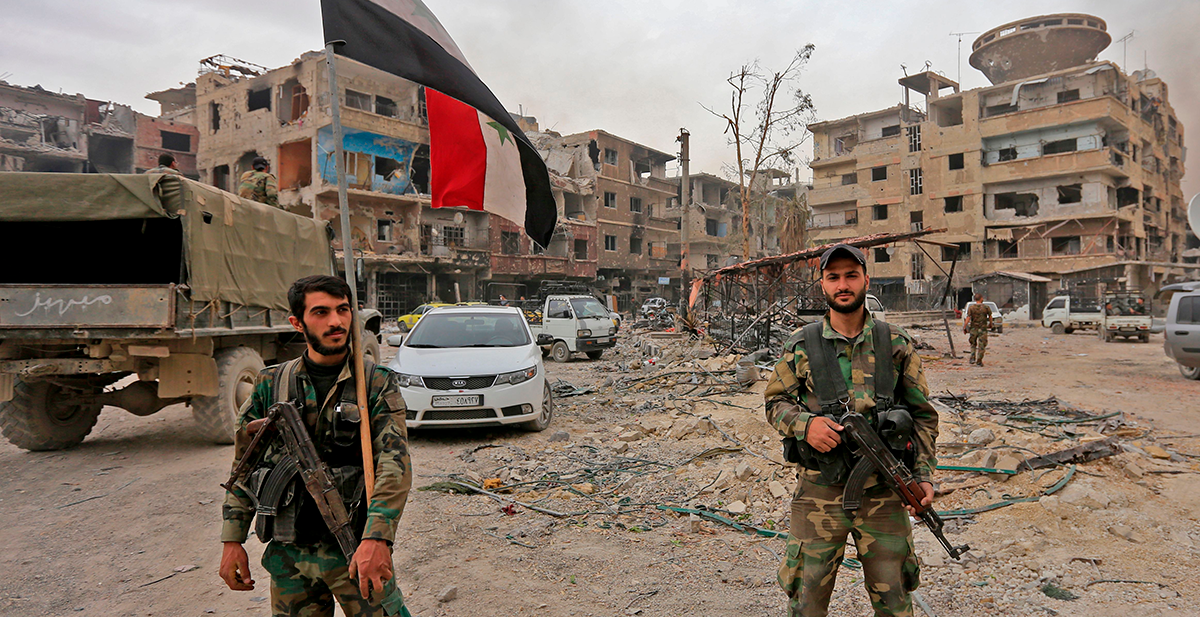
Most of the reporting on Russian recruitment in Syria has involved half-truths, if not outright lies. While it does appear that some Syrians have signed contracts to fight in Ukraine, there is no guarantee these fighters will actually be sent there. The coverage of this topic has also missed a key aspect of who would actually be involved if Syrians really do deploy to Ukraine.
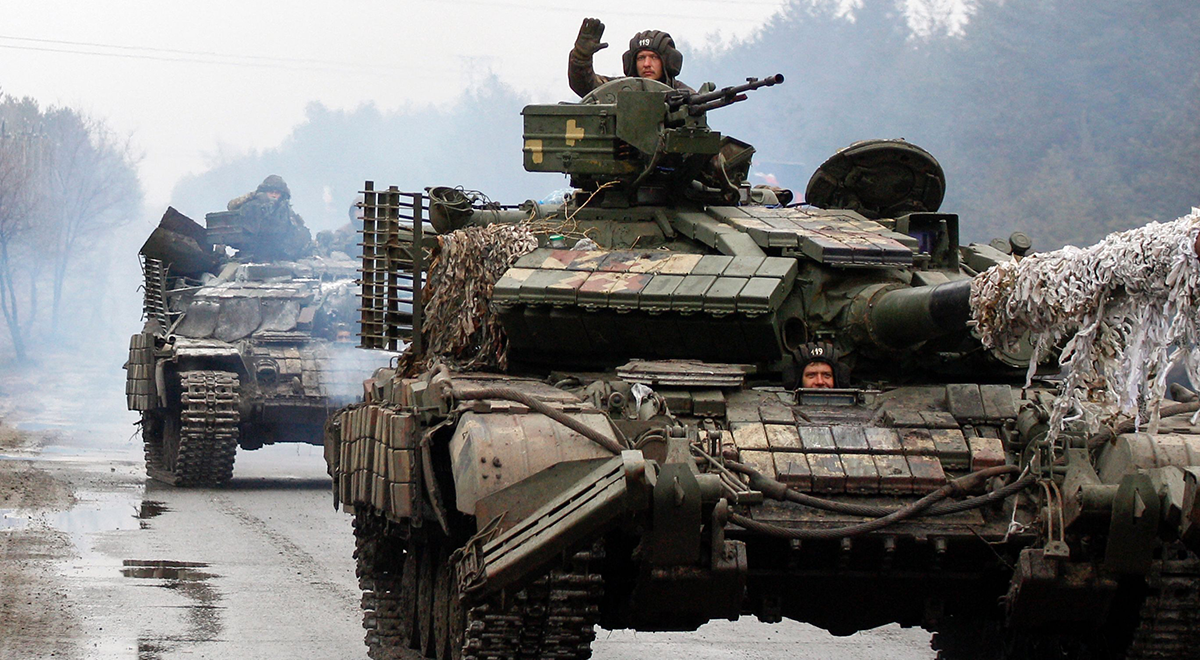
“Get them to the conflict zone”: Russia turns to Syrian fighters for support in Ukraine
Doesn’t Russia’s egregious invasion of Ukraine look familiar? Whether it’s the flagrant attacks on civilians, the hospital bombings, siege tactics, or rampant disinformation, Ukraine’s parallels with Syria are just about everywhere one cares to look. However, yet another feature of Syria’s grueling war now appears set to be repeated amid reports that Russia is already recruiting Syrian fighters to join combat units on the frontlines in Ukraine.
Will Iran’s heavy-handed approach to deterring Israel backfire?
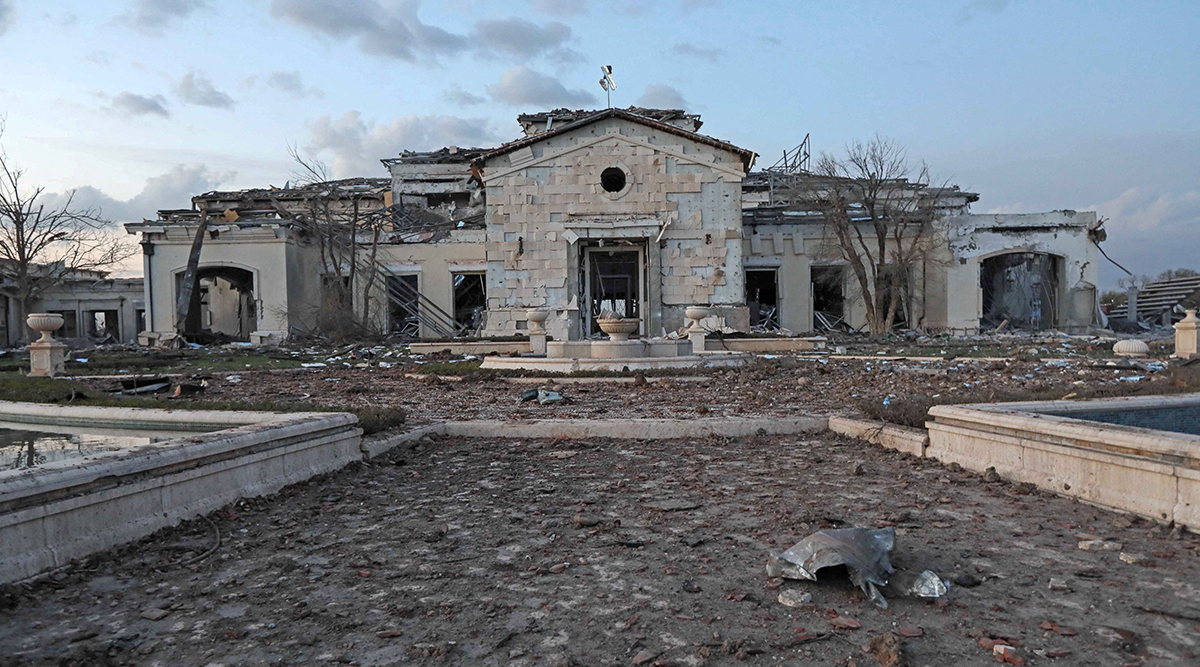
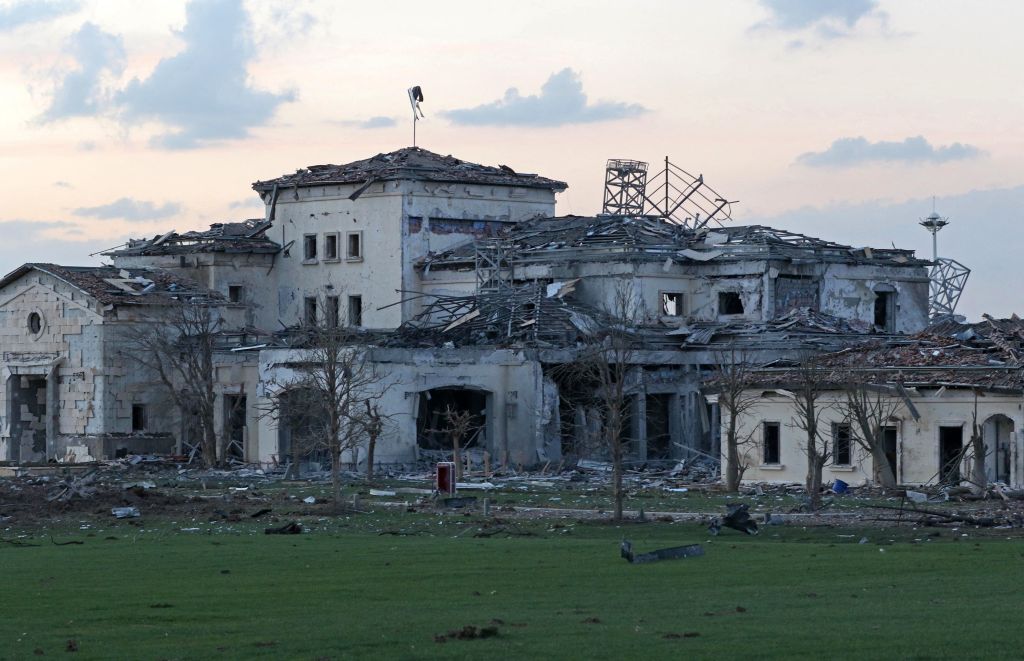
On March 13, Iran’s IRGC fired missiles at targets in the Iraqi Kurdish city of Erbil. While Tehran’s threat of force might shape the calculations of regional states that are weighing the pros and cons of establishing closer ties with Israel, the Iranians will inevitably have to reckon with the possibility that this heavy-handed approach may backfire.
In two months, Lebanon is scheduled to hold parliamentary elections in the midst of a continuing economic meltdown and total failure of governance. The outcome of the vote is likely to be disappointing for anyone expecting to elect new leaders capable of reforming Lebanon.
The "Mediterranean Worlds Forum”: France’s continued pursuit of leadership in the Mediterranean
On Feb. 7 and 8, France hosted the “Mediterranean Worlds Forum” in Marseille, following on the heels of the 2019 “Summit of the Two Shores, Mediterranean Forum.” These meetings have the stated goal of “giving new momentum” to relations in the western Mediterranean and illustrate Paris’s push to renew its leadership role in the region.
Once again, Israel throws up an unlawful barrier to Palestinian family reunification
On March 10, Israel’s parliament enacted a bill denying naturalization to Palestinians from the occupied West Bank and Gaza who marry Israeli citizens. While most foreign nationals who marry Israelis can live in Israel and eventually become citizens, Palestinians and certain other Arabs cannot.
Severe sand and dust storms are an underrated risk in the Gulf region, despite mitigation measures
The precise causes of sand and dust storms (SDSs) are not fully known, but they are becoming better understood. Armed with this knowledge, regional actors are beginning to respond in the face of intensifying SDSs.
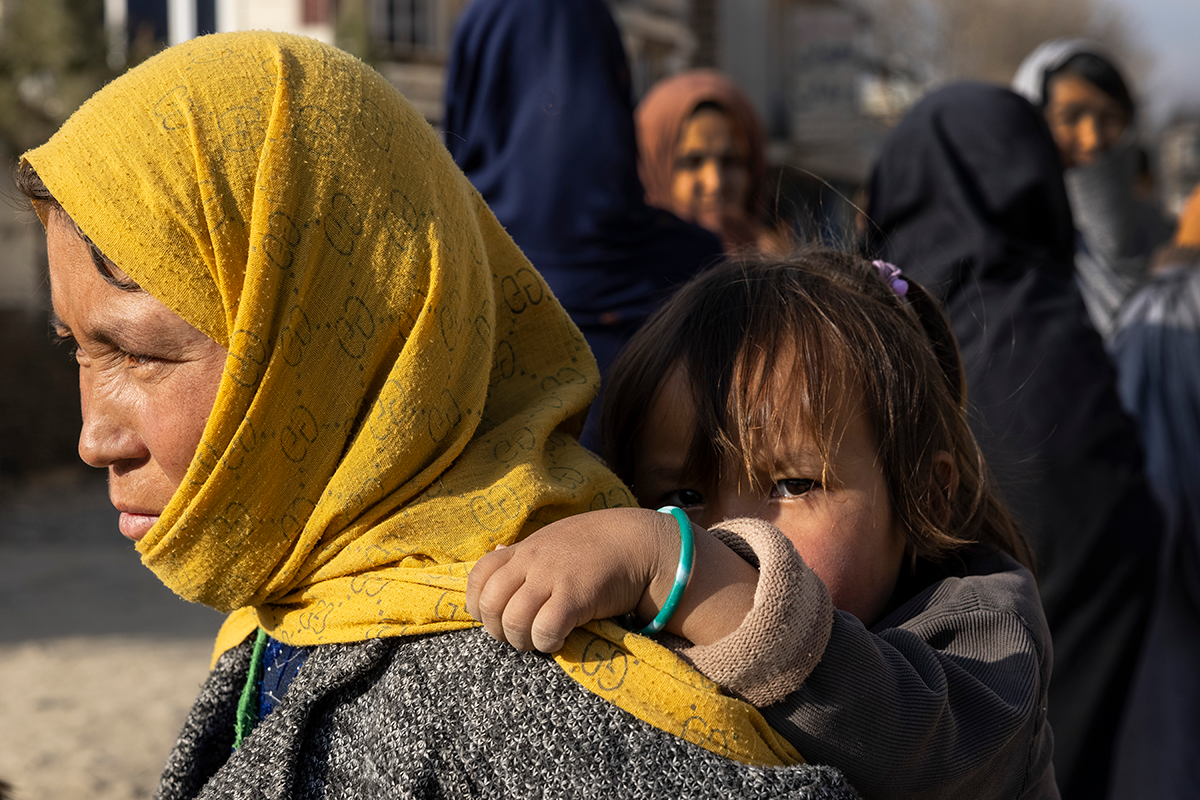
As global attention shifts further away from Afghanistan to Ukraine and elsewhere, time is running out to change course before the country’s freefall under the Taliban becomes irreversible. The international community needs a two-pronged, interlinked approach to normalize the economy and stabilize the political scene.
Freeze and Build: A Strategic Approach to Syria Policy
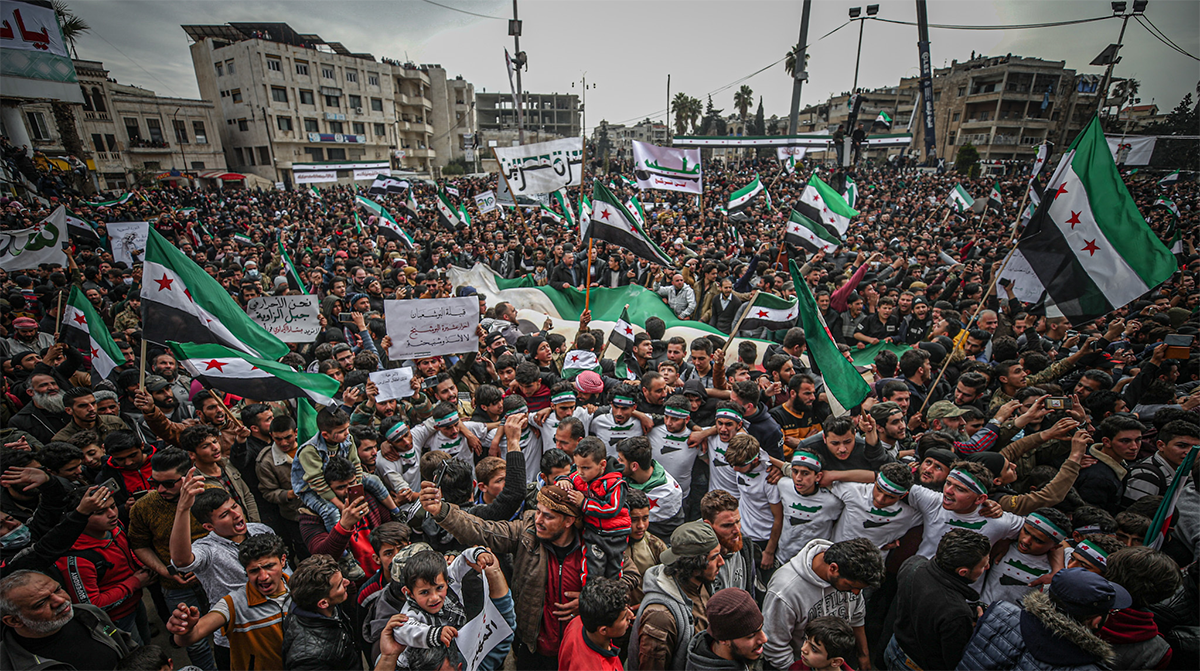
While Syria diplomacy may have appeared poised for a period of renewed investment in early 2022, Russia’s invasion of Ukraine and the resulting collapse in U.S. and European diplomatic relations with Moscow mean Syria diplomacy is now all but dead. An unprecedented humanitarian crisis now appears to be imminent. To adapt to this new environment, the international community must consider a comprehensive change in approach, prioritizing the freezing of conflict lines and a more strategic use of aid, stabilization, and targeted rebuilding in areas free of Assad regime rule.
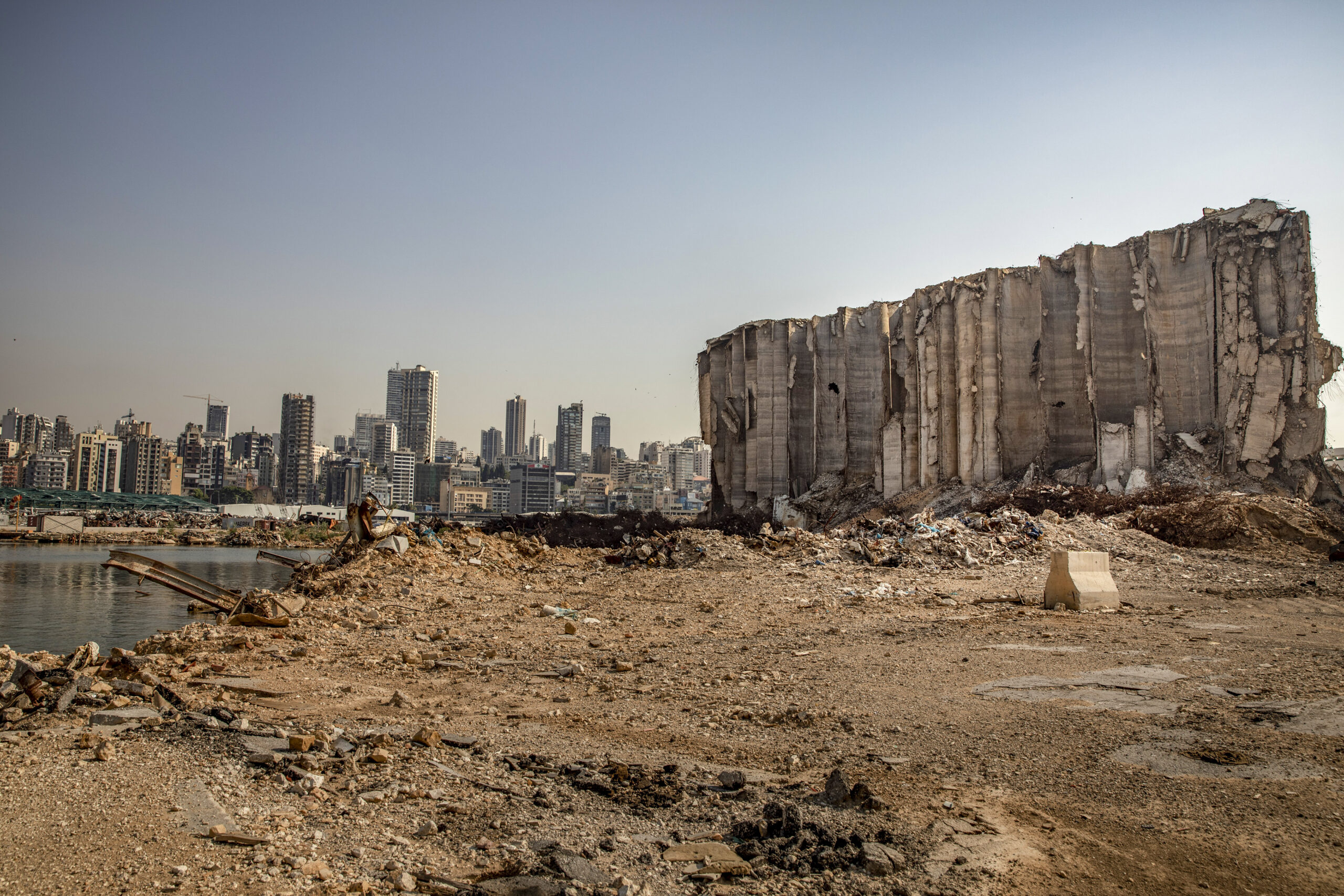
Lebanon is running out of time to avert starvation
As Russia’s two-week-old war against Ukraine has brought Lebanon’s wheat imports from the besieged Black Sea nation to a complete standstill, the government in Beirut is racing against the clock to avert a catastrophic food crisis.
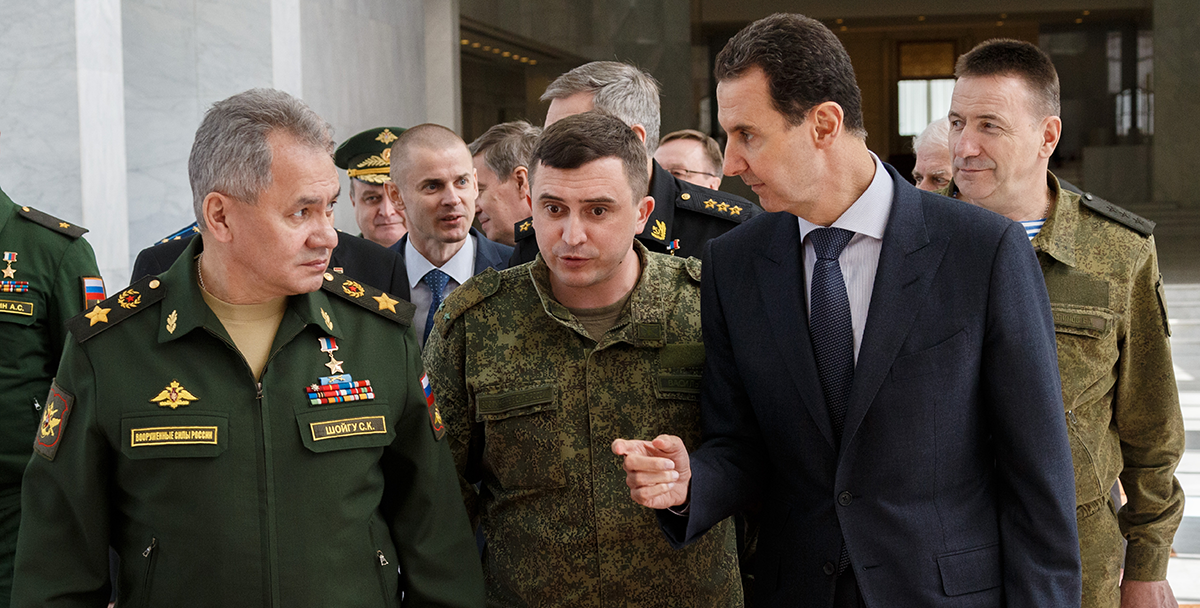
As Russia pushes on with its relentless invasion of Ukraine, Damascus has done more than toe the proverbial Kremlin line — it has shown complete solidarity with its superpower patron.