This individual is a guest contributor. MEI is not able to assist with contact requests.
Attiya Ahmad is Georgetown University’s 2009-10 Center for International and Regional Studies Post-Doctoral Fellow. She recently completed her PhD in Cultural Anthropology at Duke University. Dr. Ahmad’s work brings together scholarship on Islamic studies, globalization, diaspora and migration studies, economic anthropology, and political economy.
Marvin Weinbaum and Sayed Madadi discuss Afghanistan’s worsening economic and humanitarian crises six months after the Taliban reclaimed control of the country.
رائحة الثورة: آفاق الإصلاح في ظل الحكومة العراقية المقبلة
وستجد الحكومة الجديدة في جلستها الأولى على مكتبها عددًا من الملفات الشائكة ، تتفاوت في درجة أهميتها وخطورتها وإلحاحها. ستكون المهمة الأولى للحكومة هي ترتيب أولوياتها.
The smell of the revolution: The prospects for reform under the next Iraqi government
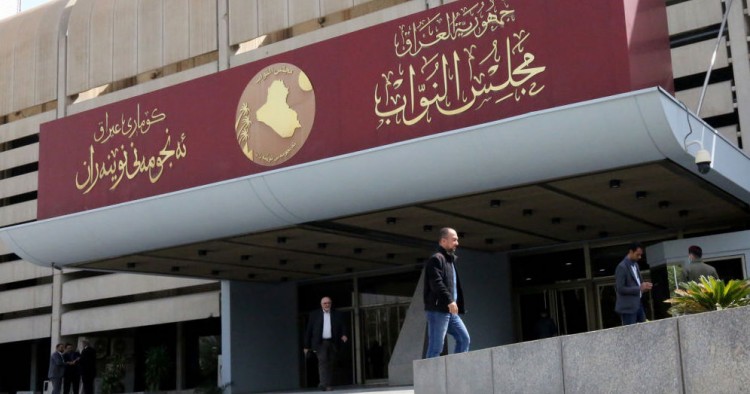
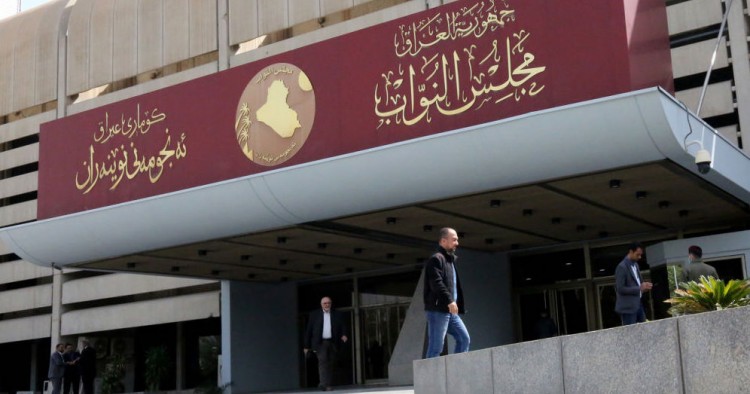
In its first session the new Iraqi government will find on its desk a number of thorny files, which vary in their degree of importance, danger, and urgency. Its first task will be to prioritize them. How it chooses to do so will be shaped by several sets of factors, including intrinsic internal ones, as well as regional and international developments. Its priorities when it comes to the security, economic, and service files will play an important role in determining if the government will be able to remain in office and complete its constitutional term.
The Pakistani Taliban’s radical rebranding: Is there more than meets the eye?
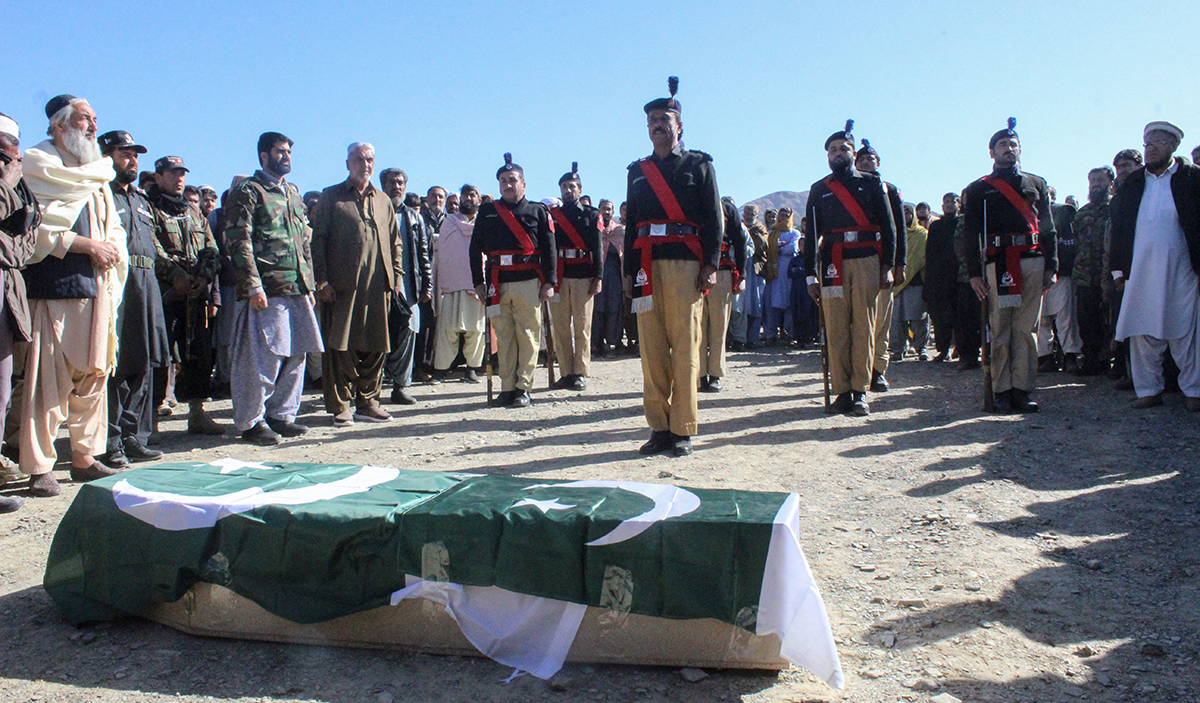
In a statement released on Feb. 12, the Tehreek-e Taliban Pakistan (TTP) distanced itself from international terrorism, declaring that its violence was singularly focused on Pakistan. While the TTP’s recent comments on America are unprecedented, they do fit into its broader rebranding effort under the leadership of Noor Wali Mehsud, who took over the group in 2018.
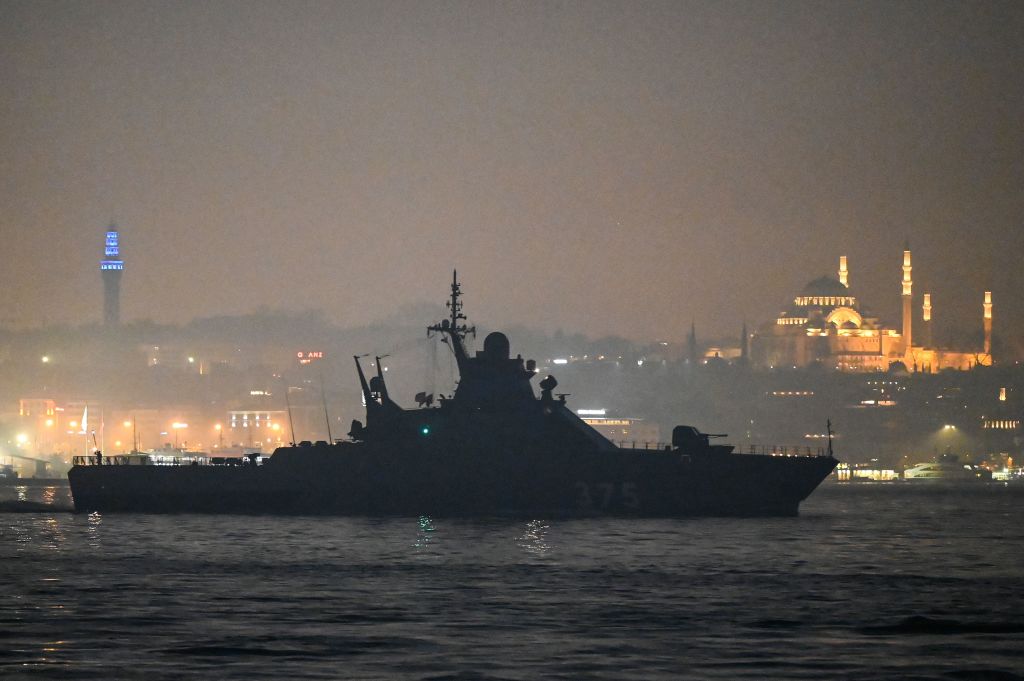
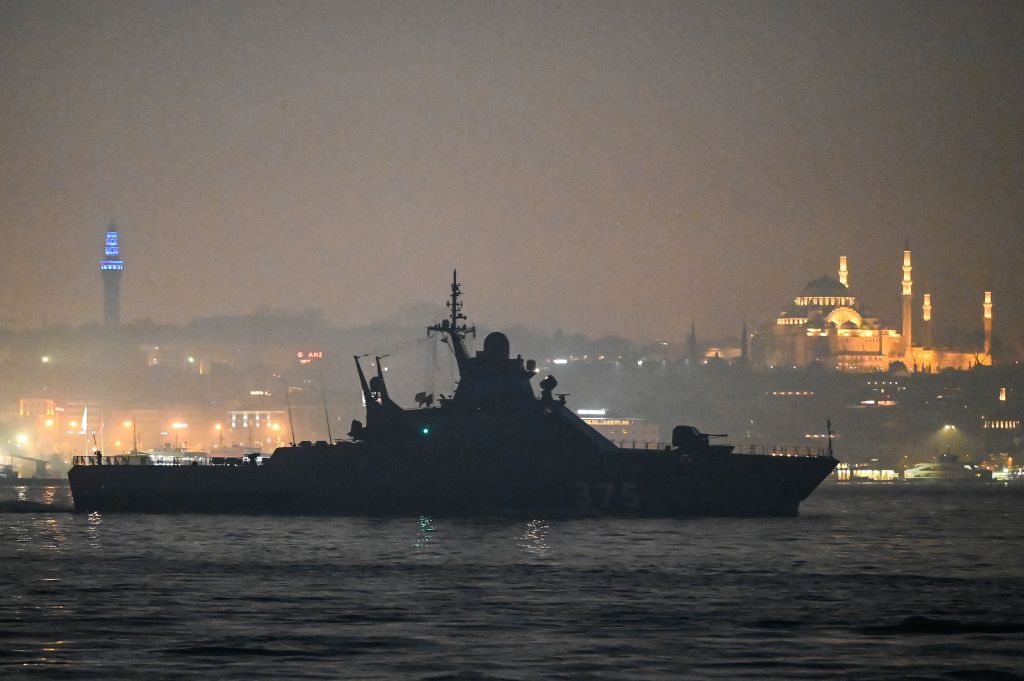
حتى كتابة هذه السطور، ليس من الواضح ما هو النهج الذي ستتخذه روسيا في أوكرانيا: الضغط، أو التقسيم، أو البلع. يمكن للرئيس فلاديمير بوتين أن يواصل ويُصعّد من سياسة الضغط الشديد على أوكرانيا، دون غزو كبير، الأمر الذي يمكن أن يجعل أوكرانيا تخضع وتستسلم، ويفرض تغييرًا في سياسات كييف أو مساراتها، ويضمن هدف بوتين المتمثل في مواءمة أوكرانيا مع روسيا. أو يمكنه أن يواصل ما بدأه في دونباس وشبه جزيرة القرم وأن يستولى ببساطة على قطعة أخرى من أوكرانيا، مما يزيد الضغط على كل من كييف والغرب. الاحتمال الثالث الواضح هو غزو شامل لابتلاع البلد كله.
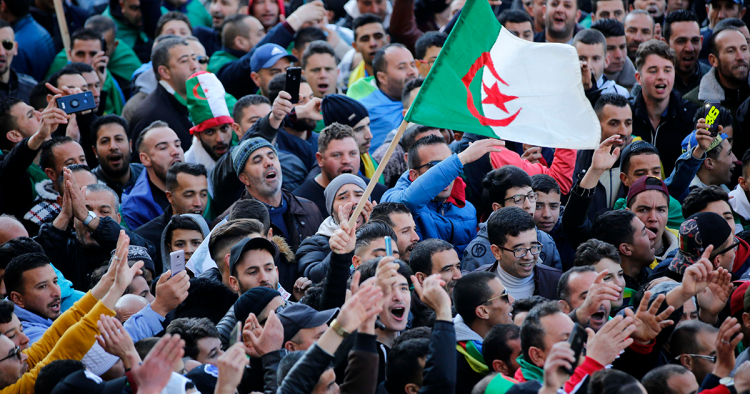
Algeria rings in the old: Civil society under assault
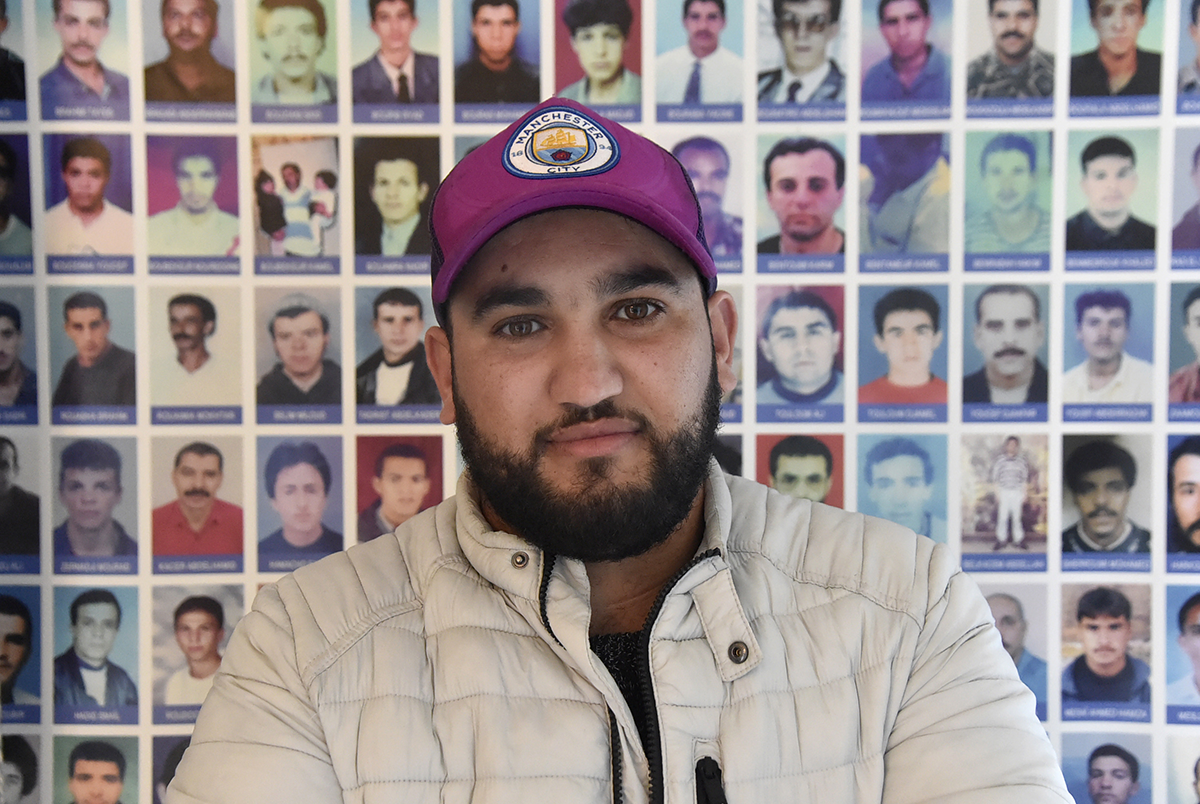
The Algerian authorities are intensifying repression against the last voices of dissent, hoping to put an end to the Hirak once and for all. Human rights in Algeria are under serious threat; the pattern toward a more authoritarian, less competitive regime is clear.
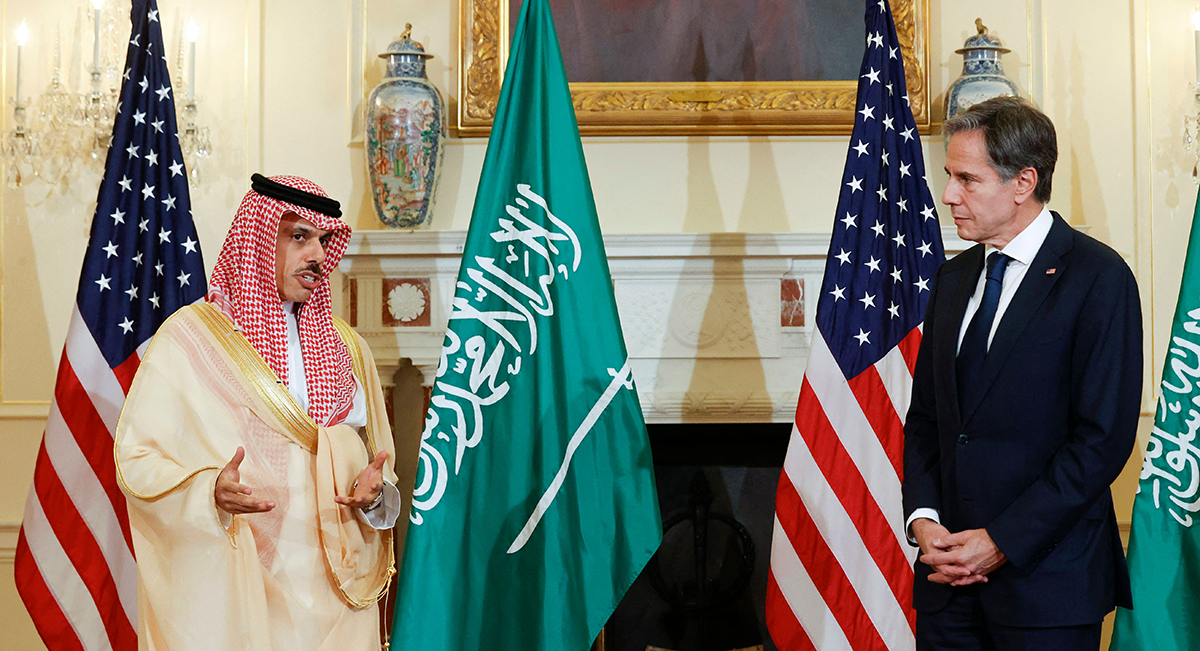
Through the vehicle of defense reform, the Biden administration has an opportunity to engage the Saudis on critical national security matters while safeguarding U.S. strategic interests and honoring American values.
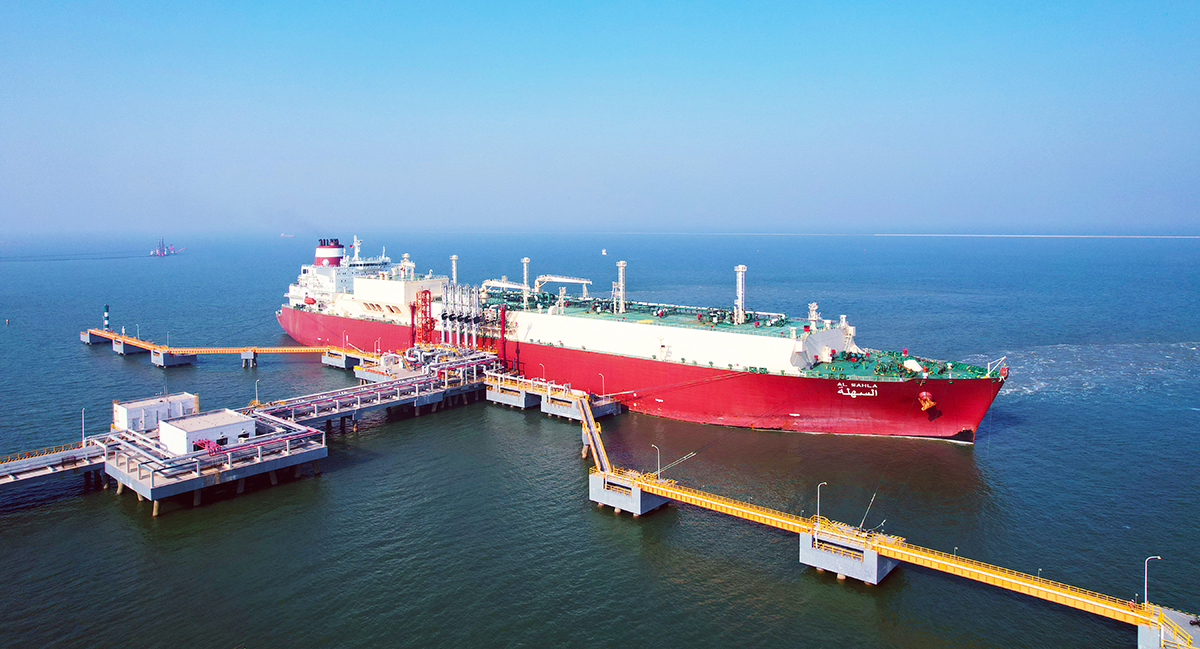
Qatar and global LNG: Potential pivot from Asia to Europe?
The global LNG landscape is changing, and while Qatar will continue to be a major LNG exporter, it will briefly drop to third in the global rankings until planned expansion projects come on stream in the middle part of the decade. Strategically, Qatari suppliers may opt to change their market supply profile, which will have a knock-on effect on the global market, both LNG suppliers and buyers.
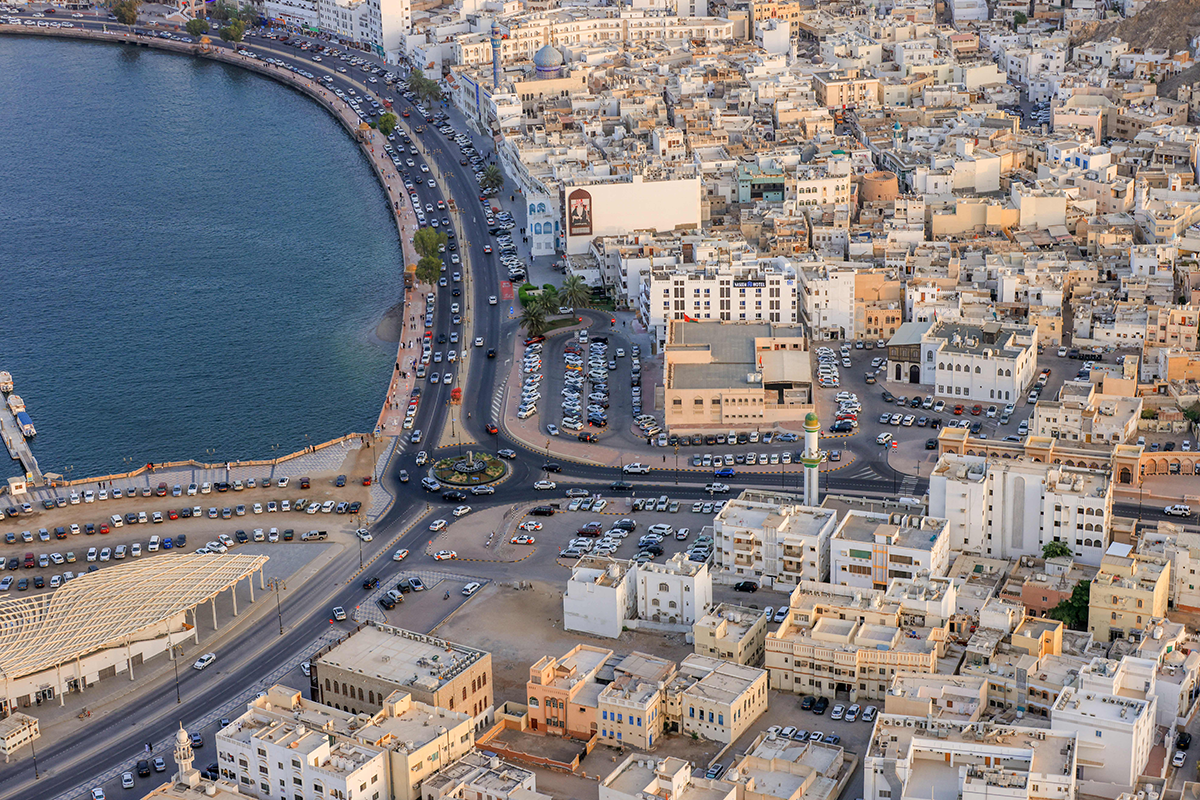
Balancing the books: A deep dive into fiscal policy and diversification in Oman
This policy brief provides a deep dive into the far-reaching and interrelated policies imposed by the government to reduce the country’s deficits, debts, and reliance on hydrocarbons.
Algeria’s opposition after the Hirak: Limitations and divisions
The gradual fading out of protests in 2020 amid the surge of the pandemic was the result of both the system’s political maneuvers and the opposition’s own organizational and political weaknesses.
The past year has seen a trend toward normalization with the Assad regime, accompanied by a push by some nations to force or coerce displaced Syrians to return — or deny them asylum outright. The presumption that Syria is now safe for return is often motivated by political expediency and a false equivalency between “safety” and reduced military operations in a particular area, rather than an in-depth understanding of conditions on the ground and the challenges that returnees face. With pressures for return increasing, the Voices for Displaced Syrians and the Operations and Policy Center undertook a first-of-its-kind research project to establish the minimum frequency and types of violations experienced by returnees throughout the whole of Syria. Despite the known difficulties, the report aimed at obtaining an understanding of at least the minimum frequency with which violations occur, which is a critical step in discussions about return.
بين السماء والأرض: الفن المعاصر من الإمارات العربية المتحدة
Afra Aldhaheri and Asma Belhamar, two featured artists in the MEI Art Gallery’s latest exhibition, Between the Sky and the Earth: Contemporary Art from the UAE, join MEI’s Lyne Sneige to discuss the inspirations and artistic processes behind their pieces in the show.