This individual is a guest contributor. MEI is not able to assist with contact requests.
Attiya Ahmad is Georgetown University’s 2009-10 Center for International and Regional Studies Post-Doctoral Fellow. She recently completed her PhD in Cultural Anthropology at Duke University. Dr. Ahmad’s work brings together scholarship on Islamic studies, globalization, diaspora and migration studies, economic anthropology, and political economy.
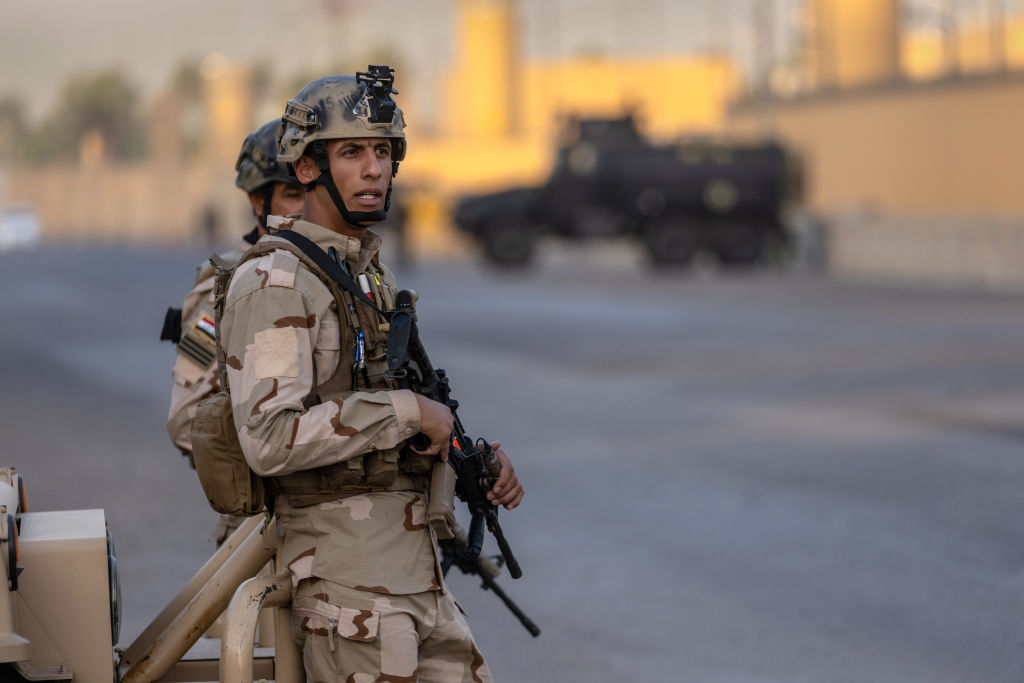
لقاء الرئيس جو بايدن مع رئيس الوزراء العراقي مصطفى الكاظمي يوم الاثنين 26 يوليو/تموز لن يفتح آفاقًا جديدة، لكن الأمريكيين بدلًا من ذلك يحاولون إبراز الجوانب غير العسكرية للعلاقة الثنائية. ففي وزارة الخارجية الأمريكية في نهاية الأسبوع الماضي، قاد وزير الخارجية أنتوني بلينكن ووزير الخارجية العراقي فؤاد حسين فرقًا ناقشت التعاون المستمر في مجالات مثل الصحة العامة، حيث يدعم الأمريكيون جهود بغداد للتعامل مع تفشي فيروس كورونا. كما أعلن بلينكن يوم الجمعة الماضي عن مساعدات إنسانية أخرى بقيمة 155 مليون دولار للعراقيين النازحين داخليًا وكذلك لتجمعات اللاجئين العراقيين في الدول المجاورة.
An Indo-Abrahamic alliance on the rise: How India, Israel, and the UAE are creating a new transregional order
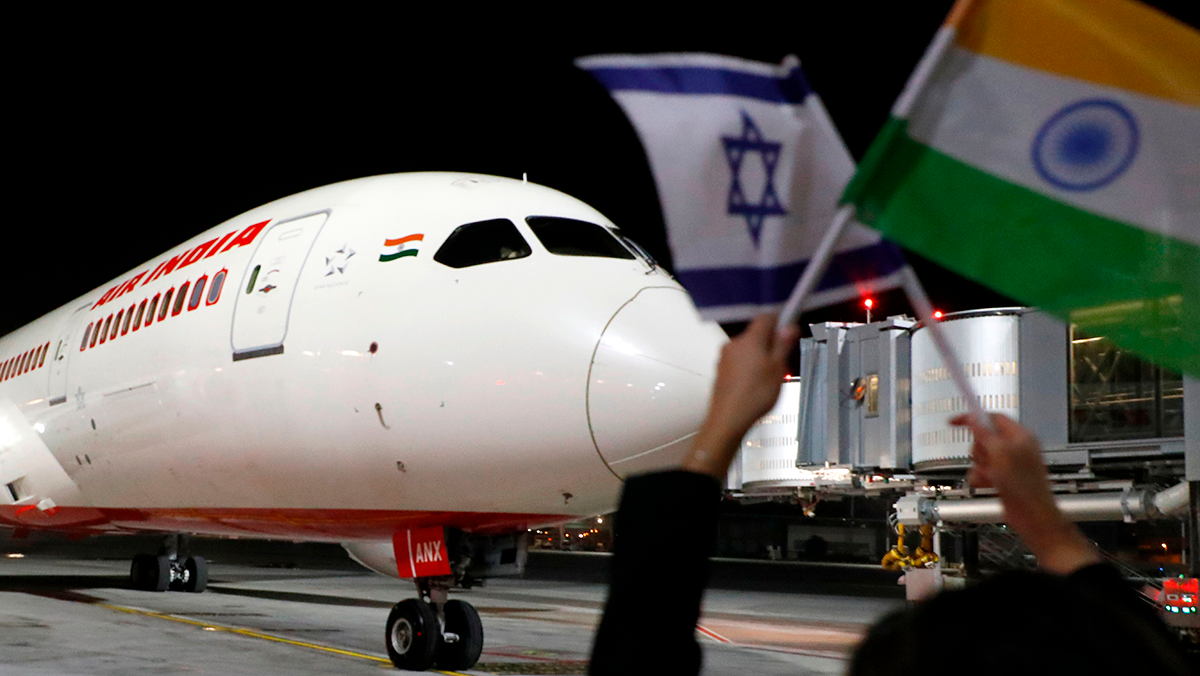
There is a new and little noticed geostrategic alliance on the rise. India, Israel, and the UAE have had surface-level, transactional relations for a long time. However, last year’s normalization agreements between Israel and several Arab states — chief among them, the UAE — along with Turkey’s bid to return as the leader of a Muslim order and the growing distance between the UAE and Pakistan have created an unlikely and unprecedented “Indo-Abrahamic“ transregional order. This emerging multilateral pact may fill the gap the United States is leaving in the Middle East and has the potential to transform the region’s geopolitics and geoeconomics.
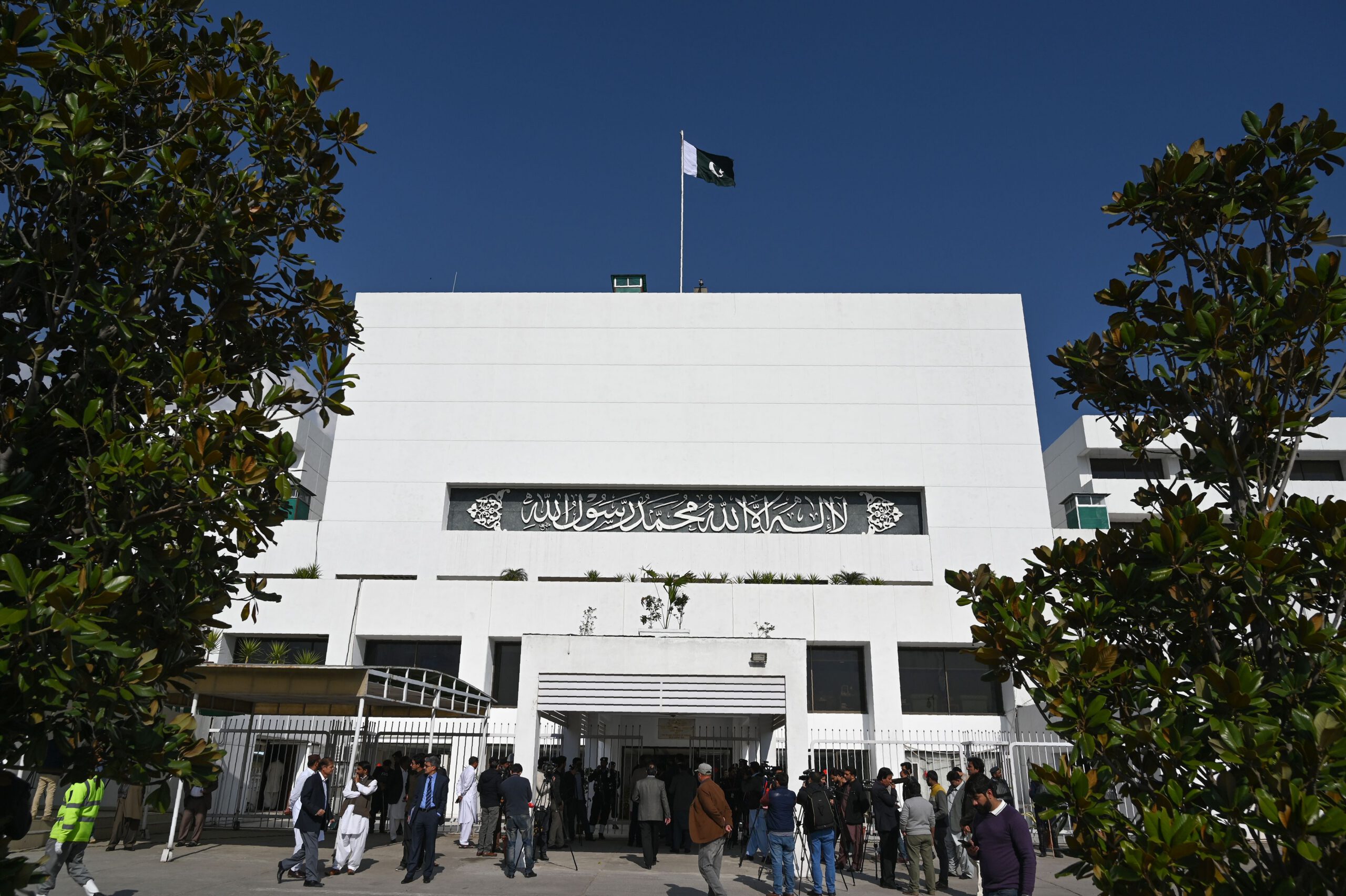
The United States and Pakistan have had a complex and often disappointing “love-hate” relationship since 1947 — one severely tested during the 20-year U.S.-led intervention in Afghanistan. We believe the time has come for serious policy consideration of whether and how both nations can achieve a more strategically beneficial and sustainable post-intervention relationship between the American and Pakistani governments and their populations
لماذا يحتفل الكثير من التونسيين بقرار الرئيس سعيّد
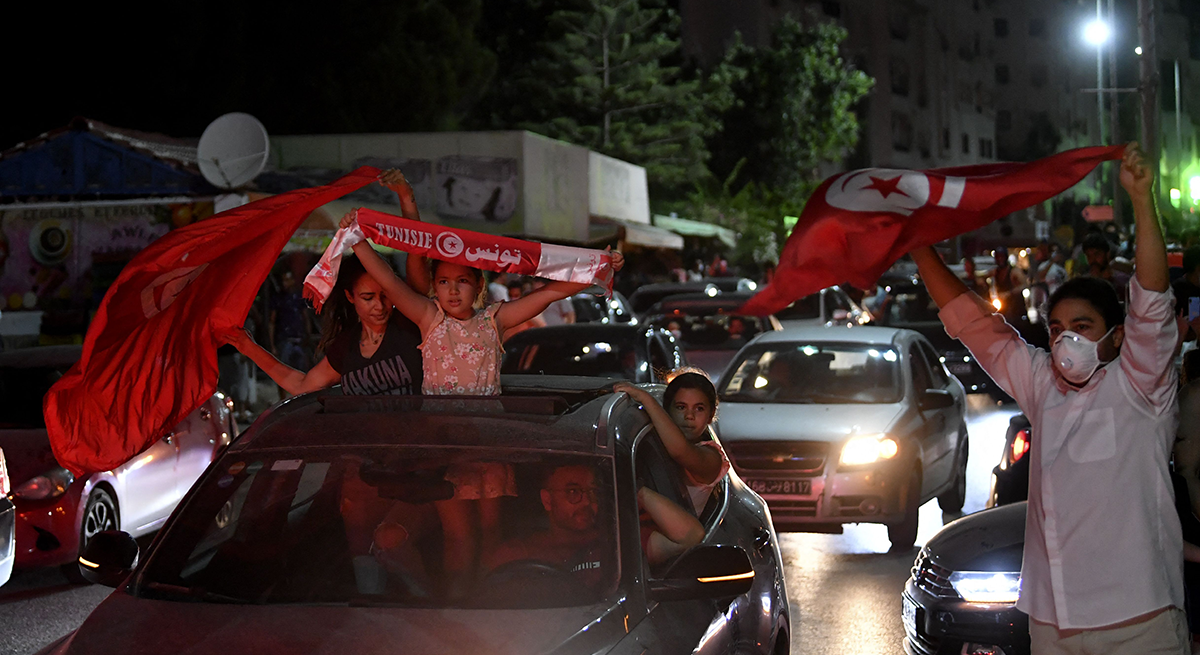
سارع خصوم الرئيس التونسي قيس سعيّد والمعلقون الدوليون الأكثر دراية بمصر إلى إدانة ما وصفوه بـ “الانقلاب”. هنا، إلى جانب الحاجة إلى تقييم الوضع التونسي وفقًا لطبيعته الخاصة، قد يكون من المفيد تنحية التصنيفات القانونية وتلك المرتبطة بالعلوم السياسية جانبًا في الوقت الحالي والتفكر بدلًا من ذلك في سبب احتفال الكثيرين في تونس بقرارات الرئيس الأخيرة.
All in the family: How an animated series reflects social change in Saudi Arabia
Masameer County, the Netflix animated television series taking Saudi Arabia by storm, reveals how the country’s creative class, over the last two decades, has posed awareness-raising questions while reevaluating the assumptions and terms used to discuss contentious social issues. This is not the Saudi Arabia of clerics, oil, and the royal family, but the one experienced by everyday people.
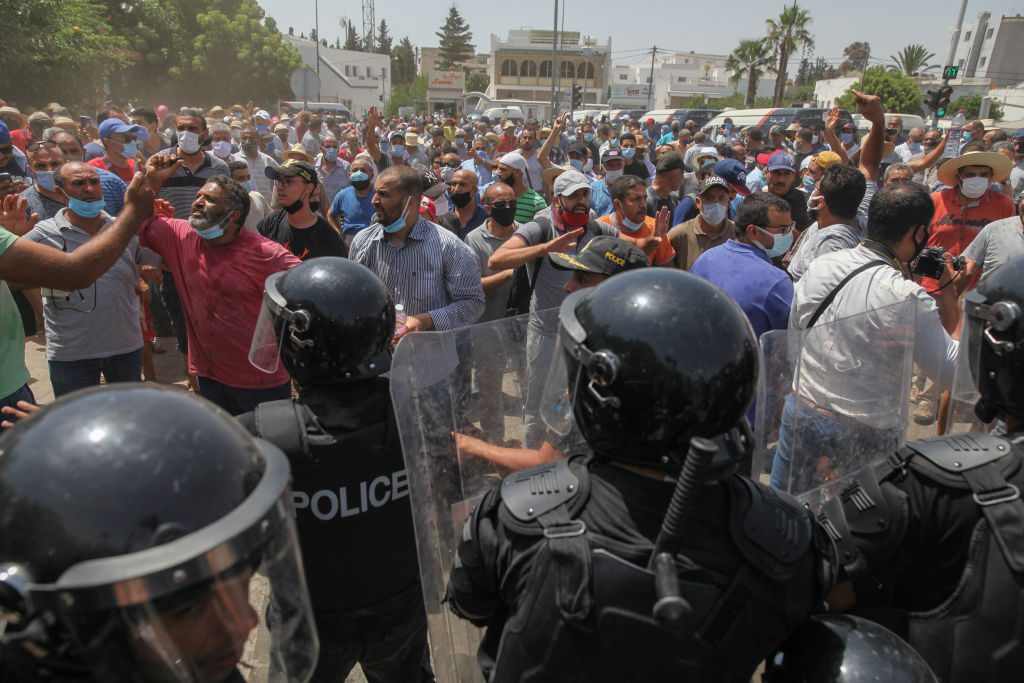
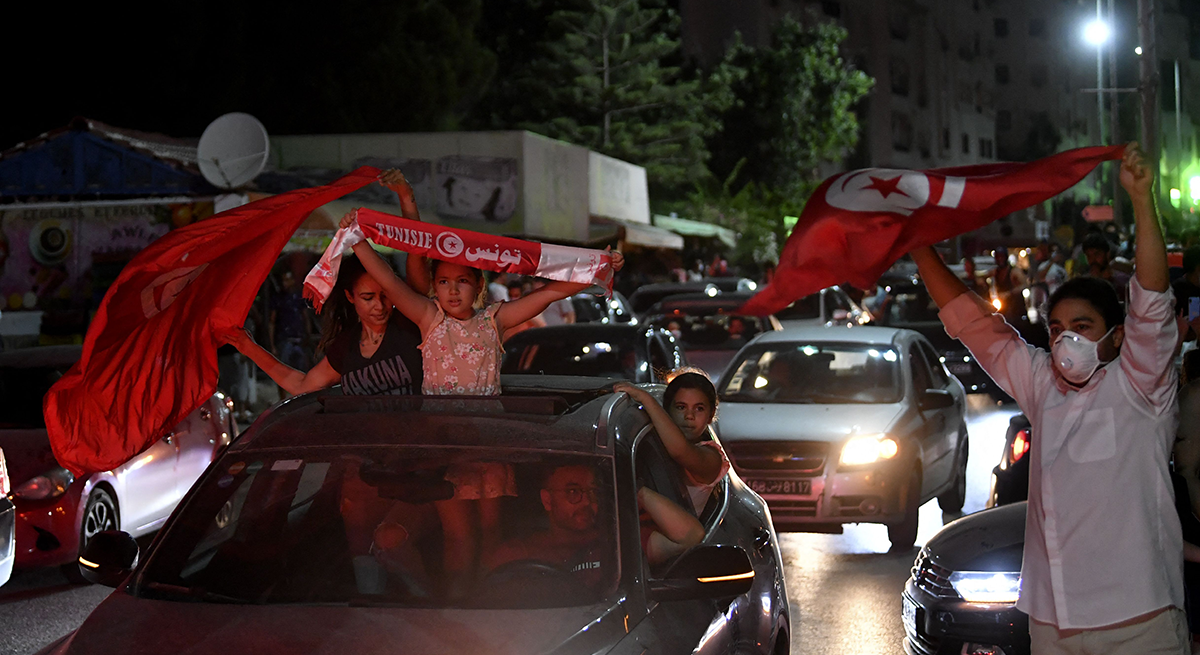
Why many Tunisians are celebrating President Saied’s decision
Tunisian President Kais Saied’s opponents and international commentators more familiar with Egypt have been quick to condemn what they are calling a “coup.” In addition to the need to assess the Tunisian situation on its own unique terms, it may be useful to set aside legalistic and political science taxonomy for the moment and consider instead why many in Tunisia have celebrated the president’s recent decisions.
Hezbollah’s Regional Activities in Support of Iran’s Proxy Networks
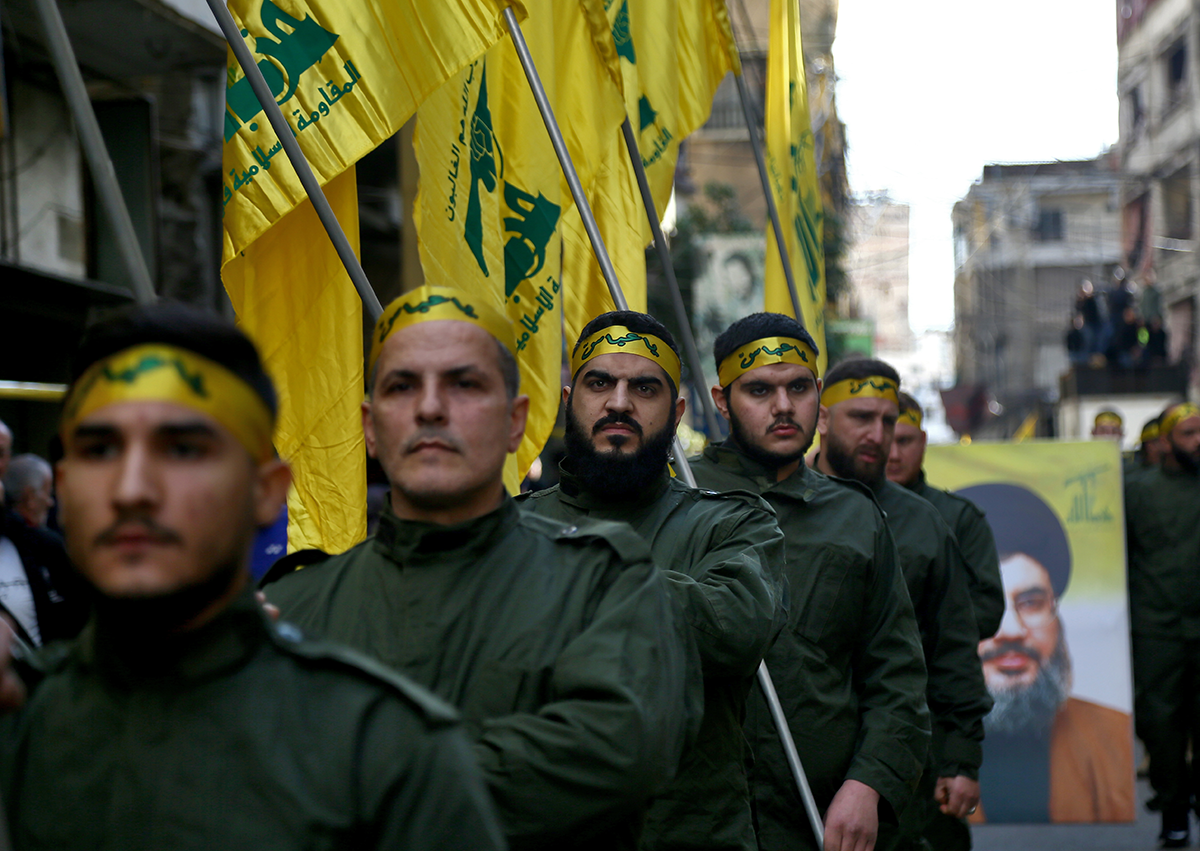
As a Lebanese actor ideologically tied to Iran, Hezbollah has multiple allegiances and objectives that do not always align symmetrically. Hezbollah’s regional activities are a reflection of the group’s increasingly close alignment with Iran, rather than the interests of the Lebanese state or citizenry. Today, Hezbollah’s regional adventurism is most pronounced in its expeditionary forces deployed in Syria and elsewhere in the region, but no less important are the group’s advanced training regimen for other Shi’a militias aligned with Iran, its expansive illicit financing activities across the region, and its procurement, intelligence, cyber, and disinformation activities. Together, these underscore the scale and scope of the group’s all-in approach to transforming from one of several Lebanese militias into a regional player acting at Iran’s behest.
After Afghanistan: Western militaries and the rise of new strategic threats
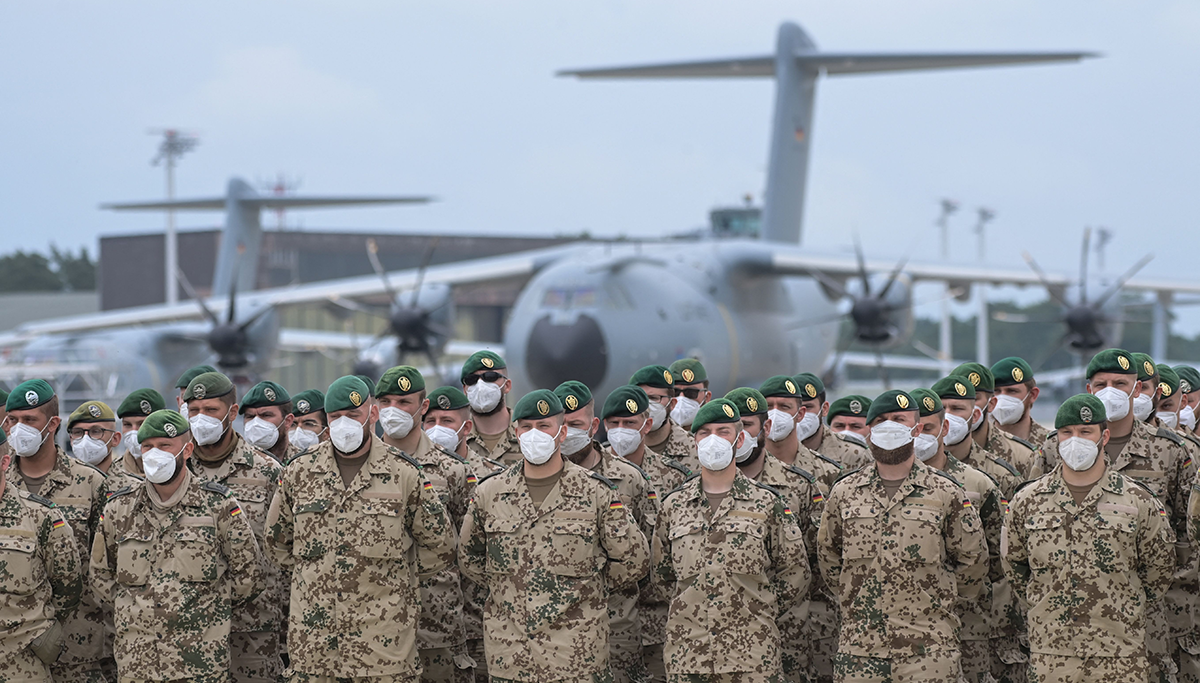
The withdrawal from Afghanistan marks the end of a historic chapter. It involves more than just the conclusion of a drawn-out international military engagement in Afghanistan. Rather, it signals the end of a decades-long phase in which Western militaries placed the broader Middle East and the fight against international terrorism at the center of their strategic attention. With competition between the great powers on the rise, Western militaries have realized their current vulnerabilities vis-à-vis near-peer competitors and the need to shift gears.
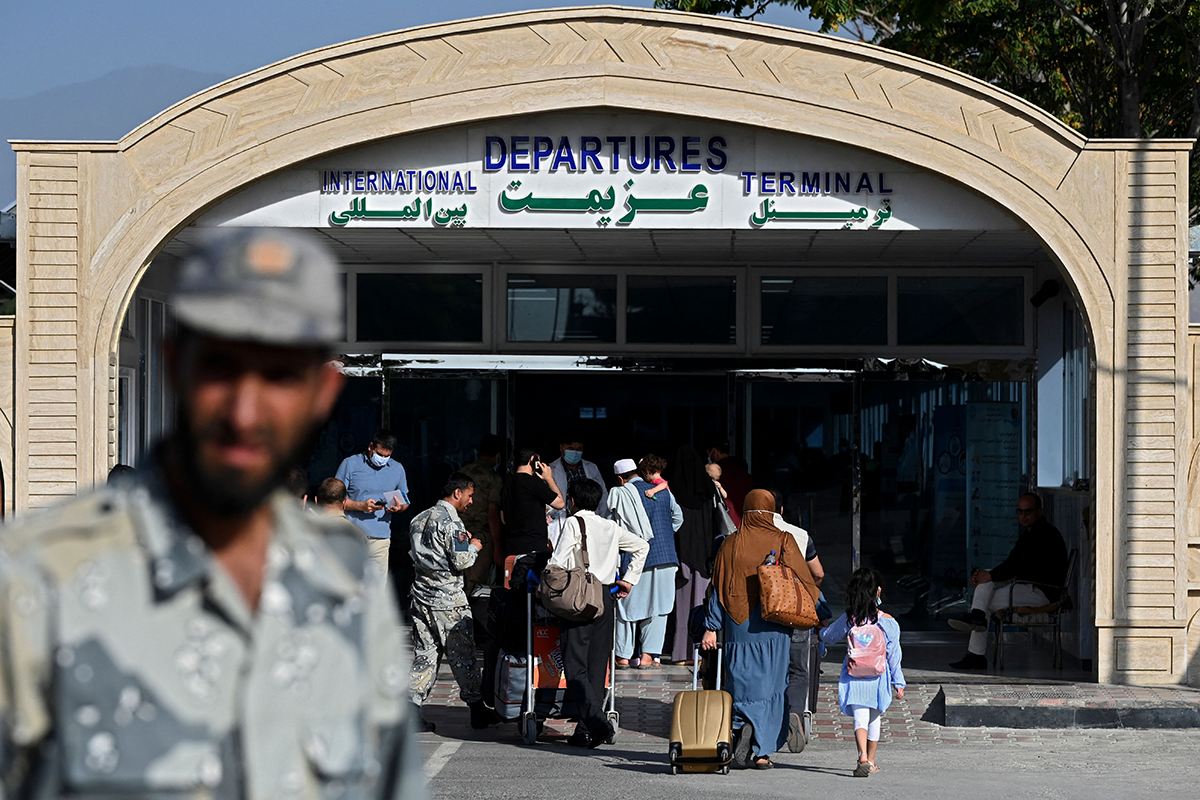
In a politically significant statement, Turkish President Recep Tayyip Erdoğan has asked the Afghan Taliban to “end the occupation of their brothers’ soil.” This follows a Taliban warning of severe consequences if Turkey were to remain in charge of security at Kabul Airport after the exit of American troops. Erdoğan’s message is likely to be interpreted differently by different stakeholders in the unfolding Afghan tragedy, a situation characterized by escalating violence, political uncertainty, and regional chaos.
While Western banks saw their valuations drop substantially during the first 18 months of the COVID pandemic — and have yet to recover — the declines among Saudi banks have been smaller and their valuations are now closer to, if not above, their pre-pandemic levels. Identifying the drivers of this seemingly contradictory trend helps us better understand the shifts within the Saudi banking sector and the growing impacts of policies related to Vision 2030, the country’s long-term economic development and diversification program.
Marvin Weinbaum, Husain Haqqani, and Mick Mulroy join host Alistair Taylor to discuss the future of Afghanistan following the imminent US military withdrawal.
روسيا تنهي مهمة إعادة هيكلة الجيش السوري.. بعد الفشل
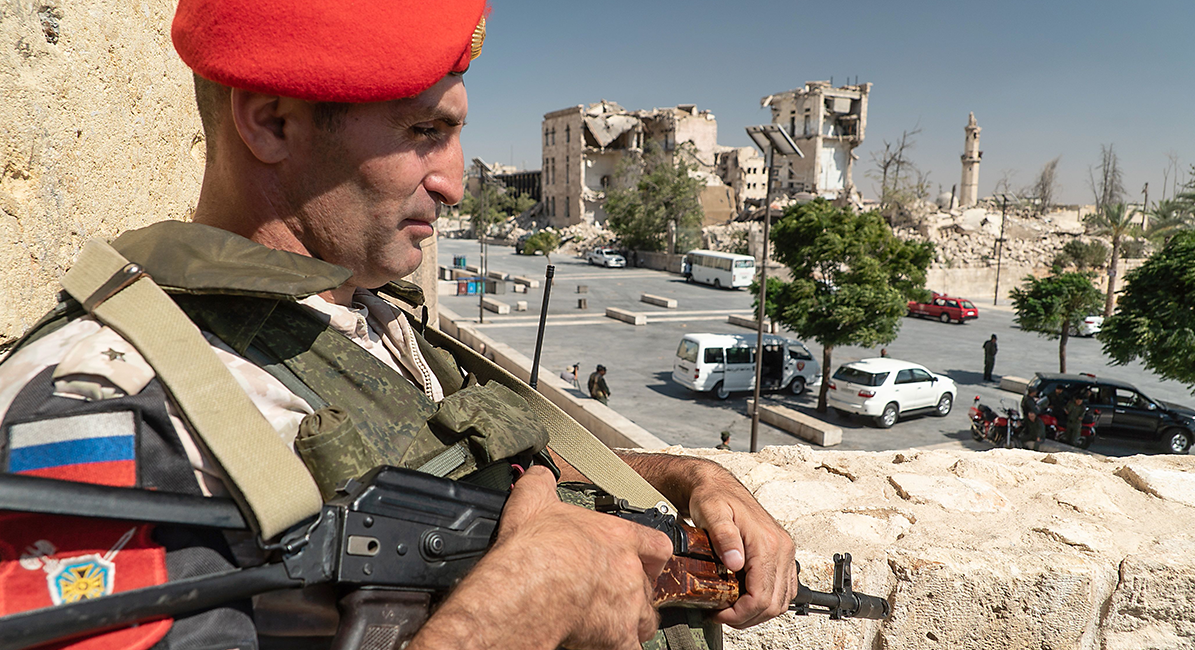
منذ بداية الانتفاضة السورية مايو 2011 وحتى صيف العام 2015، فشلت الميليشيات الإيرانية إلى جانب الجيش السوري والميليشيات المحلية في إعادة السيطرة على البلاد، على الرغم من العدد الهائل لمجموع هذه القوات أمام المتمردين الذين كانت حركتهم فوضوية في مقابل أجهزة أمنية وقوات منظمة، حيث سيطرت هذه القوات المتمردة على النظام السوري مساحات واسعة من سوريا.