This individual is a guest contributor. MEI is not able to assist with contact requests.
Attiya Ahmad is Georgetown University’s 2009-10 Center for International and Regional Studies Post-Doctoral Fellow. She recently completed her PhD in Cultural Anthropology at Duke University. Dr. Ahmad’s work brings together scholarship on Islamic studies, globalization, diaspora and migration studies, economic anthropology, and political economy.
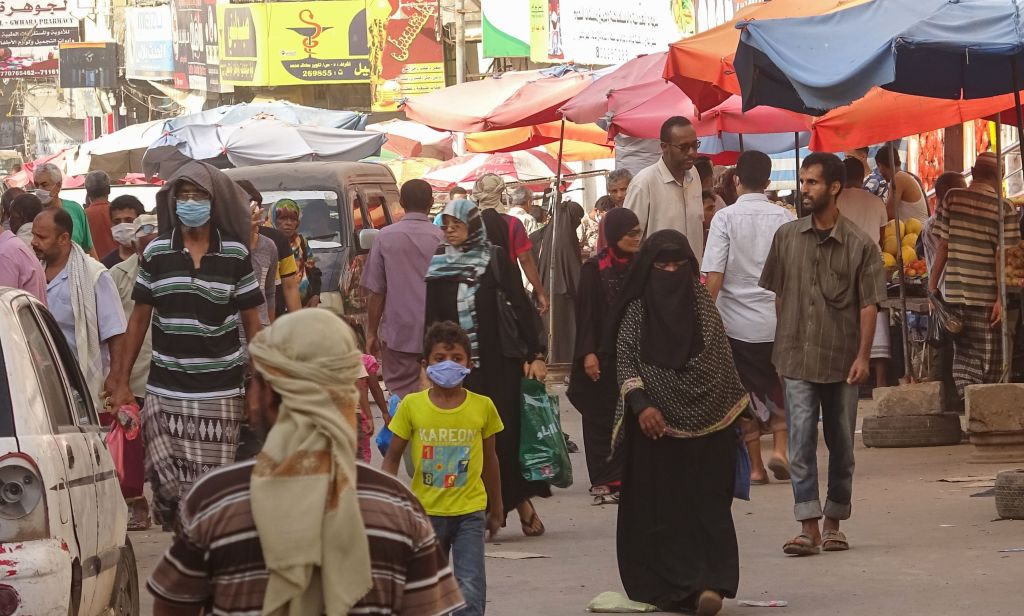
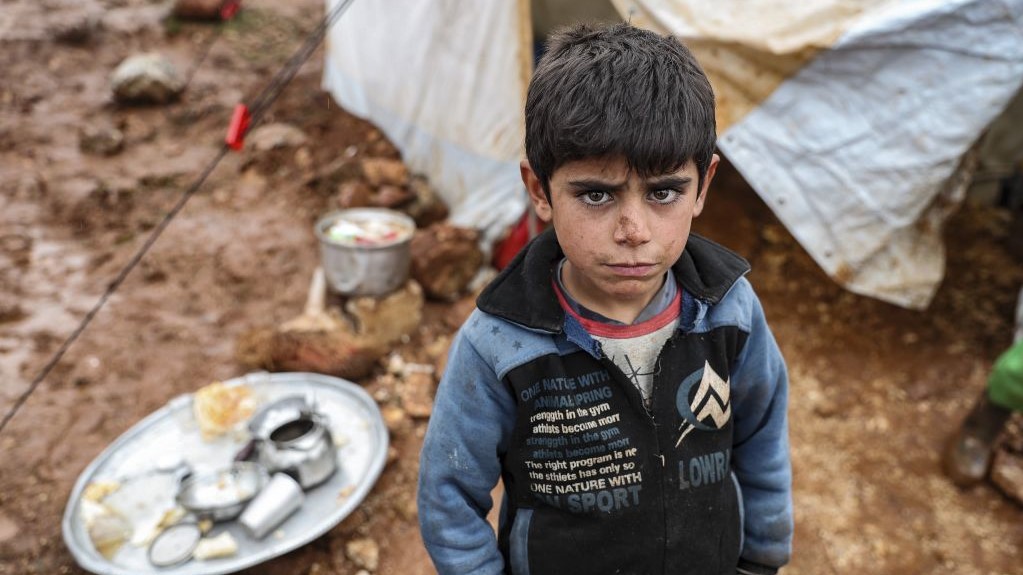
Since Yemen was first hit by the coronavirus in April, the southern port city of Aden has gone on to become the epicenter of COVID-19 in the country. While the number of cases and deaths remains low, the situation on the ground in Yemen is far more complex than the official numbers suggest.
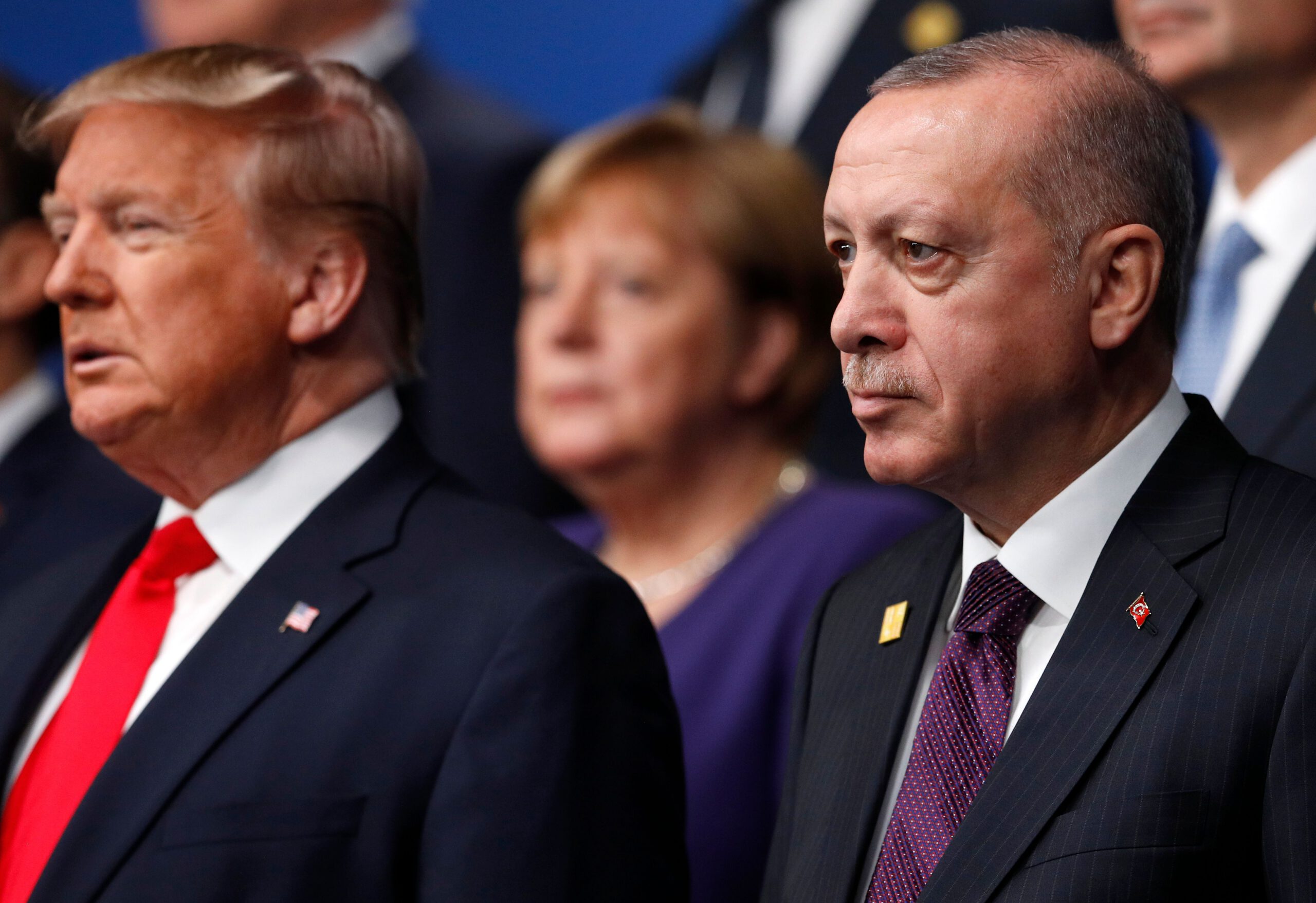
Turkish-US relations, while fraught with tension, must also align with a mutual interest in stability in the Middle East and preventing the spread of weapons of mass destruction.
For Palestinians, annexation spells further erasure of their history
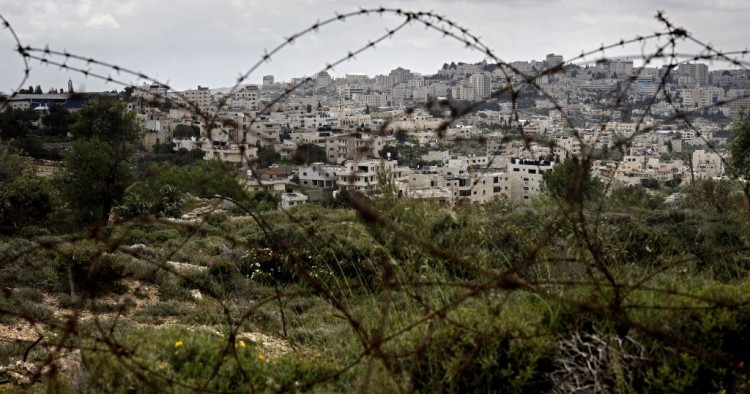
With the impending U.S.-supported annexation of West Bank territory, Palestinians living in these designated areas stand to lose not only their long-held aspirations for an independent state, but further eradication of their presence — a “spacio-cide” — in support of an Israeli-envisaged demographic and political vision.
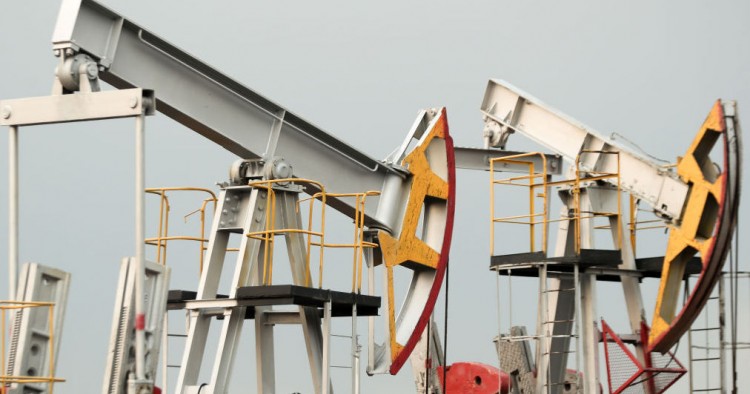
When OPEC+ ministers hold their next monthly meetings on July 14-15, the Saudis are likely to be a strong voice pushing for the continuation of production limits, for both economic and political reasons.
Brussels conference highlights tensions between Syria’s growing needs and political stalemate
The fourth Brussels Conference on Supporting the Future of Syria and the Region concluded last week with a drop in donations for 2020 for those affected by the decade-long war, a result which is disappointing but not surprising.
From Dependents To Allies: America's Gulf Relations Need Reform
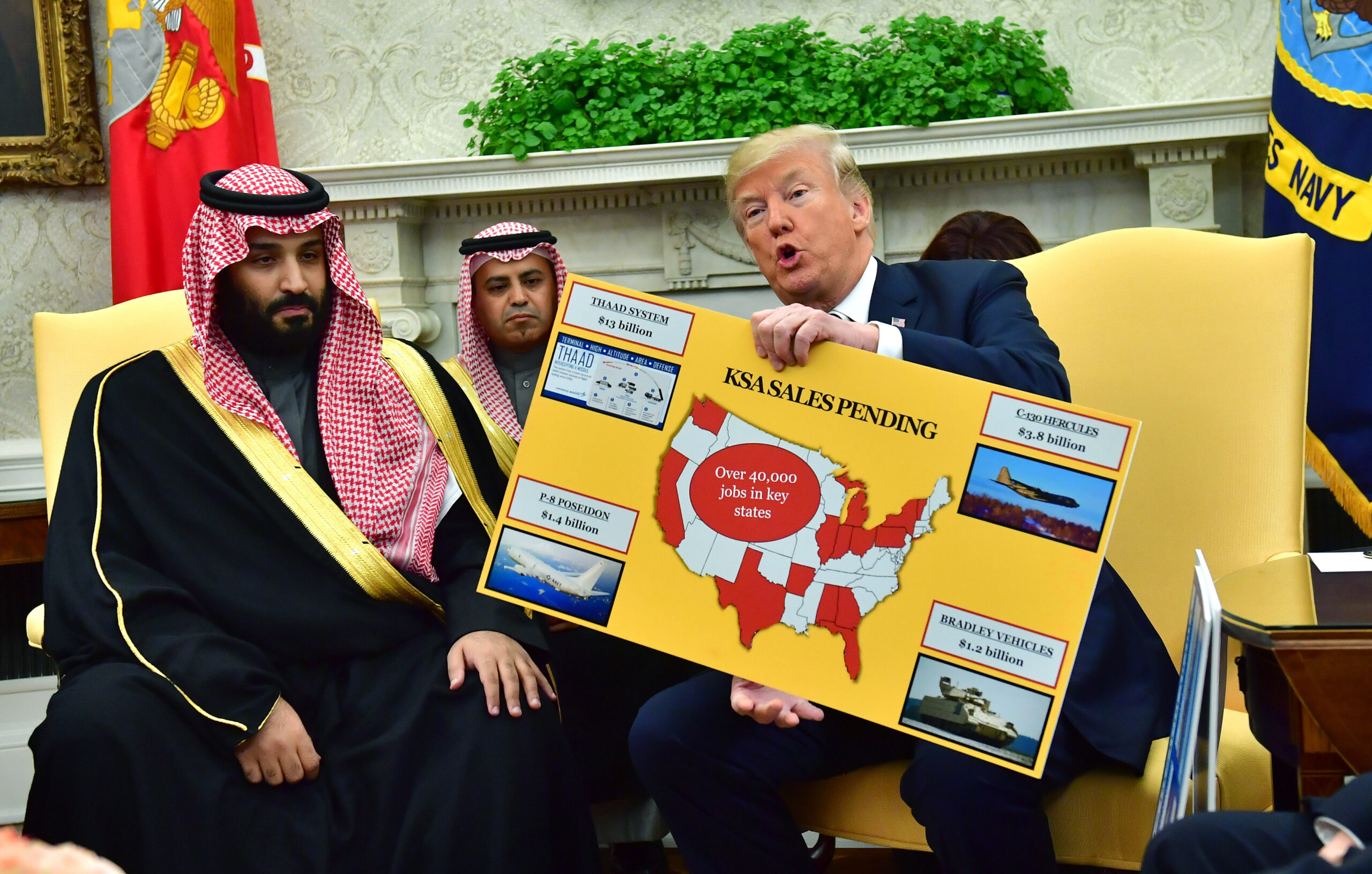
During three major crises, each happening under a different administration, the U.S.-Gulf partnership failed to effectively address the security concerns of the Gulf states. While no partnership is perfect, such major and persistent breakdowns in coordination among longstanding security partners are uncommon, and can be deadly if left unresolved.
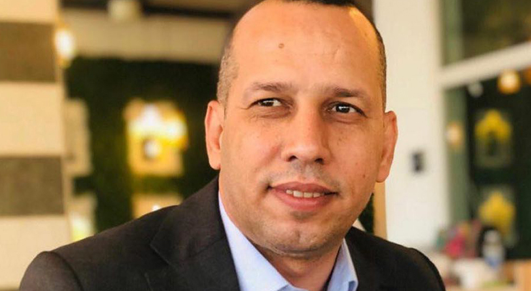
The Middle East Institute was shocked and deeply saddened to learn of the murder of the esteemed and admired Iraqi scholar Husham al-Hashimi outside his home in Baghdad on Monday, July 6.
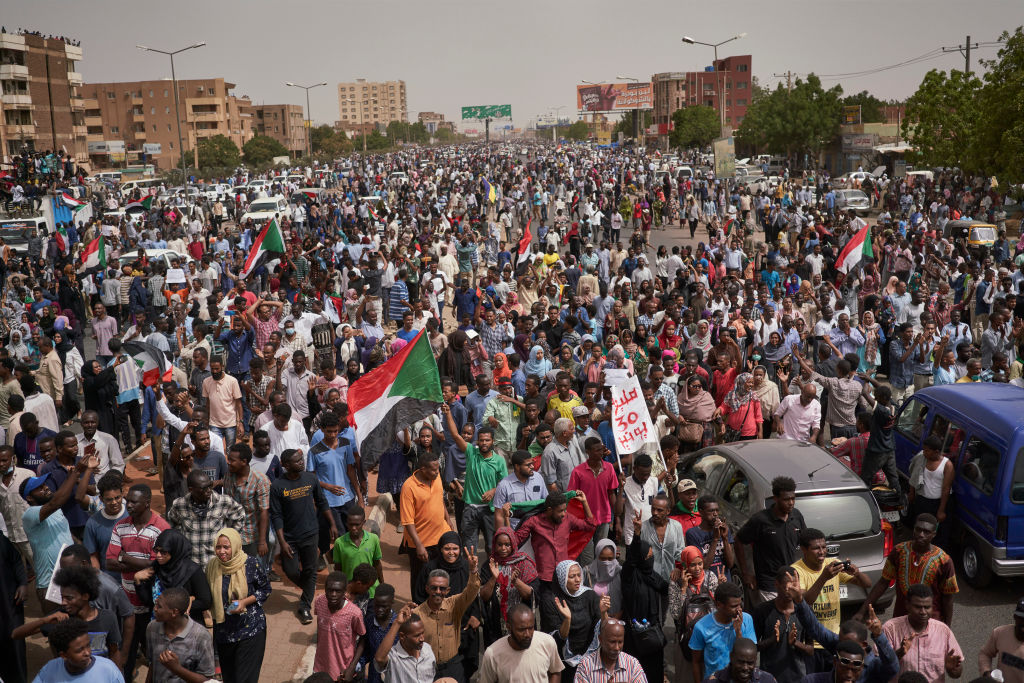
Sudan’s difficult transition to democracy, one year on
The double whammy of the economic fallout of COVID-19 and a lack of sufficient support from international donors is putting enormous pressure on PM Hamdok’s government.
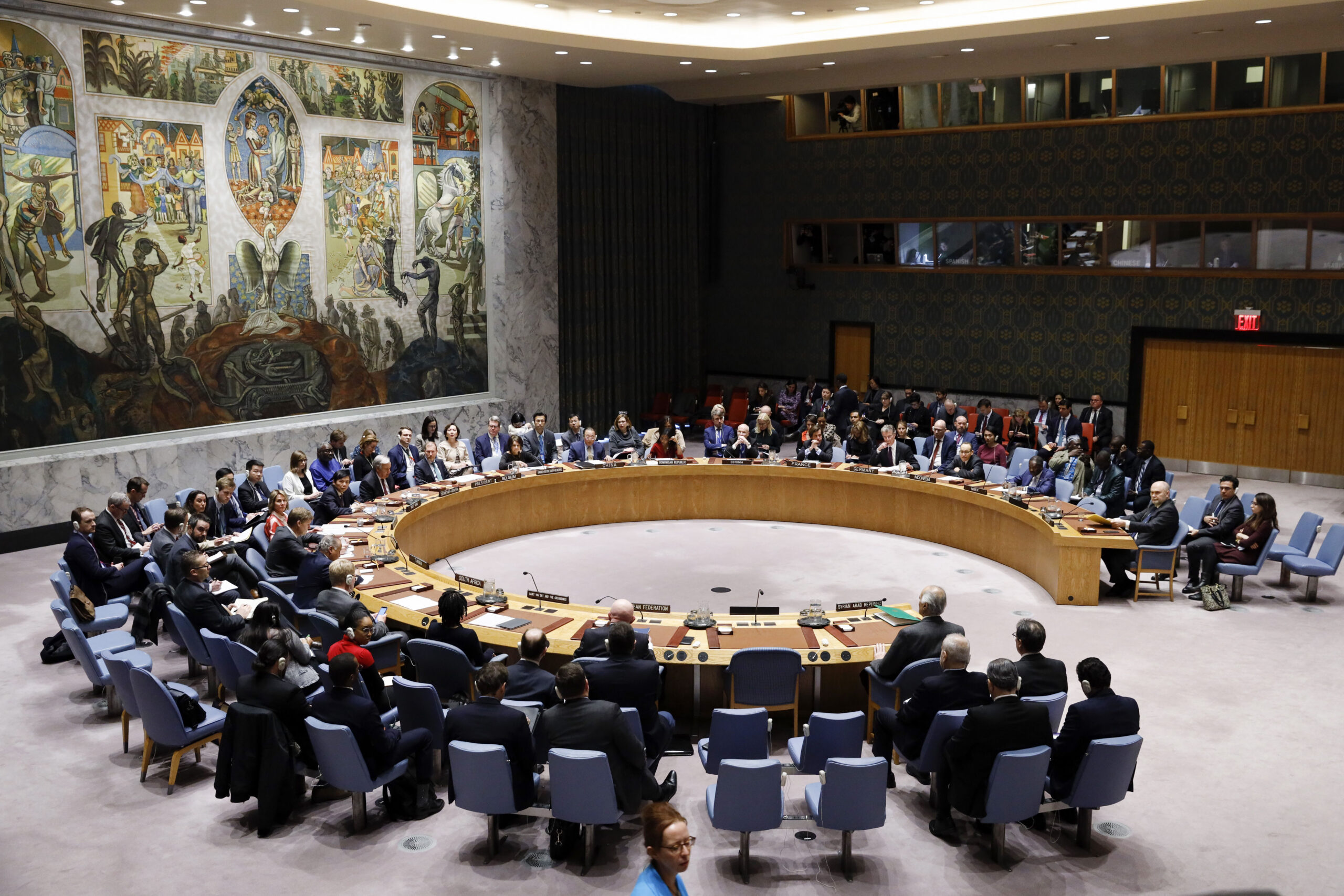
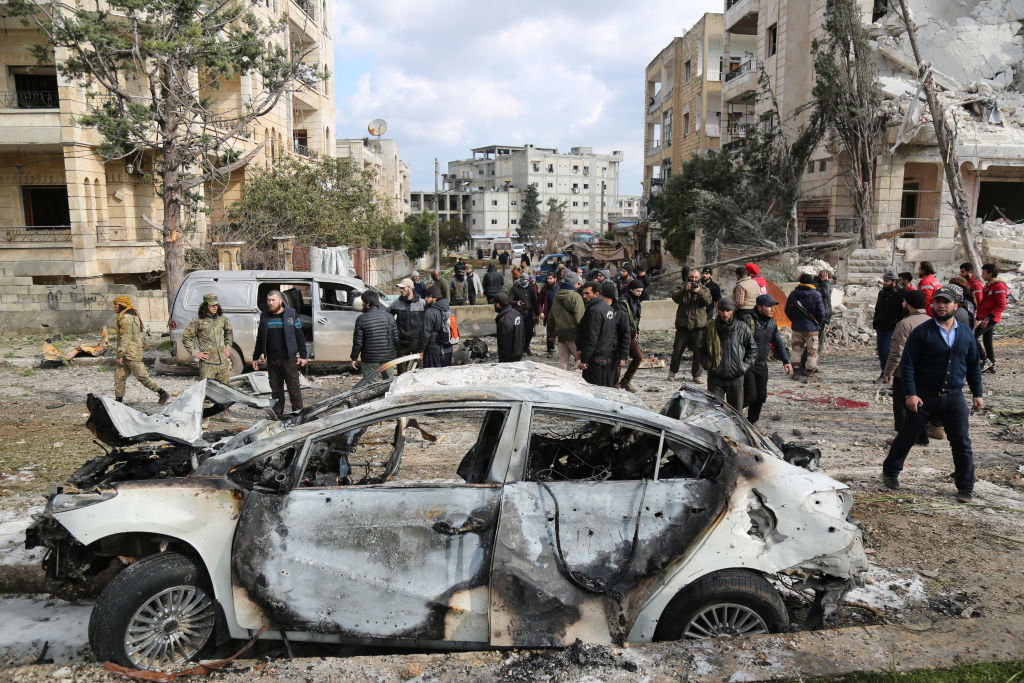
Monday Briefing: The UN Security Council must act now to save northwest Syria
This week’s briefing on recent news and upcoming events in the region featuring Dara Conduit, Marvin G. Weinbaum, Mark Heller, Syed Mohammad Ali, Gonul Tol, and Guled Ahmed.
The Islamic Republic's next generation of leaders: A profile of Alireza Arafi
Outside of clerical circles in Iran, the name of Alireza Arafi is hardly well known, but he deserves more attention. His entire career has been shaped by appointments given to him by Supreme Leader Ayatollah Ali Khamenei. In fact, Arafi may even be a candidate to succeed Khamenei when the day comes.
“إن قرار المحكمة التركية الصادر في 3 يوليو/تموز القاضي بإدانة عضوين سابقين بمنظمة العفو الدولية/
الفرع التركي، بتهم الإرهاب هو أحدث مؤشر على أن التعسف ربما يكون السمة البارزة لنظام أردوغان الجديد”
حاول المراقبون للشأن التركي منذ فترة طويلة العثور على مصطلح يصف بدقة “تركيا الجديدة” تحت فترة حكم الرئيس رجب طيب أردوغان.
Today’s landscape is dramatically different from that to which we awoke on Sept. 11, 2001. It’s a complex mix of foreign and domestic forces influenced by economic and social conditions that breed extremism which ebbs and flows across physical and cyber space often defined by great power competition. While terrorist groups like al-Qaeda and ISIS have innovated and adapted, U.S. counterterrorism strategy has remained unchanged, fighting yesterday’s war while neglecting present day threats as well as those over the near horizon. America is long overdue to update its counterterrorism strategy and, perhaps more importantly, how we measure success.
حلقة 1: الاتجاهات الكبرى في المنطقة وفي السياسة الخارجية الأمريكية — مع بول سالم
ضيف هذه الحلقة الدكتور بول سالم، رئيس معهد الشرق الأوسط في واشنطن. نناقش الاتجاهات والسمات الأساسية لما تمر به دول الشرق الأوسط ومجتمعاتها، وما تعنيه التقلّبات والاضطرابات التي نشهدها. وكذلك نناقش ثوابت السياسة الخارجية الأمريكية، وما يمكن أن يتغير بين إدارة وأخرى في السنوات القادمة.