This individual is a guest contributor. MEI is not able to assist with contact requests.
Attiya Ahmad is Georgetown University’s 2009-10 Center for International and Regional Studies Post-Doctoral Fellow. She recently completed her PhD in Cultural Anthropology at Duke University. Dr. Ahmad’s work brings together scholarship on Islamic studies, globalization, diaspora and migration studies, economic anthropology, and political economy.
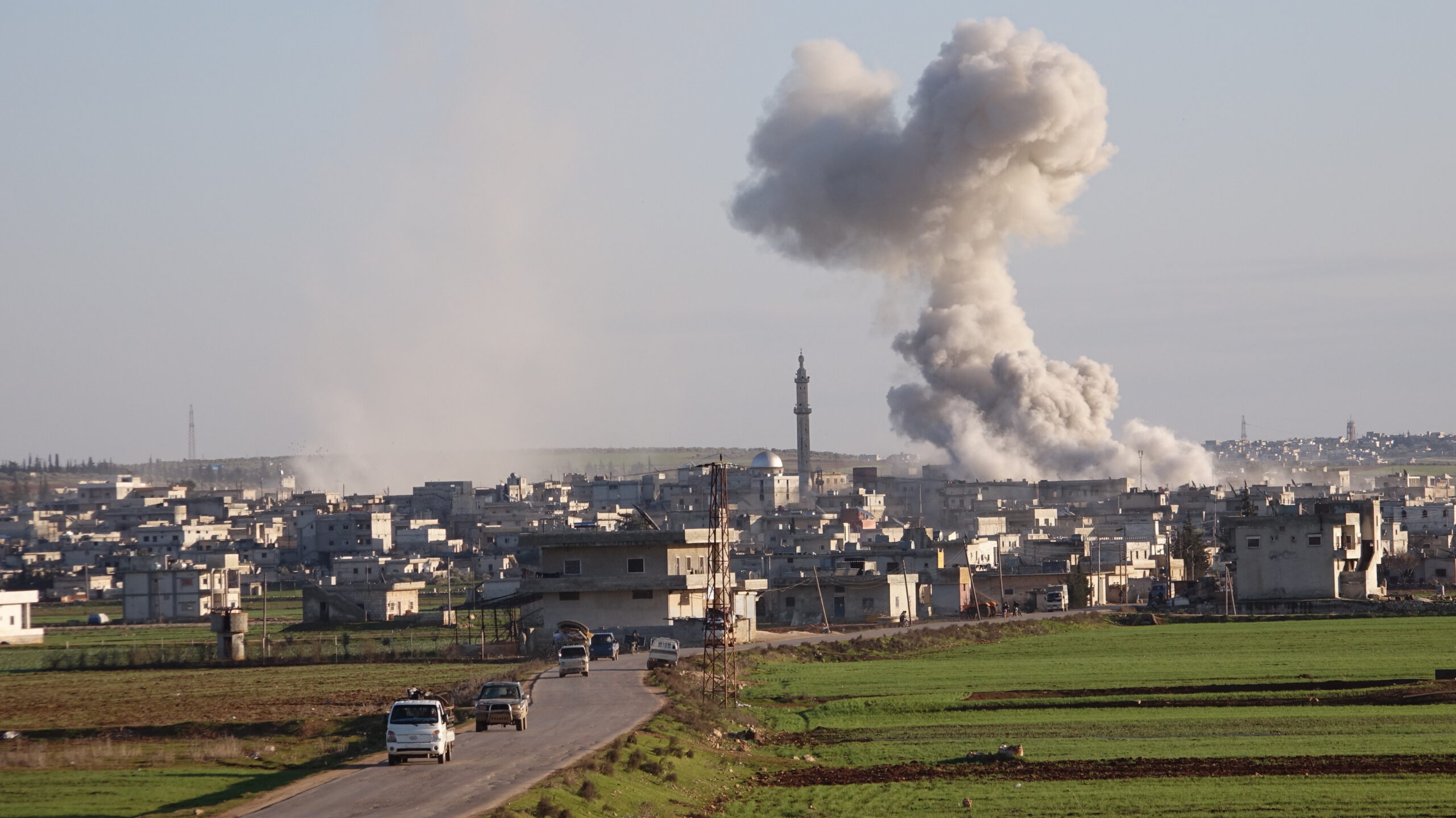
If the West leaves Idlib to Russia and Assad, it won’t be only Syrians who pay the price
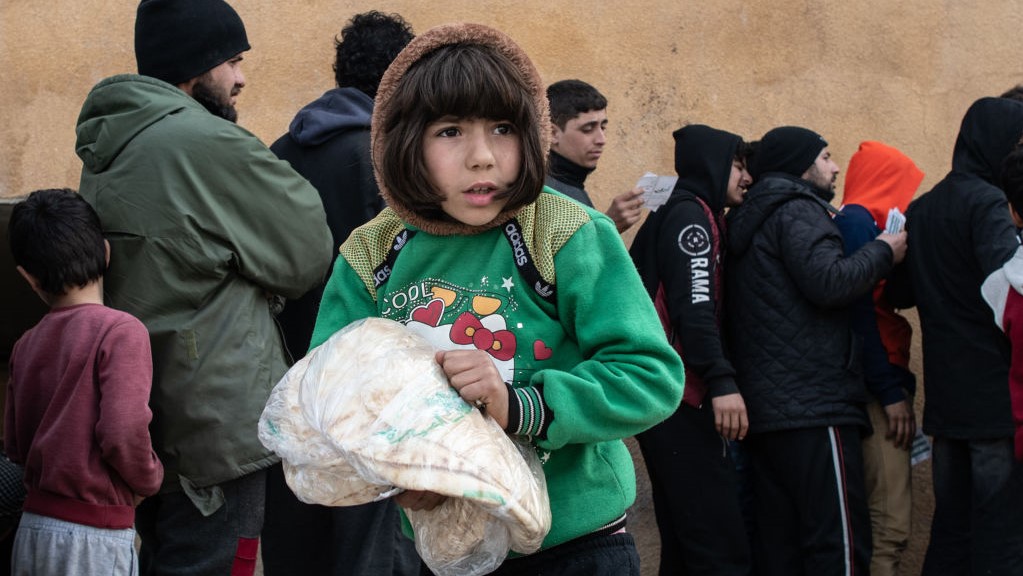
If Assad and the Russians are not reined in and are instead allowed to conquer Idlib — and the more than three million people trapped there — the results could be catastrophic, leading to massive displacement and loss of life.
Russia’s Middle East: You probe with bayonets. If you find mush, you proceed …
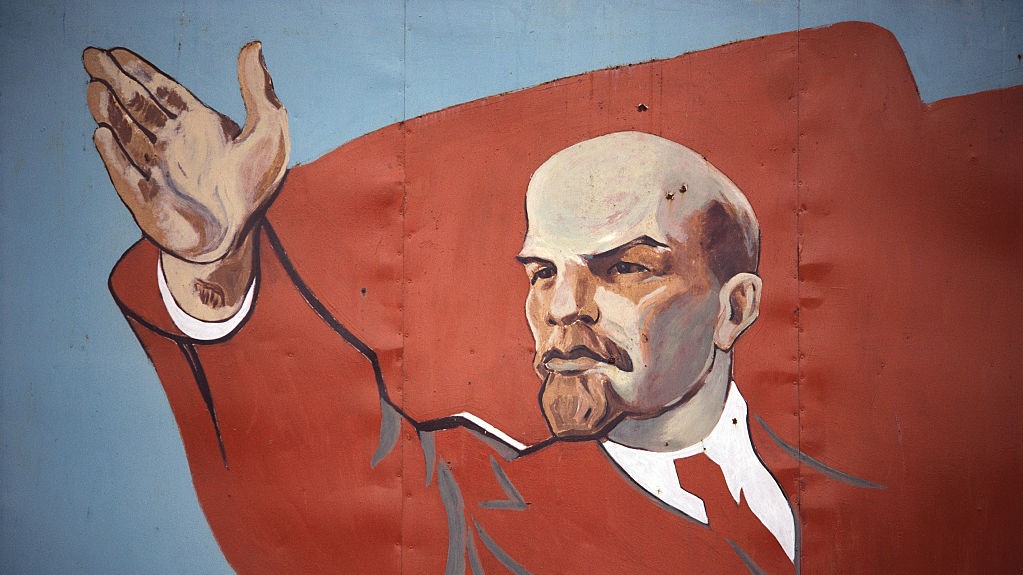
This paper looks at the 2018 U.S. National Defense Strategy (NDS), and the Irregular Warfare Annex (IWA) to that guiding document, with recommendations on how to better implement the strategy. It also analyzes the current Russian way of conducting irregular warfare by reviewing their actions in Ukraine, Syria, and Libya.
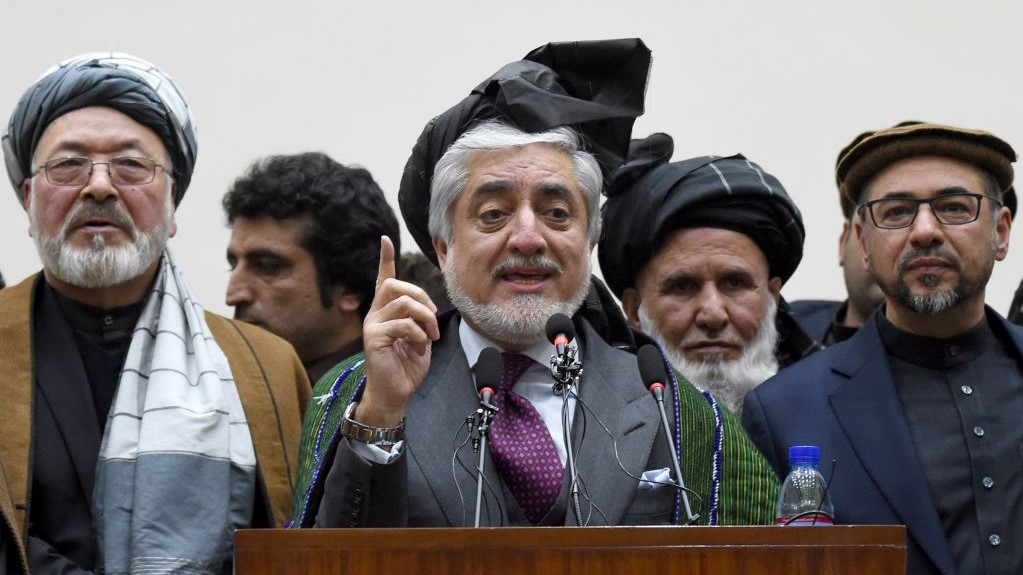
Amel Boubekeur, Robert S. Ford, and Dalia Ghanem join host Alistair Taylor to discuss the huge national protest movement, known in Arabic as “Hirak,” that has brought millions of Algerians to the streets over the past year. The movement has pushed for sweeping reforms of the political system and a change in the ruling elite, leading to the resignation of long-time President Abdelaziz Bouteflika in April 2019.
Community Policing in the Middle East and Africa: A Matter of Context?
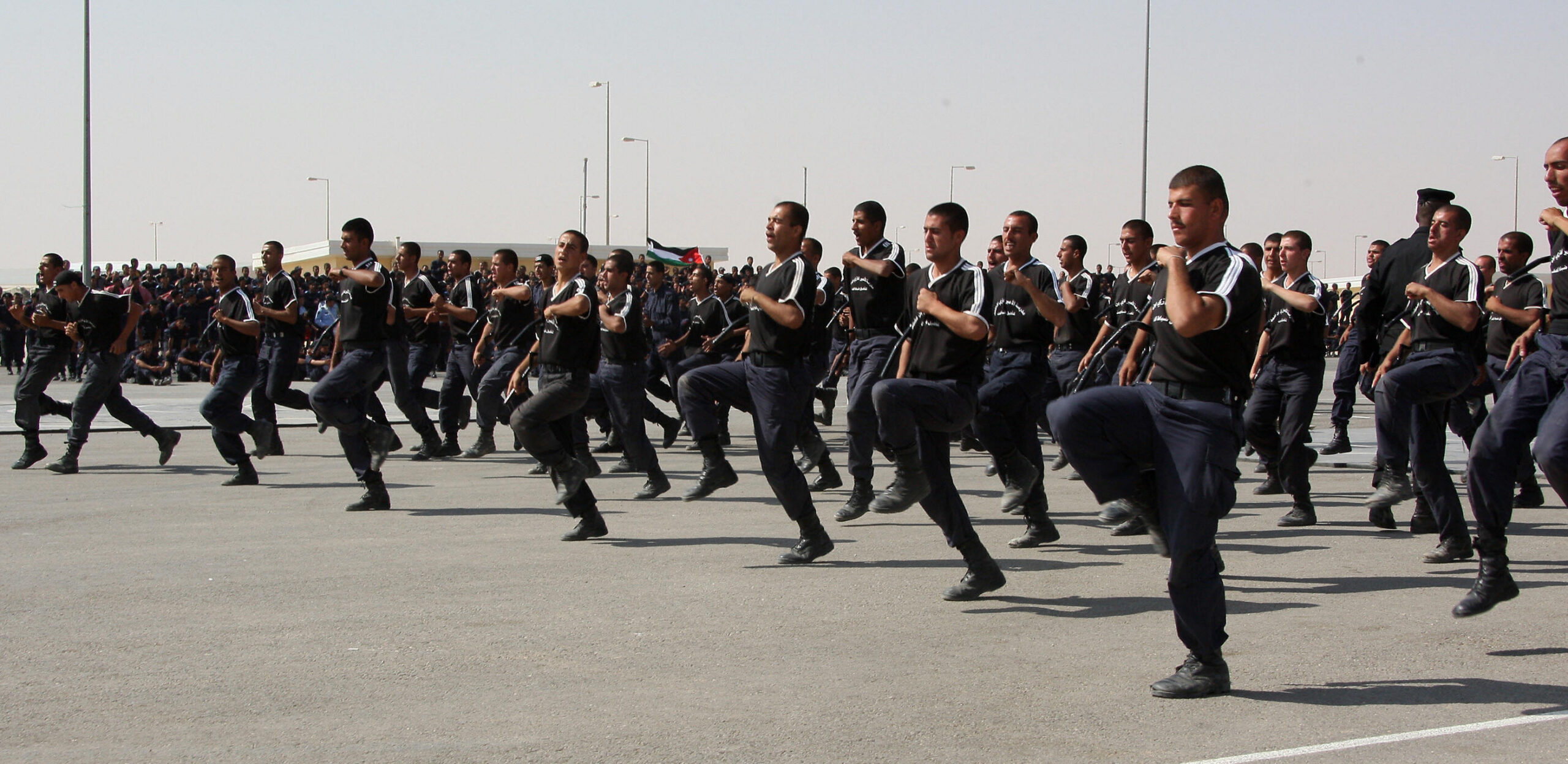
This article explores some of the challenges associated with introducing what is, in effect, a “Westernized” community policing concept to the Middle East and Africa. The authors are practitioners in this area from Northern Ireland and Jordan having in excess of 50 years policing experience between them. They have advised upon, trained and implemented programs on “Community Policing and Engagement” in the Middle East (Jordan, Qatar, Lebanon) as well as in the Horn and South East Africa, Central Asia, Eastern Europe and the Balkans. They argue that more attention needs to be paid to basic context setting and understanding of the perceptions of the beneficiary state and communities therein on, what can be, an alien concept of Community Policing/Engagement and Outreach. They further argue that problem solving and informal justice/dispute resolution mechanisms in the Middle East, Horn and Sub-Saharan Africa can form part of a new and bespoke package “fit for purpose” in these contexts.
The UAE may have withdrawn from Yemen, but its influence remains strong
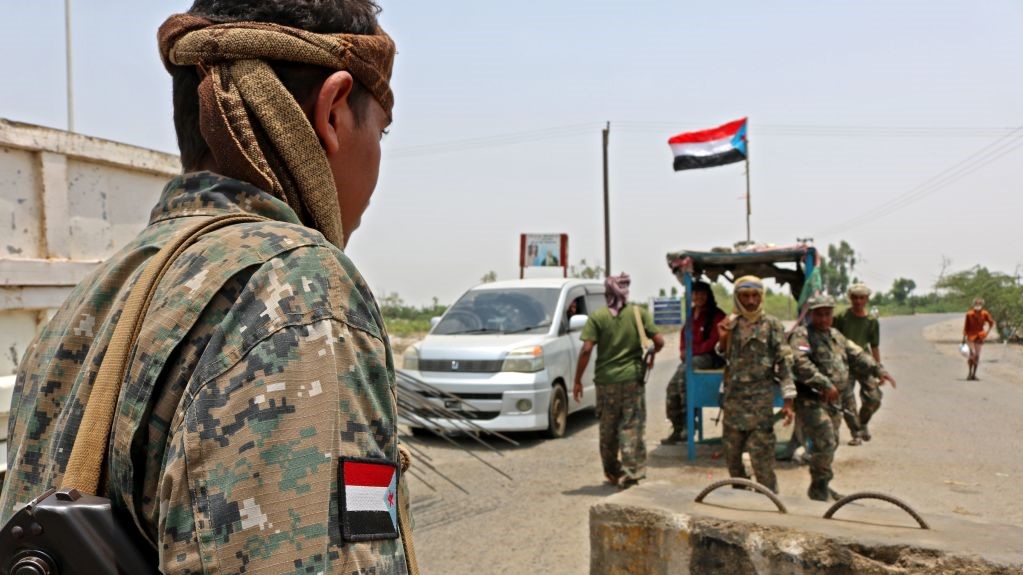
On Feb. 9, 2020, after five years of involvement in Yemen’s civil war as part of the Saudi-led coalition, the UAE’s leadership celebrated the completion of its phased military withdrawal from the country in a ceremony at Zayed Military City. Although the UAE’s withdrawal has provided an exit strategy from the stalemate in Yemen, it neither suspends Abu Dhabi’s role in the coalition nor curtails Emirati influence on the ground.
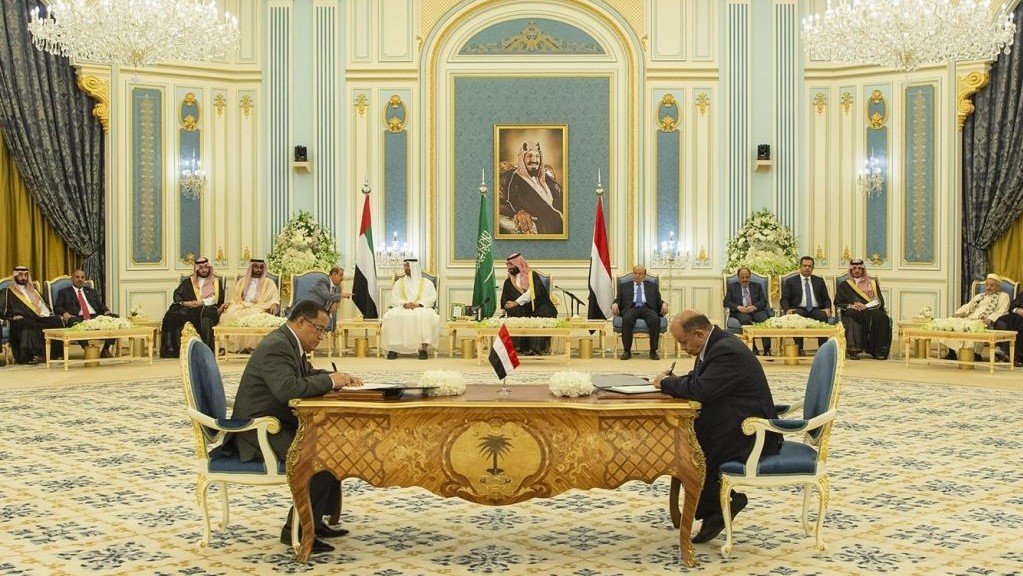
Obstacles to the implementation of the Riyadh Agreement
Now that all of the implementation deadlines have come and gone, where do things stand with the Riyadh Agreement, signed in late 2019 by Yemen’s Hadi government and the Southern Transitional Council?
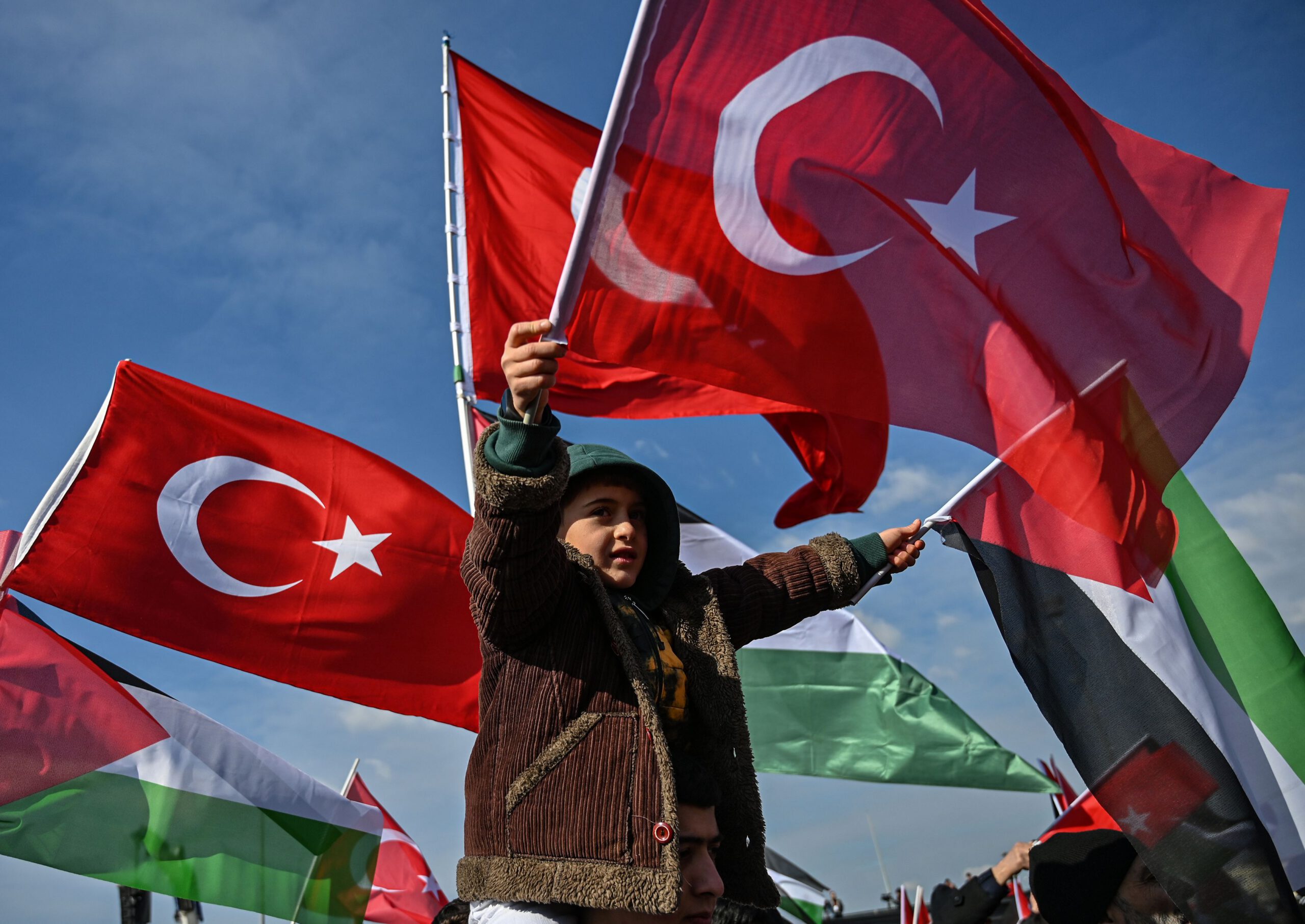
Why Erdogan can't afford to back down over conflict with Assad and Russia
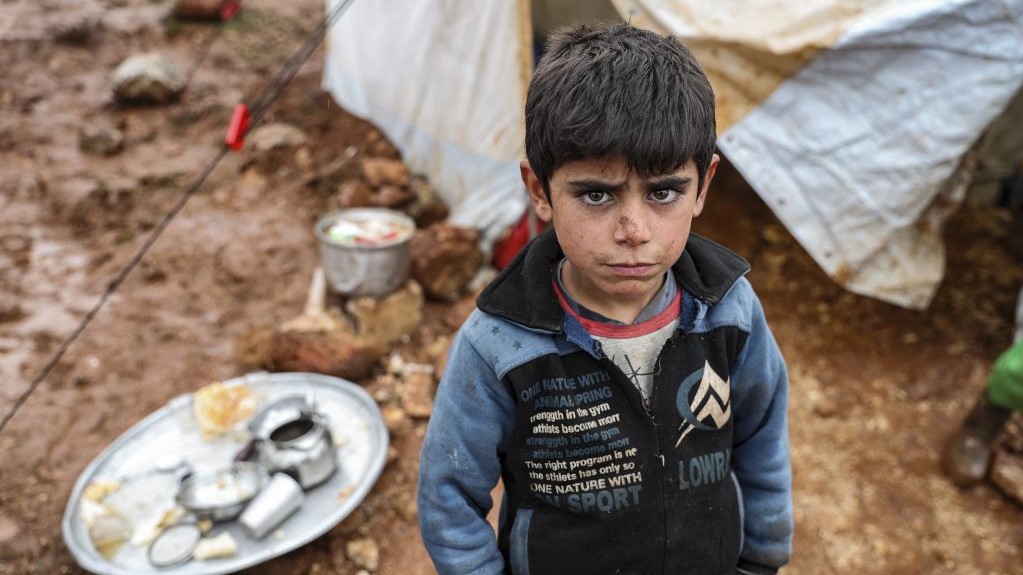
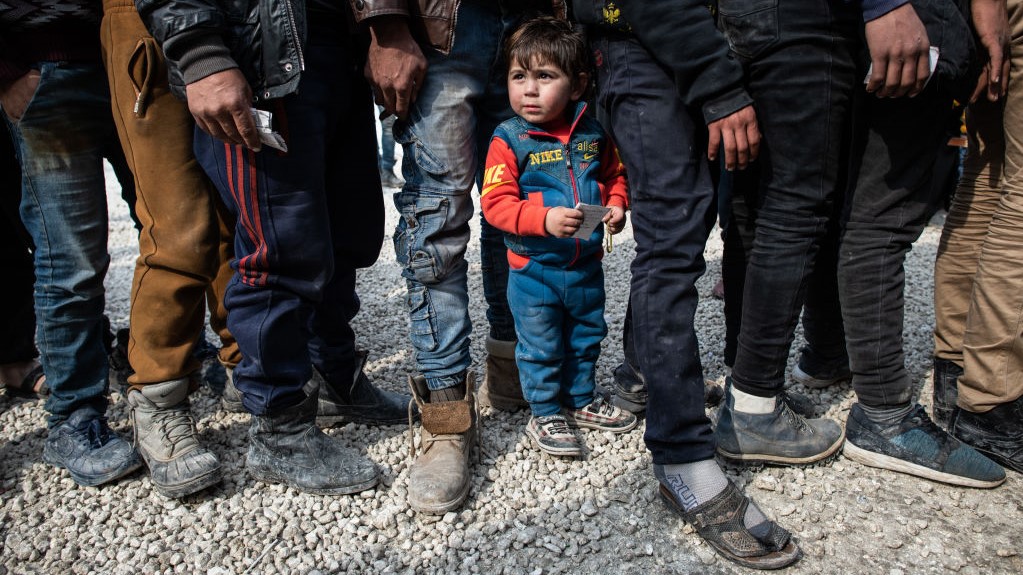
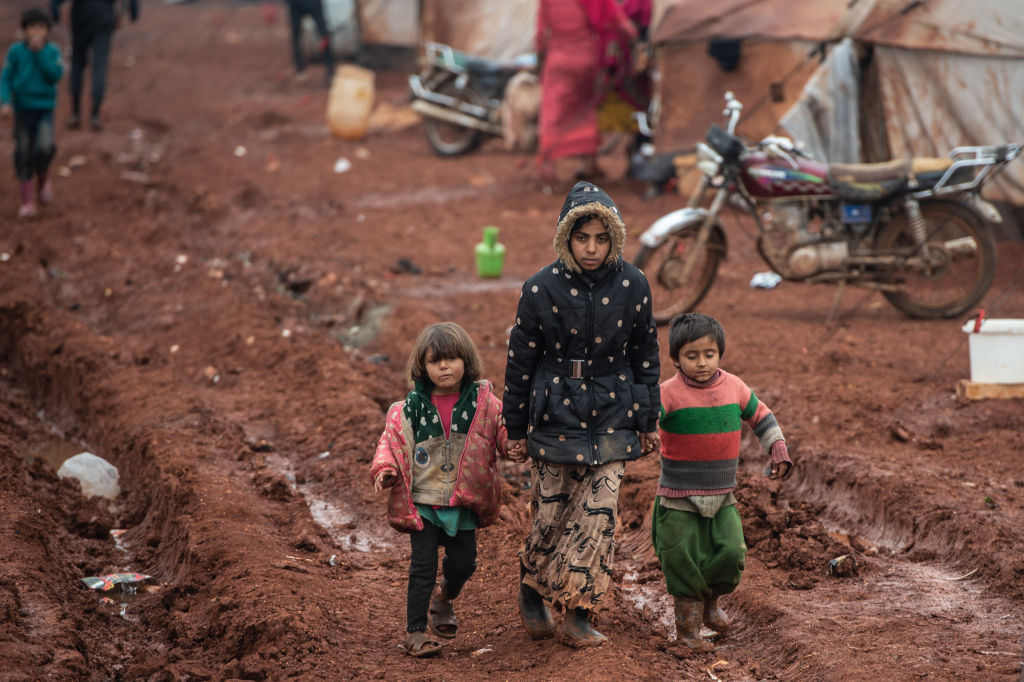
Nearly a million civilians, 81 percent of them women and children, have been displaced from their homes in 90 days in Syria’s northwestern province of Idlib, amid a brutal military campaign by Syria’s Assad regime, Russia and Iran-backed militias.
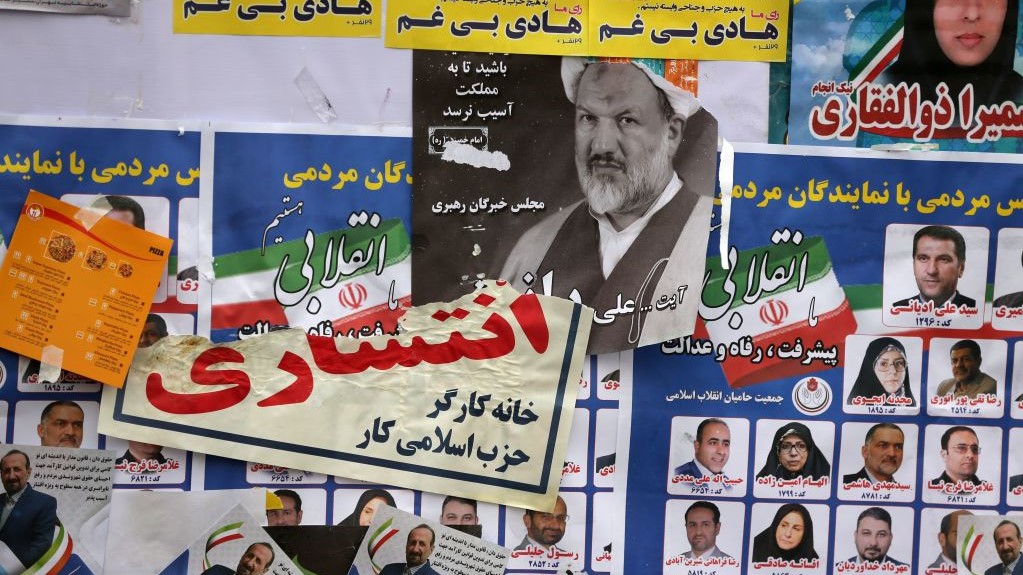
The outcomes of elections in the Islamic Republic are not about the choices the Iranian voters want to make, but about Khamenei’s self-serving calculations.
Why there’s little media coverage of the Lebanon and Iraq protests
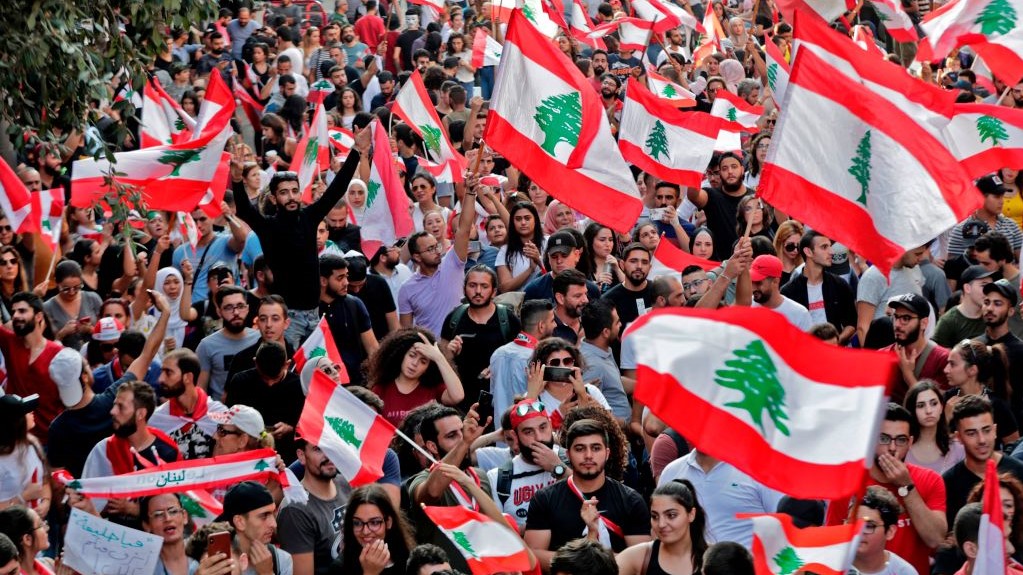
Lebanese and Iraqi protesters have faced an uphill battle drawing global media attention since Arab Spring-like uprisings erupted in both countries last October. Coverage of the protests has been dwarfed by other major international news stories running concurrently with the uprisings, such as Brexit and the Hong Kong protests. The main implication of low coverage has been a lack of sustained international pressure on Lebanese or Iraqi political leaders to accommodate protester demands for wholesale systematic changes.
Middle East disinformation: 2020 prospects & solutions
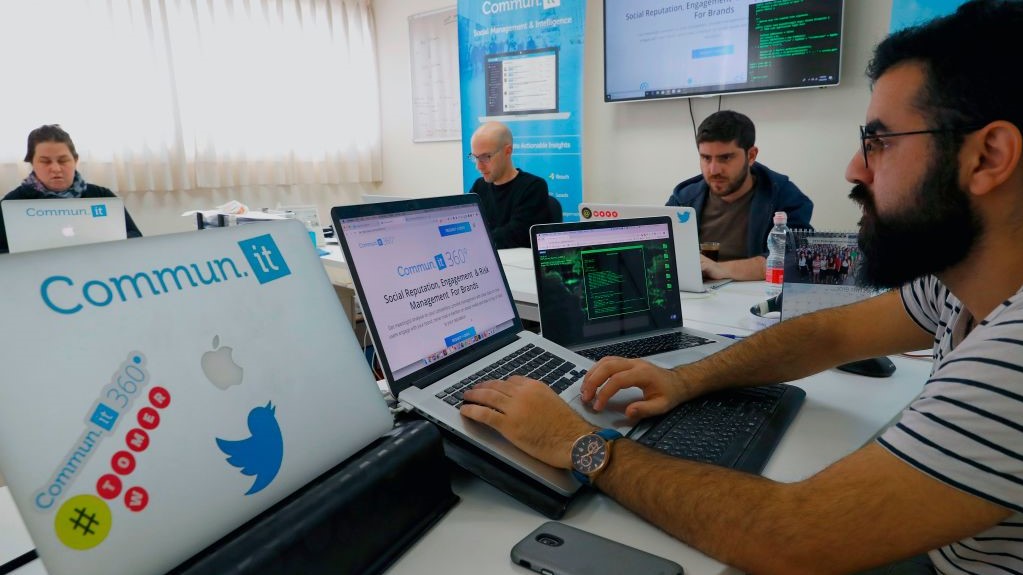
Social media has transformed the information landscape in the Middle East over the past decade. The 2009 Green Revolution and the 2011 Arab Spring demonstrated the enormous power of platforms like Twitter and Facebook for political organizing. Popular perception in the U.S. at the time was that these services would democratize a region notorious for its strongman governments. But it also showed governments and militants in the Middle East how powerful social media campaigns can be, if co-opted for their own purposes.