Attiya Ahmad is Georgetown University’s 2009-10 Center for International and Regional Studies Post-Doctoral Fellow. She recently completed her PhD in Cultural Anthropology at Duke University. Dr. Ahmad’s work brings together scholarship on Islamic studies, globalization, diaspora and migration studies, economic anthropology, and political economy.
The Latest from Attiya Ahmad
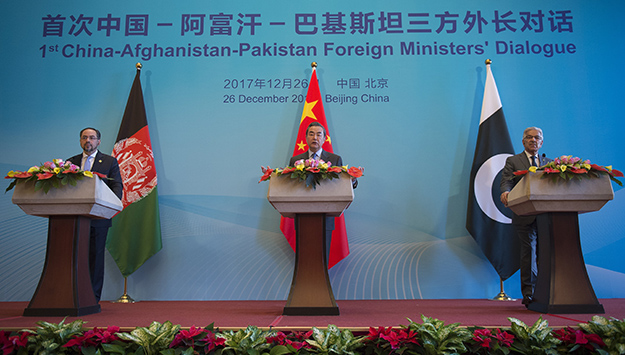
China, US differ on road to peace in Afghanistan
Afghanistan remains a key military and diplomatic challenge for the United States, with far-reaching strategic and economic implications. While achieving stability in war-torn Afghanistan is a prerequisite for regional peace, fixing matters there has become hostage to innumerable domestic contradictions as well as deep-rooted strategic mistrust among key regional stakeholders.

Democracy, Inclusion and Political Moderation: Lessons from Religious Movements in the Middle East and Indonesia
There is a longstanding argument that inclusion in the political process can moderate Islamist groups. Looking at the evolution of Islamic movements in Egypt and in Indonesia, this essay suggests that patterns of informal inclusion, the nature of regime repression and the role of state ideology can all have significant impacts on the diversity of religious life and mass appeal of reformist voices.
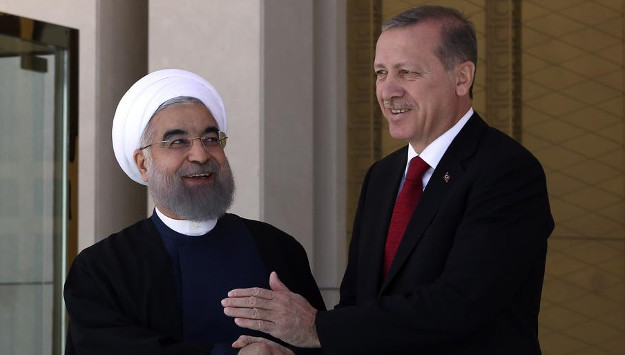
Turkey summons Iranian, Russian envoys over ceasefire “violations” in Syria
The Turkish government today summoned the Iranian and Russian ambassadors to protest “recurrent attacks” by the Syrian Army in Idlib Province against Syrian opposition forces backed by Ankara, the
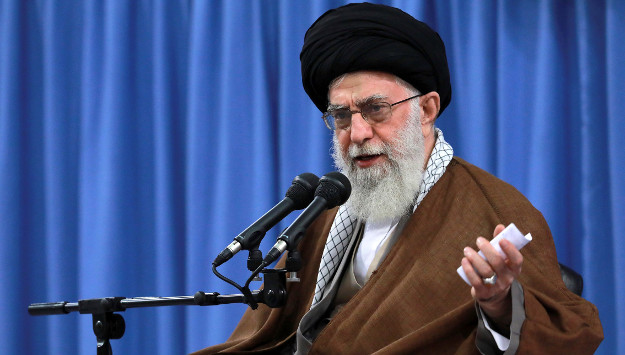
Khamenei defies protesters' demand for ending costly regional role, threatens US
Iran’s Supreme Leader today accused the United States and its regional allies of fomenting unrest in the country and warned that Tehran will retaliate against Washington. “You inflicted damage on Iran in these days and this will not go unanswered,” he stressed, addressing the US government. “The American President says that… the Iranian government is terrified by America’s power. Well, if we’re scared of you, how did we drive you out of Iran in the 1970s and evicted you from the entire region in 2010s?” he added.
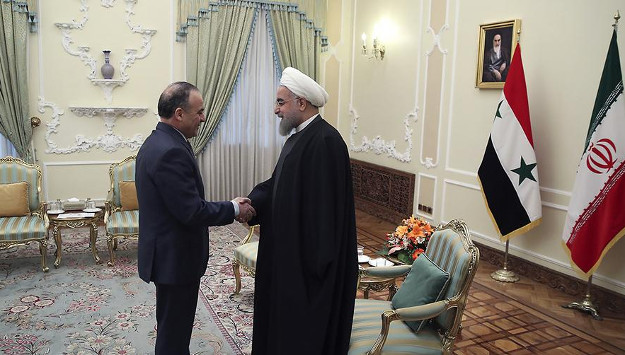
Iran eyes major role in Syria's reconstruction
An Iranian parliamentary delegation visited Syria to seek ways of boosting bilateral ties between the two countries, particularly in the economic and trade sectors.

2018 Middle East preview: what to expect
In place of this week’s Monday Briefing we asked over a dozen MEI scholars to discuss their expectations for key trends, events, and policies across the region in 2018.
Trump’s year two in the Middle East: burying the peace process, struggling with Iran
Paul Salem, Senior Vice President for Policy Research and Programs
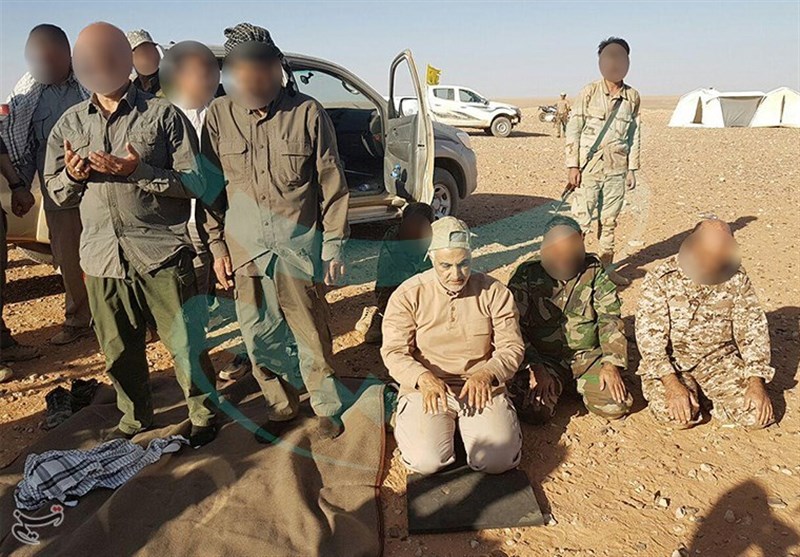
More than 10,000 Afghans sent by Iran to Syria reported killed and injured
An official of the Fatemiyoun Division has revealed that at least 2,000 Afghan Shiites have been killed and 8,000 more injured in the Syrian conflict – more than twice the number previously reported. The Fatemiyoun Division is a predominantly Afghan militia unit that has been fighting under the leadership of Iran’s elite Quds Force in Syria to prop up the embattled regime of Bashar al-Assad.
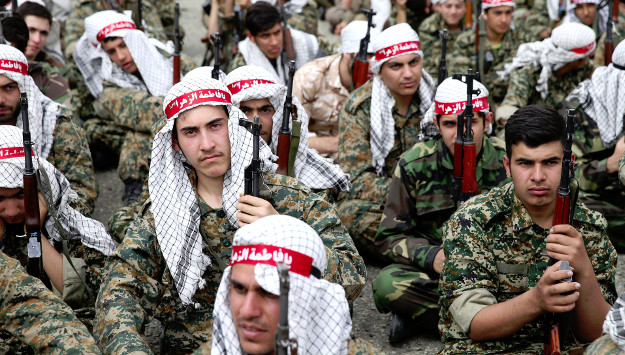
IRGC takes steps to further securitize Iranian society in wake of anti-regime protests
A senior official of the Islamic Revolution Guards Corps has announced that the paramilitary Basij Force will soon begin patrolling missions in the capital city of Tehran, IRGC-affiliated media outlets reported. “All necessary coordination efforts for a plan to conduct region-centric patrols have taken place with the law enforcement forces and the Judiciary. And this plan will soon begin in Tehran,” Brigadier General Mohammad Reza Yazdi, the commander of the IRGC Greater Tehran’s Mohammad Rasullah, said.
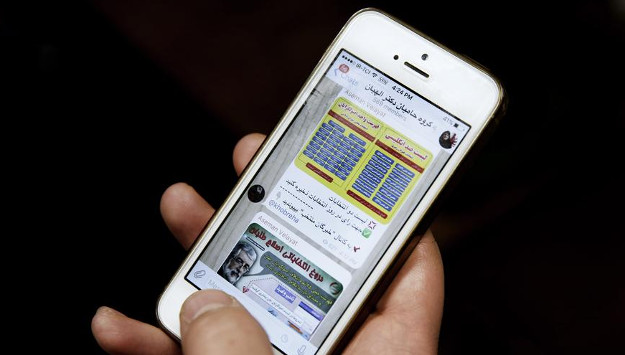
Iran Intensifies Internet Crackdown as Protests Spread across the Country
Since antigovernment protests began in the Iranian city of Mashhad last week and soon spread across the country, Islamic Republic authorities have intensified Internet crackdown in an effort to block the Iranian people from access to information and means of communication. The primary target has been Telegram, the most popular messaging app used by about half of Iran’s 80 million population. Over the weekend, the Iranian government “temporarily” blocked Telegram and Instagram, another popular social media platform.
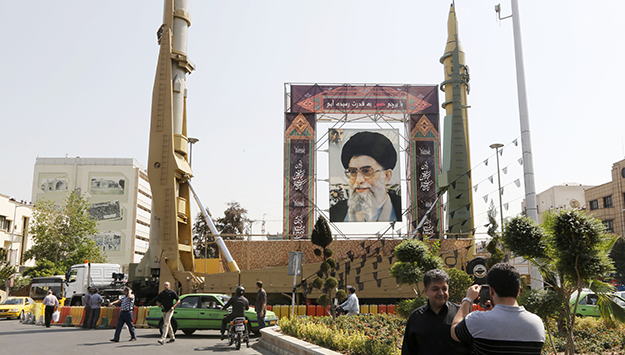
The Trajectory of the Iranian Military
Read the full article (PDF) published by Middle East Studies at Marine Corps University.
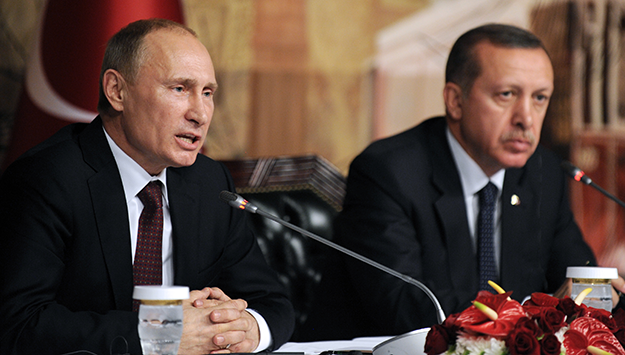
Why is Turkey Silent on Russia’s Cooperation with the Syrian Kurds?
Read the full article on War on the Rocks.
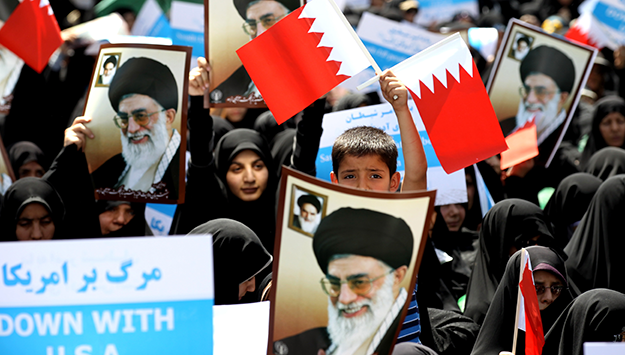

An Interview with Ziad Doueiri, Director of The Insult
The Middle East Institute will be screening Ziad Doueiri’s The Insult at Georgetown University in Washington, DC on January 12. Get your tickets here!



