Attiya Ahmad is Georgetown University’s 2009-10 Center for International and Regional Studies Post-Doctoral Fellow. She recently completed her PhD in Cultural Anthropology at Duke University. Dr. Ahmad’s work brings together scholarship on Islamic studies, globalization, diaspora and migration studies, economic anthropology, and political economy.
The Latest from Attiya Ahmad
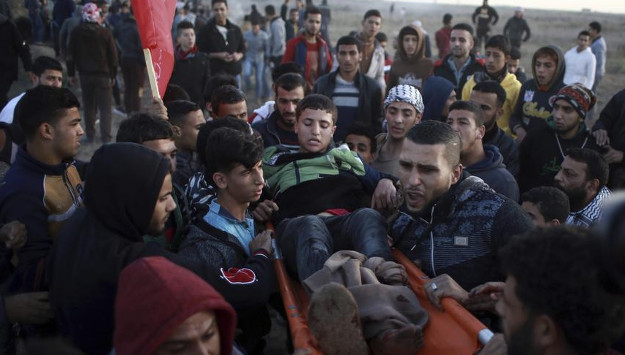
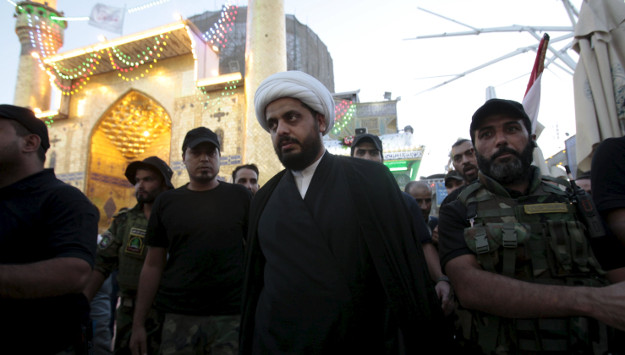
Iran-Backed Militia Leader’s Tour of Lebanese-Israeli Border Raises Concern
A prominent Iranian-supported Iraqi militia commander has visited the Lebanese-Israeli border and pledged to support Hezbollah in a potential war against Israel in the future, Iranian and
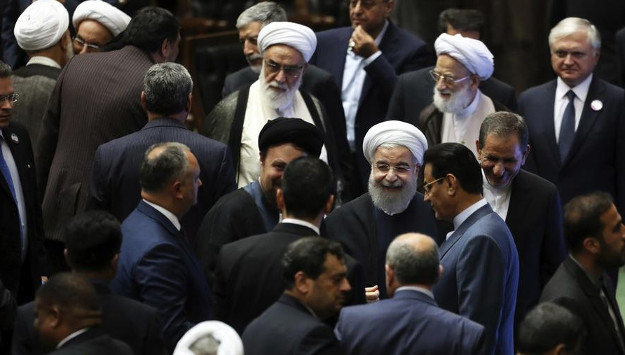
Marginalizing Religious Minorities Risks Fueling Radicalism in Iran
A senior aide to President Hassan Rouhani has revealed that “rogue and radical elements” within the government oppose the integration of Iran’s disenfranchised Sunni community into the sociopolitical fabrics of society.
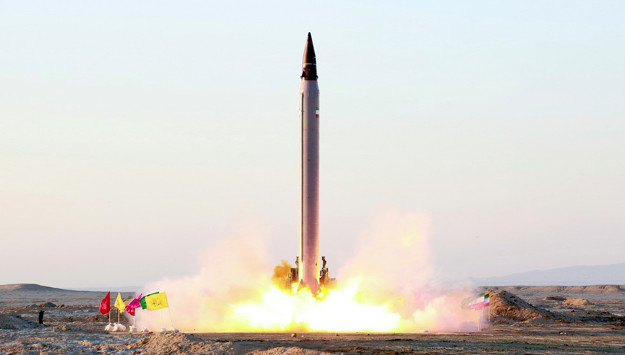
Iran Rules out Missile Negotiation despite International Pressure
Iranian leaders are urging European powers not to side with Washington to pressure the Islamic Republic to curb its controversial missile program and moderate its policies and actions in the region.
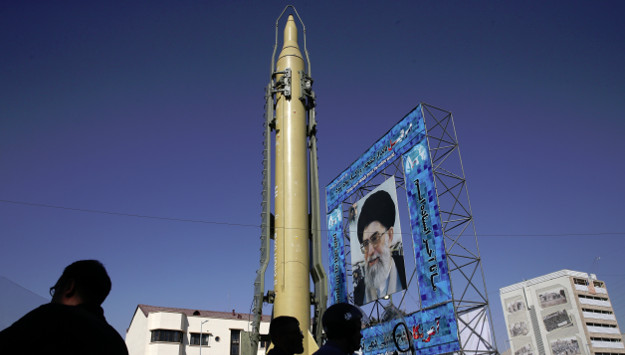
Senior Iranian Cleric: We Increase Missile Range to Target Israel, “Deprive White House of Sleep”
During Friday prayer in Tehran today, a senior Iranian cleric said that the Islamic Republic will further enhance the range and power of its ballistic missiles to threaten America and annihilate Israel, Iran’s Fars News Agency reported. “We have missiles and we produce missiles. And we increase the range of our missiles as much as we can so that we deprive the residents of the White House of sleep.
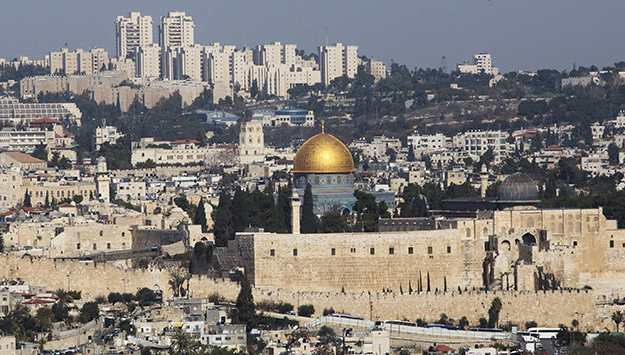

Yemen After the Death of Ali Abdullah Saleh
The killing of former Yemeni president Ali Abdullah Saleh marks a major turning point in Yemen’s ongoing civil war. Nadwa Al-Dawsari (POMED) and Gerald Feierstein (MEI) join Paul Salem to discuss the immediate fallout and what lies ahead.
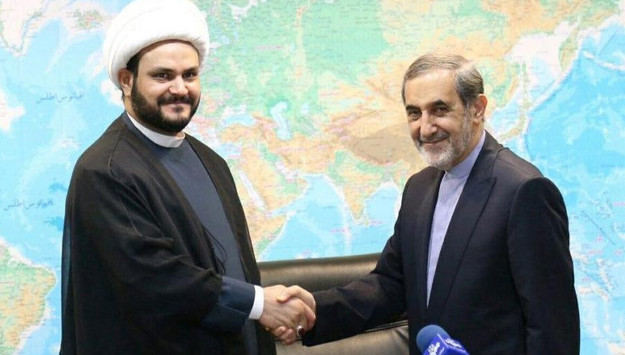
Iran-Backed Militia Calls U.S. Troops in Iraq “Legitimate Target”
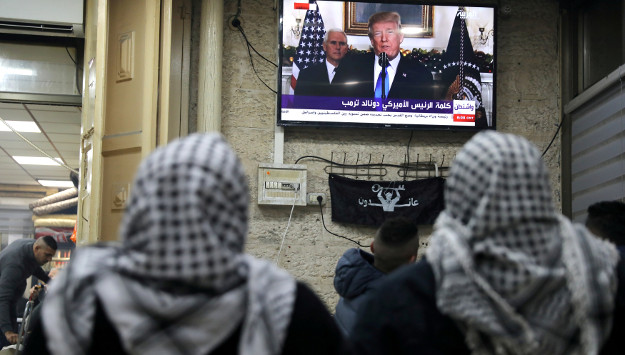
Harakat al-Nujaba, an Iranian-sponsored Iraqi militia group fighting in Iraq and Syria, today threatened to attack American troops in Iraq and the broader region in response to President Donald Trump’s announcement yesterday about the recognition of Jerusalem as Israel’s capital.
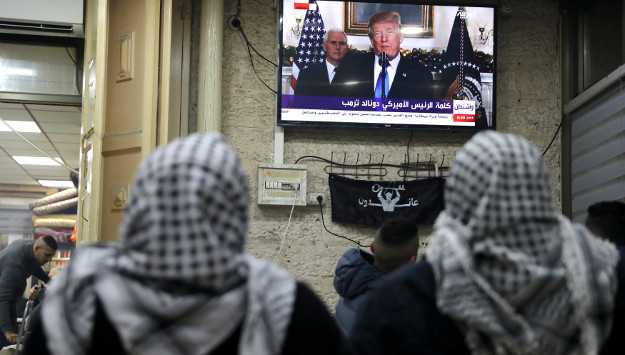
Iran Provokes “New Intifada” in Response to Trump’s Jerusalem Decision
The chief of staff of the Iranian Armed Forces said President Donald Trump’s decision to recognize Jerusalem as Israel’s capital will “usher in a new intifada against the Zionist occ
Iran-Backed Iraqi Groups Threaten Violence Following U.S. Terrorism Bill
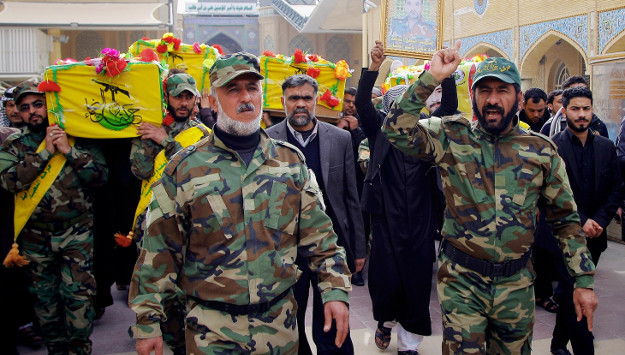
Two Iranian-backed Iraqi militia groups have threatened violence against the United States in Iraq and the broader region after a proposed U.S. congressional bill designated them as terrorist organizations. On November 3, a bill was introduced the U.S.
We Have 4 Days to Stabilize Gaza
After the 2014 Israel-Gaza war, I tried and failed to convince Hamas to hand over a key border crossing between Gaza and Israel to the control of the Palestinian Authority (P.A.).
Recognizing Jerusalem as Israel's Capital Carries Enormous Risk
8th Annual Conference on Turkey: Panel I
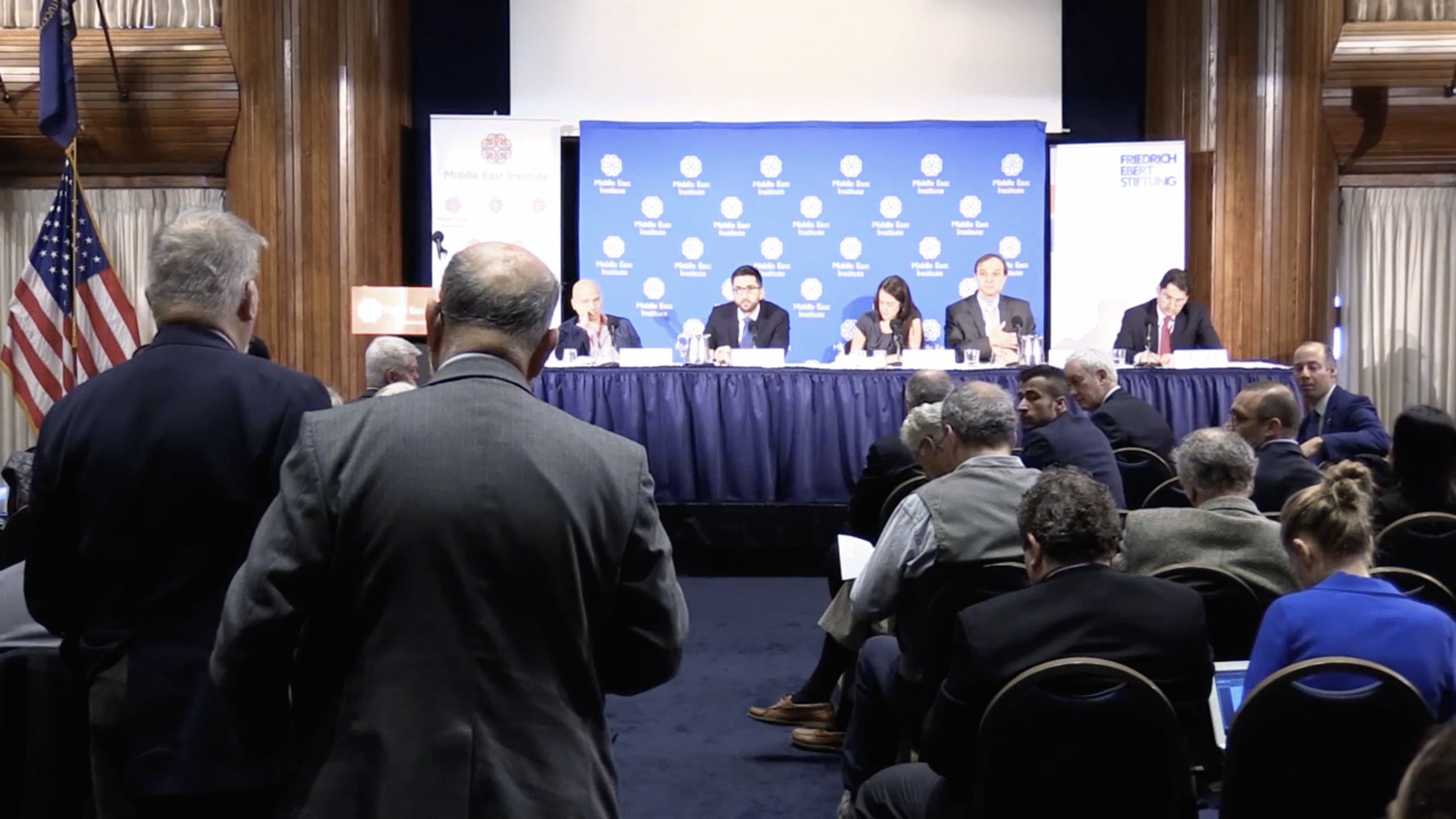
December 4, 2017- The Middle East Institute (MEI) and the Friedrich Ebert Foundation were pleased to host MEI’s 8th Annual Conference on Turkey. At a time of critical internal developments and international tensions, this program of three panels on Turkey’s domestic politics, economy, and foreign relations featured Turkish, European, and U.S. office-holders, policymakers, and expert analysts from both sides of the Atlantic.
Conditions Facing Religious Minorities in Iraqi Kurdistan (Livestream)
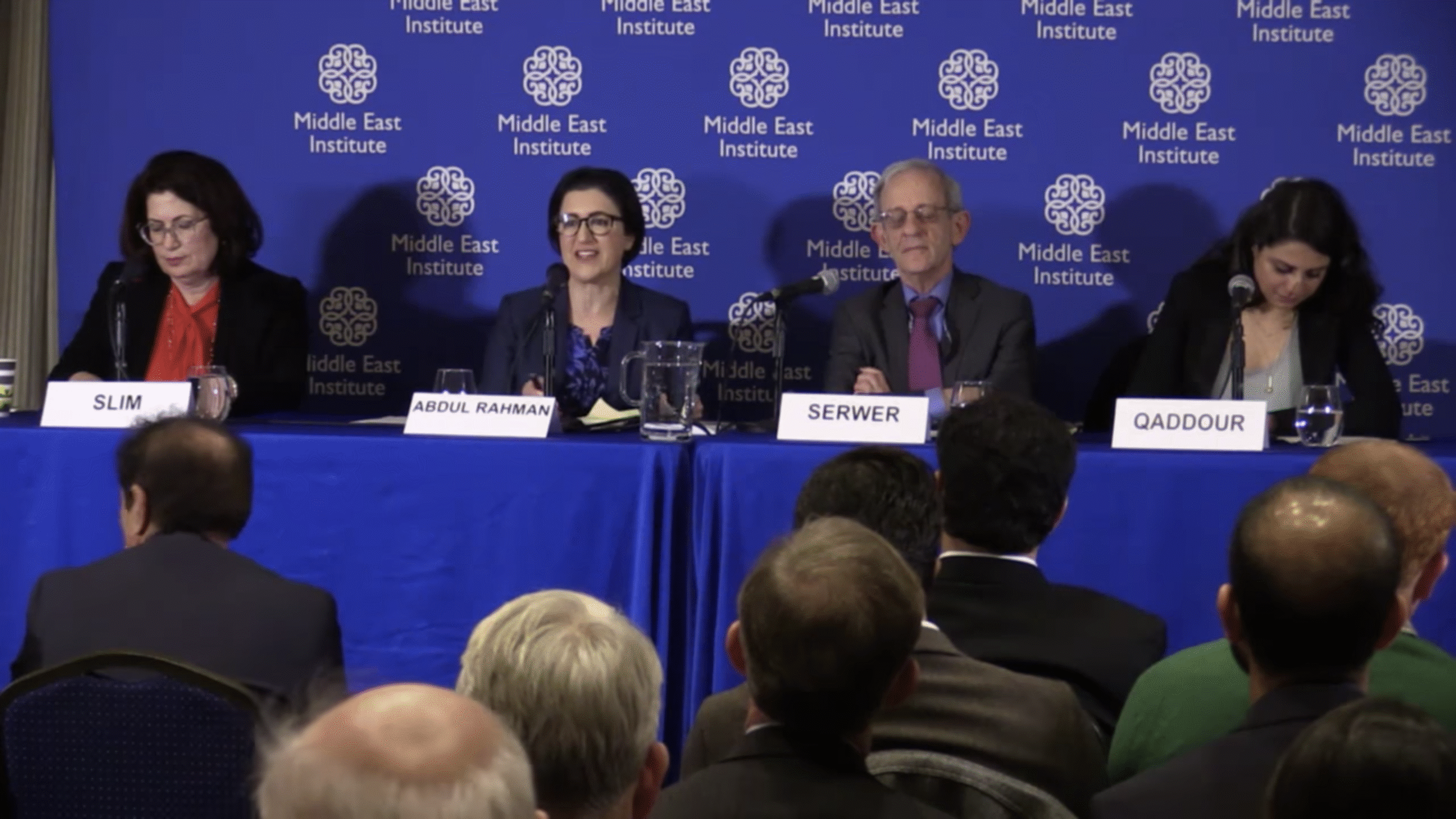
Surrounded by conflict and grappling with a rapidly changing political landscape, the Kurdistan Region of Iraq (KRI) stands out as a locus of relative stability in its region. A recently-released report by the United States Commission for International Religious Freedom (USCIRF), entitled “Wilting in the Kurdish Sun: The Hopes and Fears of Religious Minorities in Northern Iraq,” highlights the difficulties faced in the KRI to address religious freedom.
In the Crowded Arena of Tuareg Rockers, Mdou Moctar Stands Tall
Mdou Moctar recently finished his first U.S. tour. In his three October performances in Washington, he set out to do a lot. Pickless, his kinetic guitar licks bounced around the stage, bringing his audience thousands of miles away to the Sahara desert. His calm, welcoming voice sang about the struggles and hopes of his divided homeland.



