This individual is a guest contributor. MEI is not able to assist with contact requests.
Attiya Ahmad is Georgetown University’s 2009-10 Center for International and Regional Studies Post-Doctoral Fellow. She recently completed her PhD in Cultural Anthropology at Duke University. Dr. Ahmad’s work brings together scholarship on Islamic studies, globalization, diaspora and migration studies, economic anthropology, and political economy.
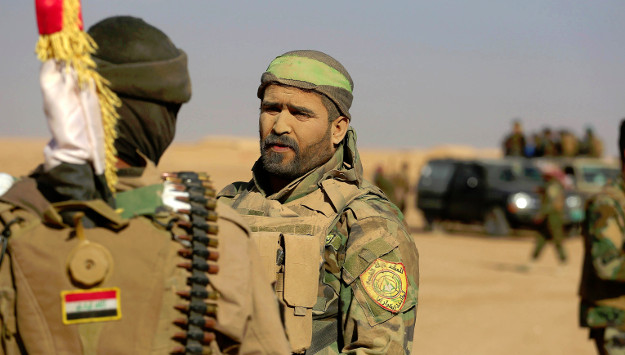
Iran-Supported Iraqi Militia Leaders Ramps up Anti-American Propaganda
A prominent Iran-backed Iraqi militia commander has accused the United States of providing weapons and food to Islamic State fighters trapped in western Mosul, according to Fars News Agency, an Iranian outlet affiliated with the Islamic Revolution Guards Corps (I.R.G.C.).
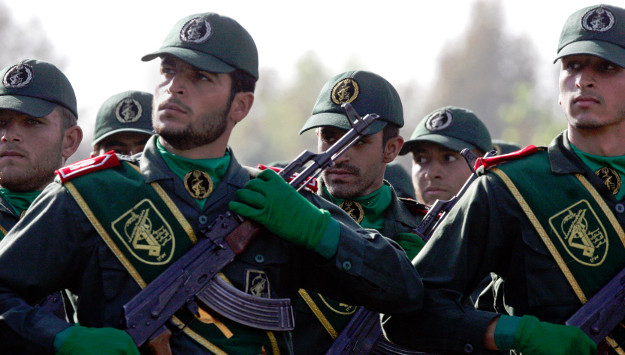
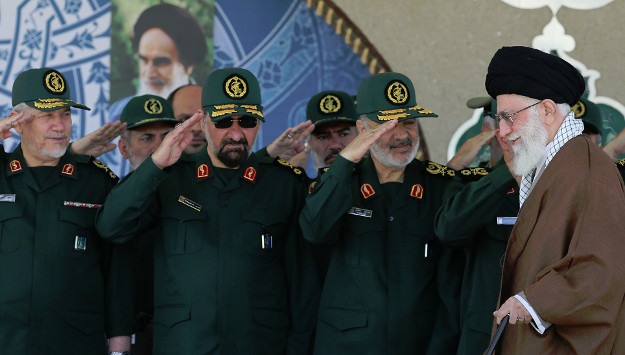
I.R.G.C. Hailed as “Strategic Asset” for Iran and “Regional Islamic Resistance” on Its 38th Anniversary
Marking the 38th anniversary of the creation of the Islamic Revolution Guards Corps (I.R.G.C.), the Iranian Armed Forces General Staff said Wednesday that the country’s elite force has turned into a “strategic asset” and a “defense shield” not only for Iran but also for the “Islamic Resistance in the region
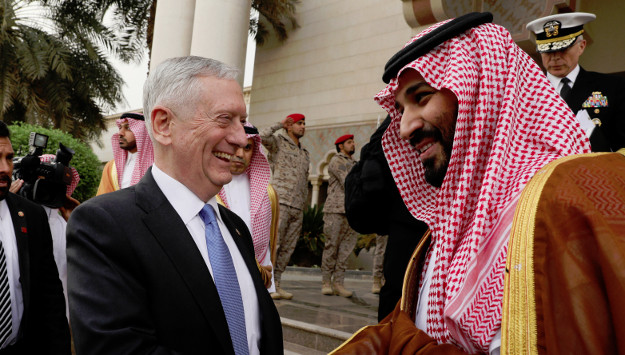
Defense Secretary Mattis’ Remarks in Riyadh Angers Tehran
U.S. Defense Secretary Jim Mattis’ remarks about Iran’s destabilizing influence in the Middle East prompted an angry reaction from Tehran. The Iranian defense minister rejected the allegations by the top U.S.
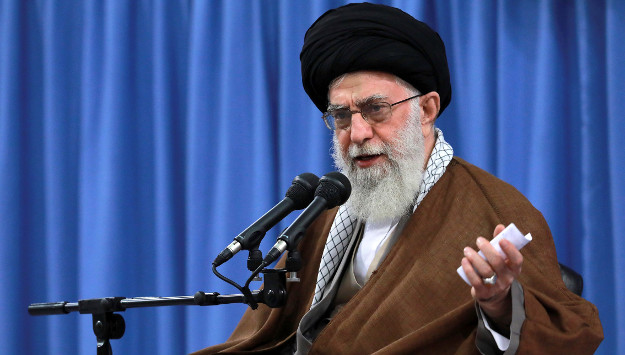
Khamenei Urges Iranian Leaders to Counter “Enemies’ Scare Tactics”
Supreme Leader Ali Khamenei warned Wednesday that Iran’s “enemies” use intimidation and scare tactics to achieve their goals, and called on political and military lea
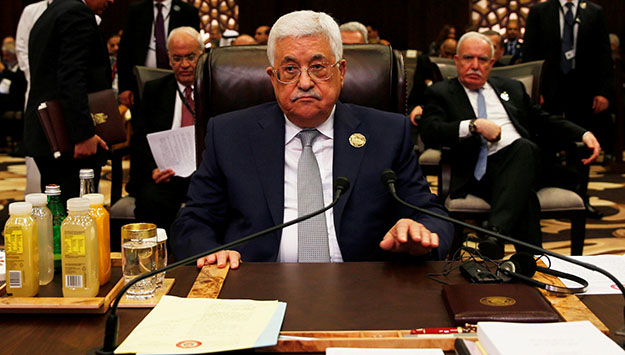
For the first time in three years, Mahmoud Abbas will meet with an American president in the White House. The meeting, expected in early-May, will also be the first between Abbas and President Donald Trump, and will serve to shape the relationship both men, and those they represent, have in the years ahead.
While Abbas might be inclined to be more pliant as an early show of goodwill, he will still seek demonstrations of seriousness from the Israelis, brokered by Washington, before agreeing to re-engage in peace talks.
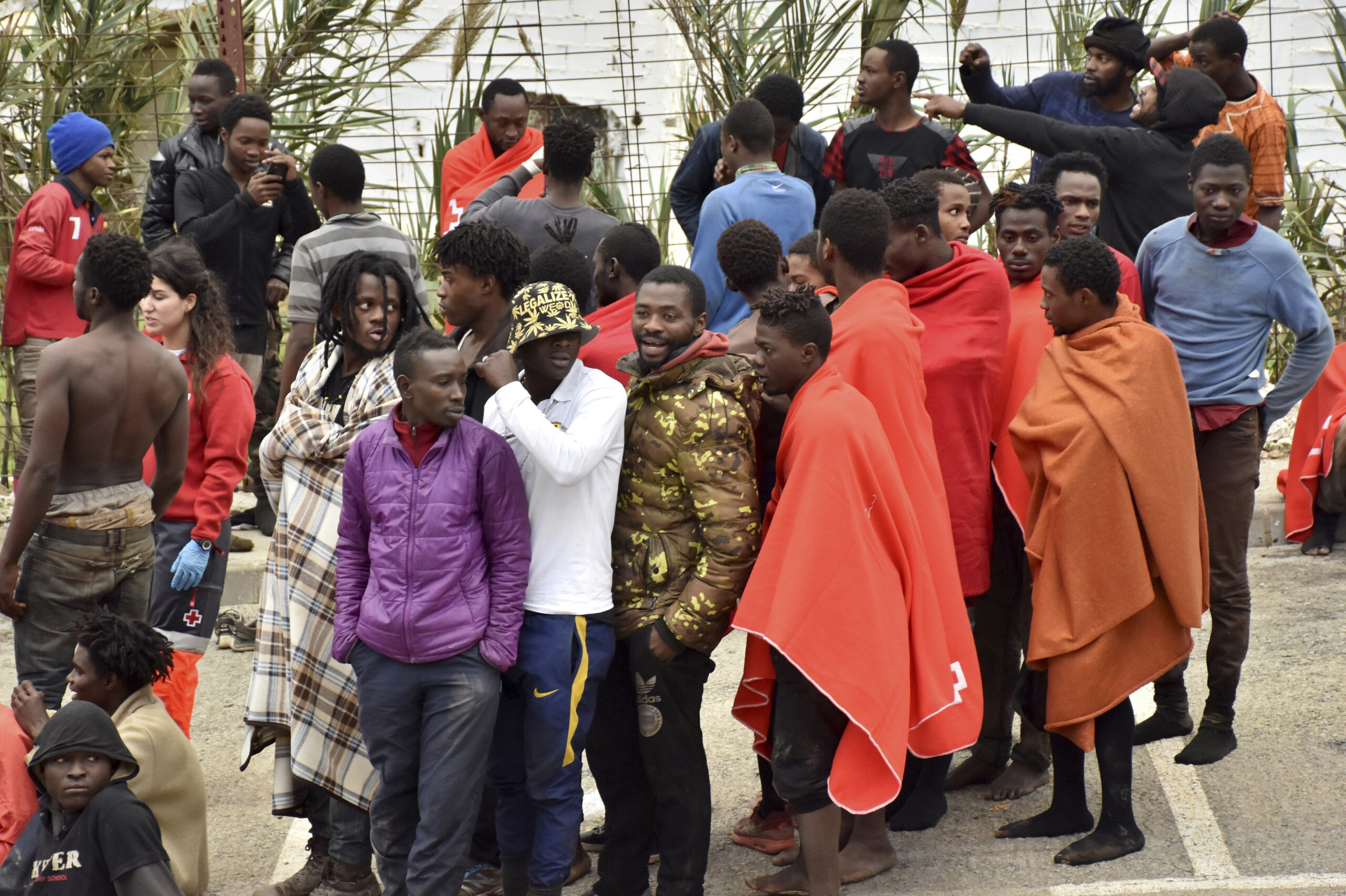
Morocco's Triple Role in the Euro-African Migration System
This essay discusses Morocco’s changing role within the Euro-African migration system — that of a source, transit, and final destination country. It briefly addresses the responsibilities and responses of Moroccan authorities in dealing with the phenomenon of irregular migration, in particular as it relates to Morocco’s role as a destination country.
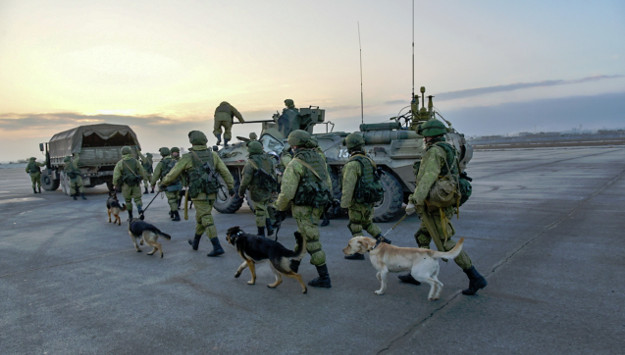
Russia's Training of Local Militia Forces in Syria May Benefit Iran
The Russian military police has started training local militia forces in the Syrian governorate of Aleppo, according to Fars News Agency, an Iranian outlet affiliated with the Islamic Revolution Guards Corps (I.R.G.C.).
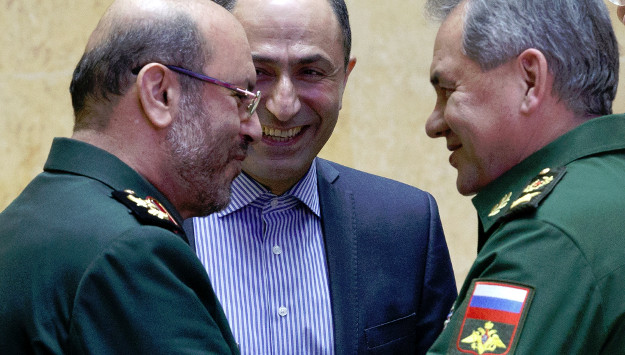
Iran’s Defense Minister Will Meet Russian Counterpart in Moscow Next Week
Iran’s Defense Minister Brigadier General Hossein Dehghan will visit Moscow next week to meet his Russian counterpart Sergey Shoygu, Iranian and Russian media report.
Turkey's Erdogan Gets His Presidential Wish | Monday Briefing
In this week’s Monday Briefing, MEI experts Gonul Tol, Gerald Feierstein, Alex Vatanka, and Marvin G. Weinbaum provide analysis on recent and upcoming events including the victory of Turkish President Erdogan’s “Yes” constitutional referendum campaign to increase his powers, Secretary of Defense Mattis’ trip to the Middle East, the entry of 1,600 candidates for the upcoming Iranian presidential elections, and the alarming violence in Pakistan against accused “blasphemers”.
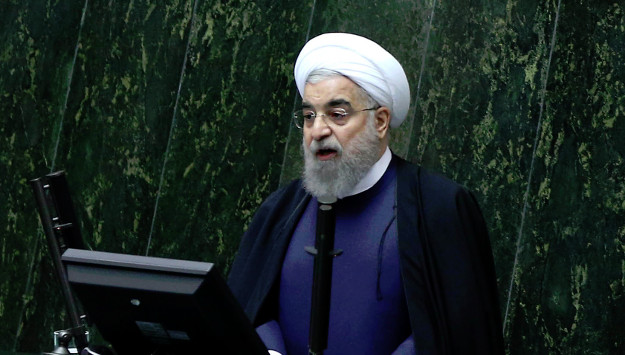
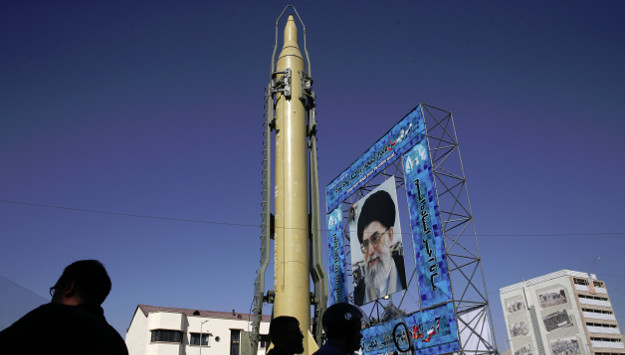
Rouhani: Iran Will Seek No One’s Permission to Produce Missiles
President Hassan Rouhani has said that the Iranian government will seek no one’s permission to build missiles and upgrade the country’s defense capabilities.
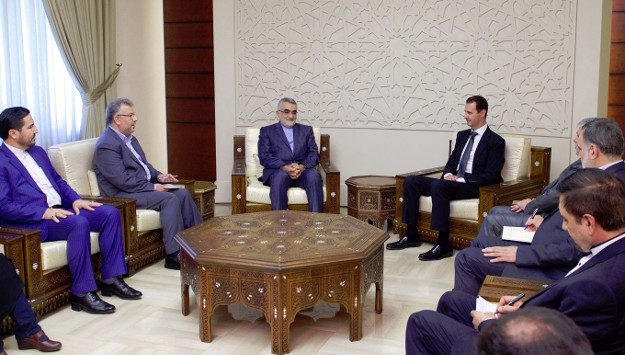
Top Iranian Lawmaker: U.S. and Saudi Arabia Defeated in Syria and Yemen
Earlier today, a senior Iranian lawmaker said the United States and its allies have failed in Syria and the broader region and credited Supreme Leader Ali Khamenei’s leadership for defeating Iran’s “enemies” in foreign lands to safeguard the country’s national security.
Quds Force Reportedly Uses Regional Shiite Militias for Drug Smuggling into Europe
The Islamic Revolution Guards Corps (I.R.G.C.)’s elite Quds Force runs an international network of organized criminal networks to smuggle drugs into and throughout Europe, al-Arabiya Arabic reports. Quoting unnamed sources from the Italian Judiciary, the report claims that the mastermind of the Quds Force’s illicit drugs operations is former Quds Force General Gholamreza Baghbani. Members of the Lebanese Hezbollah and Iran-linked Iraqi Popular Mobilization Forces (P.M.F.) are reportedly part of the criminal network.