This individual is a guest contributor. MEI is not able to assist with contact requests.
Attiya Ahmad is Georgetown University’s 2009-10 Center for International and Regional Studies Post-Doctoral Fellow. She recently completed her PhD in Cultural Anthropology at Duke University. Dr. Ahmad’s work brings together scholarship on Islamic studies, globalization, diaspora and migration studies, economic anthropology, and political economy.
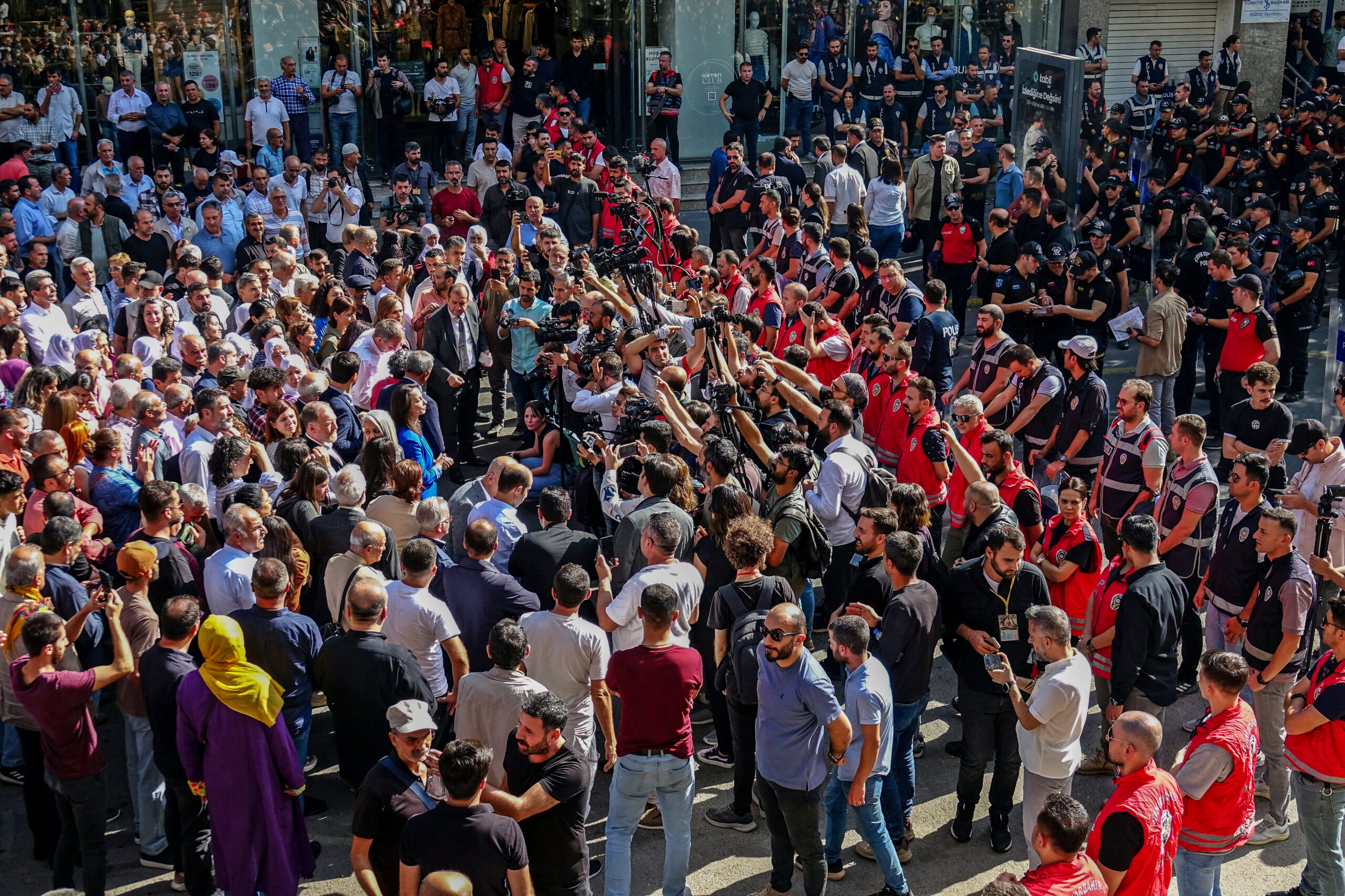
Don’t trust Erdogan’s "peace process" with the Kurds
After decades of repression, many of Turkey’s Kurds are hopeful that their long struggle for basic rights may finally be nearing a breakthrough. That hope is fueled by newly launched talks between Turkish President Recep Tayyip Erdogan’s nationalist coalition and the imprisoned leader of the Kurdish Workers Party (PKK), Abdullah Ocalan. The talks have already produced the historic declaration by the PKK to disband and renounce armed struggle. Pro-Kurdish politicians have praised Erdogan’s efforts to pursue a peaceful solution.
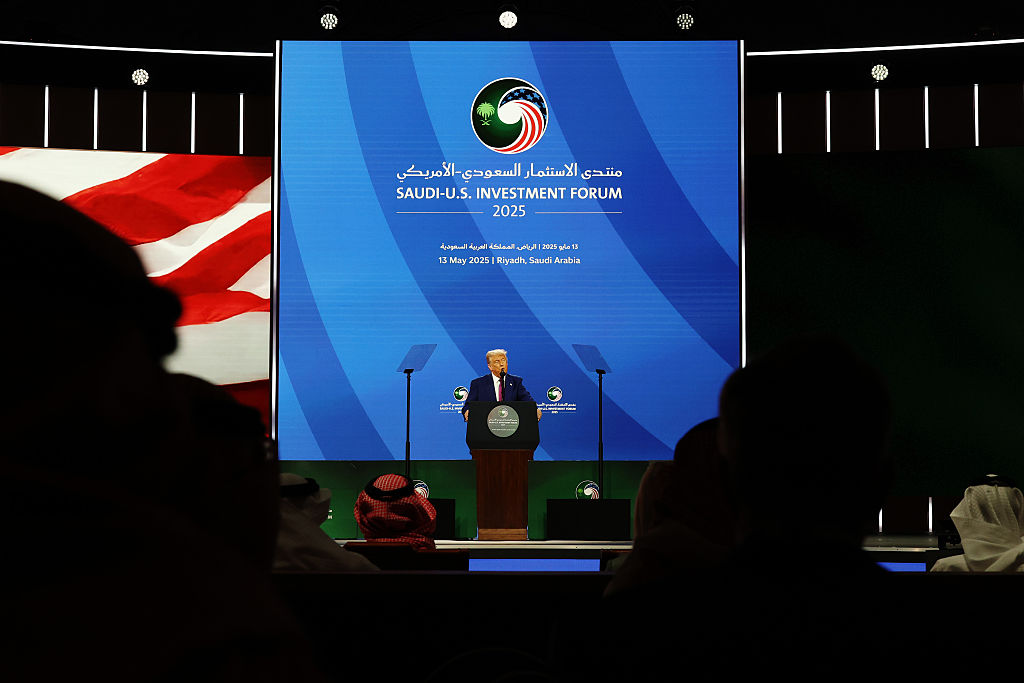
Saudi Arabia’s AI ambition, and what it means for the United States
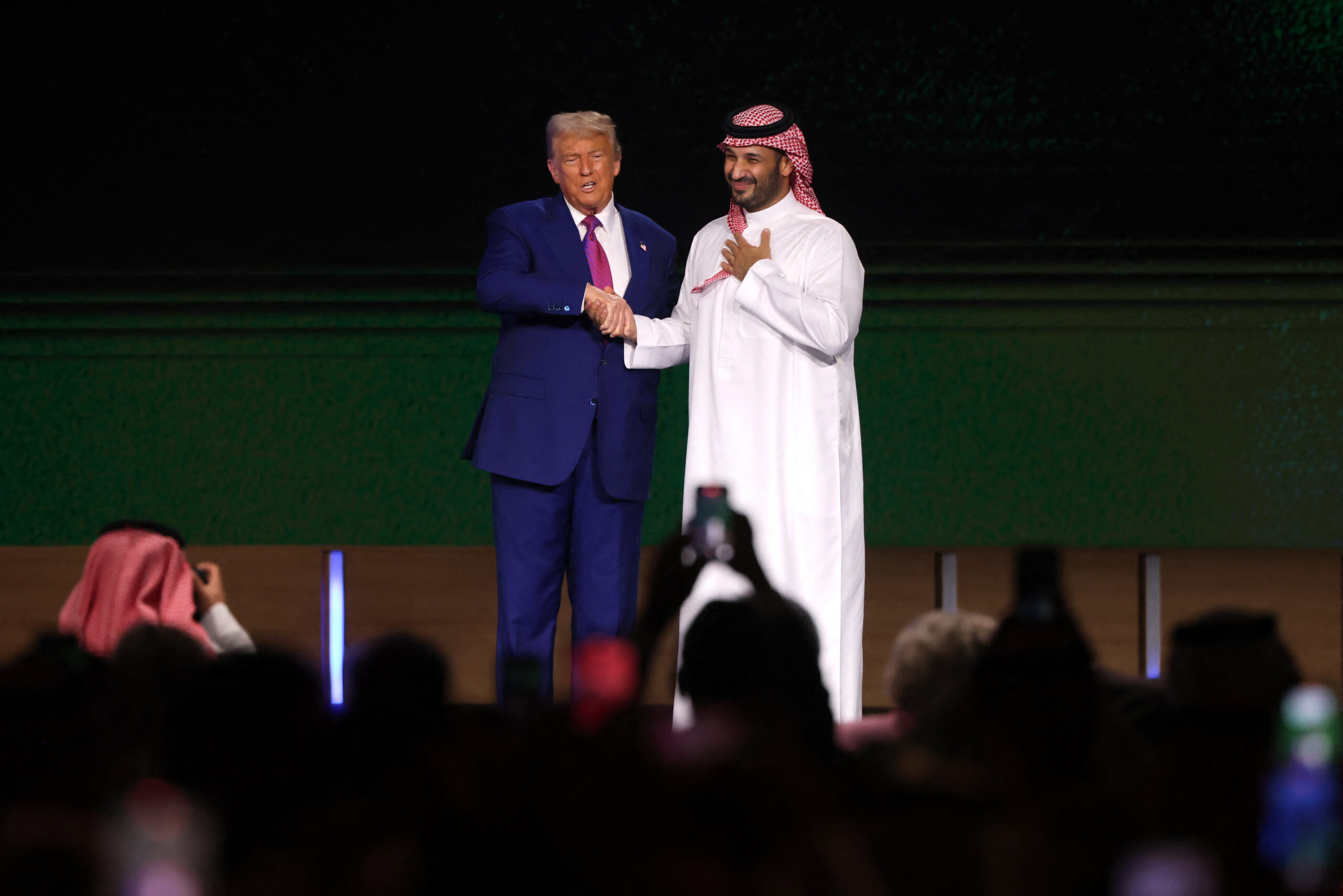
A day before Air Force One touched down in Riyadh to kick off US President Donald Trump’s three-country tour of the Gulf, Saudi Arabia made a pivotal announcement. The kingdom, long synonymous with oil, revealed a major investment in artificial intelligence (AI) through its newly launched company, HumAIn. This pivot, explicitly timed to coincide with Trump’s visit starting on May 13, and in anticipation of the signing of multiple tech deals between US and Gulf firms during the trip, signaled a profound shift in US-Saudi relations — from a traditional oil-for-security alliance to a partnership centered on AI and digital infrastructure.
What’s next for Gaza—and for Israel? In this episode of Middle East Focus, hosts Alistair Taylor and Matthew Czekaj sit down with Ghaith al-Omari, senior fellow at the Washington Institute for Near East Policy and former advisor to the Palestinian Authority, to unpack the urgent humanitarian crisis gripping Gaza, the impact of Israeli settlement expansion, and what these developments mean for the future of the region.
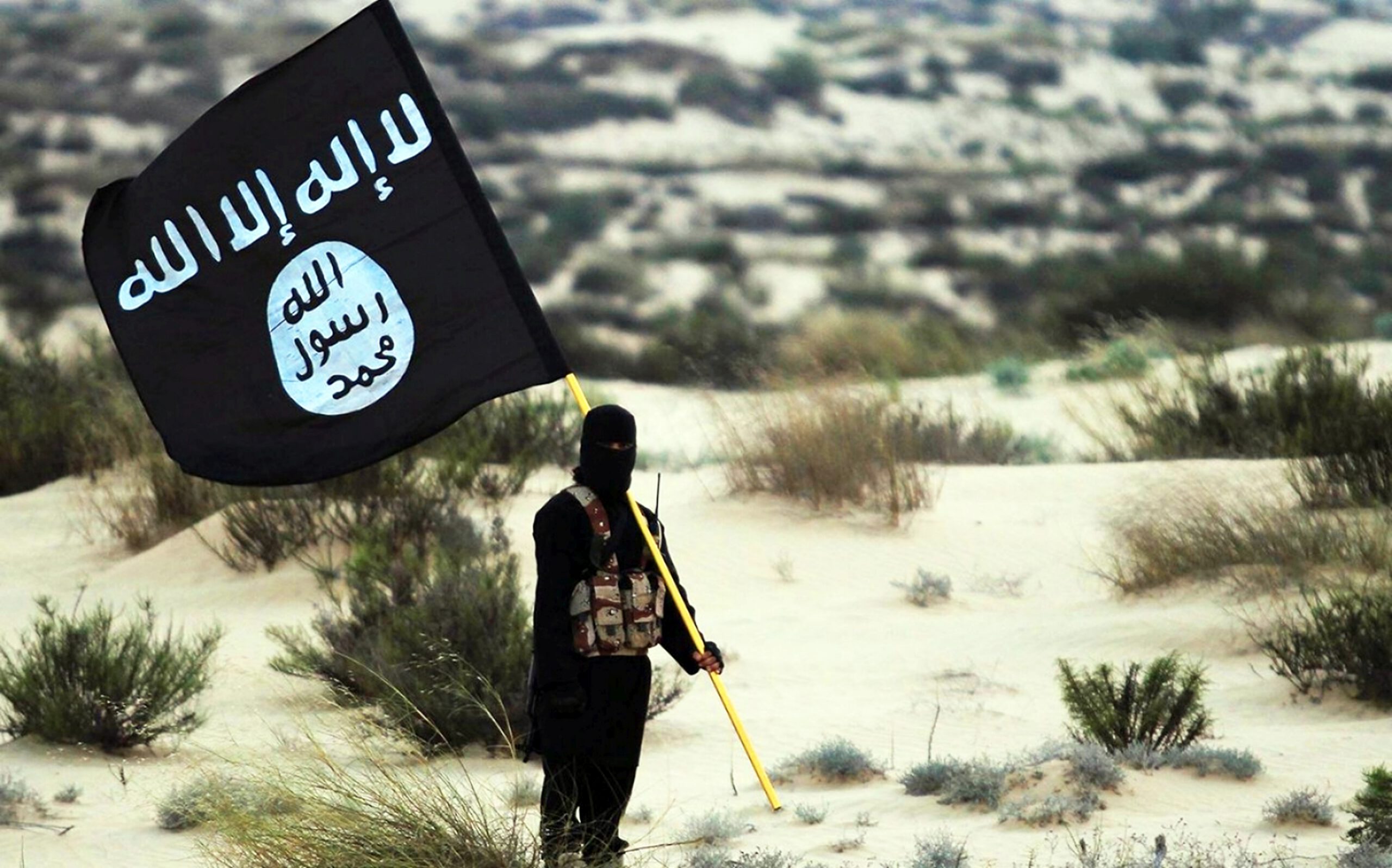
When U.S. President Donald Trump’s newly appointed special envoy to Syria, Thomas Barrack, paid his first visit to Damascus on May 29, he flew into the country on U.S. military helicopters from Jordan. He was accompanied by two State Department staff members but was most closely flanked by the U.S. military’s counter-Islamic State coalition leaders—Maj. Gen. Kevin Leahy and Brig. Gen. Michael Brooks.
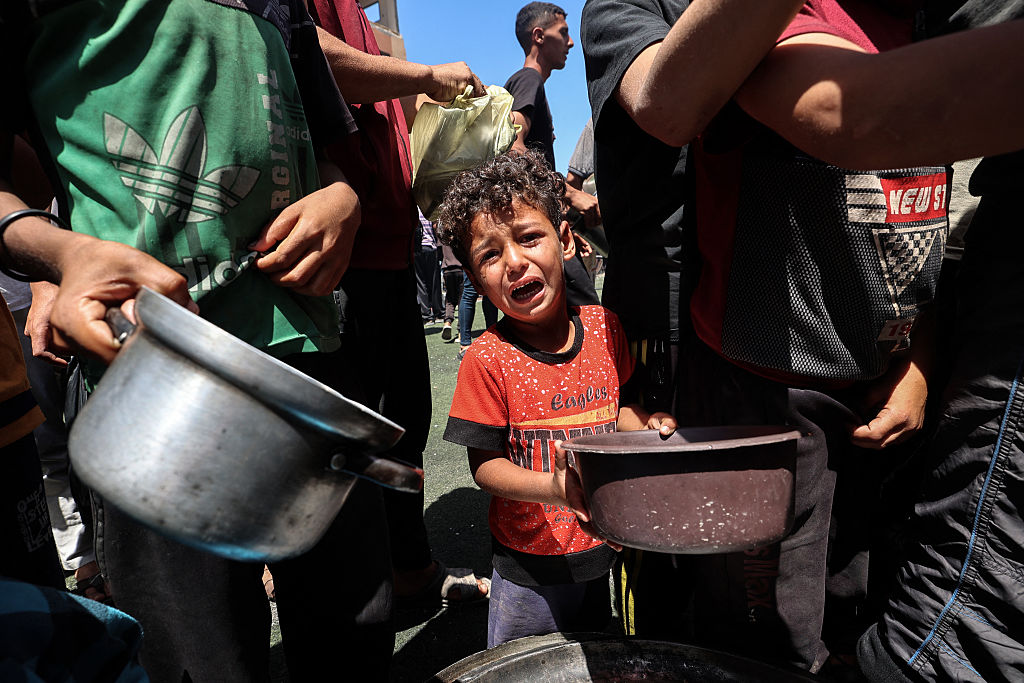
A devastating crisis for Palestinians in Gaza worsens
What has been unfolding in the Gaza Strip for millions of Palestinians is the direct consequence of the failures of political leaders who are ignoring best practices for the delivery of aid to innocent people caught in the crosshairs of a complicated war. Without a major shift in the current approach, the already dire conditions are only likely to deteriorate further going forward.
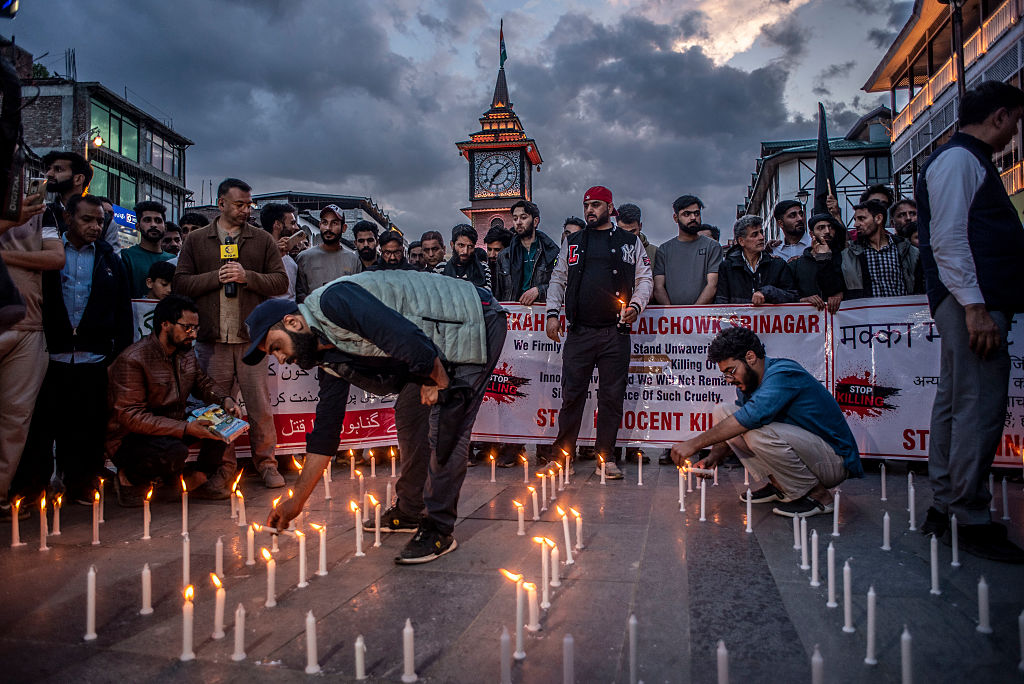
The recent brief yet intense escalation of hostilities between India and Pakistan has further exposed the fragile nature of South Asia’s security landscape. The four-day tit-for-tat cross-border military confrontation between the two nuclear-armed rivals has significantly undermined prospects for normalization, redefining the rules of engagement and signaling a shift in how both countries may manage their relationship moving forward.
Jordan’s Role in a Region in Crisis: A Conversation with Ambassador Dina Kawar
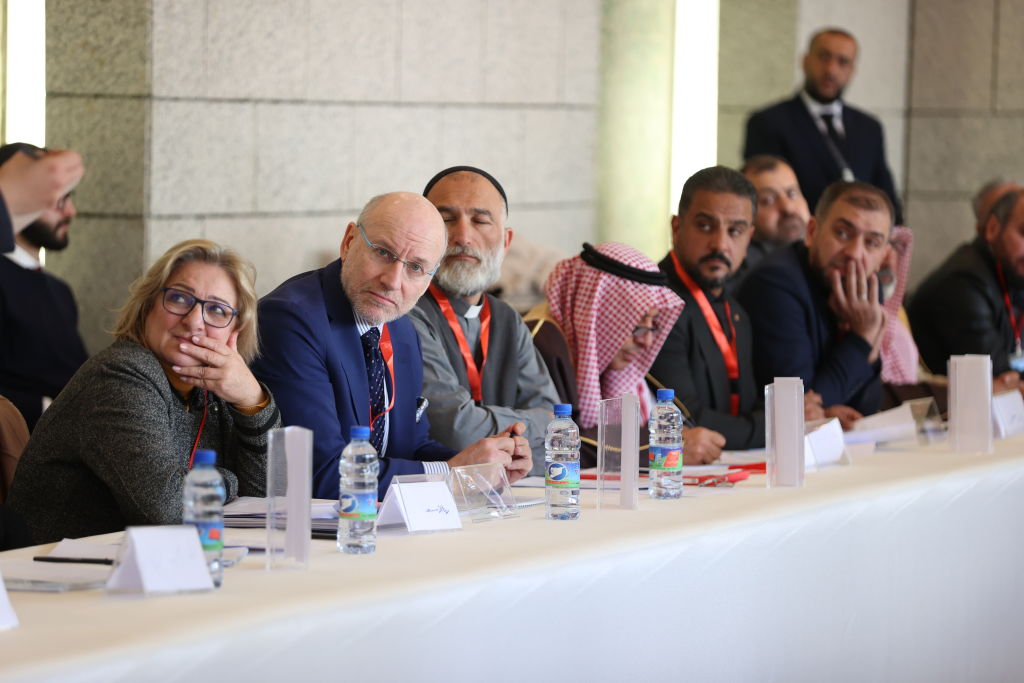
Ambassador Dina Kawar, Jordan’s Ambassador to the United States, joins host Brian Katulis for a wide-ranging conversation on Jordan’s efforts to address the humanitarian crisis in Gaza, its bilateral partnership with the United States, and its role in regional diplomacy.
Near-term progress in a renewed nuclear agreement between the United States and Iran could add further downward pressure to a delicate oil market, potentially heralding more fiscal pain for Gulf oil producers and complicating US energy strategy.
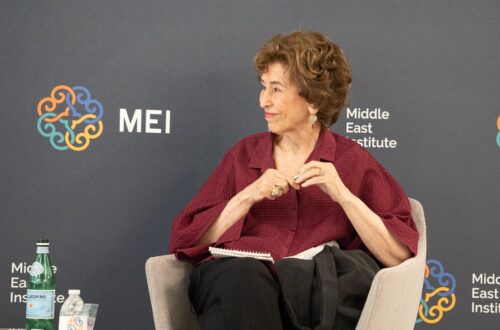
Azar Nafisi in Conversation: The Role of Literature in Times of Crisis
The Middle East Institute Arts and Culture Center invites you to a special evening with acclaimed author and literary scholar Azar Nafisi, celebrated for her international bestseller, "Reading Lolita in Tehran".
In Syria’s fragile transition there’s a glimmer of a more stable Middle East
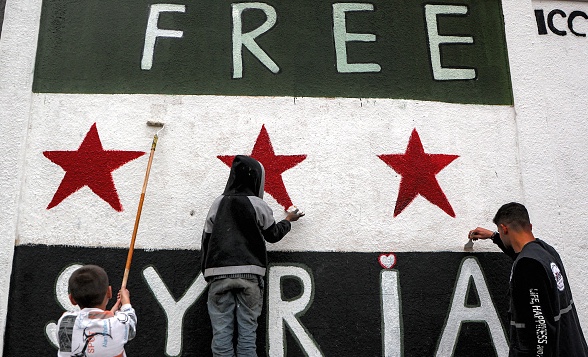
For the better part of half a century, Syria has been an open wound in the heart of the Middle East, provoking instability, fueling conflict, and brutally suppressing its own people. Throughout Syria’s nearly fourteen-year civil crisis, a long list of destabilizing knock-on effects spilled over into neighboring countries and the world at large. The long-standing moniker of “what happens in Syria never stays in Syria” perfectly encapsulated what for most of the past decade looked to be a truly intractable crisis.
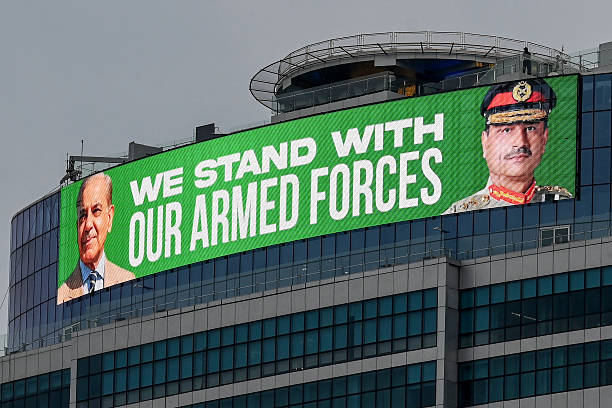
The recent elevation of Gen. Asim Munir to the rank of field marshal is a thunderous declaration of the Pakistani military’s unassailable supremacy, a gesture that reverberates far beyond the barbed-wire perimeters of the Army’s General Headquarters in Rawalpindi.
Syria Looks to a Future Unburdened from US Sanctions
MEI Senior Fellow Charles Lister joins hosts Alistair Taylor and Matthew Czekaj to discuss the Trump administration’s dramatic reversal of four decades of US policy toward Syria. Following President Trump’s May 2025 meeting with Syrian President Ahmad al-Sharaa and the issuance of a new general license and 180-day waiver of Caesar Act sanctions, the episode explores the implications of this policy shift. What does this mean for Syria’s recovery and reconstruction? How are regional actors like Turkey, Israel, and the Gulf states responding?