This individual is a guest contributor. MEI is not able to assist with contact requests.
Attiya Ahmad is Georgetown University’s 2009-10 Center for International and Regional Studies Post-Doctoral Fellow. She recently completed her PhD in Cultural Anthropology at Duke University. Dr. Ahmad’s work brings together scholarship on Islamic studies, globalization, diaspora and migration studies, economic anthropology, and political economy.
Libya, the ICC, and Securing Post-Conflict Justice
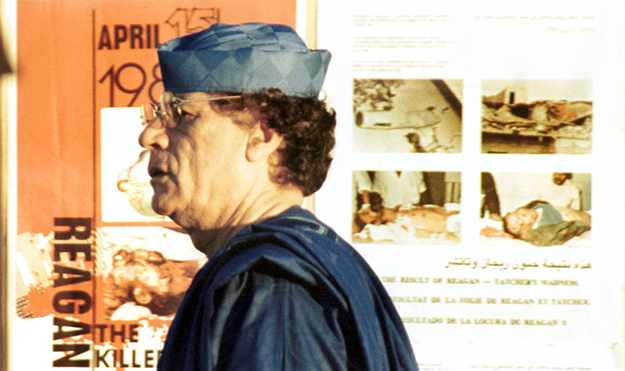
Since questions of post-atrocity accountability began to surface in regard to the “Arab Spring,” there has been interest in the pursuit of international-led justice in countries that have experienced uprisings, such as Bahrain, Libya, Syria, and Yemen. There were calls for the involvement of the International Criminal Court (ICC) in both Libya and Syria. The ICC has become involved only in Libya. However, this involvement has become mired in struggles that expose the challenges of a system that some regard as simply another expression of a profoundly undemocratic international order.
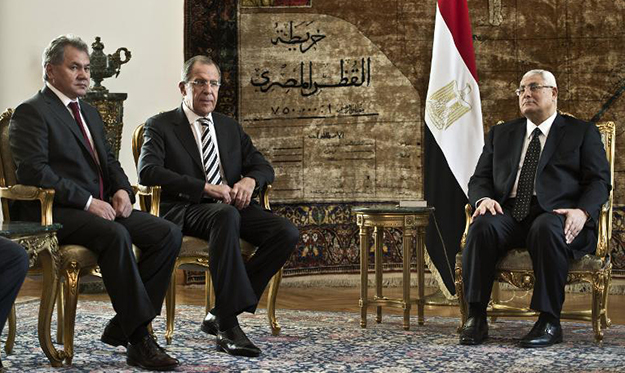
Egyptian-Russian relations have recently been marked by a substantial increase in diplomatic activity amid a media frenzy over a potential arms deal. These developments have given rise to suggestions that Egypt’s foreign policy is shifting away from the United States and toward Russia—a major realignment given Egypt’s extensive political and military ties with the United States since the 1970s.
Ori Nir of Americans for Peace now will hold a conversation with Akiva Eldar on the current situation in Israel and Palestine.Akiva Eldar is a senior political columnist for Al-Monitor news service’s Israel Pulse. He was formerly a senior columnist and editorial writer for Haaretz and served as Haaretz’s US bureau chief and diplomatic correspondent in the 1980’s. His most recent book (with Idith Zertal), Lords of the Land, on the Jewish settlements, was a best-seller in Israel and has been translated into English, French, German and Arabic.
On Wednesday, December 4, Hassan Laqees, a Lebanese Hezbollah leader who was reportedly involved in the group’s weapons procurement and development, was assassinated south of Beirut. On Sunday, another Hezbollah military commander was killed in Syria, bringing the number of Hezbollah dead in the Syrian conflict into the hundreds.
Salafyo Costa were once the darlings of the media. Featured both in Egyptian outlets[1] and foreign publications such as CNN, the Los Angeles Times, and the Huffington Post,[2] the groundbreaking youth movement founded in April 2011 brought together ultraconservative Salafis, Muslim Brotherhood supporters, political liberals and leftists, and Coptic Christians.
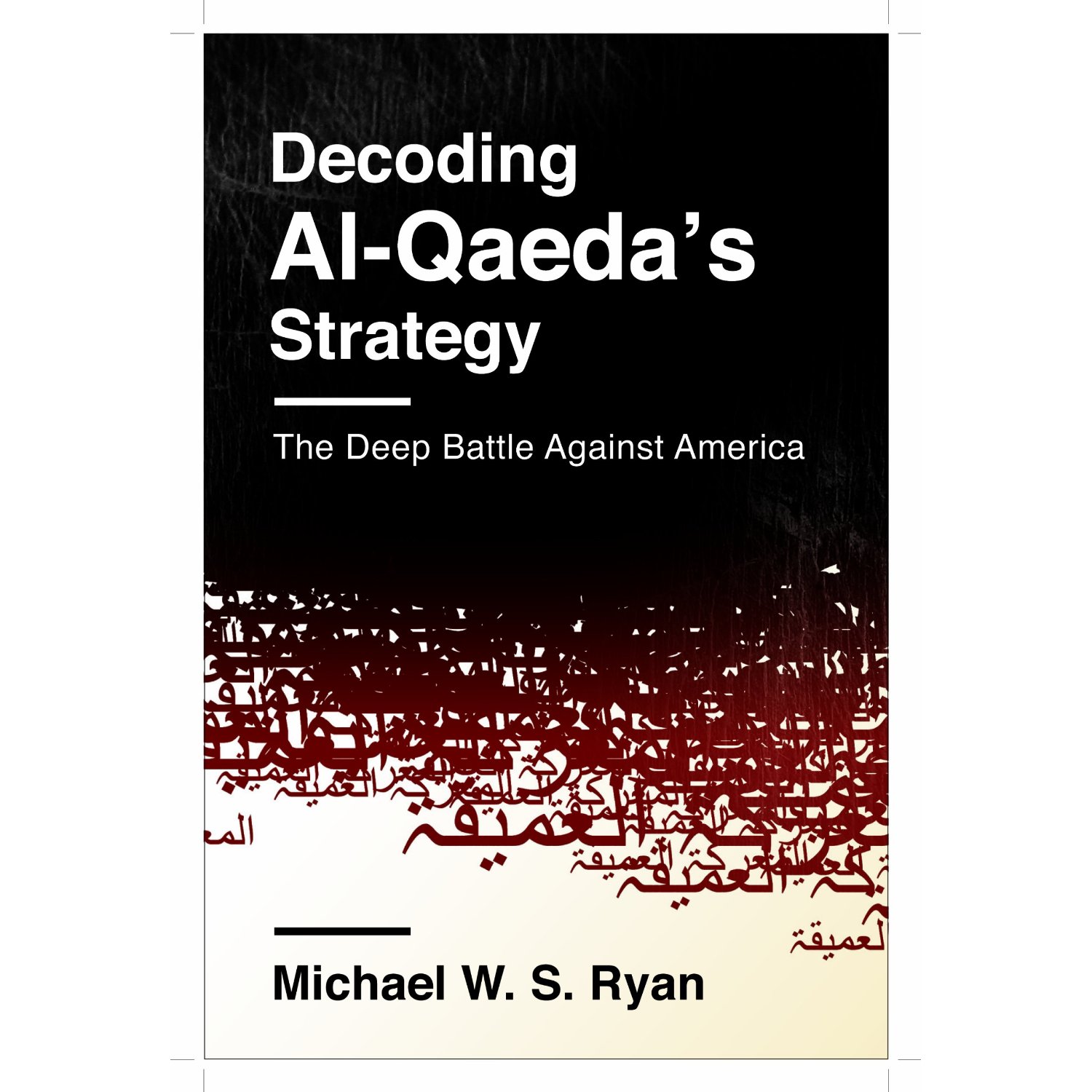
Decoding Al-Qaeda's Strategy: The Deep Battle Against America
The Middle East Institute is proud to host author and MEI adjunct scholar Michael W. S. Ryan for a discussion of his book, Decoding Al-Qaeda’s Strategy: The Deep Battle Against America (Columbia University Press, 2013). In his latest book, Dr. Ryan draws on extensive research of al-Qaeda’s Salafist roots and of the work of lesser-known al-Qaeda theoreticians, ultimately determining that jihadist terrorism strategy more closely resembles Maoist guerrilla warfare than mainstream Islam.
South Korea: Reflecting on 25 Years of Transitional Justice
Prior to its first democratically elected government taking office in 1988, the Republic of Korea endured a peculiarly harsh twentieth century. The first decade saw Korea’s last dynasty struggle futilely to modernize amidst the specter of growing Japanese interference. From 1910 until 1945, the nation suffered through the traumatic and humiliating period of Japanese colonization, emerging upon Japan’s defeat in World War II only to face the division of the country into North and South Korea and the incredibly destructive Korean War of 1950-1953. The post-Korean War period was characterized by political divisions, human rights abuses, and economic growth, presided over by a series of authoritarian rulers.
Toward Victim-centered Transitional Justice: Nepal and Timor-Leste
The first decade of the twenty-first century has been characterized by the emergence of a new politics of human rights that has become the defining agenda of much national and international politics. This universalist discourse of rights has gained unprecedented leverage in global debate, propelled by narratives that rarely pause to question the evidence or ideology that underlies it. This is nowhere more true than in the practice of human rights after conflict or political violence, in which transitional justice has become a dominant approach to addressing legacies of violations, backed by an industry of practitioners and donors.
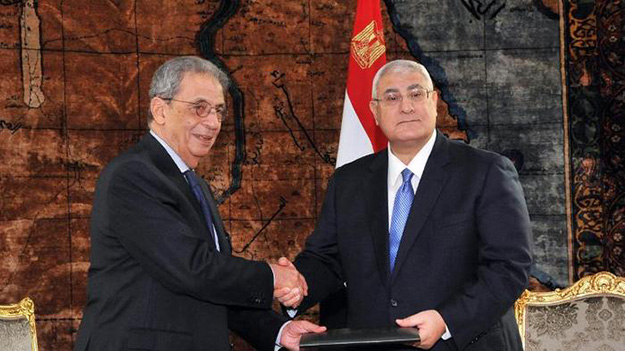
On December 1, a 50-member panel given the task of amending Egypt’s constitution approved a draft of the document. It now goes to Interim President Adly Mansour for his approval and will then go to the public in a referendum. MEI spoke with its Senior Fellow, Khalil al-Anani, about the draft, how it differs from the 2012 constitution passed under Mohamed Morsi, and how the Muslim Brotherhood has reacted to it.