This individual is a guest contributor. MEI is not able to assist with contact requests.
Attiya Ahmad is Georgetown University’s 2009-10 Center for International and Regional Studies Post-Doctoral Fellow. She recently completed her PhD in Cultural Anthropology at Duke University. Dr. Ahmad’s work brings together scholarship on Islamic studies, globalization, diaspora and migration studies, economic anthropology, and political economy.
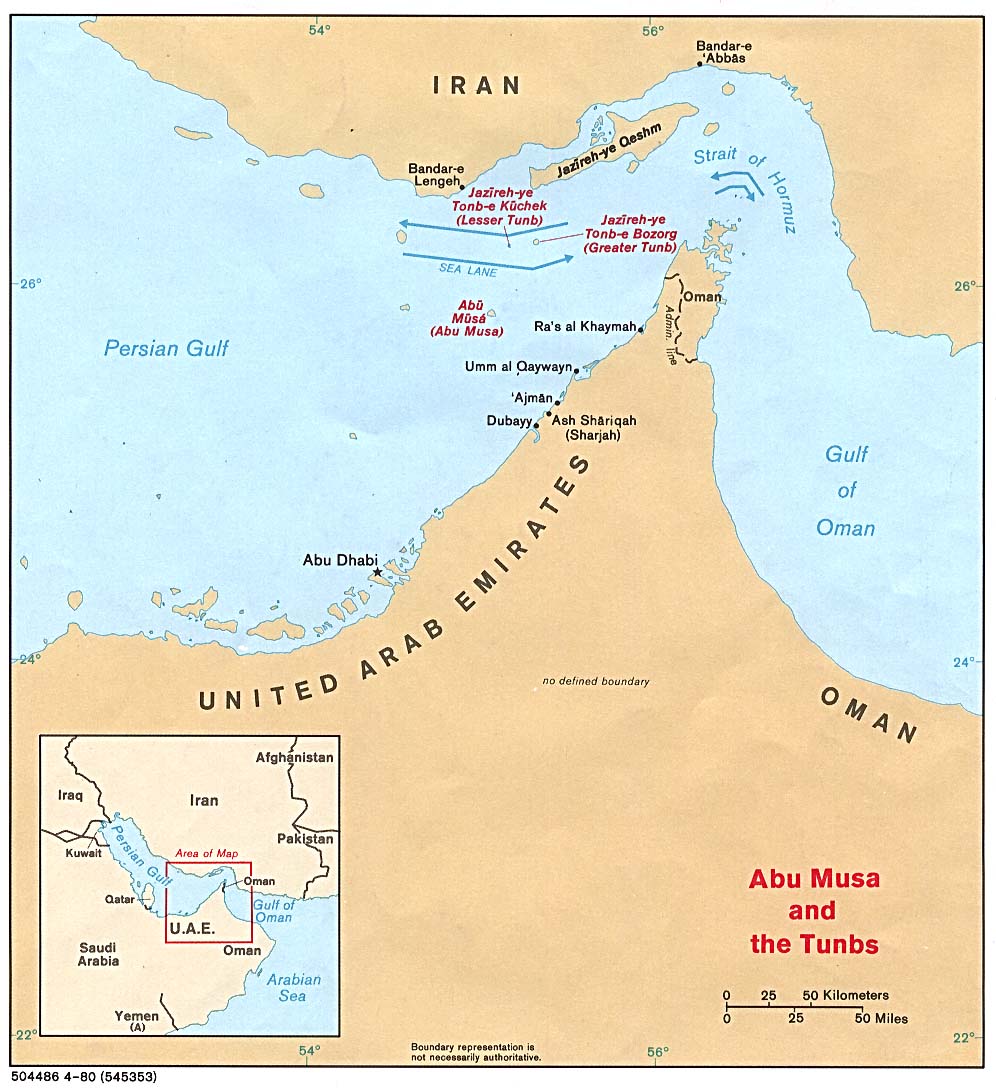
Oman is strategically positioned across the Gulf of Oman from Iran, north of Yemen, and east of Saudi Arabia. It has arguably been able to secure its rapid economic growth—spurred by oil riches—by maintaining neutral, if not friendly, relations with these neighbors, including Iran. Yet while Oman has successfully kept itself neutral, it still inhabits a precarious location. It shares with Iran the Strait of Hormuz, a waterway that Iran has threatened to close due to its charged relations with the GCC countries and the United States, who rely on the Strait to transport oil to world markets.
Malaysia-Saudi Arabia Relations: Roots, Dimensions, and Prospects
Malaysia’s relationship with Saudi Arabia has long been amicable and fruitful. Indeed, Malaysian-Saudi relations have deeper historical roots than are commonly recognized. During the contemporary period, the religio-cultural, economic, and other aspects of the bilateral relationship have expanded. In fact, Malaysian-Saudi relations are complex, multifaceted, and have significant potential for further development.