Syria Drives a Wedge Between Turkey and Iran
Overview
This individual is a guest contributor. MEI is not able to assist with contact requests.
Attiya Ahmad is Georgetown University’s 2009-10 Center for International and Regional Studies Post-Doctoral Fellow. She recently completed her PhD in Cultural Anthropology at Duke University. Dr. Ahmad’s work brings together scholarship on Islamic studies, globalization, diaspora and migration studies, economic anthropology, and political economy.
Overview
This Opnion first appeared in the Huffington Post on May 11, 2012.
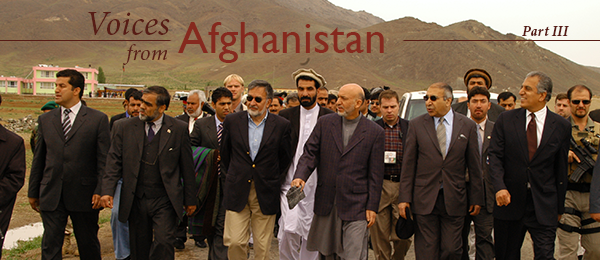
Last December in Bonn, Germany hosted and Afghanistan chaired an international conference on “Afghanistan and the International Community: From Transition to the Transformation Decade.” Eighty-five countries and 15 international organizations participated in the Conference to celebrate their shared 10-year achievements, and to recommit to consolidating and sustaining these achievements beyond 2014 into a decade of transformation until 2024.
Originally posted December 2010
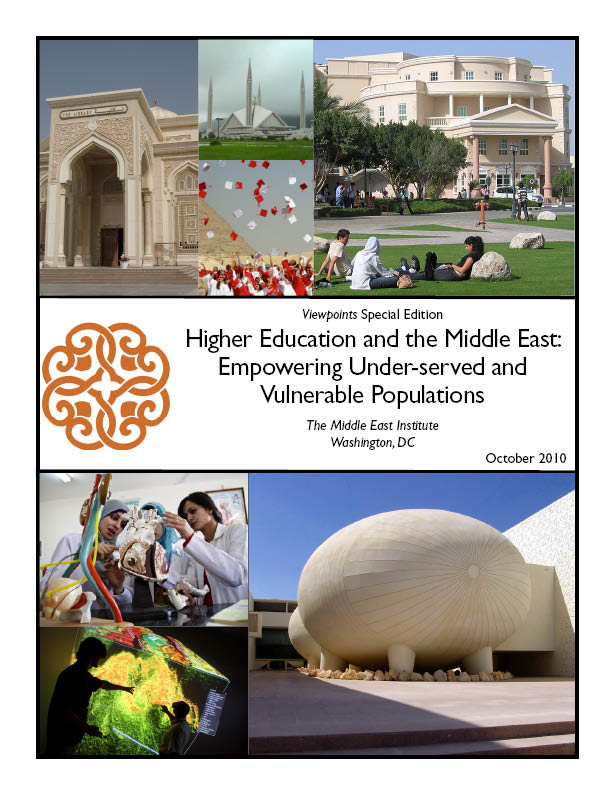
In the past 15 years, American educators – faculty, librarians, and administrators – have been invited to transfer their expertise to the Middle East and to assist in developing American-style universities. Attempting to transplant a culturally-based educational system into new nations with different values poses unique opportunities to reflect on what constitutes American education and what components must be included in the transfer.
Over the last decade, the dispute over the future status of the Western Sahara territory, which has set Morocco and the Algeria-backed pro-independence Polisario front in opposition, has entered a qualitatively new phase. This is due to attempts at finding a negotiated outcome instead of the long-delayed self-determination referendum. The idea of a political solution to break a twice deadlocked (1997 and 2000) UN self-determination referendum for the Western Sahara territory has steadily revived the prospect of autonomous status for the territory within Moroccan jurisdiction.
MEI Podcast,The Consequences of Syria for Minorities in the Levant, 9 May, 2012
Originally posted May 2010
Panelists will examine how the reverberations from last year's Arab Awakening, including the resulting unrest in Syria and the rise to power in Egypt of the Muslim Brotherhood, are re-shaping Hamas' relations with its patrons Iran and Syria, its rival, Fatah, and even the dynamics inside the organization itself.