This individual is a guest contributor. MEI is not able to assist with contact requests.
Attiya Ahmad is Georgetown University’s 2009-10 Center for International and Regional Studies Post-Doctoral Fellow. She recently completed her PhD in Cultural Anthropology at Duke University. Dr. Ahmad’s work brings together scholarship on Islamic studies, globalization, diaspora and migration studies, economic anthropology, and political economy.
As the US Plans Its Exit, the Iraqis Find Reason to Worry
This Commentary was originally published as an op-ed in The National May 31, 2010.
‘What does the US want from Iraq?” This was the question of a university educator during a large gathering of Iraqi politicians, students, journalists and activists we met during a 10-day trip to Baghdad and Kurdistan sponsored by Washington’s Stimson Center earlier this month.
The Middle East Institute is proud to host journalist and author Nicholas Blanford. With fears running high of a fresh war between Hezbollah and Israel, Blanford will discuss the prospects of a second encounter between these two enemies. He will examine the military developments undertaken by Hezbollah and Israel since the July 2006 conflict and analyze how the next war might be fought on the ground. Blanford will also explore the political implications of such a conflict on the region.
Brazil’s Embrace of the Iranian Government Will Only Embolden the Regime Internationally
This Commentary first appeared as an op-ed in the America's Quarterly Policy Journal, Spring 2010
Can Brazil play a significant role in containing Iran's nuclear ambitions? No.
Brazil’s self-perceptions and aspirations as an emerging global power are a key to understanding why the government of President Luiz Inácio Lula da Silva has chosen this particular moment in time to deepen ties with an Iranian regime that is facing crisis, both at home and abroad.
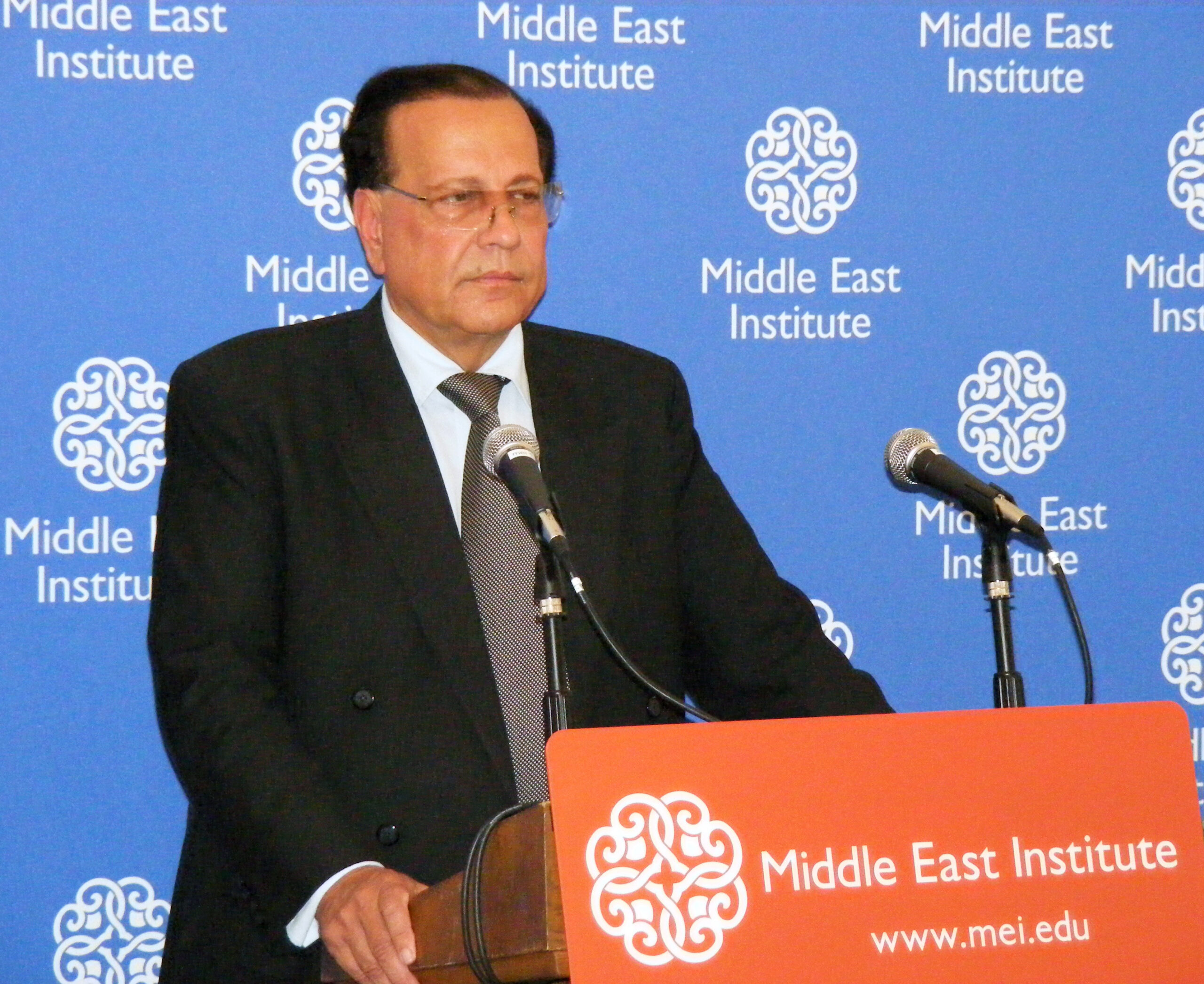
The Middle East Institute is proud to host Salman Taseer, the Governor of Pakistan's Punjab province. He will examine Pakistan's accomplishments over the past year and its looming challenges.
The Middle East Institute is proud to host Dr. Hanan Mikhail Ashrawi, Member of the PLO Executive Committee and the Palestinian Legislative Council, or a discussion about Palestinian-Israeli proximity talks and other issues related to the peace process and the situation in the West Bank and Gaza.
In Search of a Voice: Arab Soccer Players in the Israeli Media
Soccer is the most popular sport in Israel. As such, it is also a strategic research site in which to study Israeli society and its complex social and ethnic relations.
Throughout history, North African countries (i.e., Morocco, Algeria, and Tunisia) have experienced various forms of migration – internal and external, voluntary and forced, individual and collective, and legal and illegal.