This individual is a guest contributor. MEI is not able to assist with contact requests.
Attiya Ahmad is Georgetown University’s 2009-10 Center for International and Regional Studies Post-Doctoral Fellow. She recently completed her PhD in Cultural Anthropology at Duke University. Dr. Ahmad’s work brings together scholarship on Islamic studies, globalization, diaspora and migration studies, economic anthropology, and political economy.
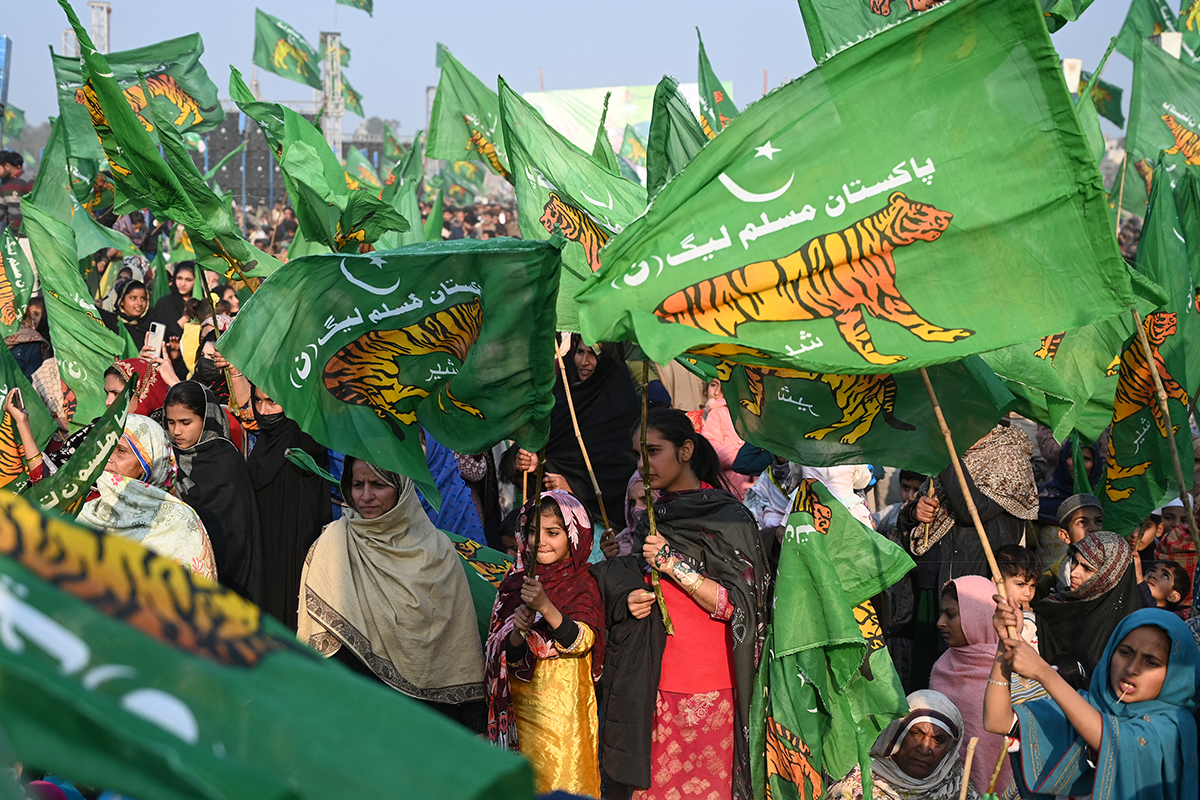
On this week’s episode Tamkinet Karim, Syed Mohammad Ali, and Alistair Taylor discuss the results of Pakistan’s Feb. 8 elections and where things might be headed moving forward. Over the past two years, Pakistan has gone through a particularly turbulent period, following the removal of Imran Khan’s government in a no-confidence vote in April 2022 — a time marked by political instability, intense polarization, a worsening economic crisis, and growing threats to internal security.
The Biden Administration’s National Cybersecurity Strategy: Opportunities and Challenges
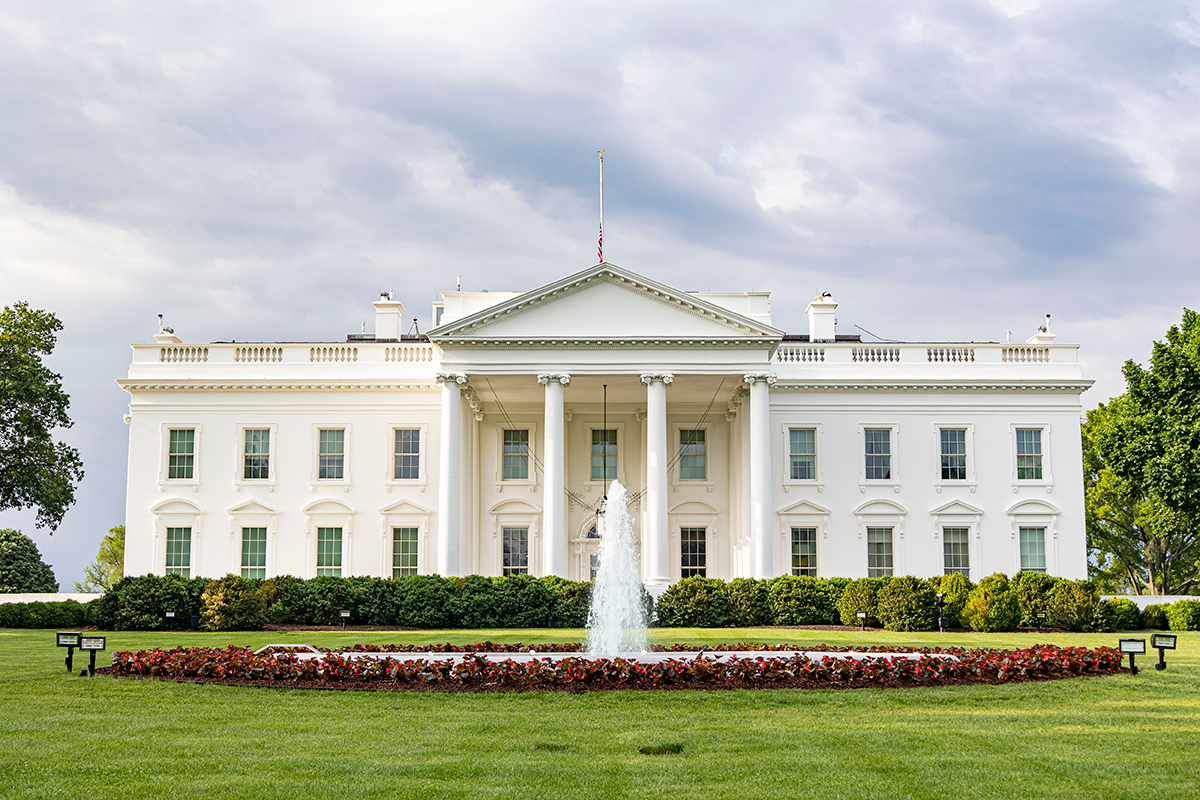
The Biden administration’s National Cybersecurity Strategy, published in March 2023, outlines how the White House plans on defending America’s digital ecosystem from malicious threat actors. The document defines key priorities for shaping a global cyber landscape that is more resilient and secure, but the administration will face obstacles and challenges while putting its plan into action. Overcoming these obstacles will require it to devise flexible, sustainable, and realistic policies at home and establish robust cyber coalitions and trade frameworks with allies and partners abroad.
Contrary to what many political observers predicted, Pakistan’s general election on Feb. 8 delivered many surprises and ushered in an even higher level of political uncertainty than what already prevailed. And with the current formation of the new coalition government, an end to political volatility doesn’t seem to be in sight.
The Political Economy of Climate Governance in Afghanistan: An Analysis of the Context and Challenges
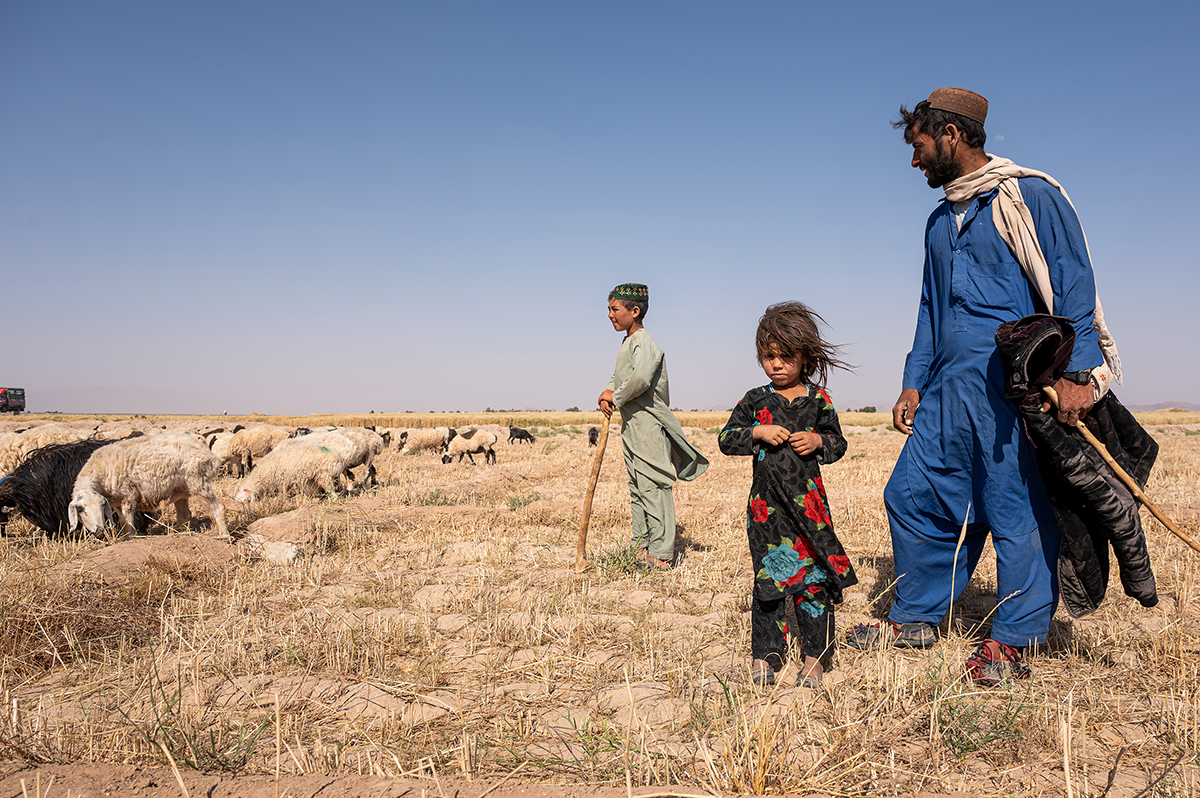
Even though it is one of the world’s lowest emitters of greenhouse gases, Afghanistan is among the 10 countries most vulnerable to climate change and severe weather conditions. Recent economic and humanitarian challenges, compounded by a political crisis of legitimacy and governance, exacerbate the situation, limiting the country’s ability to mitigate climate-induced fragility and build long-term resilience.
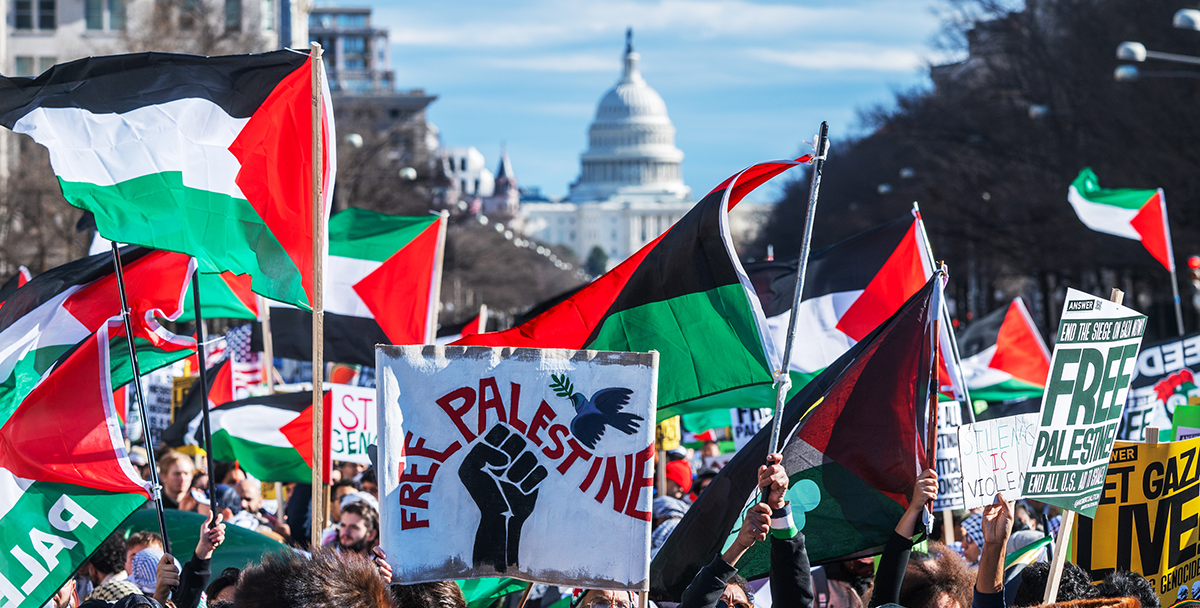
The ongoing catastrophe in Gaza is driving a surge in sympathy for Palestinians in the Western world that could mark a turning point in how the Israeli-Palestinian conflict is engaged with moving forward. Changing attitudes among younger generations are primarily responsible for this shift, driven in part by a post-Black Lives Matter outlook and narrative that has simplified and distilled the conflict.
Expelling MK Cassif: A warning sign for Palestinian representation in the Knesset
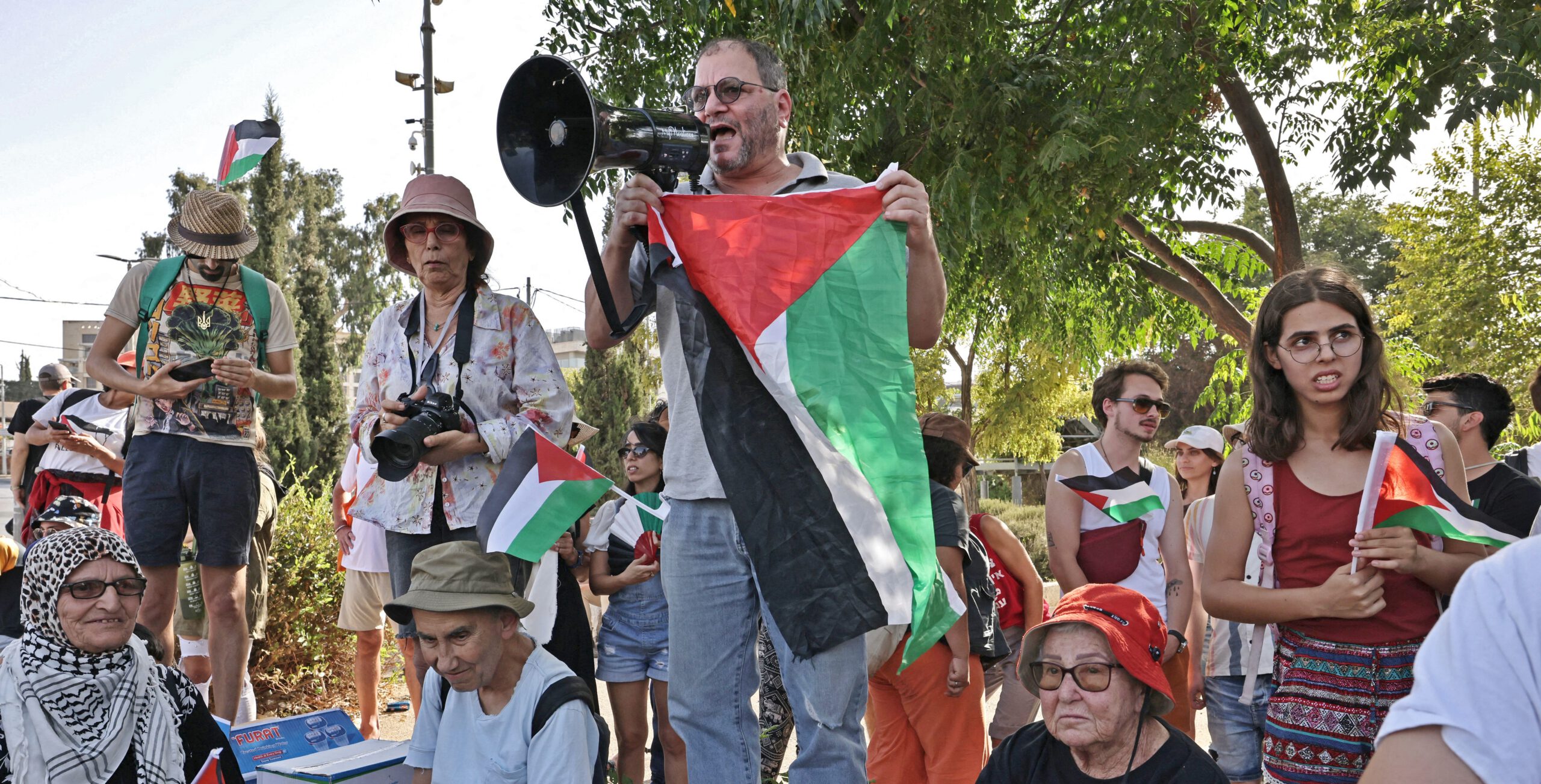
If the Knesset expels lawmaker Ofer Cassif, it will represent the national legislature’s first use of the Suspension Law and signal a sharp curtailing of legal space for non-Zionist players in Israeli politics.
From Yemen to Palestine: The strategic depth of the Houthi-Iranian alliance
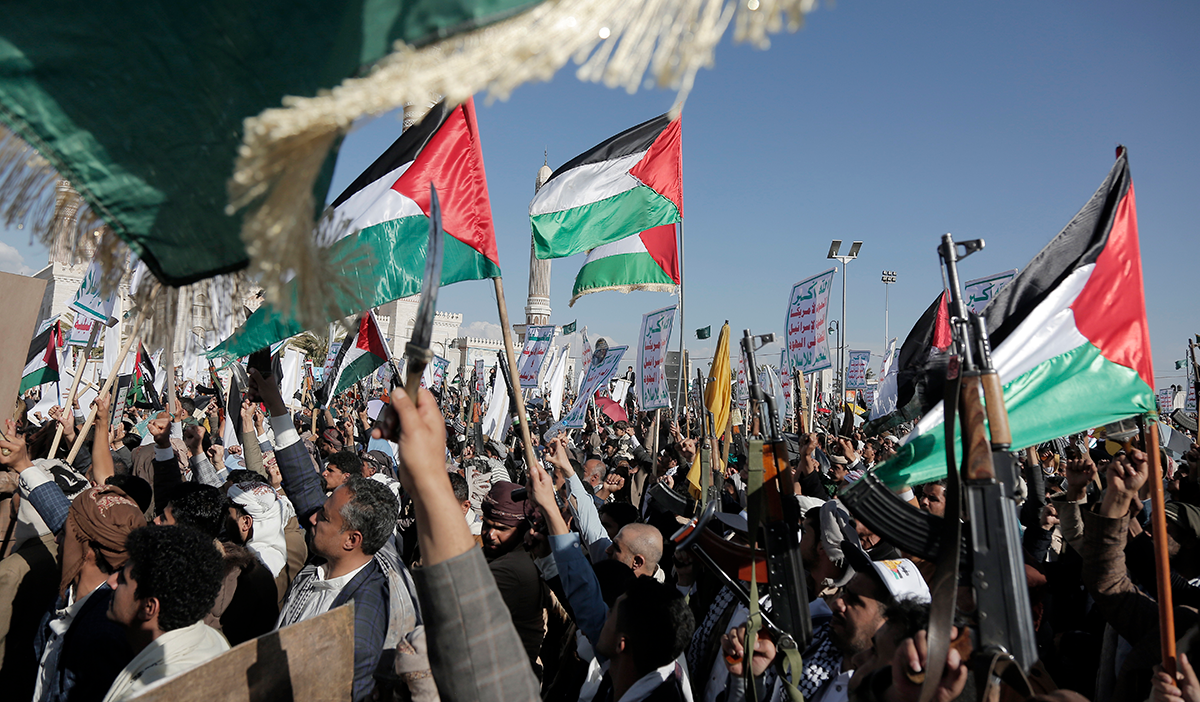
Houthi rhetoric focusing on Palestine underscores the militia’s strategic alliance with Tehran as part of the “Axis of Resistance.” This relationship, central to understanding the Houthi movement’s actions and narratives, frames its position within the larger geopolitical contest in the Middle East.
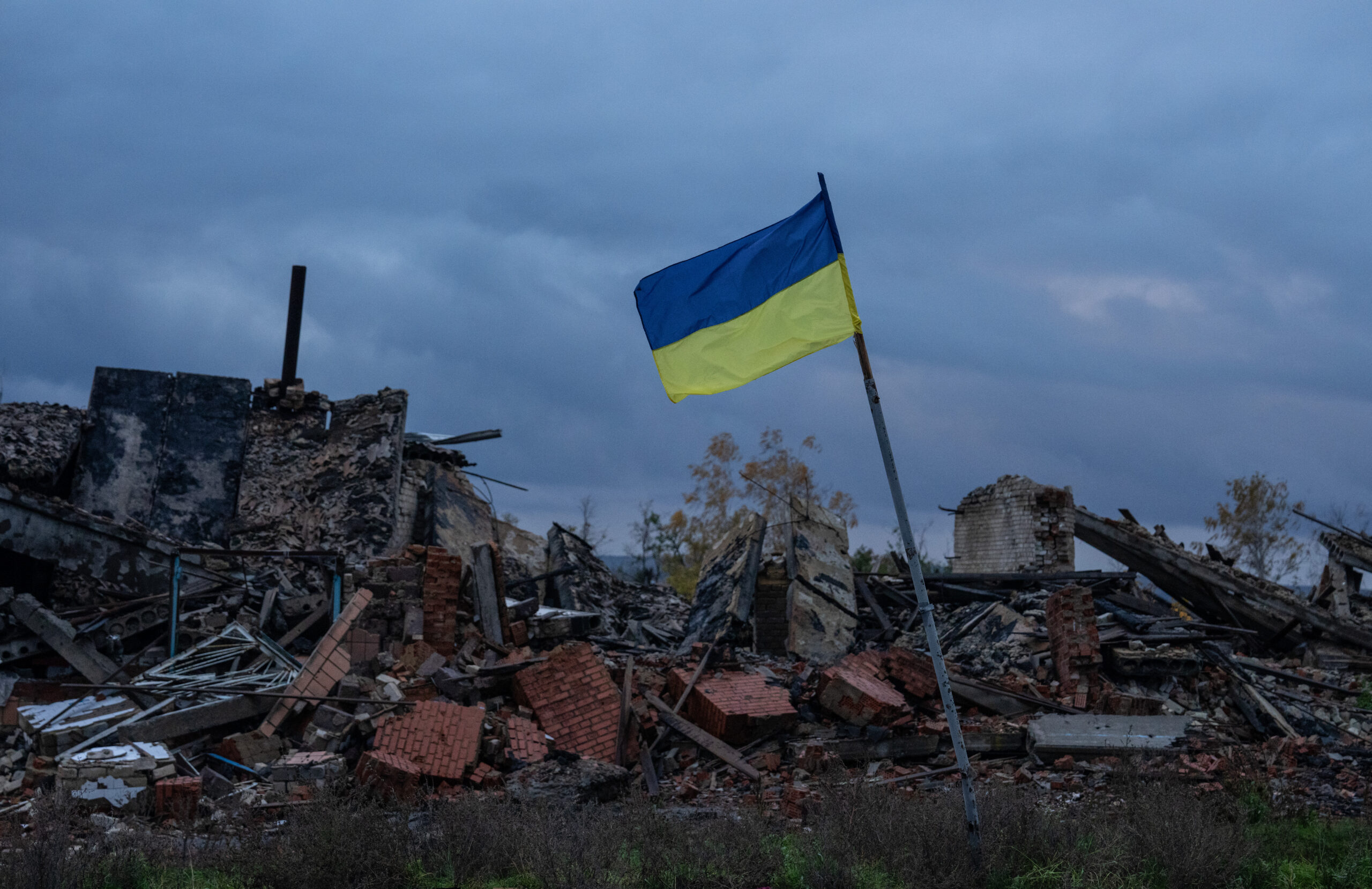
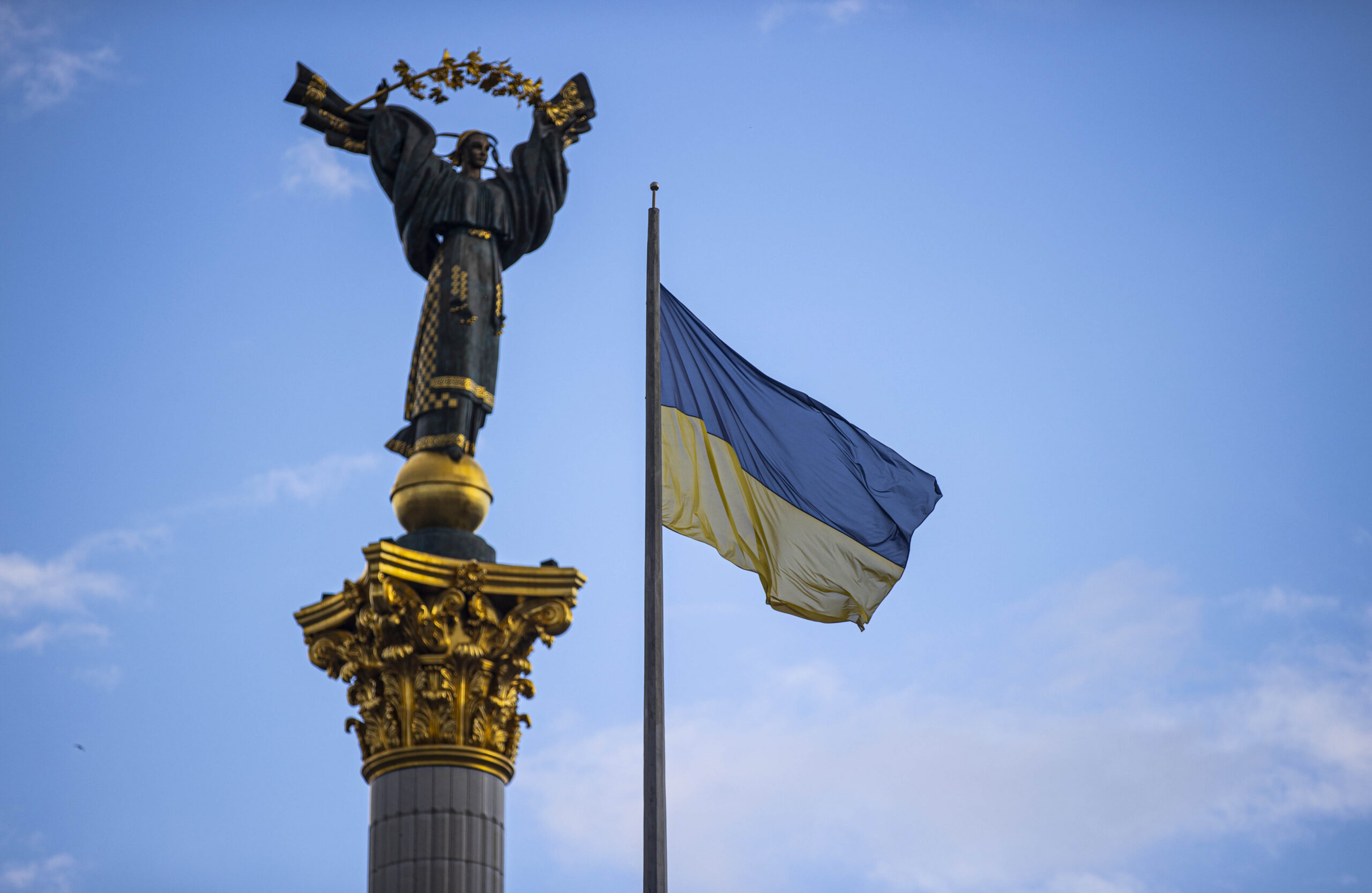
After weeks of inter-party disputes, the US Congress ended the first month of 2024 without agreeing to an additional $61bn military aid package for Ukraine.
The same can be said of the EU, where Hungary blocked a $55bn aid package.
There was no matching uncertainty in the Kremlin. Putin persists, his aim unchanged — the emasculation of an independent and sovereign Ukraine.
What will the rest of 2024 bring? Here are three scenarios.
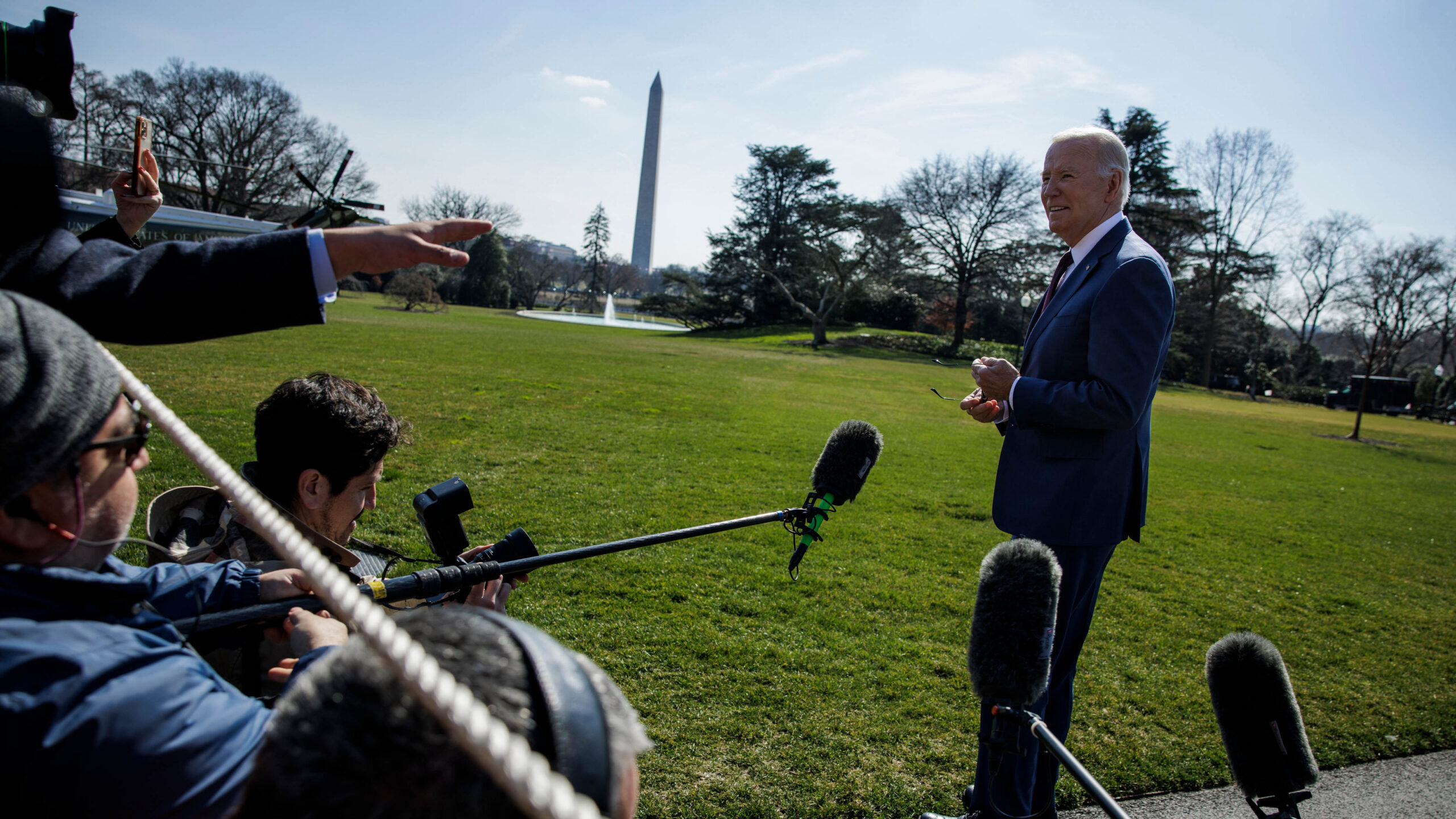
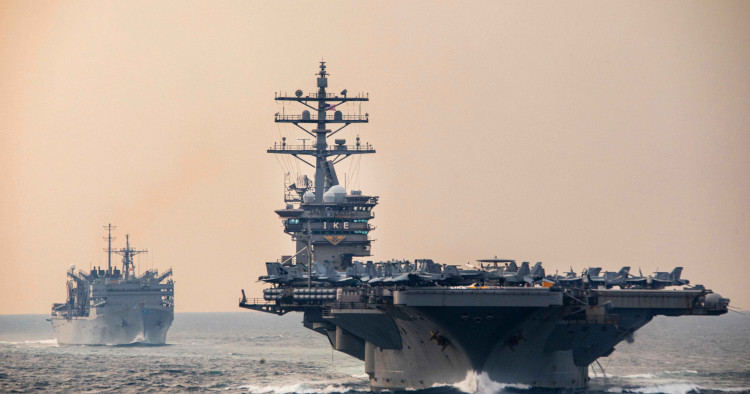
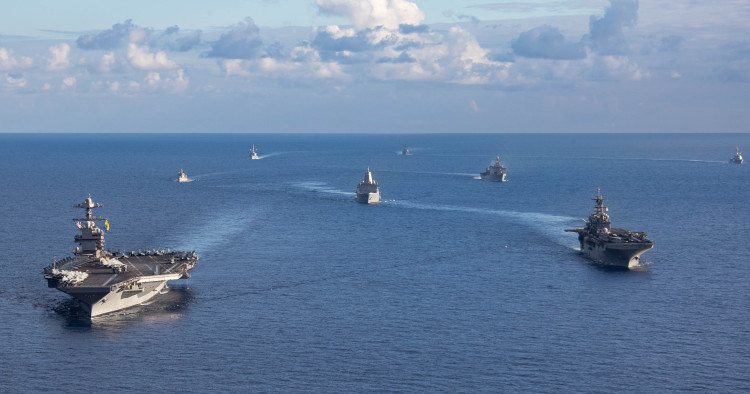
The Biden administration has largely relied on airstrikes to prevent the Houthis from causing further harm to international maritime trade in the Red Sea and the Gulf of Aden. But as we have seen already, this approach is unlikely to work against an armed group that has survived years of such one-off attacks from above. To effectively degrade the military capacity of the Houthis, a comprehensive and fully-resourced interdiction regime at sea is needed to target their supply lines and deny them the use of various forms of Iranian assistance.
On this week’s episode, MEI Iran Program Director Alex Vatanka, MEI Non-resident Scholar Andrew Scott Cooper, and MEI Editor-In-Chief Alistair Taylor discuss the Iranian Revolution of 1979. A seminal event in the history of the modern Middle East, the revolution transformed Iran and its impact continues to reverberate across the region today, nearly five decades on.