This individual is a guest contributor. MEI is not able to assist with contact requests.
Attiya Ahmad is Georgetown University’s 2009-10 Center for International and Regional Studies Post-Doctoral Fellow. She recently completed her PhD in Cultural Anthropology at Duke University. Dr. Ahmad’s work brings together scholarship on Islamic studies, globalization, diaspora and migration studies, economic anthropology, and political economy.
Gulf States should push Iran to get serious about lowering tensions
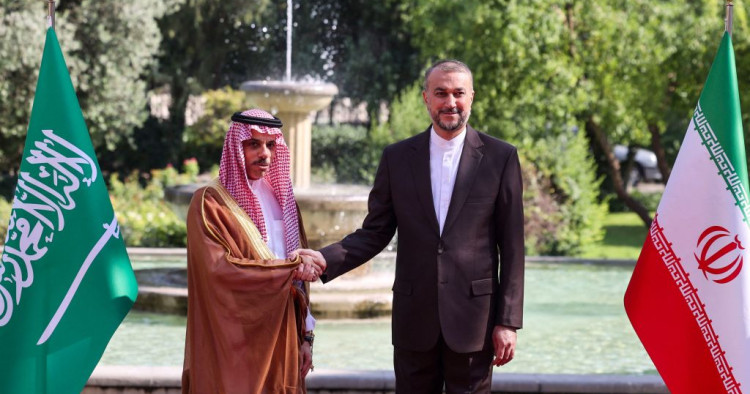
Two days after the Hamas attack on Israel last weekend, a top Iranian official said that “Arab states willing to normalize relations with Israel [should] give up the process and learn a lesson from the latest developments in Palestine.” The comment makes one thing clear: Like Hamas, Tehran wants to stop Arab diplomatic normalization with Israel.
Hamas Has Already Lost. Now, Who Will Win the Peace?
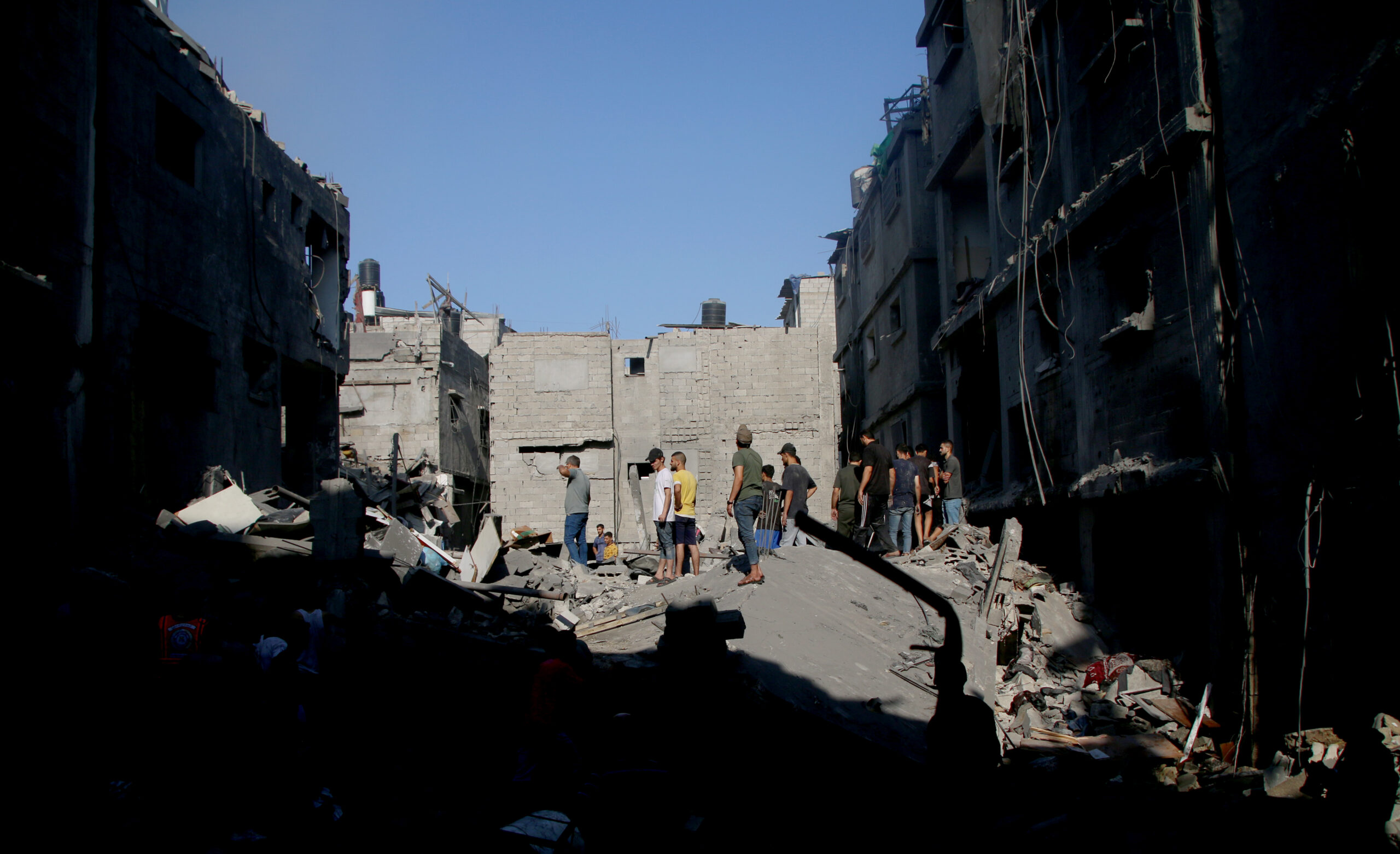
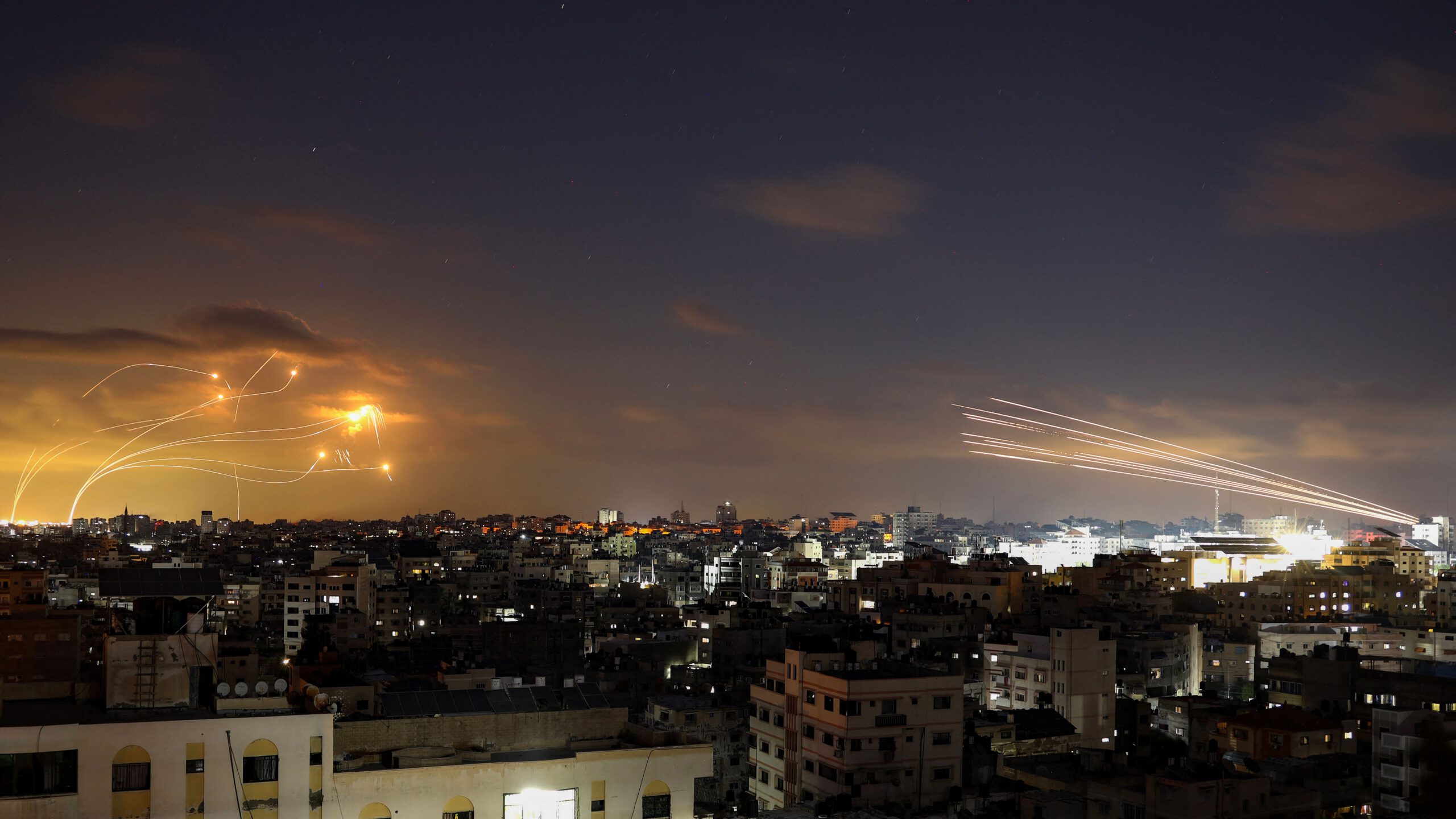
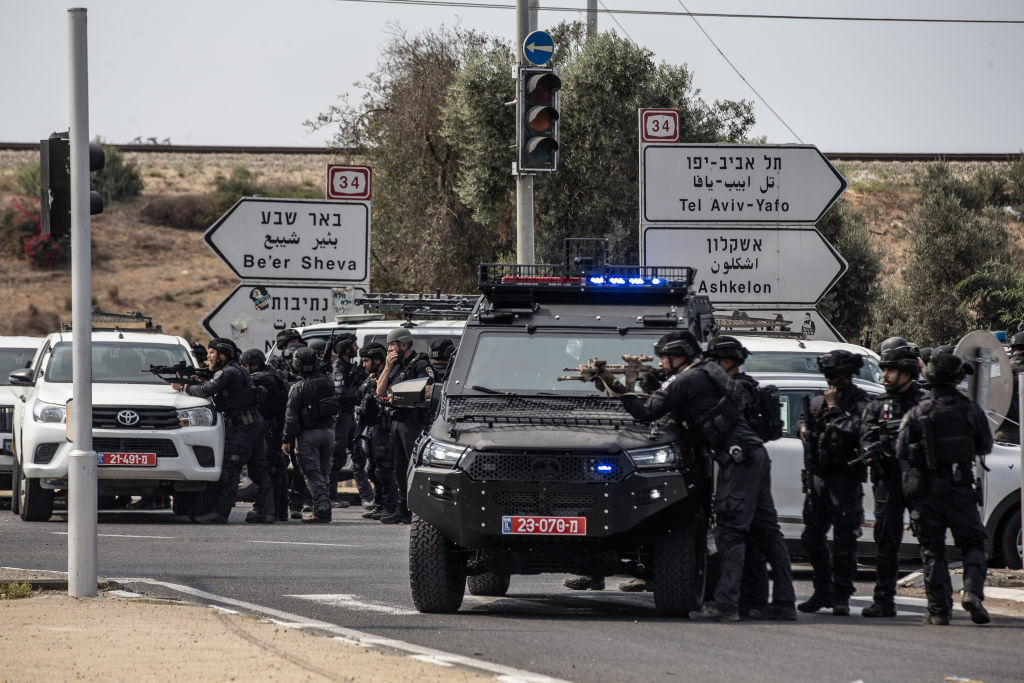
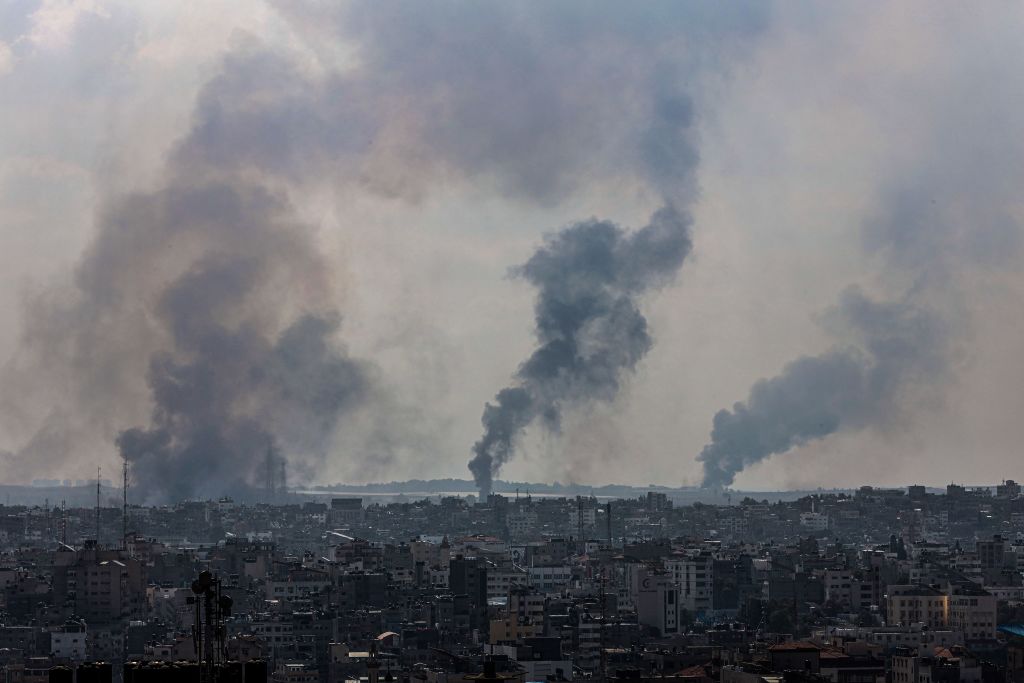
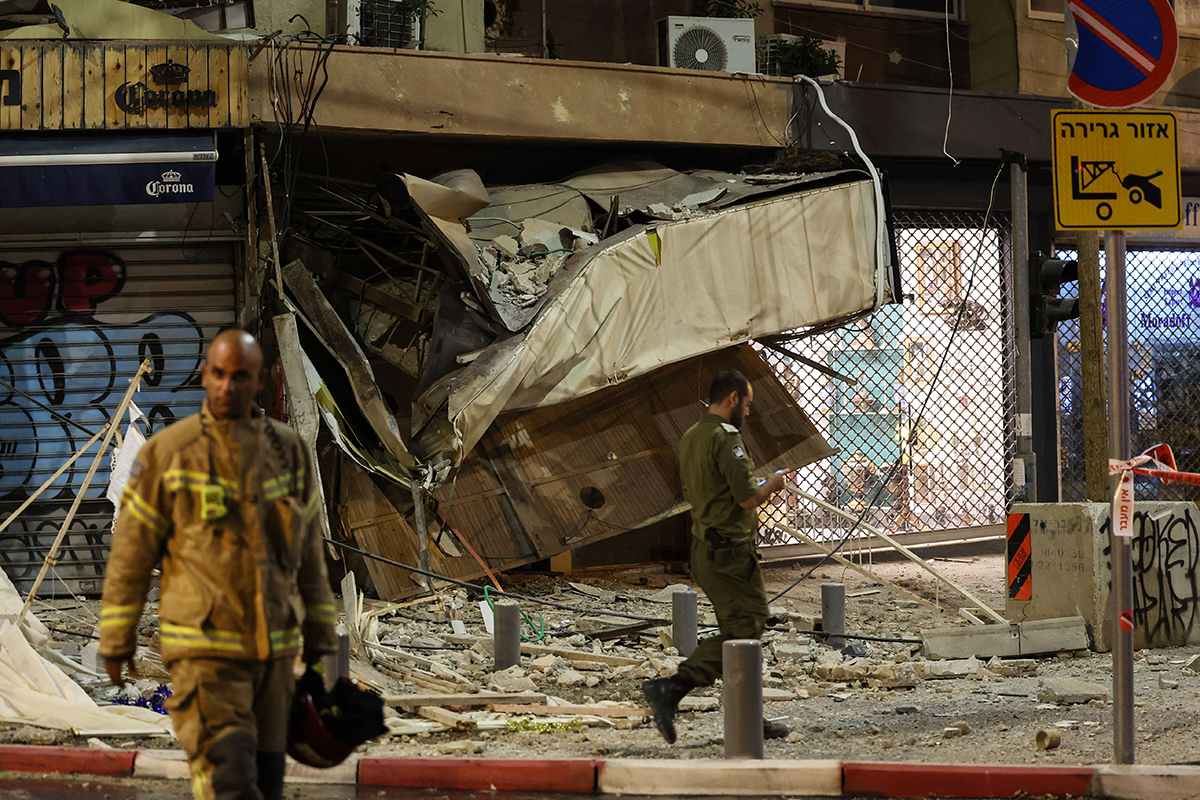
The events that began in Israel on Oct. 7 are a historical hinge. Like 9/11, as has been said, 10/7 will be remembered by most observers as a bright dividing line between “before” and “after.” What’s at stake for Israel—a fight for its survival—has echoes in other battles taking place around the world like Russia’s war against Ukraine and the Iranian regime’s continued repression of its own people. The world keeps moving toward the future, but the past and those retrograde elements that want to move the world backward still want to have a say.
The new war between Israel and Hamas has amply illustrated that what Middle Eastern and American officials were claiming was the most peaceful in decades was anything but.
It was an easy mistake to make: across the region, negotiations were breaking out among hardened foes, countries were scaling back or ending interventions, and everyone seemed to be breathing a collective sigh of relief.
As is usual in the Middle East, the outbreak of peace is often just a harbinger of war.
In the eye of the storm: The battle over fossil fuels at COP28
As the existential threat of climate change continues to intensify, the future of fossil fuels has been thrust into the international spotlight. Reducing hydrocarbon production and consumption has gained traction in international climate talks amid warnings that the window to avoid catastrophic warming is closing quickly.
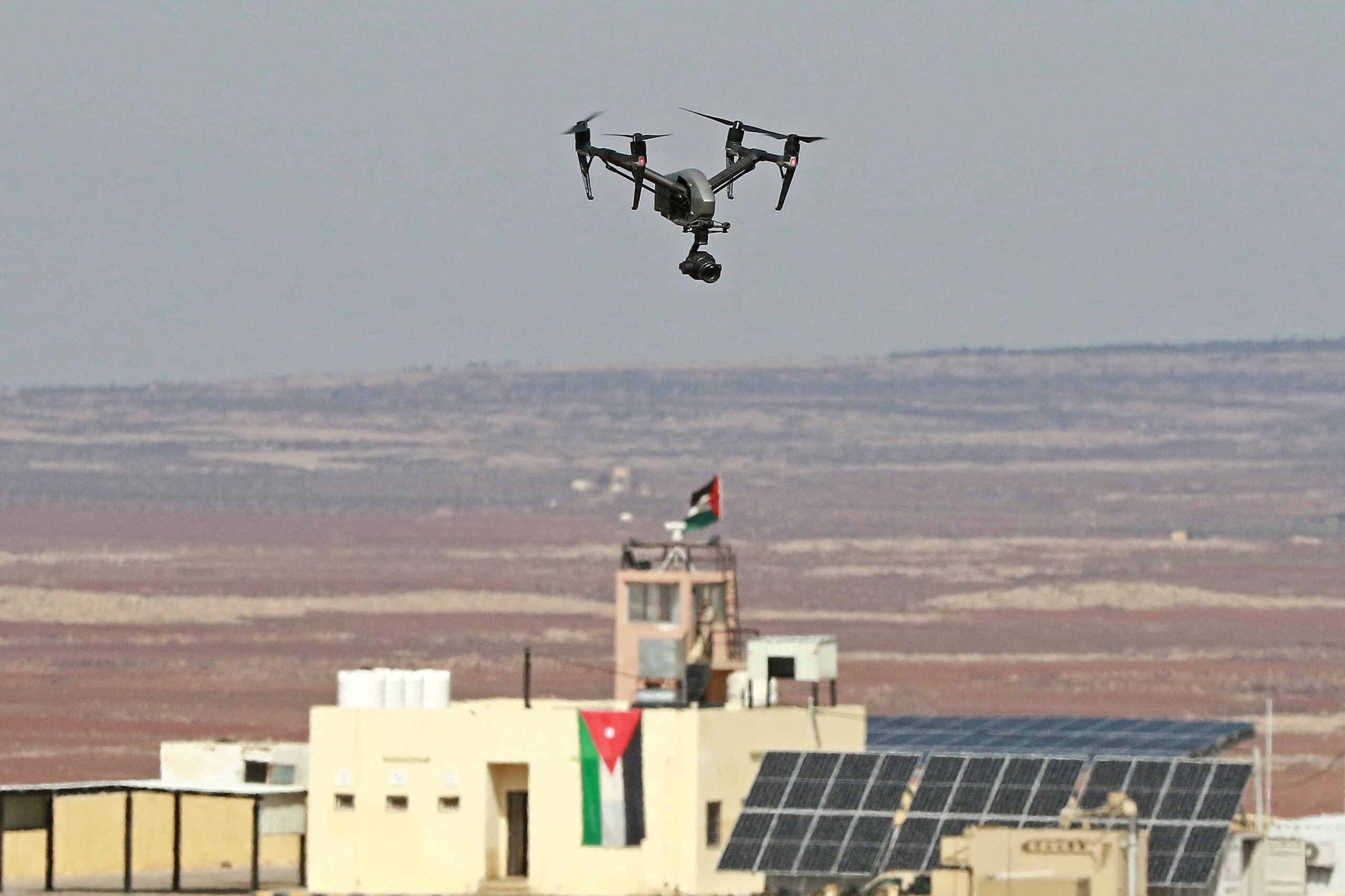
On Sept. 26, Jordan dealt a double blow to drug traffickers by intercepting two drones packed with crystal meth from Syria. But this is just the tip of a rapidly growing iceberg. In the past two months alone, Amman has thwarted four more drones, each laden with a deadly cocktail of drugs, arms, and explosives. This surge illuminates a disturbing evolution in the tactics of smuggling networks operating in southern Syria.
Turkish escalation in northeastern Syria amid changes in military strategy
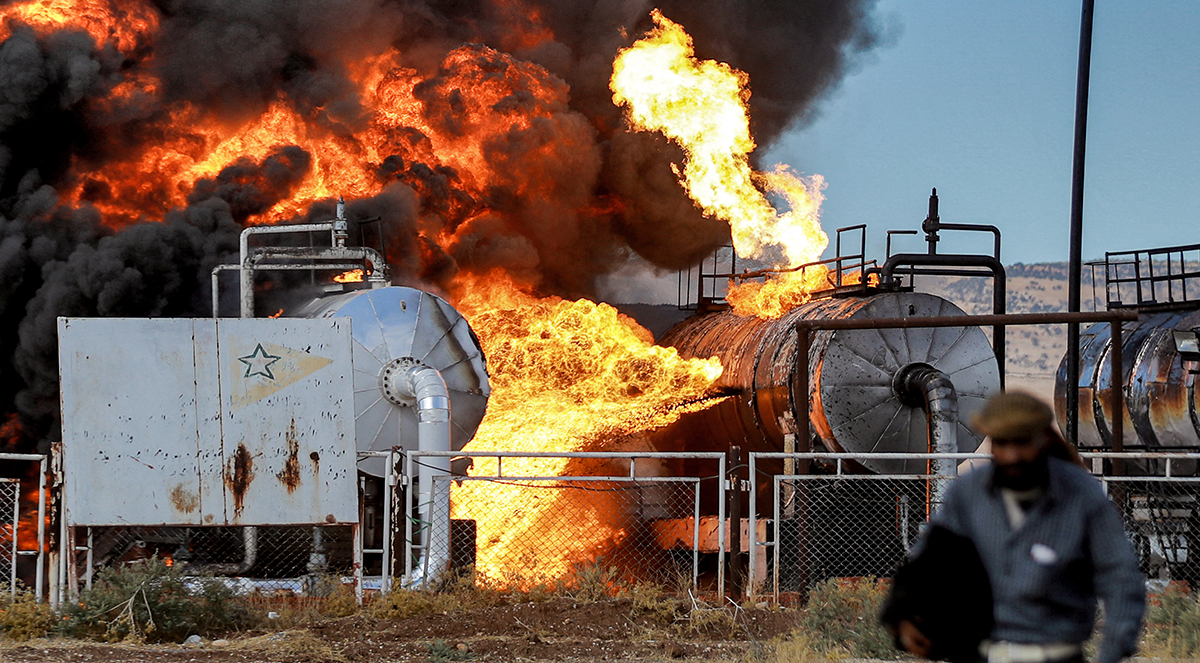
After several quiet months on the Turkish-Syrian border, tensions have escalated in recent days. Turkish forces have intensified their attacks against the SDF in northeastern Syria and targeted PKK hideouts along the Turkish-Iraqi border. This escalation is unfolding against the backdrop of the suicide blast in Turkey’s capital, Ankara, on Oct. 1 that targeted the Interior Ministry.
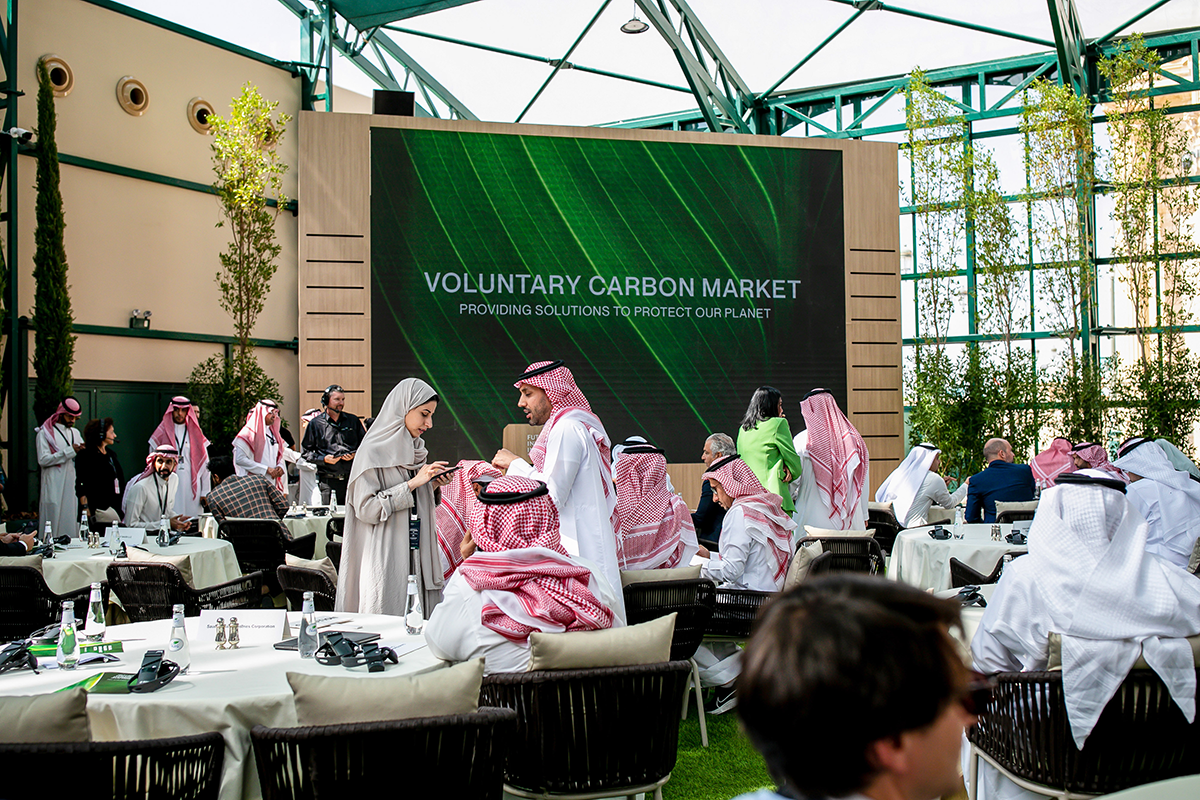
Carbon trading in the MENA region: Opportunities and challenges
One of the key outcomes of the COP26 meeting in Glasgow in 2021 was the establishment of Article 6, which regulates carbon markets under the U.N. Framework Convention on Climate Change. It is argued that carbon markets could lead to more rigorous climate action by enabling governments and entities to trade carbon credits generated by the reduction or removal of greenhouse gases from the atmosphere, such as by phasing out fossil fuels and switching to renewable energy or conserving carbon stocks in ecosystems like forests.
In the latest installment of the Defense Rapid Reaction series, experts from MEI’s Defense & Security Program provide their views on the Oct. 7 Hamas surprise attack on Israel and what it might mean for Israelis and Palestinians, the wider region, and U.S. policy.
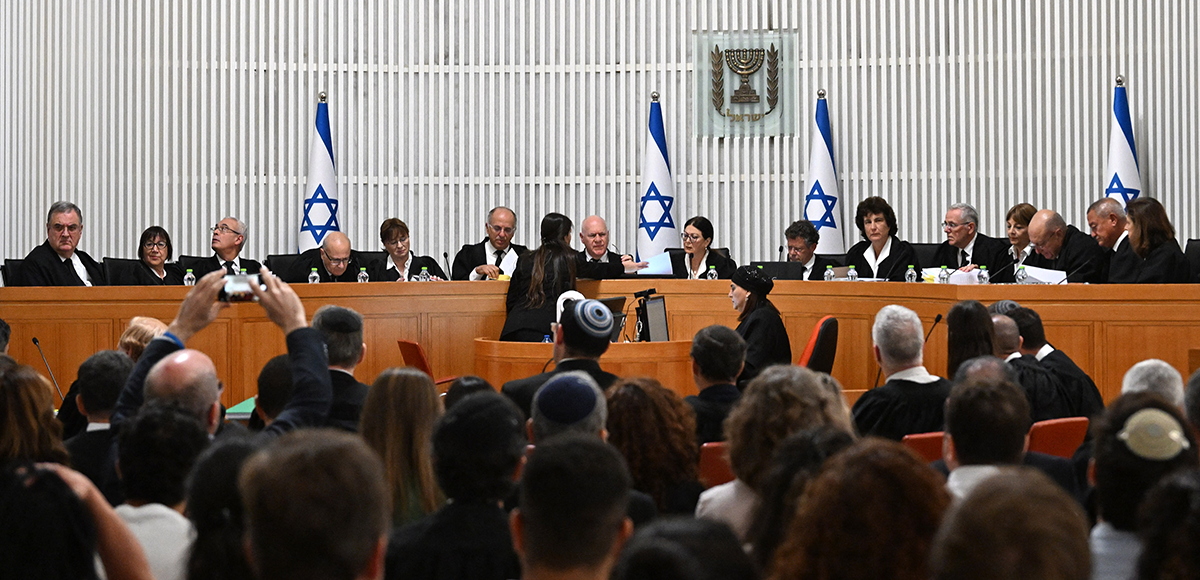
Understanding the legal drama in Israel: Will the Supreme Court prevent a constitutional crisis?
After a year of unprecedented events, Israel’s political and constitutional turmoil came to a head on Sept. 12, when the Supreme Court heard oral arguments in a critical case that will determine the future of the Netanyahu government’s judicial overhaul. The arguments concern the so-called Reasonableness Amendment, passed by Israel’s parliament in late July; this amendment to the country’s Basic Laws would partially strip the Supreme Court of its authority to review governmental acts.
The US Cyber Workforce and Education Strategy: A blueprint for building cyber talent in the Gulf
In July 2023, the White House released the National Cyber Workforce and Education Strategy. The strategy is designed to address the cybersecurity workforce shortage by emphasizing skills-based hiring and lifelong learning. It also provides guidance for other nations, particularly in the Gulf region, as they undergo their own digital transformation and work toward gender equality in their workforces.