تمت ترجمة هذا النص بواسطة الذكاء الاصطناعي وقد يحتوي على أخطاء.
تخطي إلى المحتوى

تشارلز ليستر

زميل أول، مبادرة سوريا

تشارلز ليستر

Charles Lister is a senior fellow and the director of the Syria Initiative at the Middle East Institute (MEI), where he focuses on Syria, terrorism, and insurgency across the Levant. His work also covers broader regional security dynamics and the evolution of jihadist movements, including al-Qaeda and the Islamic State (ISIS). Mr. Lister is concurrently a Senior Consultant to the Karam Shaar Advisory; the Founder of Syria Weekly; and a consultant to the United Nations’ International, Impartial and Independent Mechanism (IIIM) for Syria. Mr. Lister also serves as an expert witness and advisor on counterterrorism for US, European, and Australian law enforcement and judicial bodies.

At MEI, Mr. Lister leads two major international initiatives. The Resolving the Detainee Crisis project, a joint effort with the International Centre for the Study of Radicalization (ICSR), brings together governments and NGOs to address the challenges of detaining thousands of terrorist fighters and their families in northeast Syria. Separately, the Syria Strategy Project, in collaboration with the Atlantic Council and the European Institute of Peace, engages over 80 experts and 25 governments and Syrian entities to shape multilateral approaches to resolving Syria’s conflict. In March 2025, the project published a report, “Reimagining Syria: A Roadmap for Peace and Prosperity Beyond Assad.”

Before joining MEI, he was a visiting fellow at the Brookings Institution in Doha and a senior consultant to the multinationally backed Syria Track II Dialogue Initiative, where he led years of direct engagement with the leadership of more than 100 Syrian armed opposition groups.

He is the author of The Syrian Jihad: Al-Qaeda, the Islamic State and the Evolution of an Insurgency (Oxford University Press, 2016), The Islamic State: A Brief Introduction (Brookings Press, 2015), and the editor of Winning the Battle, Losing the War: Addressing the Drivers of Non-State Armed Actors and Extremist Groups (MEI, 2019). His next book, also on Syria, is forthcoming from Oxford University Press.

He holds a first-class MA (Hons) in International Relations from the University of St. Andrews.

He is fluent in French.

The Latest from Charles Lister

تصفية حسب
277 Results
Syria Still Matters: Charting a Strategic Approach to Syria Policy
Photo by GEORGE OURFALIAN/AFP via Getty Images
  • التحليل
  • Syria Still Matters: Charting a Strategic Approach to Syria Policy

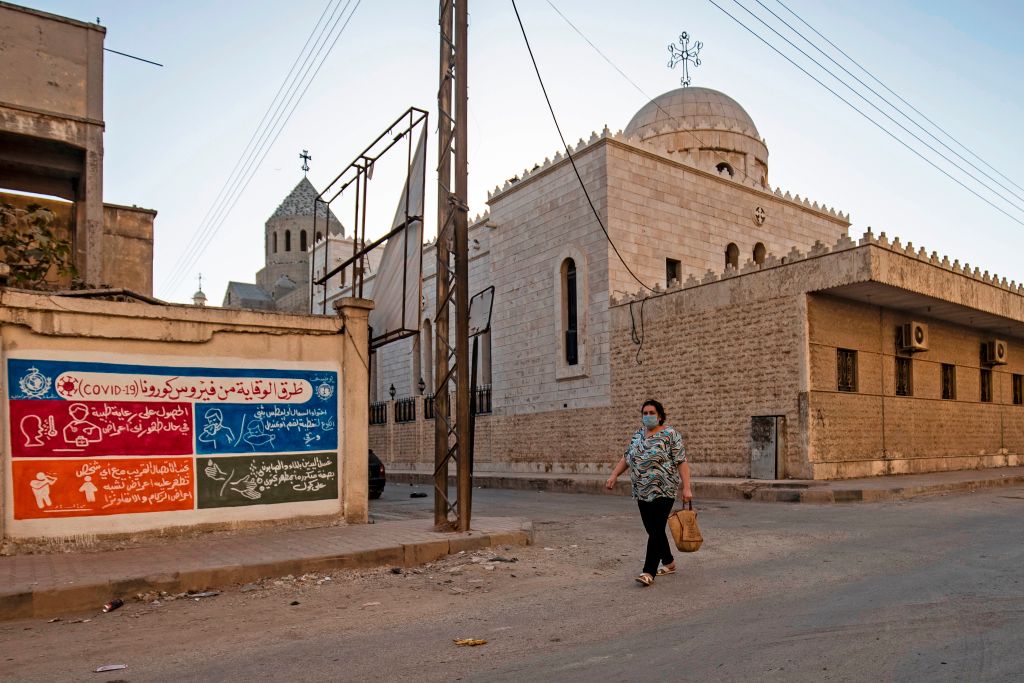
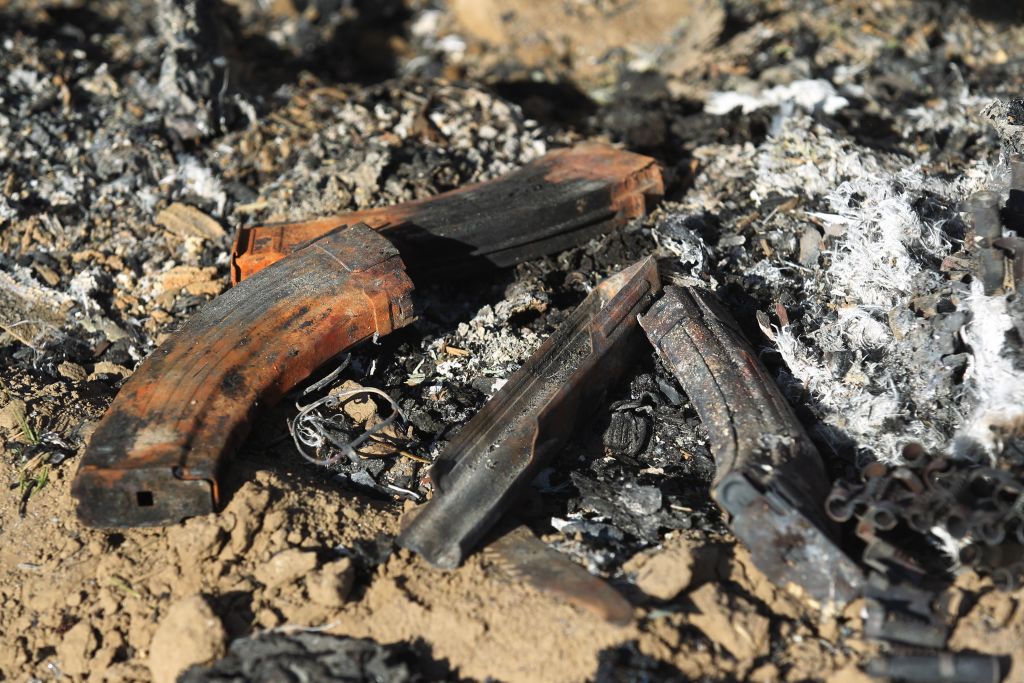
    Nine years of conflict in Syria has had a profoundly destabilizing effect on regional and international security. Although overarching dynamics have changed, the crisis is far from over — it is merely evolving. All of the conflict’s root causes remain in place and many have worsened. In controlling less than two-thirds of the country, the Syrian state and its Russian and Iranian backers are increasingly incapable of addressing the many challenges they face: economic collapse and inflation, fledgling insurgencies, a resurgent ISIS, a COVID crisis, and endemic corruption and mismanagement. What happens in Syria never stays in Syria. The United States cannot afford to prematurely withdraw or sustain today’s inconsistent and ill-considered policy — it must step up, re-assert its leverage, strengthen its partners, mobilize its allies, and move determinedly toward protecting American interests and helping to diplomatically resolve the crisis once and for all, creating space for foreign actors, the U.S. included, to depart Syrian soil responsibly.

    Election 2020: Challenges and Opportunities for US Policy in the Middle East
  • التحليل
  • Election 2020: Challenges and Opportunities for US Policy in the Middle East

    In a new briefing book released ahead of the U.S. elections in November, entitled Election 2020: Challenges and Opportunities for US Policy in the Middle East, MEI scholars lay out key issues across the region, highlight the U.S. interests at stake, and provide policy insights and recommendations for the path forward. 

    Russia signals growing dissatisfaction with Syria’s Assad regime
    Photo by ALEXEY NIKOLSKY/SPUTNIK/AFP via Getty Images
  • التحليل
  • Russia signals growing dissatisfaction with Syria’s Assad regime

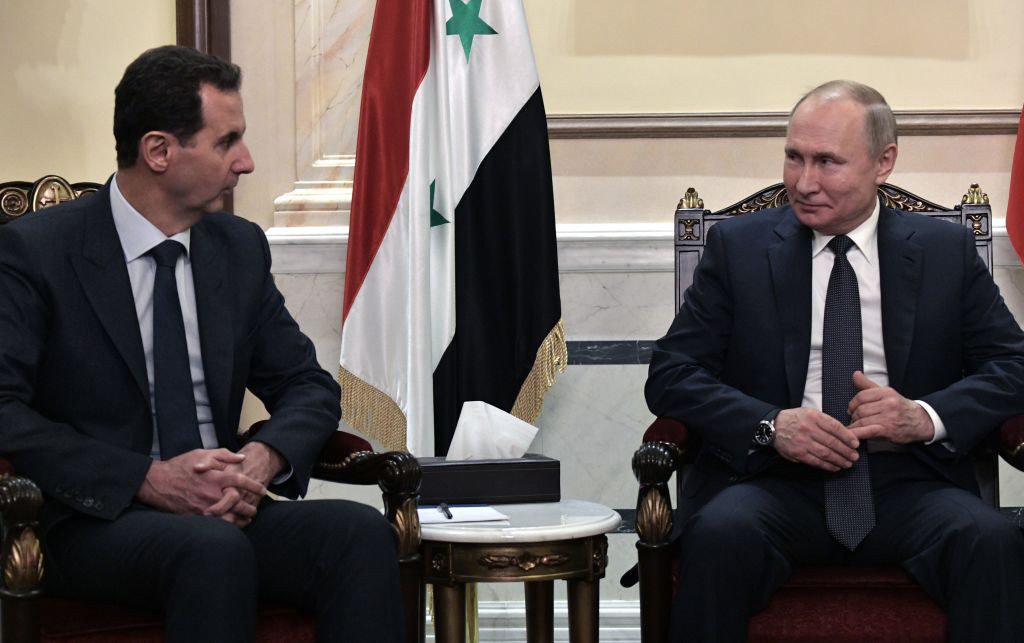
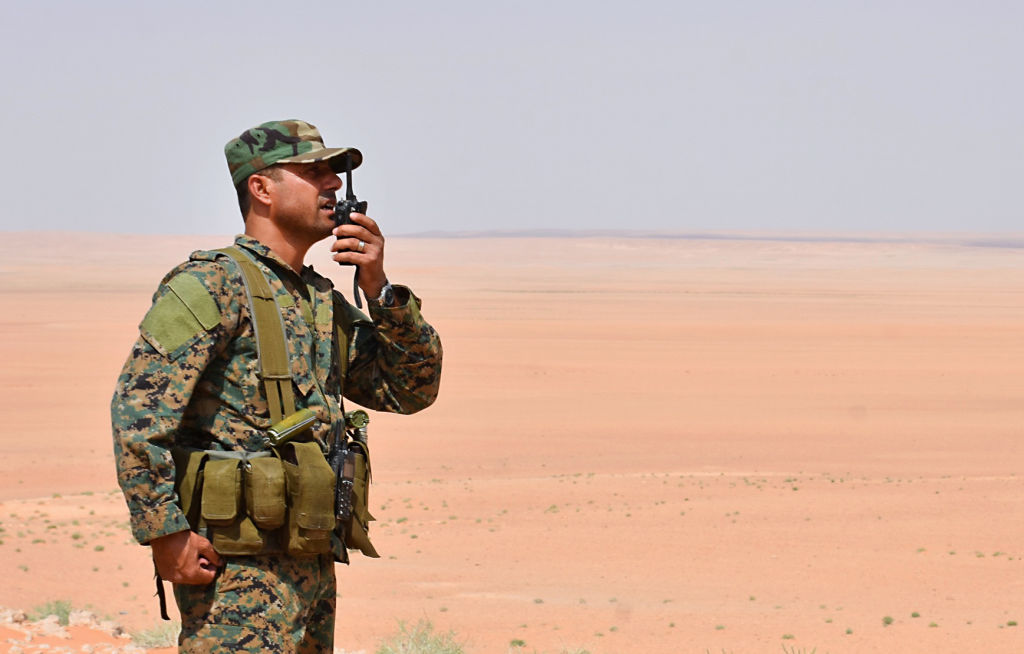
    In recent weeks, a flurry of commentary from prominent voices and publications in Russia has seen a wave of criticism directed at Syria’s Assad regime. Accusations have been leveled against the regime of corruption, warlordism, and incompetence, as well as an obsession with achieving unrealistic military objectives at the expense of dwindling resources, reconstruction, and political and economic reforms.

    Is Idlib set for internal strife?
    Photo by OMAR HAJ KADOUR/AFP via Getty Images
  • التحليل
  • Is Idlib set for internal strife?

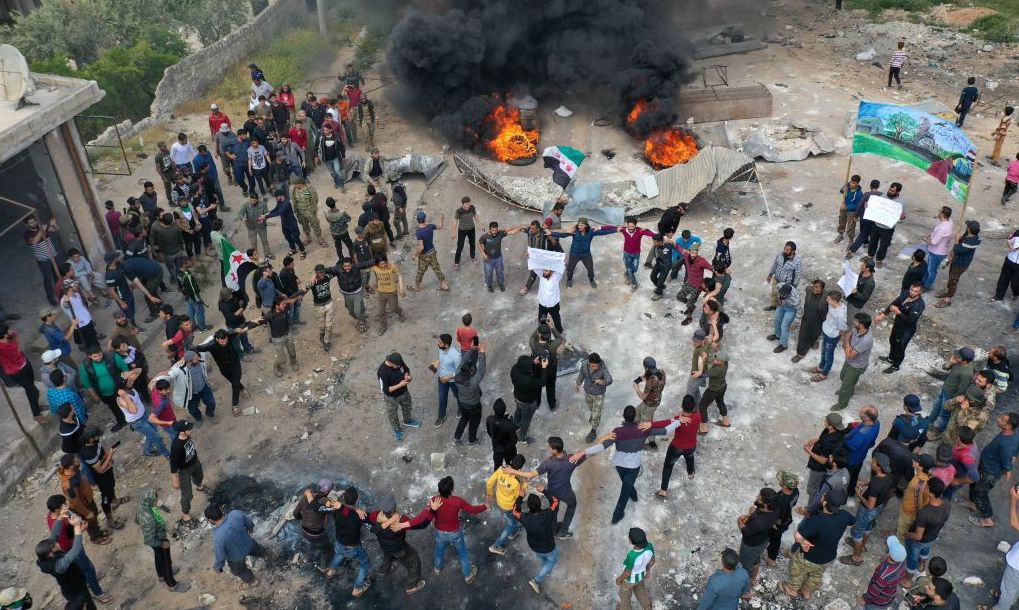
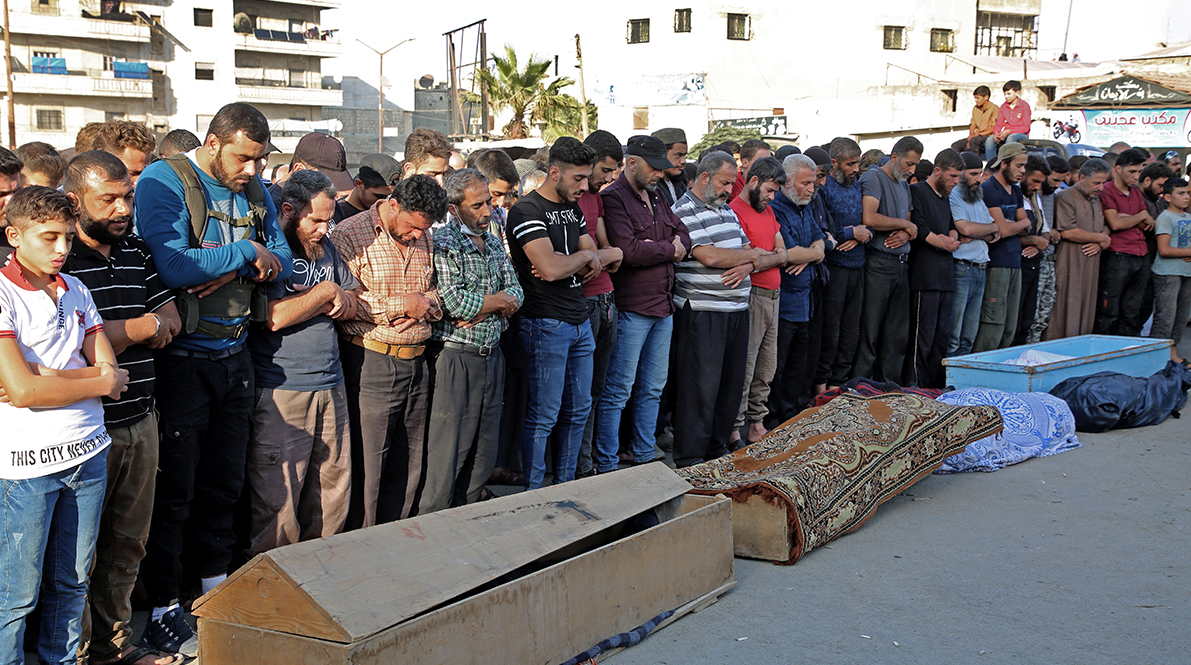
    With its territory under increasing pressure, its finances dwindling, and manpower more challenged than ever, HTS’s ability to balance its extremism with controlled uses of pragmatism is under strain. Internally, its leadership is bitterly divided over decisions of the past, present, and future and externally, its rivals and enemies all appear to be conspiring against it. In an attempt to protect internal cohesion, HTS has become determinedly self-assertive in recent weeks, pursuing unpopular policies such as trading with the regime and lashing out at those brave enough to express their dissatisfaction. In response to HTS aggressions, a wider array of opposition voices — both moderate and Islamist — are declaring loudly that HTS now represents a threat to their revolution.

    The growing threat of ISIS in Syria’s Badia
    Photo by: GEORGE OURFALIAN/AFP via Getty Images
  • التحليل
  • The growing threat of ISIS in Syria’s Badia

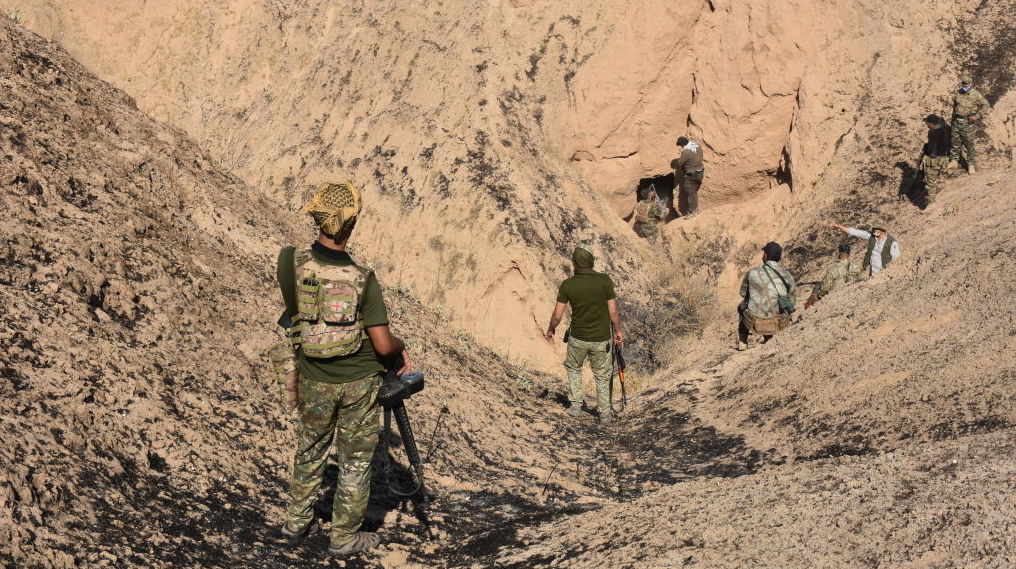
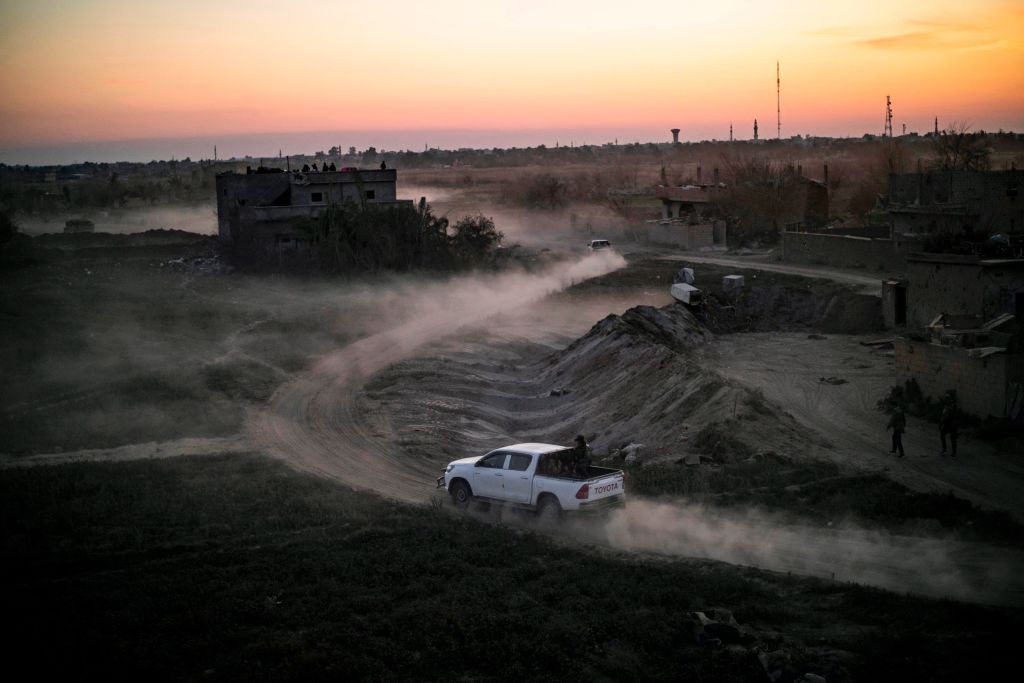
    When the American-backed Syrian Democratic Forces (SDF) captured the village of al-Baghouz in late
    March 2019, ISIS’s self-proclaimed “caliphate” came to an end. The largest multinational military
    coalition in modern history spent four-and-a-half years methodically rolling back ISIS’s control of an
    expanse of territory the size of Britain, stretching across Syria and Iraq.

    The puzzling outcome of the Moscow Summit
    Turkey's President Recep Tayyip Erdogan (L) and Russia's President Vladimir Putin at a press conference following their meeting at the Moscow Kremlin.
  • التحليل
  • The puzzling outcome of the Moscow Summit

    In changing the balance of power on the ground and forcing hostilities to a stalemate, Turkey’s military intervention in Idlib had produced its desired effect. On March 5, Vladimir Putin and Erdogan sat together for six hours and announced to the world a comprehensive cease-fire and the establishment of a secure corridor spanning six kilometers on the north and south sides of the M4 highway.