تمت ترجمة هذا النص بواسطة الذكاء الاصطناعي وقد يحتوي على أخطاء.
تخطي إلى المحتوى

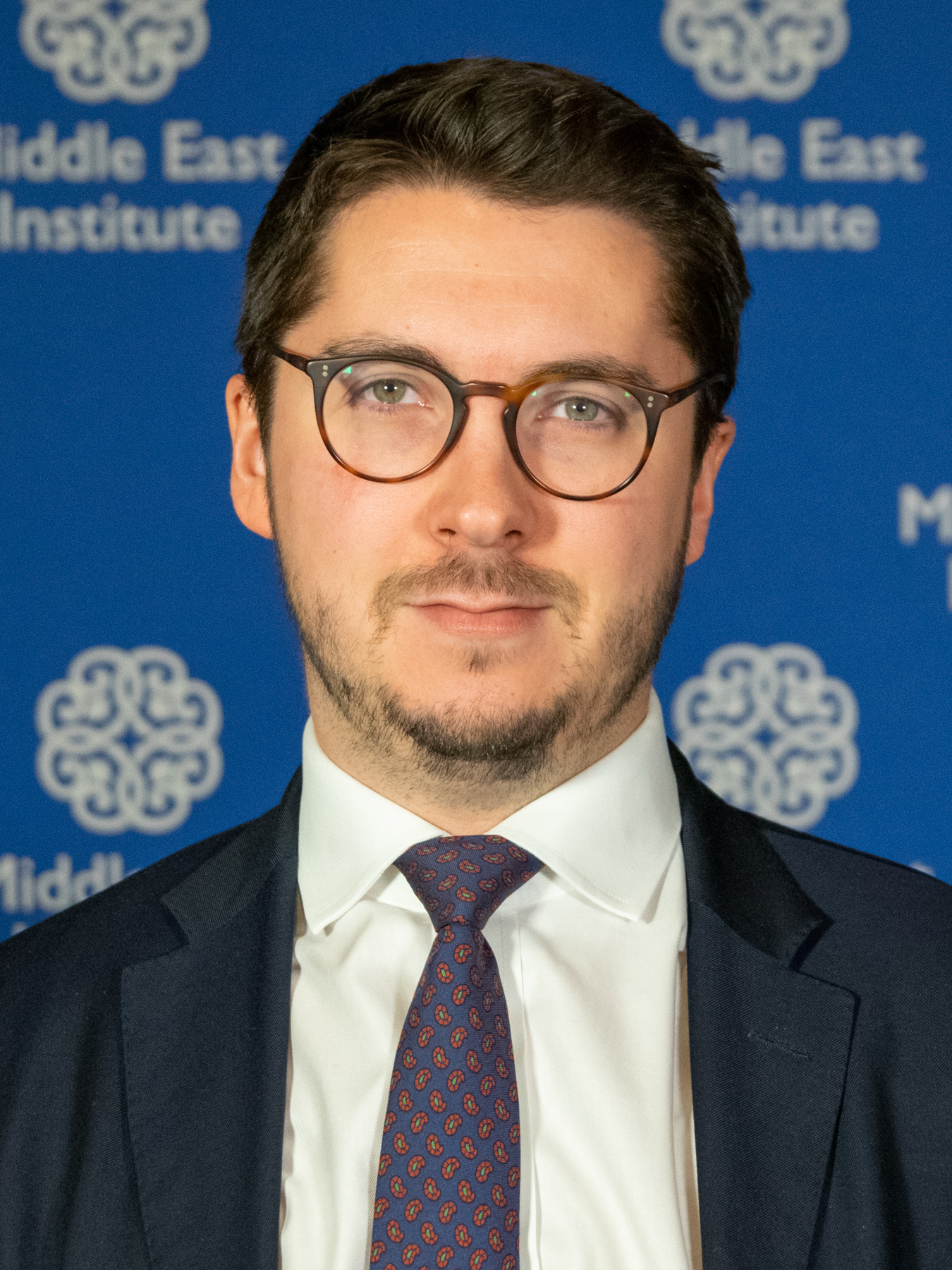
تشارلز ليستر

زميل أول، مبادرة سوريا

تشارلز ليستر

Charles Lister is a senior fellow and the director of the Syria Initiative at the Middle East Institute (MEI), where he focuses on Syria, terrorism, and insurgency across the Levant. His work also covers broader regional security dynamics and the evolution of jihadist movements, including al-Qaeda and the Islamic State (ISIS). Mr. Lister is concurrently a Senior Consultant to the Karam Shaar Advisory; the Founder of Syria Weekly; and a consultant to the United Nations’ International, Impartial and Independent Mechanism (IIIM) for Syria. Mr. Lister also serves as an expert witness and advisor on counterterrorism for US, European, and Australian law enforcement and judicial bodies.

At MEI, Mr. Lister leads two major international initiatives. The Resolving the Detainee Crisis project, a joint effort with the International Centre for the Study of Radicalization (ICSR), brings together governments and NGOs to address the challenges of detaining thousands of terrorist fighters and their families in northeast Syria. Separately, the Syria Strategy Project, in collaboration with the Atlantic Council and the European Institute of Peace, engages over 80 experts and 25 governments and Syrian entities to shape multilateral approaches to resolving Syria’s conflict. In March 2025, the project published a report, “Reimagining Syria: A Roadmap for Peace and Prosperity Beyond Assad.”

Before joining MEI, he was a visiting fellow at the Brookings Institution in Doha and a senior consultant to the multinationally backed Syria Track II Dialogue Initiative, where he led years of direct engagement with the leadership of more than 100 Syrian armed opposition groups.

He is the author of The Syrian Jihad: Al-Qaeda, the Islamic State and the Evolution of an Insurgency (Oxford University Press, 2016), The Islamic State: A Brief Introduction (Brookings Press, 2015), and the editor of Winning the Battle, Losing the War: Addressing the Drivers of Non-State Armed Actors and Extremist Groups (MEI, 2019). His next book, also on Syria, is forthcoming from Oxford University Press.

He holds a first-class MA (Hons) in International Relations from the University of St. Andrews.

He is fluent in French.

The Latest from Charles Lister

تصفية حسب
277 Results
A dream scenario for ISIS in northeastern Syria
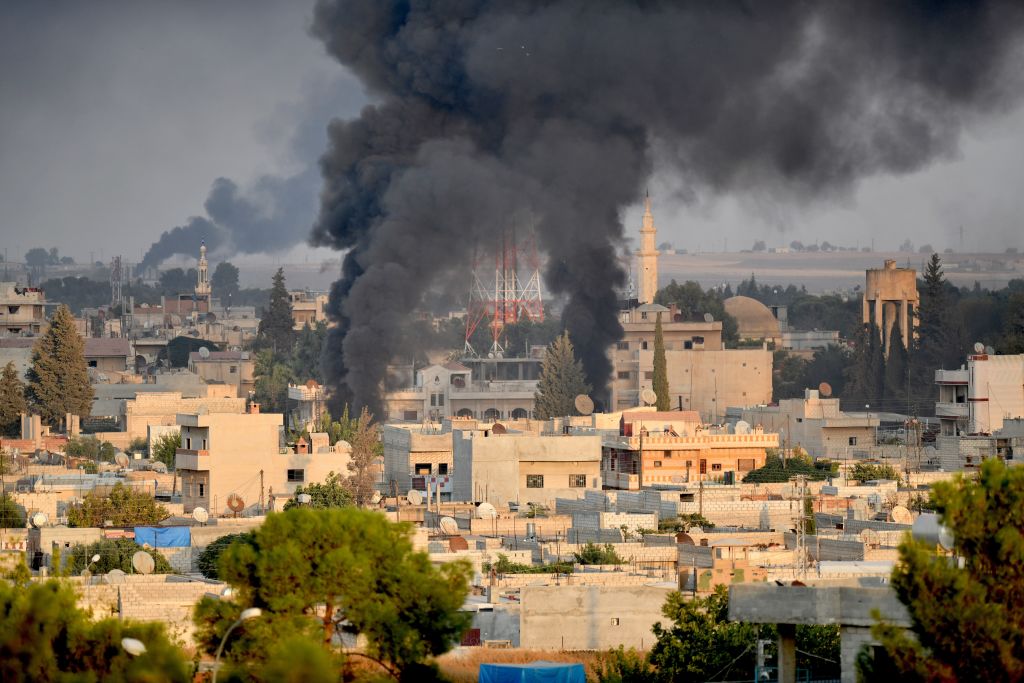
A photo taken from Turkey's Sanliurfa province, on October 09, 2019 shows smoke rises at the site of Ras al-Ayn city of Syria as Turkish troops along with the Syrian National Army begin Operation Peace Spring in northern Syria against PKK/YPG, Daesh terrorists.
  • التحليل
  • A dream scenario for ISIS in northeastern Syria

    Turkey’s cross-border incursion into northeastern Syria has stirred up a hornet’s nest of instability and threats. If left unchecked, this latest “war within a war” will have deeply destabilizing consequences for many years.

    Trump stirs up a hornet’s nest in Syria
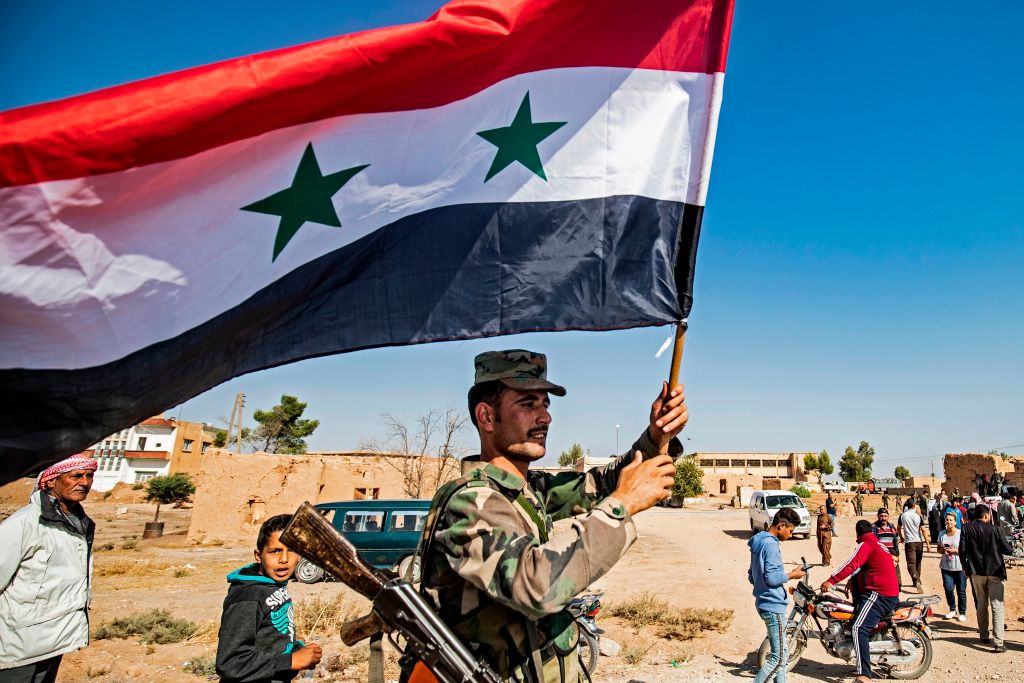
     A Syrian regime soldier waves the national flag a street on the western entrance of the town of Tal Tamr in the countryside of Syria's northeastern Hasakeh province on October 14, 2019.
  • تعليق
  • Trump stirs up a hornet’s nest in Syria

    In one fell swoop, the U.S. has found itself evacuating a third of the country; breaking away from a 100,000-strong partner we trained and equipped; and watching it surrender to the regime that we have stood against from day one. In the chaos that has ensued, ISIS prisoners have been let loose, hundreds of thousands of civilians have been displaced, and a once relatively stable northeastern Syria has been thrown into a potentially intractable pit of ethnic, sectarian, and political conflict. The consequences of America’s self-destruction in Syria will be felt for many, many years to come.

    The war in Syria is far from over, but its nature is changing
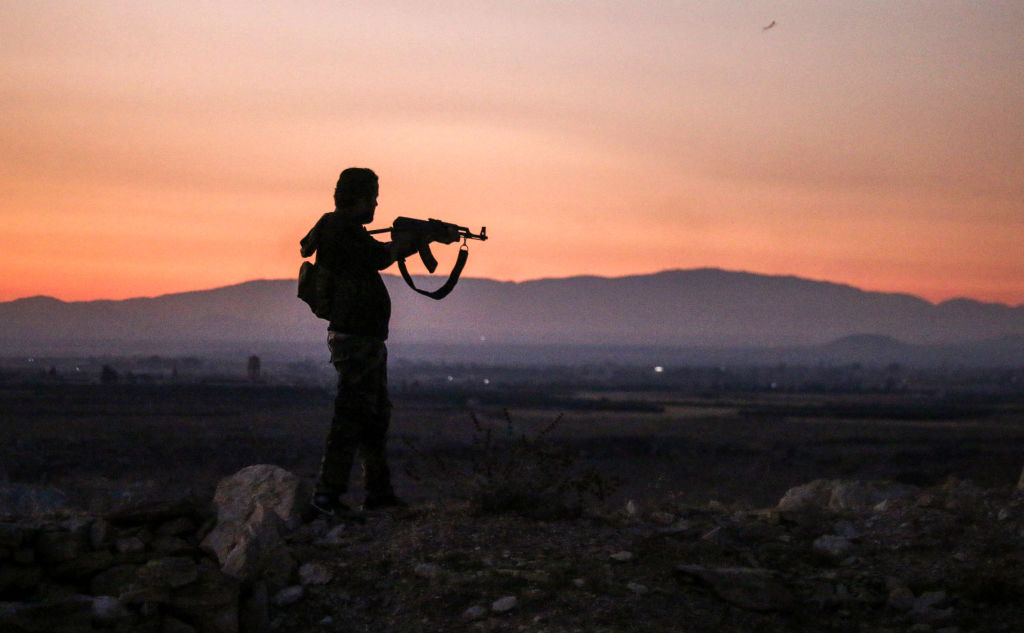
    A Syrian rebel fighter aims his Kalashnikov assault rifle as he stands near the frontline against government forces west of the embattled southern city of Daraa on July 3, 2018.
  • التحليل
  • The war in Syria is far from over, but its nature is changing

    As ISIS’s territorial “state” was simultaneously rolled back and then defeated, an international consensus increasingly emerged that claimed Syria’s war was “winding down.” There is no doubt that the geographic scope and intensity of conflict is not what it was at the height of hostilities in 2014 and 2015, but it is certainly not finished either.

    The Syria Study Group gets the problem right, but falls short on solutions
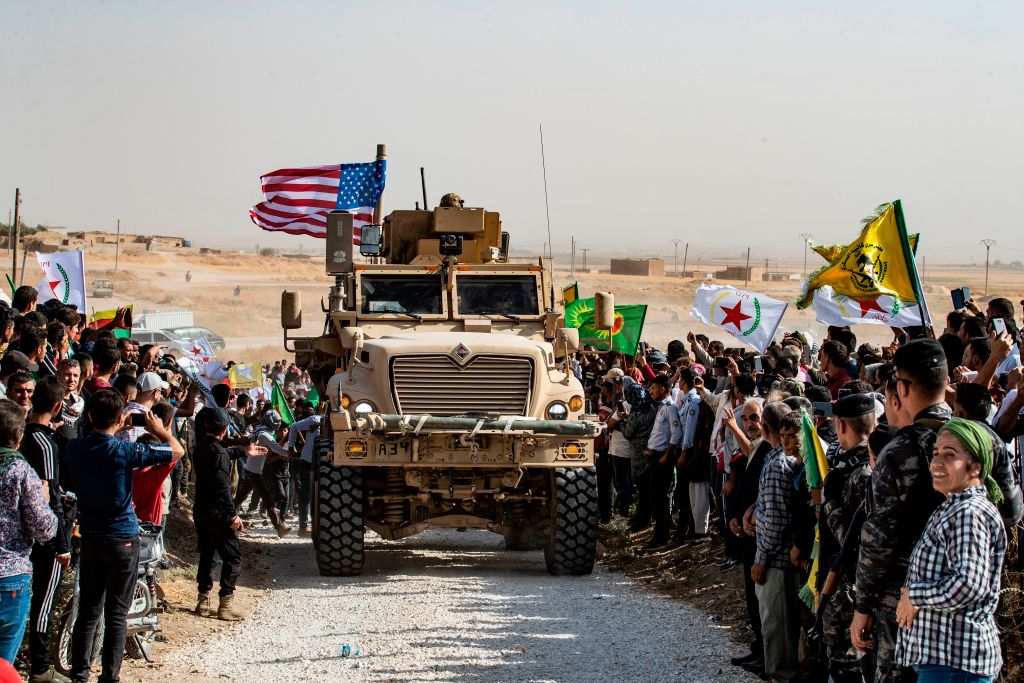
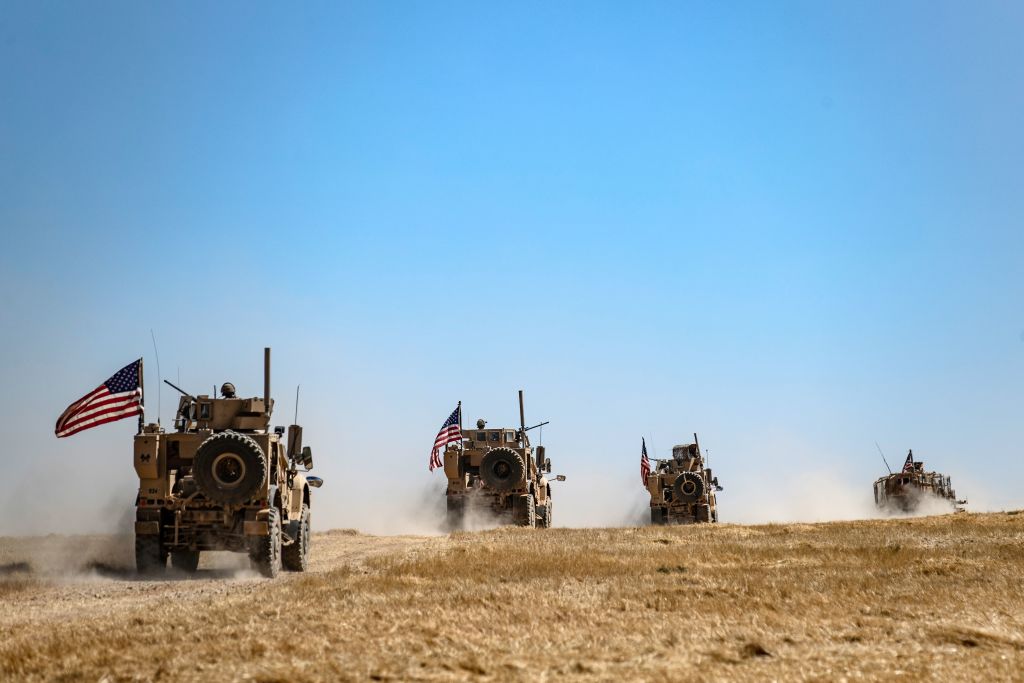
    A US military convoy takes part in joint patrol with Turkish troops in the Syrian village of al-Hashisha on the outskirts of Tal Abyad town along the border with Turkish troops, on September 8, 2019.
  • تعليق
  • The Syria Study Group gets the problem right, but falls short on solutions

    In its final report, the congressionally-mandated Syria Study Group (SSG) provided a bleak but wholly realistic assessment of the state of the crisis in Syria. When it comes to policy prescriptions, however, the SSG falls short. Despite clearly identifying the “means and ends” gap as one of two core problems with U.S. policy in Syria, the “recommendations” suggested by the SSG differ little, if at all, from those already in place.

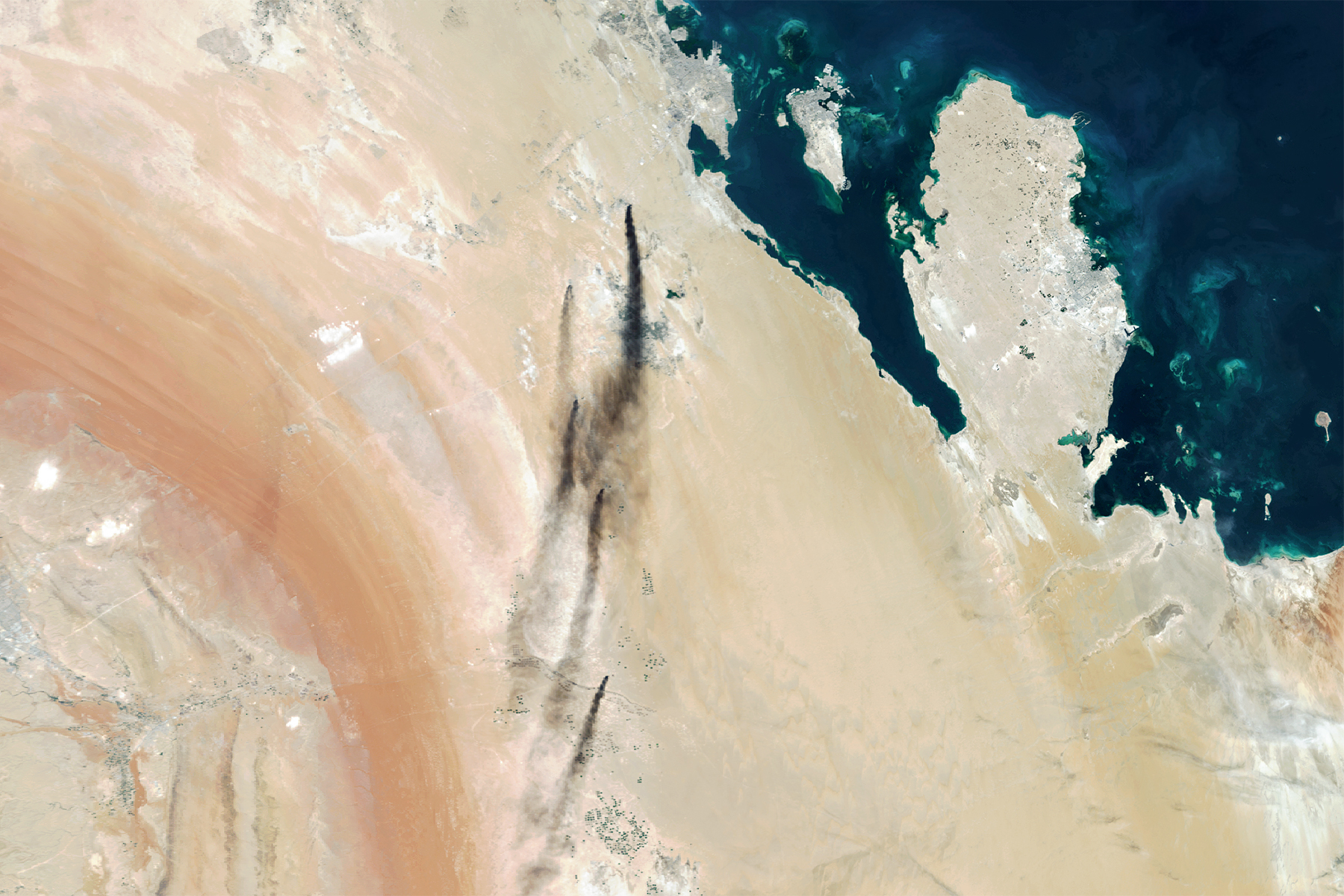
    Monday Briefing: Attack on Saudi oil facilities has an impact far beyond the kingdom
  • التحليل
  • Monday Briefing: Attack on Saudi oil facilities has an impact far beyond the kingdom

    This week’s briefing on recent news and upcoming events in the region featuring Ruba Husari, Paul Salem, Gerald Feierstein, Amal Kandeel, Grace Wermenbol, Robert S. Ford, Charles Lister, and Gonul Tol.

    September 16, 2019

    Russia, Iran, and the competition to shape Syria’s future
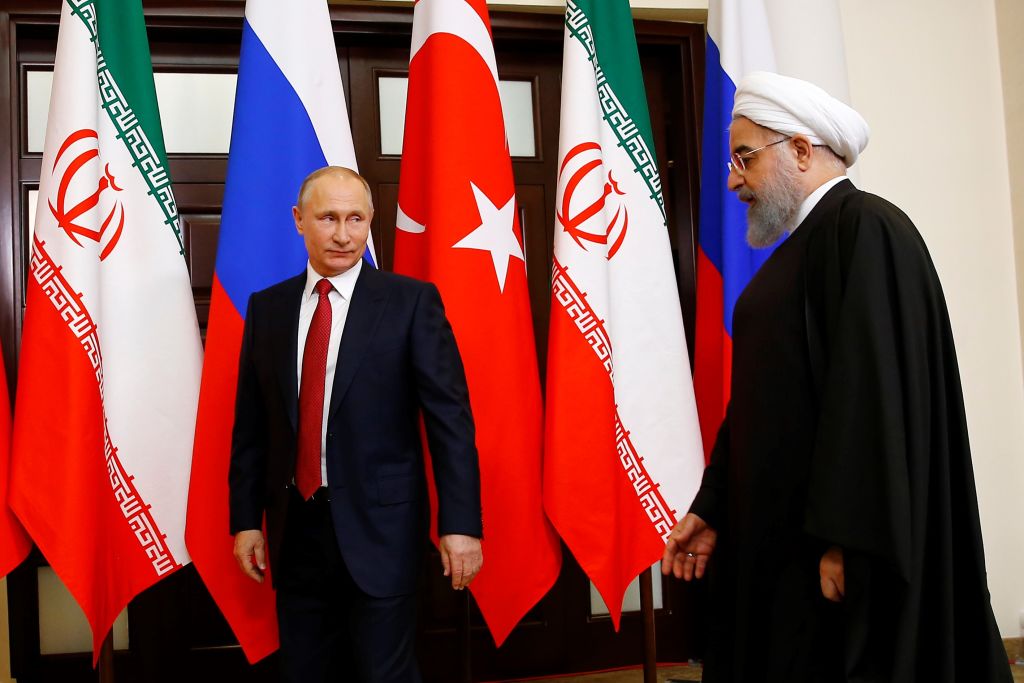
    Russian President Vladimir Putin (L) and Iranian President Hassan Rouhani (R) attend the trilateral summit to discuss progress on Syria, between the Presidents of Turkey, Russia and Iran on November 22, 2017 in Sochi, Russia.
  • التحليل
  • Russia, Iran, and the competition to shape Syria’s future

    One important dynamic that is not acknowledged enough is the intensifying competition between Russia and Iran to determine the future shape of Syria and their position in it. While the very real competitive dynamic between Moscow and Tehran will never transition to hostility, it is beginning to have a very real effect on the evolution of major aspects of the crisis — from active conflict theaters, to the structures of the state, control over resources, and the prospect of intra-state conflict on Syrian soil.

    Israel’s new front in the fight against Iran
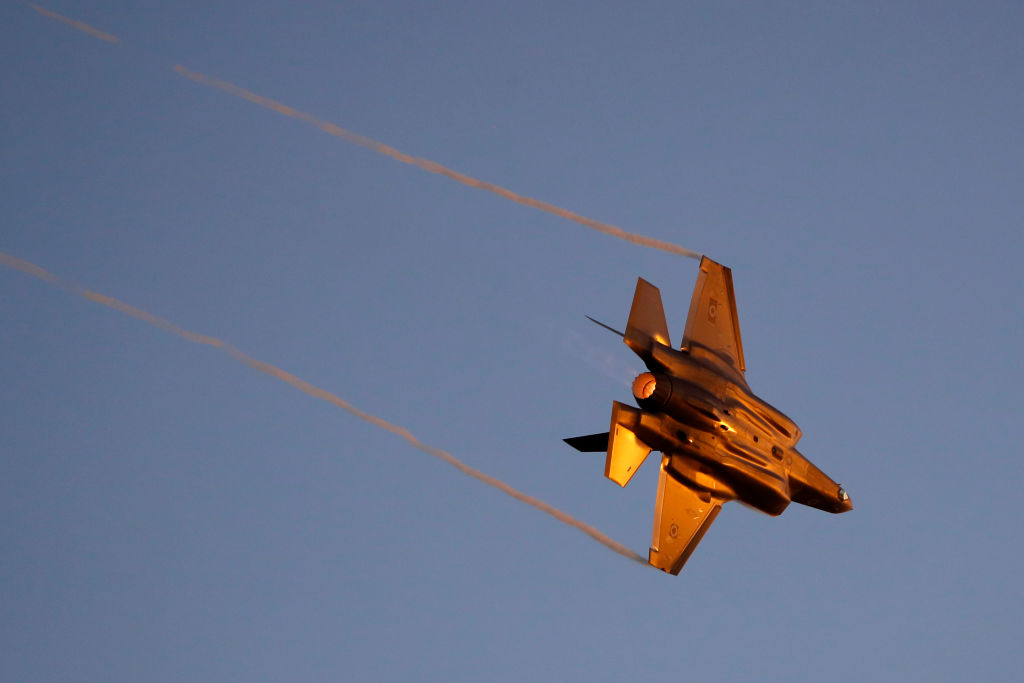
    An Israeli F-35 fighter jet performs during an air show at the graduation ceremony of Israeli pilots in the Hatzerim Israeli Air Force base in the Negev desert, near the southern Israeli city of Beer Sheva, on June 27, 2019.
  • التحليل
  • Israel’s new front in the fight against Iran

    On Aug. 12, an explosion took place inside an ammunition warehouse in the al-Saqr military base in southern Baghdad, triggering hundreds of mortars and rockets to fire off in all directions throughout urban, populated areas. One person was killed and 29 wounded, as munitions and debris scattered as far as 5 kilometers away.

    Leaving Syria won’t make things any better — for the US or Syria
    A US military convoy drives on a highway from Kobane to Ain Issa on September 29, 2017.
  • التحليل
  • Leaving Syria won’t make things any better — for the US or Syria

    Responding to Daniel Serwer’s “not so progressive case for withdrawing from Syria,” Charles Lister makes the case that the U.S. should remain in Syria — at the very least for long enough to secure conditions in which a realistic set of objectives could be achieved, including the existing counter-ISIS mission.

    What’s next for al-Qaeda after the death of Hamza bin Laden
    Supporters of al-Qaeda tote their rifles in the back of a pick-up truck in the town of Rada, 130 kilometres (85 miles) southeast of the capital Sanaa, on January 23, 2012.
  • التحليل
  • What’s next for al-Qaeda after the death of Hamza bin Laden

    According to American intelligence officials, Osama bin Laden’s favorite son, Hamza, has been killed. Ever since his emergence in August 2015, Hamza bin Laden was perceived by many as being positioned to take over as al-Qaeda’s next global leader. While the group’s next steps in light of his death are unclear, for now al-Qaeda continues to move toward greater decentralization and “localism,” creating new challenges for governments seeking to confront it.

    Monday Briefing: US-Turkey dispute over Syria comes to a head
  • التحليل
  • Monday Briefing: US-Turkey dispute over Syria comes to a head

    This week’s briefing on recent news and upcoming events in the region including the Turkish-U.S. crisis meeting in Ankara on Syria, the resumption of U.S.-Taliban negotiations, Trump’s creation of a new “dovish” line on Iran, a rise in Egypt’s poverty levels, Sudan’s democratic transition, the easing of female guardianship rules in Saudi Arabia, and the end of the ceasefire in Idlib, featuring Charles Lister, Marvin G. Weinbaum, Paul Salem, W. Robert Pearson, Mirette F. Mabrouk, Thomas W. Lippman, and Robert S. Ford.

    Monday Briefing: Syria’s deadly status quo
  • التحليل
  • Monday Briefing: Syria’s deadly status quo

    This week’s briefing on recent news and upcoming events in the region including Kazakhstan’s upcoming “Astana talks” on Syria, Jared Kushner’s planned visit to the Middle East, the shift in US-Pakistan relations, and Abbas’ announcement that the Palestinian Authority will halt all signed agreements with Israel, featuring Charles Lister, Gerald Feierstein, Marvin G. Weinbaum, and Khaled Elgindy.

    Monday Briefing: Strengthening Egypt’s ties with Africa
  • التحليل
  • Monday Briefing: Strengthening Egypt’s ties with Africa

    In this week’s Monday Briefing, MEI experts Mirette F. Mabrouk, Charles Lister, Gonul Tol, and Alex Vatanka provide analysis on recent and upcoming events including Egypt’s engagement with Africa to boost trade and investment, the reshuffling of leadership of Syria’s security apparatus, the firing of Turkey’s central bank governor, and Russia’s positioning to act as mediator between Iran and the Gulf states.

    Monday Briefing: Regime offensive in Syria’s northwest grinds to a halt
  • التحليل
  • Monday Briefing: Regime offensive in Syria’s northwest grinds to a halt

    In this week’s Monday Briefing, MEI experts Charles Lister, Paul Salem, and Mirette F. Mabrouk provide analysis on recent and upcoming events including military developments in Syria’s northwest, the confirmation of David Schenker as Assistant Secretary of State for Near Eastern Affairs, and the approval of amendments to laws regulating Egypt’s judiciary.