Dan McCormick is an intern with MEI’s Frontier Europe Initiative. He earned an M.A. from Georgetown University’s Security Studies Program where he focused on U.S. policy in Europe and Asia, allied strategy, and force structure.
Dan also received his JD from American University. Before joining MEI, he served as an Attorney-Advisor at the Department of Veterans Affairs and as an intern in the Center for a New American Security’s Transatlantic Security Program.
Preparing for advancements in Russian warfare in the Black Sea region
Suddenly and seemingly without warning, Russian forces amassed in Crimea and near the Ukrainian border in April 2021. Heavy armor, long-range missiles and artillery, modern air forces, and elite airborne infantry units deployed into positions that raised alarm in Ukraine and throughout Europe. The situation today appears stable, but reports of new and upgraded hardware, including unmanned vehicles, demand a fresh evaluation of the Russian way of war.
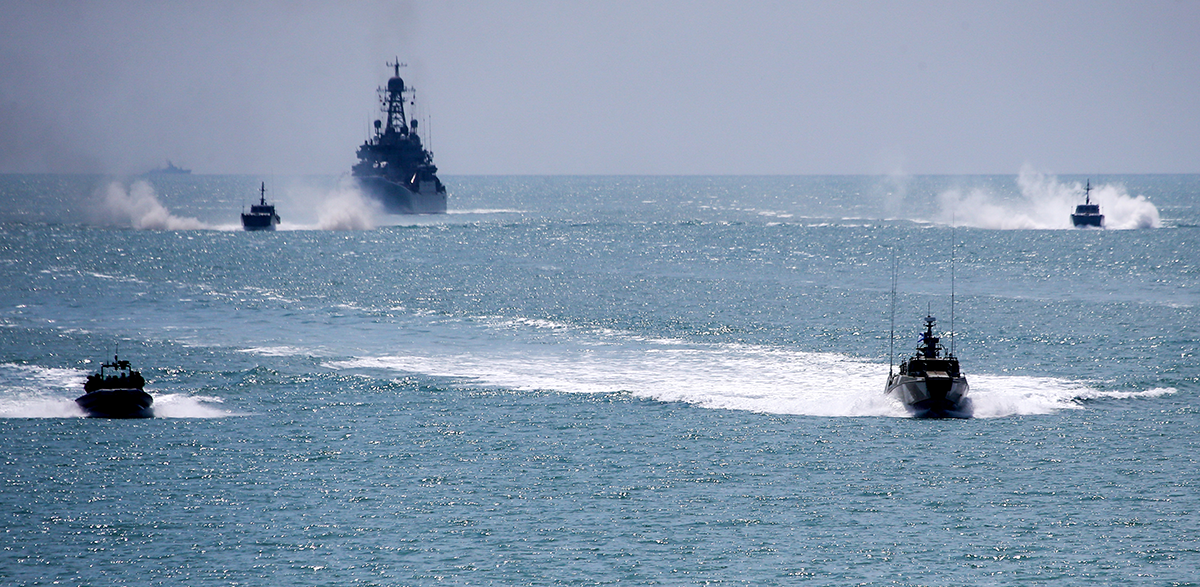
The strategic balance in the Black Sea region has shifted dramatically in Russia’s favor in the past decade. Russian anti-access/area-denial (A2/AD) capabilities in Crimea, and the ongoing modernization of its Black Sea Fleet, enable Russia to threaten its neighbors’access to sea lanes and economic resources and apply coercive pressure via conventional power projection. Littoral states should prioritize addressing the military imbalance to deter Russian coercive actions. Rather than rely on increased U.S. presence, Black Sea states should create a flexible network within NATO or the EU to build their own A2/AD capabilities.