
تمت ترجمة هذا النص بواسطة الذكاء الاصطناعي وقد يحتوي على أخطاء.
تخطي إلى المحتوى

Eliza Aspen

This individual is a guest contributor. MEI is not able to assist with contact requests.

Eliza Aspen

Eliza Aspen is a writer and researcher focusing on the intersection of human rights and technology. She is the former director of MEI’s Cyber Security and Emerging Technology Program, and was previously a researcher at the Center for Contemporary Arab Studies at Georgetown University, and a Fulbright fellow in Bulgaria. She holds a bachelor’s degree in political science and Arabic, and a master’s degree from the Georgetown School of Foreign Service. She co-edited with Mike Sexton the book Cyber War & Cyber Peace: Digital Conflict in the Middle East, published by I.B. Tauris (June 2022). 

The Latest from Eliza Aspen

تصفية حسب
35 Results
Gendered violence online: Cybersecurity for whom?
  • التحليل
  • Gendered violence online: Cybersecurity for whom?

    ​​​​​​​Cyber violence against women is defined as a form of gender-based violence (GBV) carried out through digital means. The COVID-19 pandemic has drastically heightened the risk and incidence of violence against women both online and offline: the Australian eSafety Commissioner reported a 50% increase in domestic and cyber violence reports since March 2020. Globally, Facebook remains the most common platform for gendered violence online, followed closely by Instagram and WhatsApp. These developments show that special consideration must be given to the role of digital platforms in facilitating violence against women, and that policy solutions regarding violence against women must also consider the online context where that violence often takes place and escalates in plain sight. 

    March 16, 2021

    The flaws in the content moderation system: The Middle East case study
    Photo by OZAN KOSE/AFP via Getty Images
  • التحليل
  • The flaws in the content moderation system: The Middle East case study

    Tech platforms like Facebook, Twitter, YouTube, and Google have come to play a central role in questions of free speech, governance, and human rights in the Middle East. In particular, the question of content moderation — how platforms create and enforce policies which determine what kinds of user-generated content are and are not permissible on their services — has become a focal point of these discussions.

    November 17, 2020

    Monday Briefing: Will Russia and Turkey face off over Nagorno-Karabakh?
  • تعليق
  • Monday Briefing: Will Russia and Turkey face off over Nagorno-Karabakh?

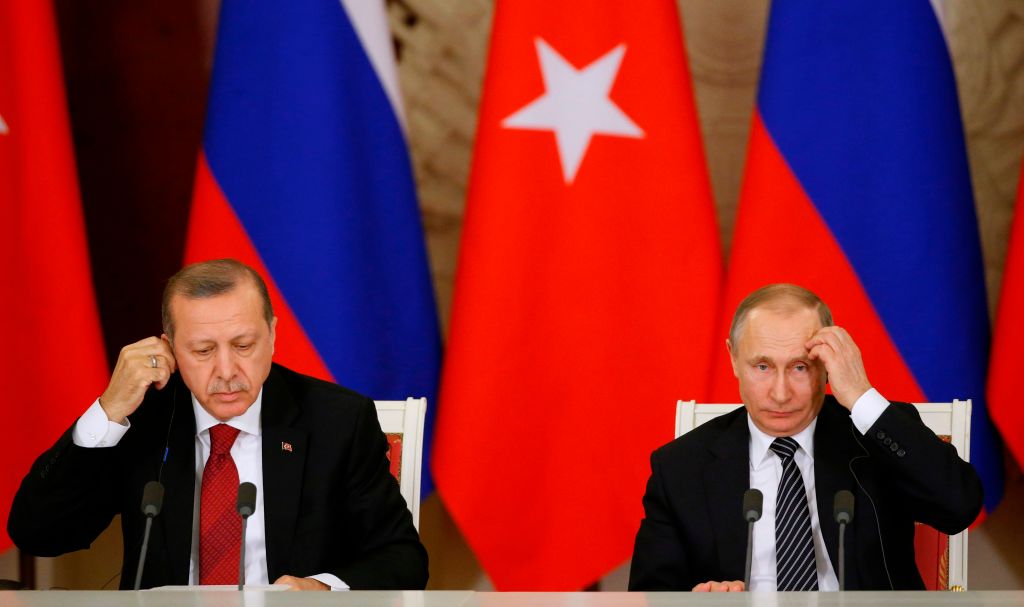
    This week’s briefing on recent news and upcoming events in the region featuring Maxim A. Suchkov, Ibrahim Jalal, Eliza Campbell, Alex Vatanka, and Marvin G. Weinbaum.

    September 28, 2020

    Biometrics, refugees, and the Middle East: Better data collection for a more just future
  • التحليل
  • Biometrics, refugees, and the Middle East: Better data collection for a more just future

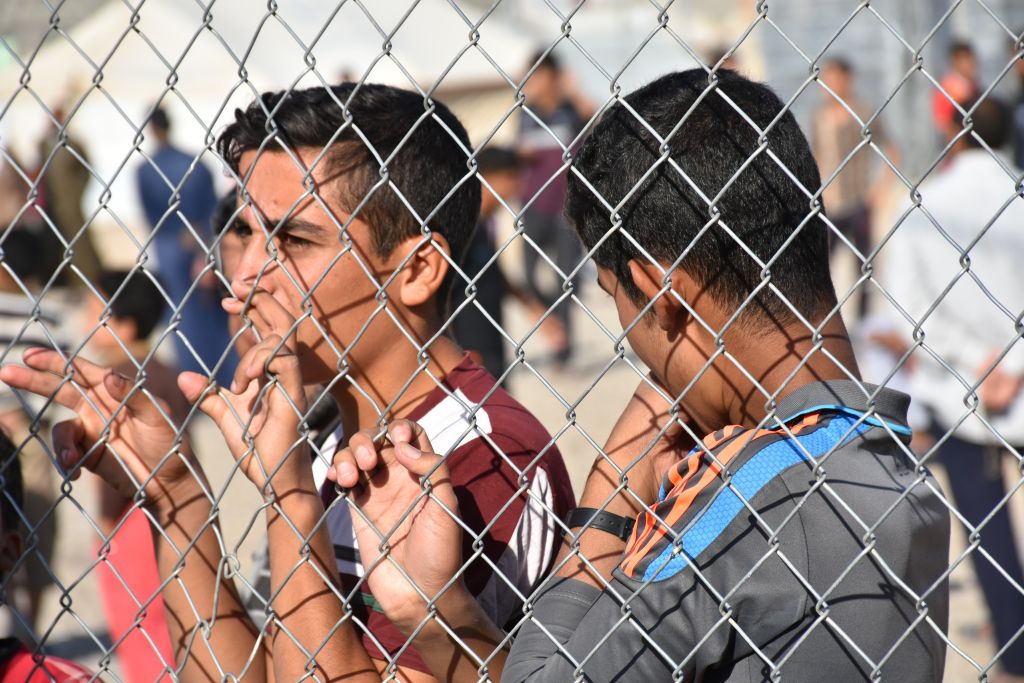
    The increasing adoption of biometric technology by governments, aid organizations, and other stakeholders in the Middle East has critical implications for regional developments in business, governance, and society. And while some observers and stakeholders have noted the potential for such tools to streamline security infrastructure and provide opportunities for sectors as diverse as mobile payment and financial security, a growing chorus of voices has raised concern about the potential of biometric data to similarly streamline violations of human rights, particularly those of the region’s most vulnerable populations.

    August 25, 2020

    Censorship, streamlined: Turkey’s social media law and the future of free speech online in the Middle East
    الصورة من تصوير كريس ماكغراث/Getty Images
  • التحليل
  • Censorship, streamlined: Turkey’s social media law and the future of free speech online in the Middle East

    In an unexpected and disappointing turn of events, Turkey’s ruling Justice and Development Party and its parliamentary ally, the Nationalist Action Party, rushed through a stifling social media amendment to Turkey’s Internet Act.

    August 11, 2020

    The potential cyber consequences of Israeli annexation of Palestinian territory
    Photo by AHMAD GHARABLI/AFP via Getty Images
  • التحليل
  • The potential cyber consequences of Israeli annexation of Palestinian territory

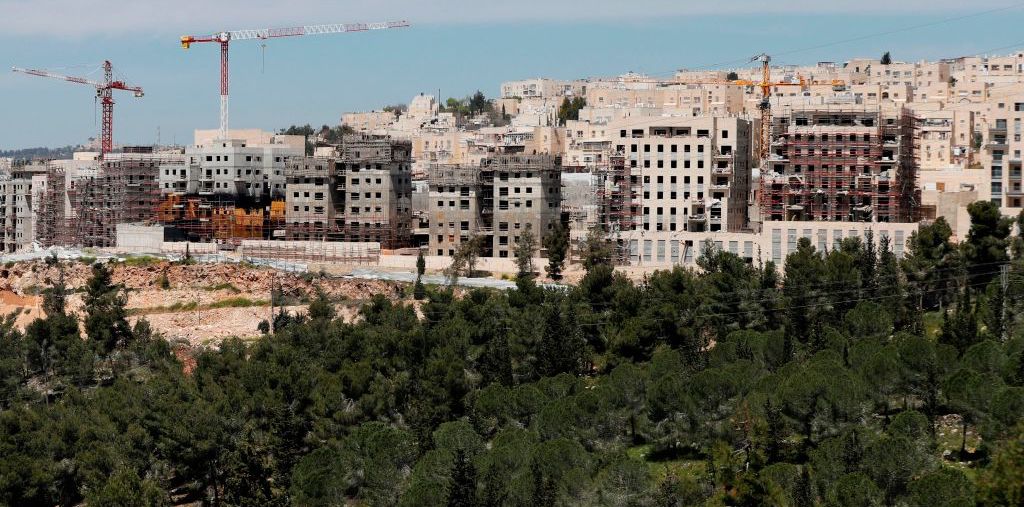
    While it seems as though the immediate threat of Israeli annexation has, for the time being, faded, the incident raises an interesting new set of questions about how this particular battle will continue to play out in an increasingly digitized Middle East and the potential for retaliation by Palestinian and other actors in cyberspace, whether or not such an annexation takes place.

    July 20, 2020

    Digitization and the future of Middle East economies
    Photo by Sean Gallup/Getty Images
  • تعليق
  • Digitization and the future of Middle East economies

    The digitization of business in the Middle East has enormous implications for the future of regional economies, as well as for education, employment, and beyond. The way this digital transition shapes the region will be influenced by the degree to which policymakers consider this shift in its context and with an eye toward the future, as the opening session of the MEI Cyber Program’s recent conference explored.

    June 24, 2020

    Free speech, civil society, and equity in cyberspace
    Photo by Jaap Arriens/NurPhoto via Getty Images
  • تعليق
  • Free speech, civil society, and equity in cyberspace

    From the growing impact of social media on popular movements and politics in the Middle East to the changing face of journalism and civil society online, the intersection of digital spaces with politics is one of the most critical emerging areas for examining the future of dissent, human rights, and democracy in the region. This issue was a central focus during the second panel of the MEI Cyber Program’s inaugural June conference, with experts highlighting several critical areas for consideration and examination in the years to come.

    June 24, 2020

    Public diplomacy and influence campaigns in the Middle East
    الصورة من جاك جيز/وكالة فرانس برس عبر غيتي إيمدجز
  • تعليق
  • Public diplomacy and influence campaigns in the Middle East

    Despite the empowering and liberating potential of new communications technologies, the growing power and influence of autocrats is undermining pressure for human rights and good governance. Authoritarian regimes have embraced new technologies and influence campaigns have become one of the many ways in which they seek to reassert their control over the media and civilians. During the third panel of the MEI Cyber Program’s inaugural June conference, experts examined the development of online manipulation campaigns and discussed how governments conduct these operations, as well as the campaigns’ dangers, limits, and the best policies to encourage free speech online in the Middle East.  

    June 24, 2020

    Cyber conflict in the Middle East: Considerations for the future
    Photo by Annette Riedl/picture alliance via Getty Images
  • تعليق
  • Cyber conflict in the Middle East: Considerations for the future

    The growing role of cyber conflict in the Middle East continues to raise questions about the future of regional relations, national security, and defense. A diverse group of experts provided a close-up perspective on the region’s cyber threat landscape and its major players and tools during the fourth panel of MEI’s Cyber Program conference, shedding light on how these threats are shaped by specific regional dynamics.

    June 24, 2020

    Iranian government cuts internet access amid protests
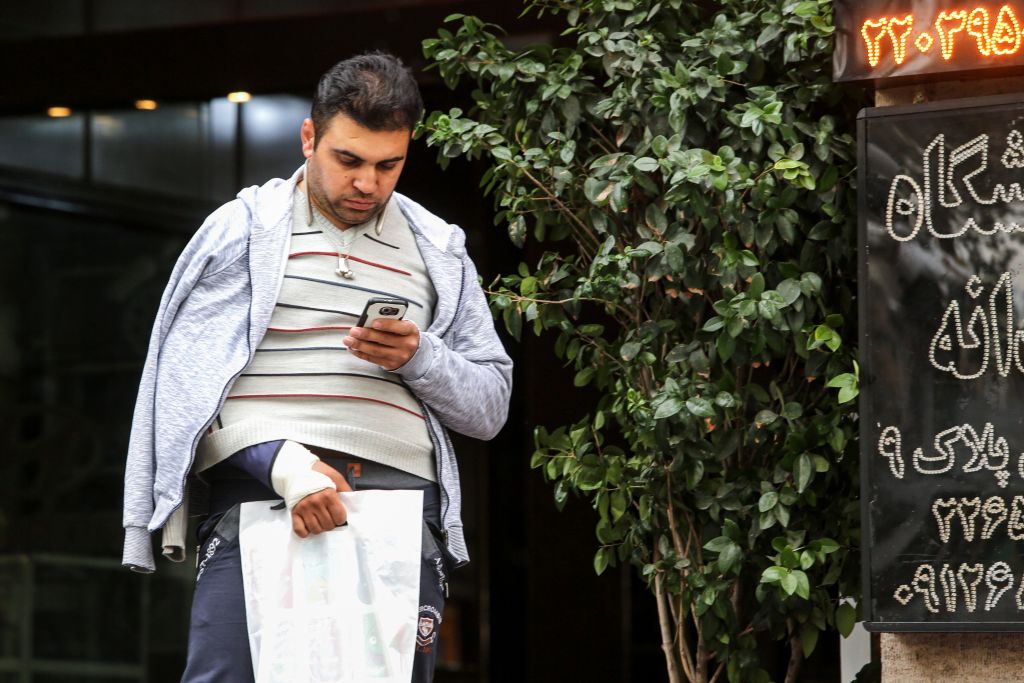
    A man looks at a smartphone in his hand while walking outside along a street in the Iranian capital Tehran on November 17, 2019. - Iran's supreme leader on November 17 threw his support behind a decision to hike petrol prices, a move that sparked nationwide unrest in which he said
  • تعليق
  • Iranian government cuts internet access amid protests

    Amid widespread protests over an abrupt decision to hike gasoline prices by 50 percent, Iran’s internet is out again. The government cut access in what is widely seen as an attempt to stem the flow of information, pictures, and videos of protests that reportedly took place in at least 100 cities and towns and involved an estimated 87,000 Iranians.

    November 18, 2019

    Punching above their weight: Cyber lessons for small states
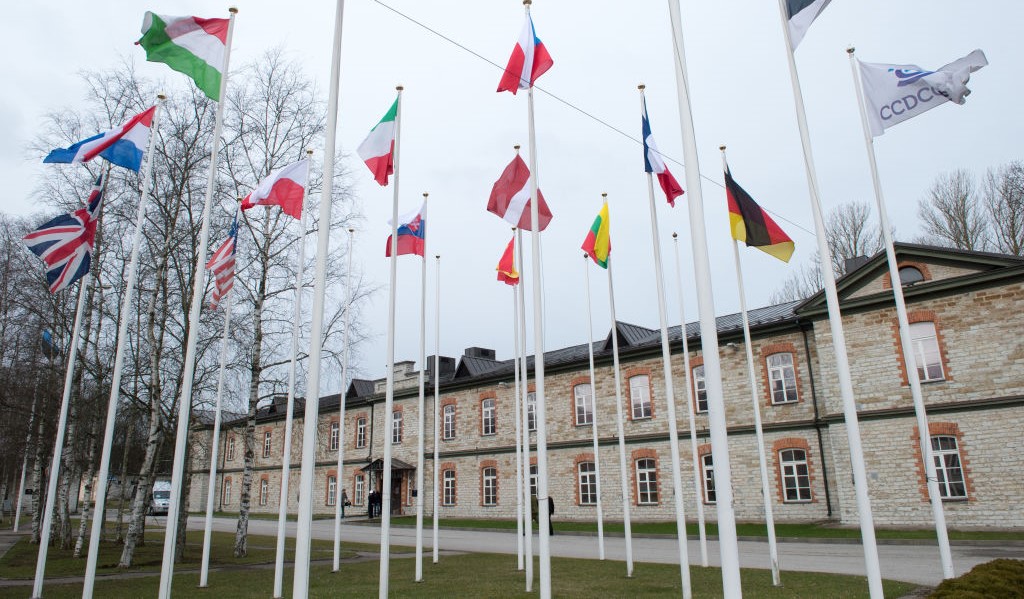
    The NATO Cooperative Cyber Defence Centre of Excellence (CoE) in Tallinn, Estonia, 14 April 2015.
  • التحليل
  • Punching above their weight: Cyber lessons for small states

    The role of cybersecurity in the future of geopolitics in the Middle East and the surrounding regions will have much to do with individual state and enterprise preparedness. With cyber threats a growing source of interstate tension, governments must take measures to increase national cyber preparedness that are tailored to their vulnerabilities and cyber ecosystems. Israel and Estonia are examples of states that prove this rule. Despite their relatively small size, both have demonstrated an exceptional capacity to deter or defend against cyber aggression from their much larger, more aggressive neighbors.

    November 18, 2019

    Facebook’s lawsuit against Israeli tech firm: The private sector and new cyber tension in the Middle East
    An Israeli woman uses her iPhone in front of the building housing the Israeli NSO group, on August 28, 2016, in Herzliya, near Tel Aviv.
  • تعليق
  • Facebook’s lawsuit against Israeli tech firm: The private sector and new cyber tension in the Middle East

    Recent legal action by tech giant Facebook has critical implications for the rise of private sector actors in the fight for dominance and security in the Middle East cyber domain. On Oct. 29, Facebook filed a lawsuit against the Israel-based company NSO Group for allegedly breaching users of the Facebook-owned communications platform WhatsApp.

    October 30, 2019

    Twitter suspends government-linked accounts, citing manipulation and raising wider concerns
    Photo by Jaap Arriens/NurPhoto via Getty Images
  • تعليق
  • Twitter suspends government-linked accounts, citing manipulation and raising wider concerns

    The microblogging and social media service Twitter recently announced the suspension of 271 accounts linked to several Middle East governments a year after the company first released public information about the existence of state-run manipulation using its tools. The company cited violation of its policies on platform manipulation as the reason for the suspensions.

    September 30, 2019