تمت ترجمة هذا النص بواسطة الذكاء الاصطناعي وقد يحتوي على أخطاء.
تخطي إلى المحتوى

Eric Oehlerich

الخبرة

الإرهاب

This individual is a guest contributor. MEI is not able to assist with contact requests.

تنزيل صورة عالية الدقة

Oehlerich

Eric “Olly” Oehlerich is the co-founder of Lobo Institute, a private firm consulting, advising and teaching on current and future conflicts. 

Olly is a retired 20+ year Navy SEAL Officer, ending his career while serving as the Commanding Officer (CO) of Naval Special Warfare Development Group- Squadron 2, from July of 2017-2019. At the pinnacle of a career as CO of this elite unit, he was responsible for the research and development of technology and tactics for SEALs to use against the nation’s hardest problems. The geographic scope of responsibility spanned the Pacific, Africa and Middle East. By galvanizing over 1,100 personnel combined with collection technology he provided a security blanket against extremism for the International Community. Olly is also a member of the Board of Directors for Grassroots Reconciliation Group, a nonprofit to help rehabilitate child soldiers.

Olly graduated from the Naval Academy in 1999 and went straight to Basic Underwater Demolition (BUD) Seal training, a grueling program that pushes young service members to their limits. Out of 144 students who entered his training class, he was one of only 10 who finished.
 

The Latest from Eric Oehlerich

تصفية حسب
11 Results
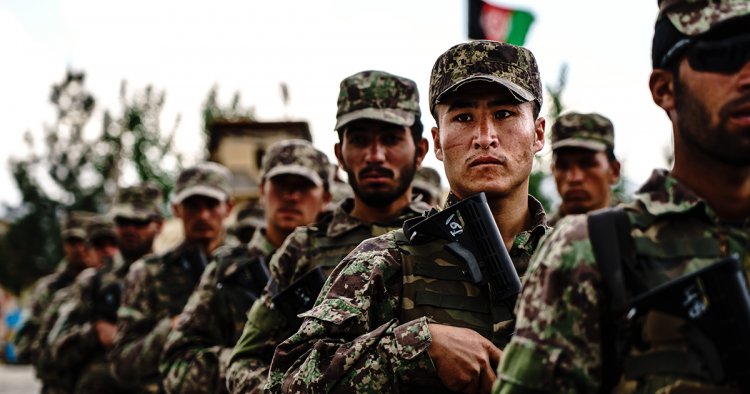
Budget dust: Better approaches for security and sustainability — lessons learned from Iraq and Afghanistan
Photo by MARCUS YAM/LOS ANGELES TIMES/GETTY IMAGES
  • التحليل
  • Budget dust: Better approaches for security and sustainability — lessons learned from Iraq and Afghanistan

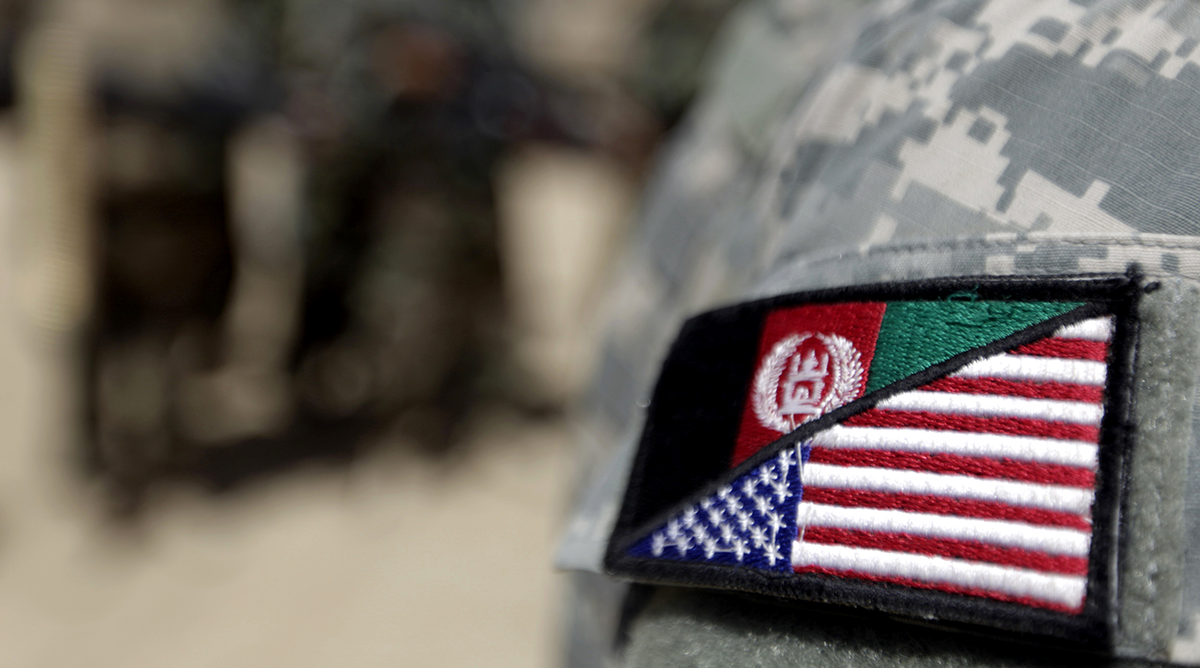
    It took the Taliban just three and a half months to undermine a 20-year international effort to build a competent Afghan military. The Afghanistan National Army (ANA) collapsed once it was clear the U.S. was pulling out ground troops and ceasing air support operations after two decades of training and sustainment that cost the American taxpayer approximately $83 billion. When required to stand alone, against a Taliban force, the ANA failed unequivocally. Building the ANA as a mirror image of the U.S. military was strategically and operationally flawed. If they are designed to fight like the U.S. but cannot fight in the absence of U.S. forces, they are ineffective. What lessons should we learn from this and how could our approach be different in the future?

    Reflecting on the 20th anniversary of 9/11
  • التحليل
  • Reflecting on the 20th anniversary of 9/11

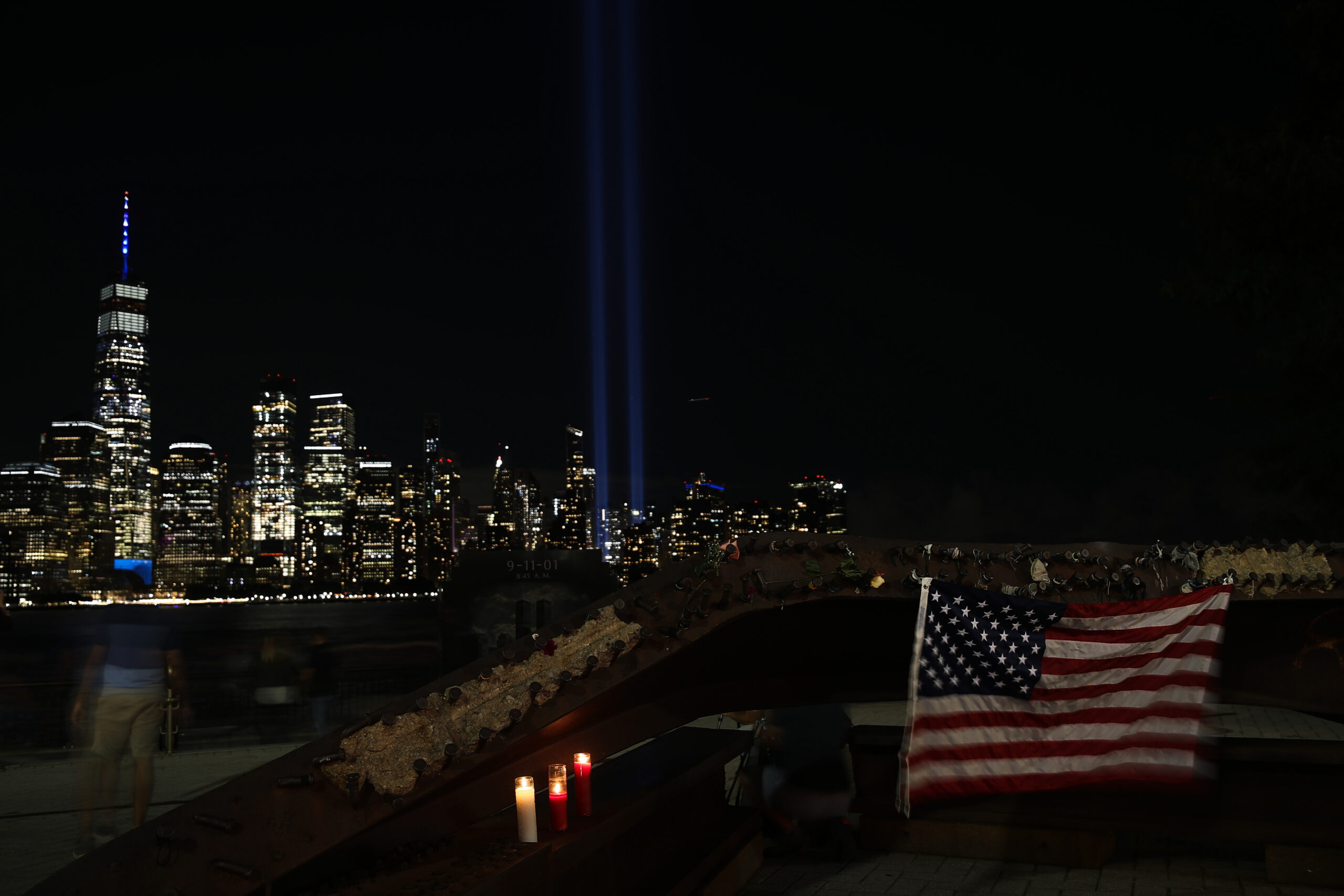
    Twenty years ago, on September 11, 2001, al-Qaeda attacked New York and Washington, killing nearly 3,000 people. The terrorist attacks and their aftermath transformed U.S. policy, giving rise to the war on terror and the military intervention in Afghanistan. On the 20th anniversary of 9/11, scholars and Advisory Council members of MEI’s Countering Terrorism and Extremism Program offer their reflections. 

    Defense Rapid Reaction: The threat of armed drones
    Photo by ARIS MESSINIS/AFP via Getty Images
  • التحليل
  • Defense Rapid Reaction: The threat of armed drones

    As unmanned aerial vehicle (UAV) technology becomes ever cheaper and more accessible, the threat of armed and GPS-guided drones is becoming a serious problem for U.S. forces in theater. In the past few months, Iranian-backed Iraqi militias have used small drones armed with explosives to attack Iraqi military bases housing U.S. forces several times, and the threat posed by such UAVs is only likely to grow in the months and years to come. Experts from MEI’s Defense & Security Program weigh in with their thoughts on how the U.S. should respond to this emerging threat, as part of the new Defense Rapid Reaction series.

    Defense Rapid Reaction: Evacuating Afghan interpreters
  • التحليل
  • Defense Rapid Reaction: Evacuating Afghan interpreters

    With U.S. forces on track to complete their withdrawal from Afghanistan by mid-July, two months ahead of the September deadline set by President Joe Biden, the thousands of Afghans who have worked with U.S. personnel as interpreters to further American policy objectives in Afghanistan are now in harm’s way. As part of the new Defense Rapid Reaction series, experts from MEI’s Defense & Security Program weigh in with their thoughts on how the U.S. should respond to this pressing issue.

    Political risk vs. risk to force: How policy decisions impact risk and capability in partner operations
    Photo by BULENT KILIC/AFP via Getty Images
  • التحليل
  • Political risk vs. risk to force: How policy decisions impact risk and capability in partner operations

    Operation Inherent Resolve (OIR) is the U.S. military’s name for the international intervention to defeat ISIS in Syria and Iraq starting in 2014. While OIR has been a success, it has necessarily been imperfect. Throughout the campaign, cost-benefit calculations made by policymakers led to missed opportunities and possibly a longer conflict. These decisions will have lasting repercussions that could undermine the hard-won victory against ISIS, as well as the ability to partner in future interventions. In particular, the United States mishandled its partner relationships in the war to defeat ISIS. Political considerations apparently won out against supporting and sustaining the SDF, our military partner forces.

    COVID-19 & Conflict in the Middle East
  • التحليل
  • COVID-19 & Conflict in the Middle East

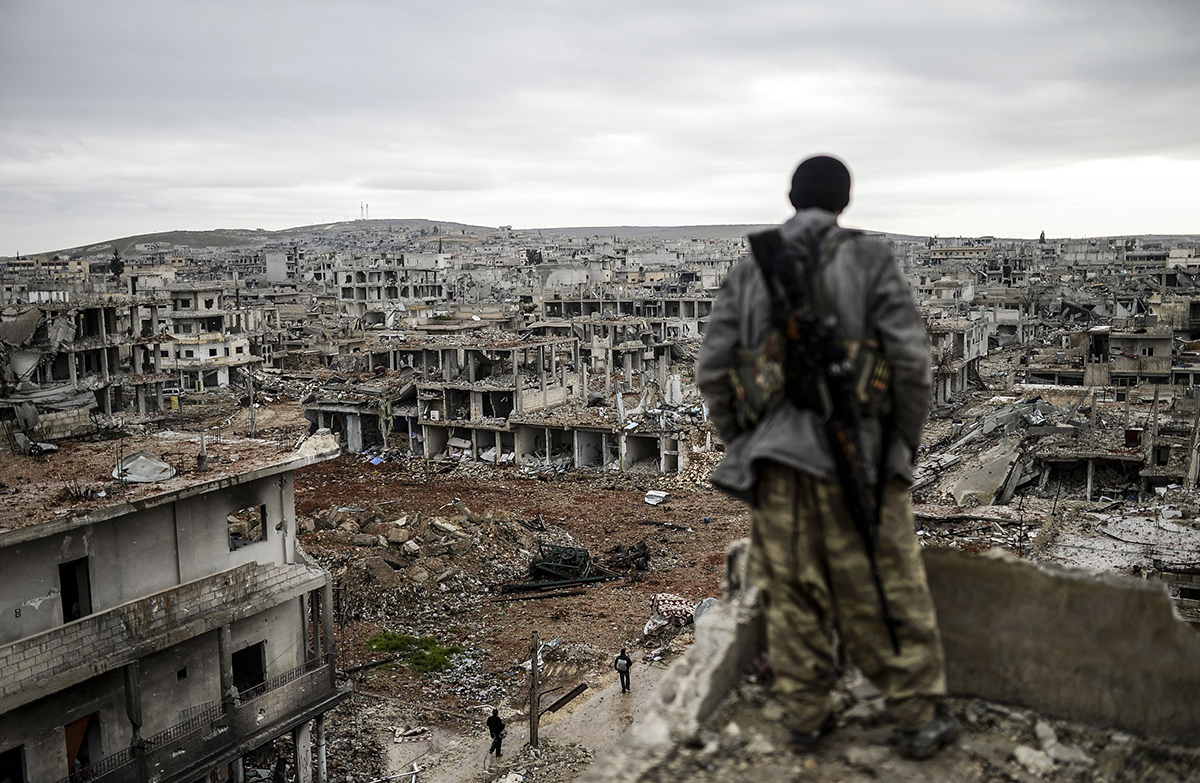
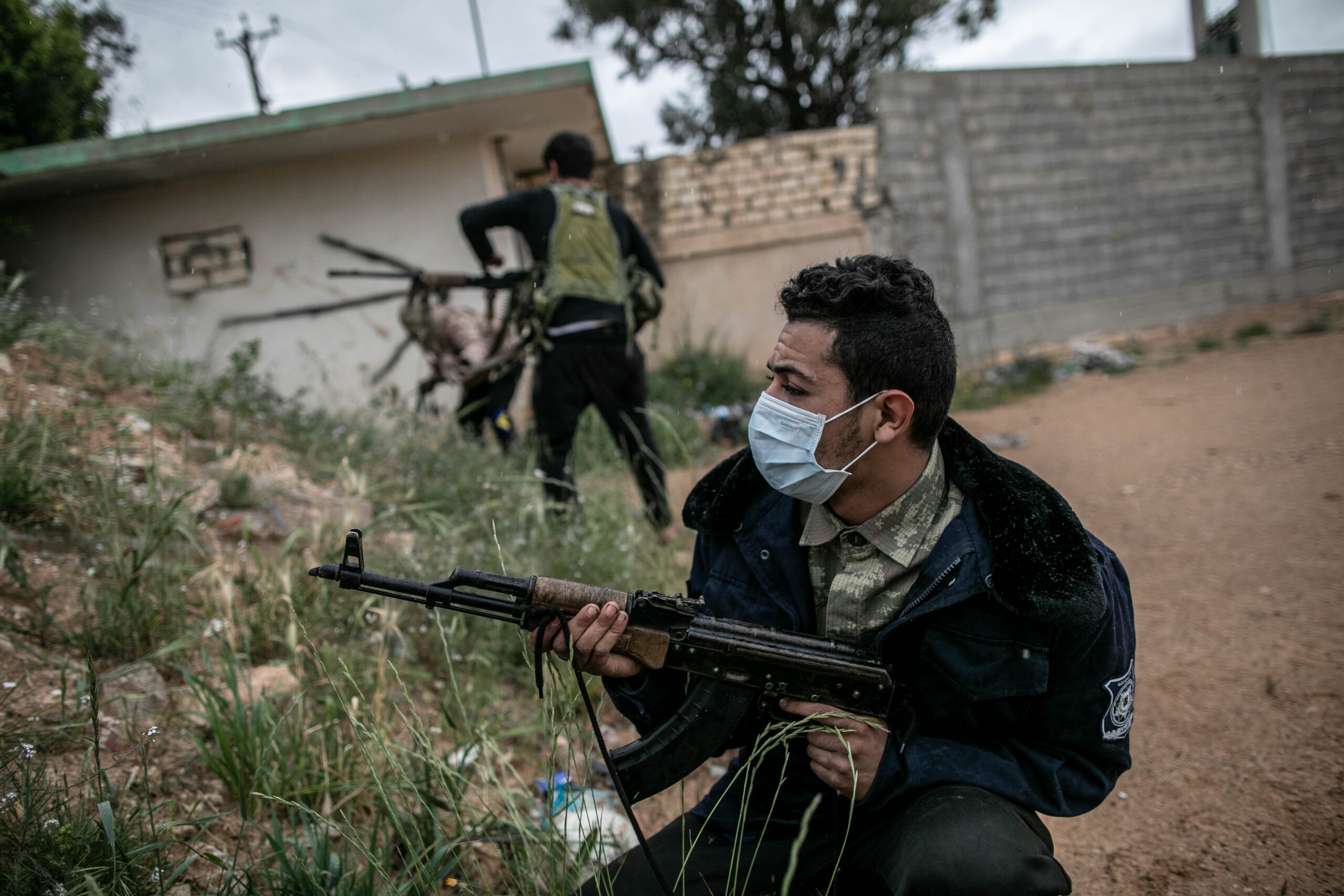
    The Middle East is in turmoil, with civil wars raging in Syria, Iraq, Yemen, and Libya. COVID-19 is now an additional factor on top of the violence and monumental international support tasks, all of which require a sustained commitment. The effects of the deadly COVID-19 pandemic highlight the need for more robust international stabilization efforts to achieve long-term peace and self-sufficiency in the Middle East.

    Jannah or Jahannam: Options for Dealing with ISIS Detainees
  • التحليل
  • Jannah or Jahannam: Options for Dealing with ISIS Detainees

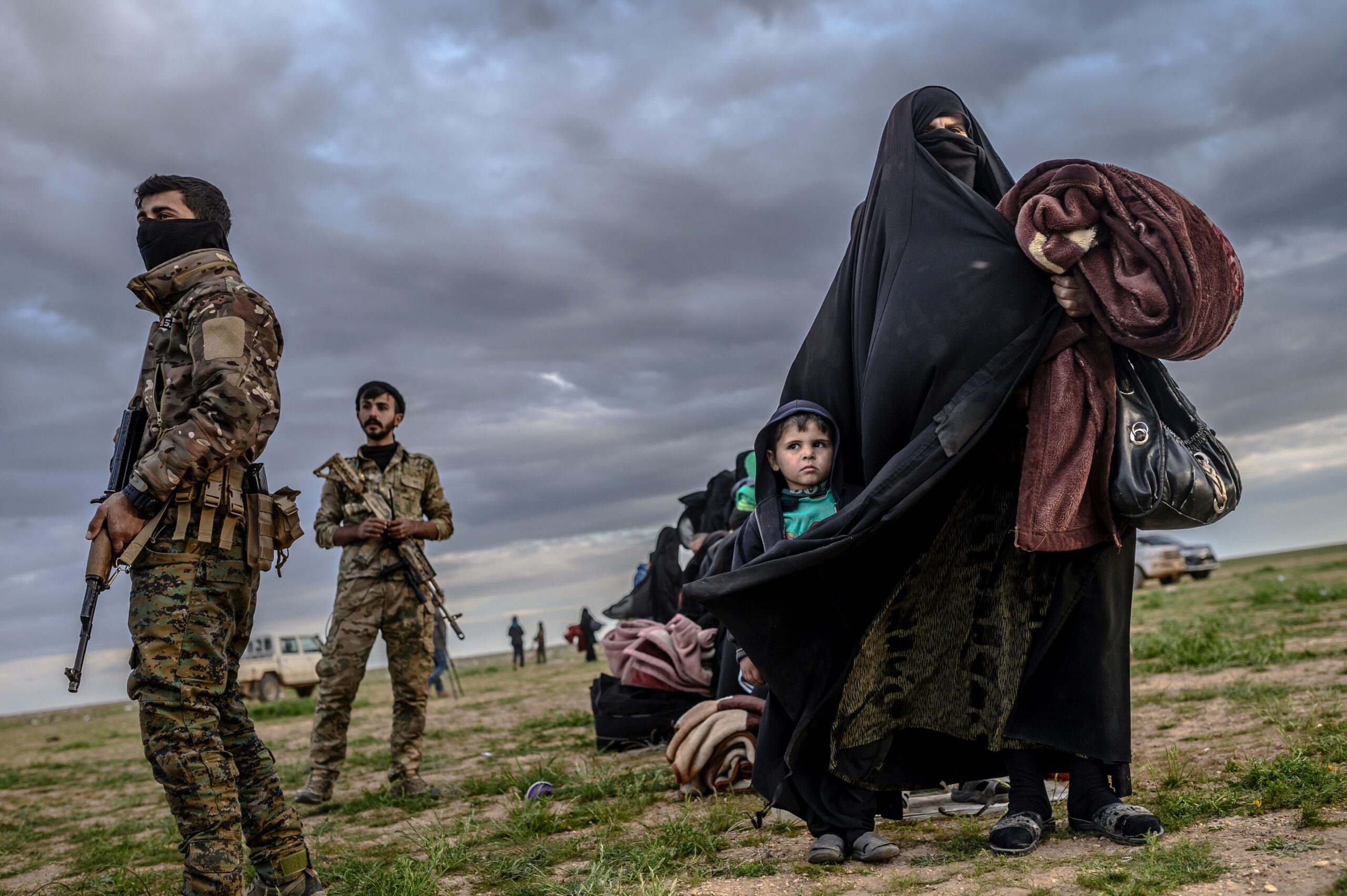
    Thousands of former ISIS fighters and tens of thousands of civilians indoctrinated in the group’s extremist ideology currently sit in prisons and refugee camps across Iraq and Syria. Leaving the detainees there is dangerous, but transitioning them will require some type of accountability for the crimes committed. This paper explores options for international action to deal with the detention of ISIS members from Iraq and Syria and the foreign terrorist fighters who joined the group from around the globe.

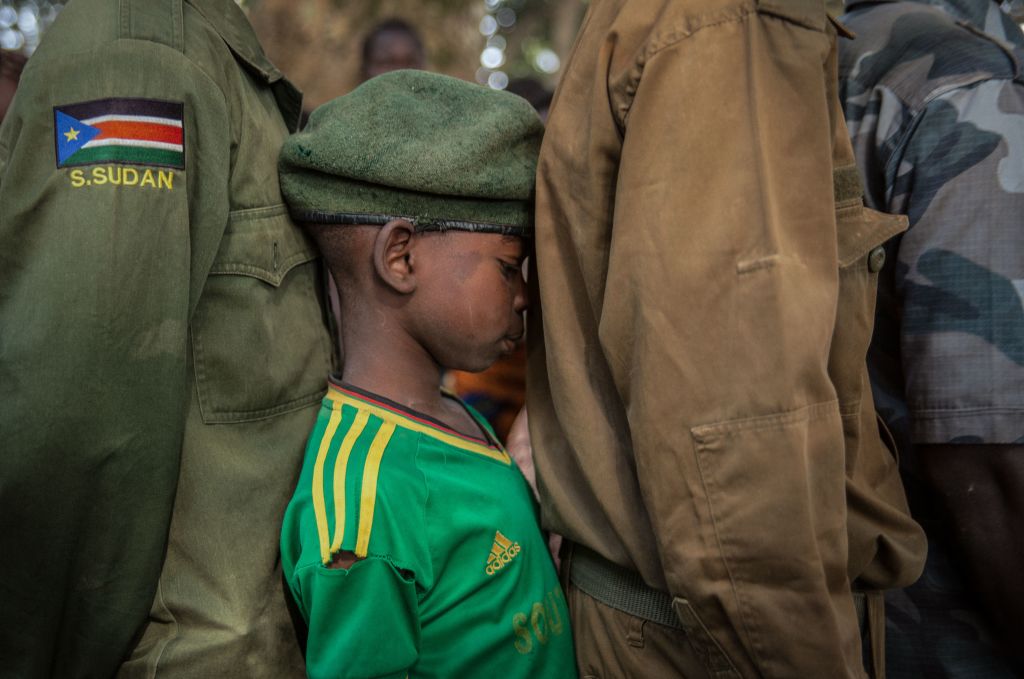
    Begin with the children: Child soldier numbers doubled in the Middle East in 2019
    Photo by STEFANIE GLINSKI/AFP via Getty Images
  • التحليل
  • Begin with the children: Child soldier numbers doubled in the Middle East in 2019

    In 2017, the advocacy group Child Soldiers International estimated that more than 100,000 children were forced to become soldiers in state and non-state military organizations in at least 18 armed conflicts worldwide. This is a global problem that is getting worse and it must be addressed.

    Russia’s Middle East: You probe with bayonets. If you find mush, you proceed …
    Mural of Vladimir Lenin
  • التحليل
  • Russia’s Middle East: You probe with bayonets. If you find mush, you proceed …

    This paper looks at the 2018 U.S. National Defense Strategy (NDS), and the Irregular Warfare Annex (IWA) to that guiding document, with recommendations on how to better implement the strategy. It also analyzes the current Russian way of conducting irregular warfare by reviewing their actions in Ukraine, Syria, and Libya.

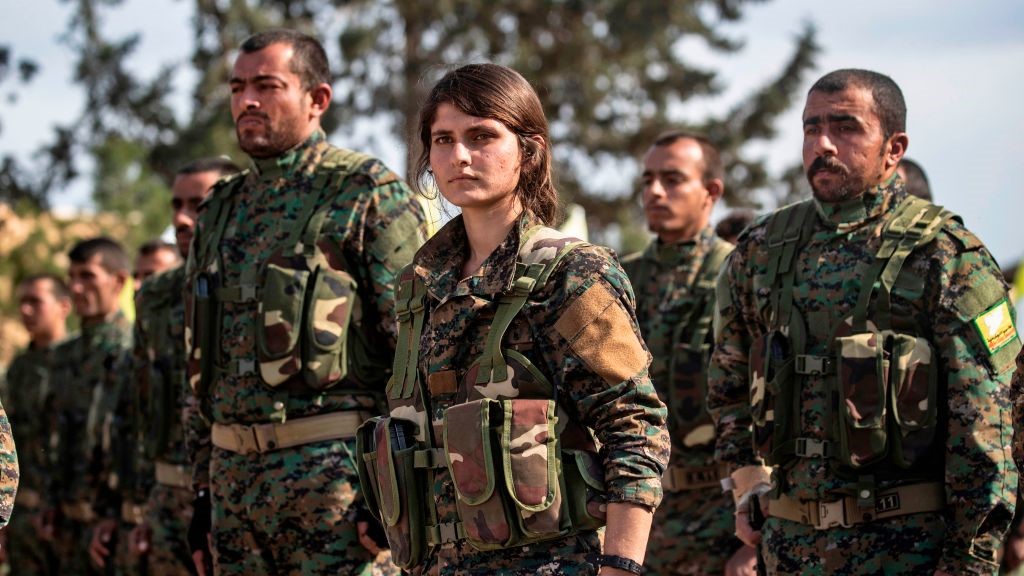
    A tale of two partners: Comparing two approaches for partner force operations
    Fighters of the US-backed Kurdish-led Syrian Democratic Forces (SDF) take part in a parade to celebrate near the Omar oil field in the eastern Syrian Deir Ezzor province on March 23, 2019, after announcing the total elimination of the Islamic State (IS) group's last bastion in eastern Syria.
  • التحليل
  • A tale of two partners: Comparing two approaches for partner force operations

    The 2018 National Defense Strategy shapes the way the U.S. military competes with state and non-state adversaries. It specifically calls for improvements in partner force operations (PFO) — especially counter-terrorism (CT) — so that regional partners can keep up CT pressure while America’s special operators shift focus to help the nation gain and maintain an advantage over the near-peer competitors of Russia and China.

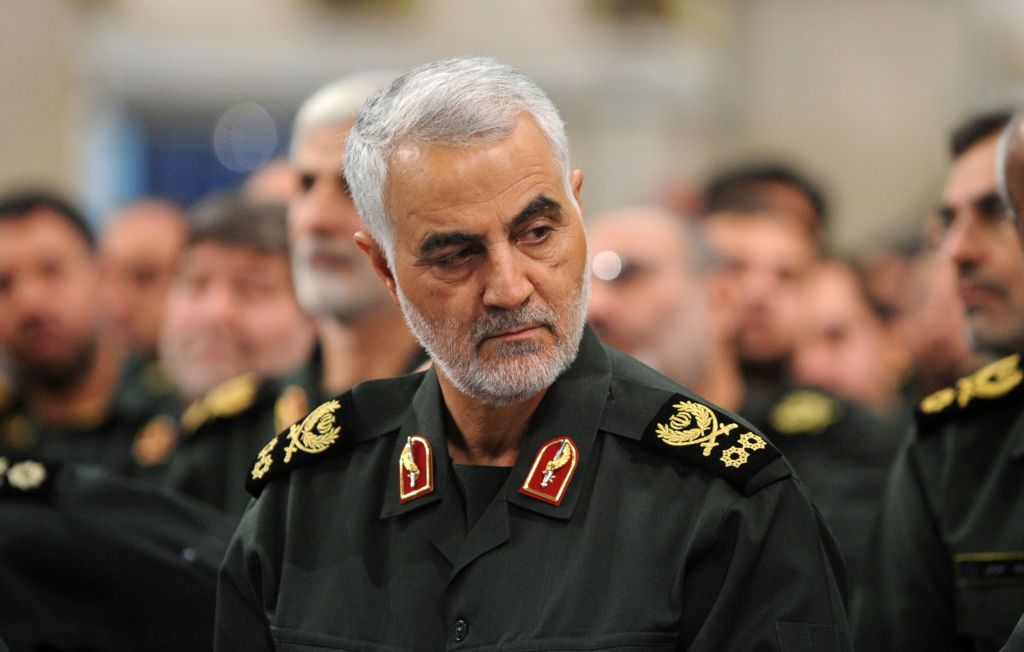
    The killing of Qassem Soleimani: Was there a better way?
     A file photo dated September 18, 2016 shows Iranian Revolutionary Guards' Quds Force commander Qasem Soleimani during Iranian Supreme Leader Ayatollah Ali Khamenei's meeting with Revolutionary Guards, in Tehran, Iran.
  • التحليل
  • The killing of Qassem Soleimani: Was there a better way?

    In the early hours of Jan. 3, 2020, a U.S. Military MQ-9 drone fired multiple air-to-ground missiles and killed the commander of the elite Iranian Islamic Revolutionary Guard Corps (IRGC) – Quds Force, Major General Qassem Soleimani. The targeted killing of Soleimani was carried out as he left the Baghdad International Airport under overt military authorities. Given that the strike was carried out under this authority, it was publicized globally shortly after it was completed. There were other options available to target Soleimani, however.

    المزيد من الخبراء مثل هذا