حلقة 5: انفجار بيروت وتبعاته السياسية — مع بول سالم ورندى سليم وفراس مقصد
ما هو الأثر السياسي لانفجار بيروت؟ كيف يمكن أن تكون ردة فعل الشارع؟ وهل هناك إمكانية لتغيير حقيقي في الطبقة السياسية في لبنان؟ ما هو الدور الذي يحاول ماكرون القيام به في لبنان وهل سيتمكن المجتمع الدولي من لعب دور إيجابي؟ وماذا عن الدول الإقليمية؟
The annual Conference of the Parties (COP) was initiated by the United Nations Framework Convention on Climate Change (UNFCCC) in 1995 to assess progress made by UN members in dealing with climate change. Some meetings have had practical and measurable outcomes, such as the Kyoto Protocol of 1997. But arguably the most well-known meeting is the 2015 COP21 in Paris, also known as the Paris Agreement.
Paul Salem and Randa Slim join host Alistair Taylor to discuss the immediate aftermath of Tuesday’s massive explosion in Beirut, which killed over 150 people and left as many as 300,000 homeless. The blast caused extensive damage across the city, and compounds the stress of Lebanon’s preexisting political, economic, and health crises.
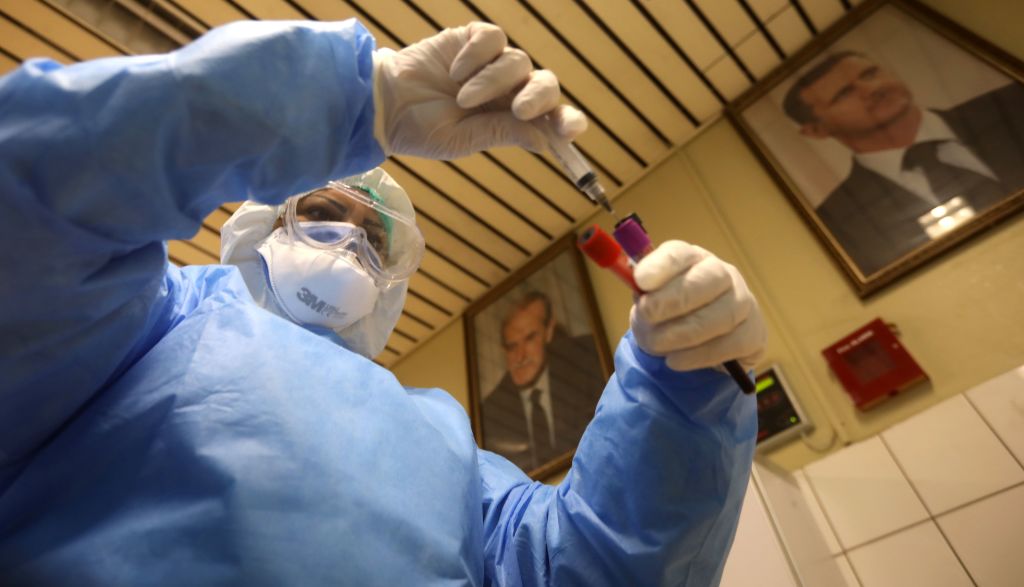
After months of under-reported cases and relaxed lockdown measures, the rapidly spreading COVID-19 pandemic has gripped government-held areas. A worrying rise in daily deaths and infections, especially in Damascus, has left Syria facing what could be its biggest challenge yet.
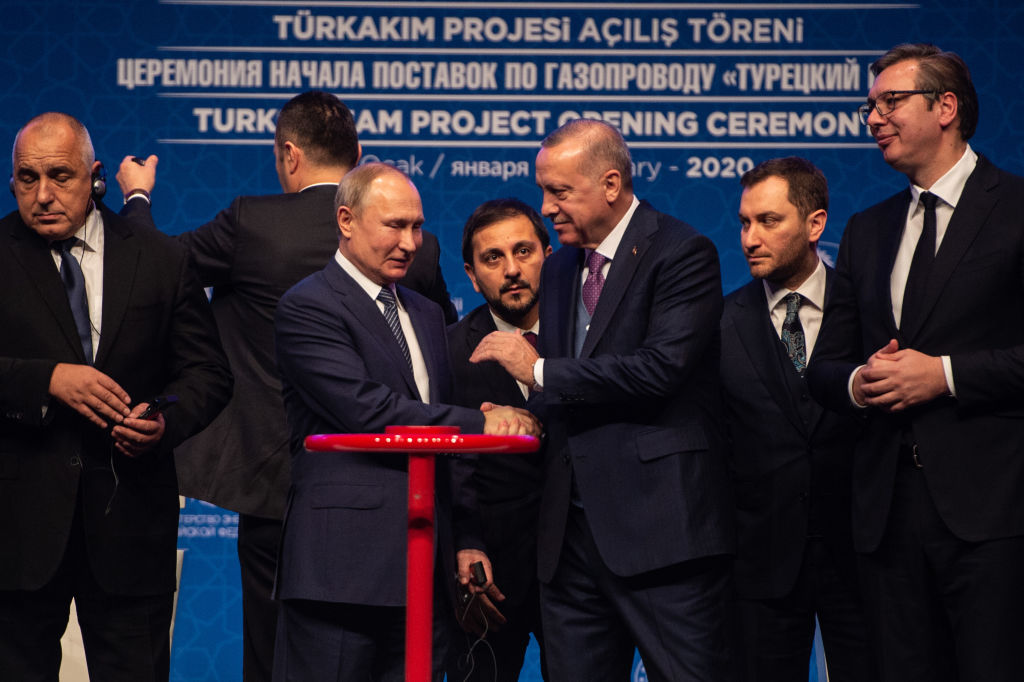
Moscow and Ankara will continue uneasy cooperation
As Russia partially reopens international travel amidst the ongoing pandemic, Turkey is in the top three countries for resumed Russian flights. Moscow also touts possible space cooperation with Turkey amidst tensions with the US on this issue. Despite disagreements between Moscow and Ankara over Syria, Libya, and the broader Black Sea region, Russia and Turkey remain determined to cooperate. But the relationship remains unequal.
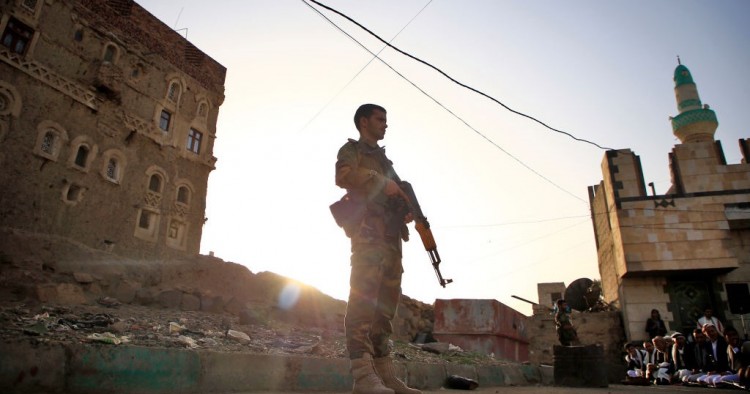
The EU steps up its engagement in Yemen, but is it enough?
The conflict in Yemen poses a real threat not only to its immediate neighborhood, but also to global players such as the European Union. Although the country is located relatively far away from the EU’s external borders, instability on the Arabian Peninsula could seriously affect European interests and security.
Beirut-based art and documentary photographers Chantale Fahmi, Vicky Mokbel, and Marwan Tahtah join guest host Kate Seelye to discuss their efforts to capture the aftermath of Lebanon’s long civil war as well as the street protests that erupted on October 17, 2019 in response to the corruption and political mismanagement that triggered Lebanon’s financial collapse. Their’s are among works on display in “Lebanon Then and Now: Photography from 2006 to 2020,” an interactive virtual exhibit hosted by the MEI Art Gallery now through September 25. Visit the show now at www.mei.edu/art-gallery
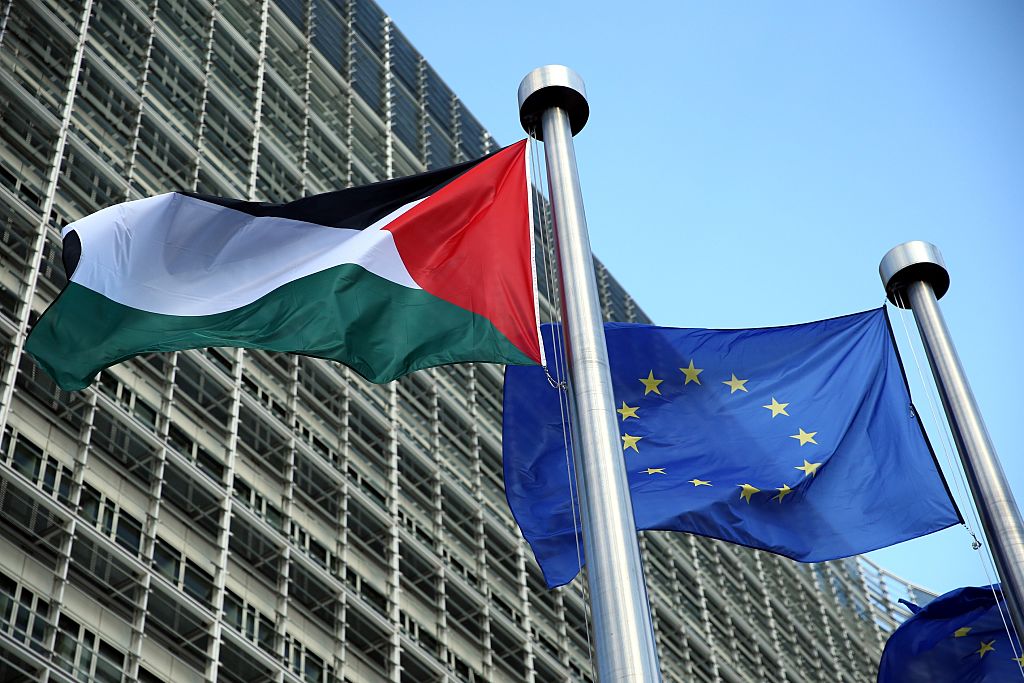
To recognize or not to recognize: EU recognition of Palestine
Recognition of a Palestinian state is one of the potential responses European Union states are mulling in response to an Israeli annexation of territory in the West Bank, with the foreign minister of Luxembourg, for example, declaring such a move “inevitable” in the event of annexation.
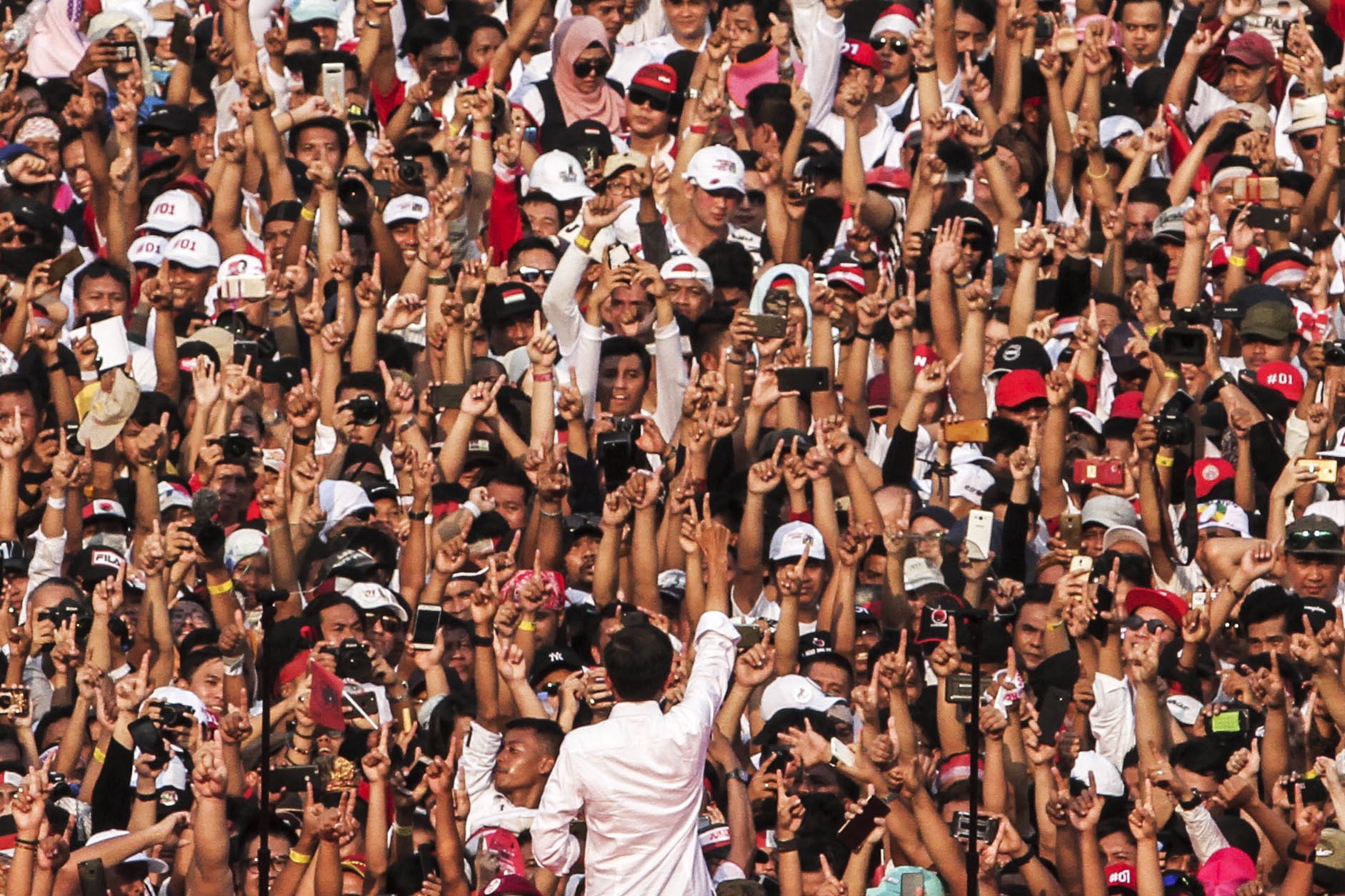
Populism, Islamism, and Democratic Decline in Indonesia
Within the academic literature on Indonesian politics, a consensus appears lately to have emerged that populism, Islamism, and democratic regression are the three fundamental, mutually reinforcing forces responsible for impeding Indonesia’s democratic consolidation since the fall of Suharto’s New Order regime in 1998. This article uses empirical polling data of the Indonesian electorate to interpret and clarify the debate surrounding the issue of populism and how it relates to Islamism and democratic regression.
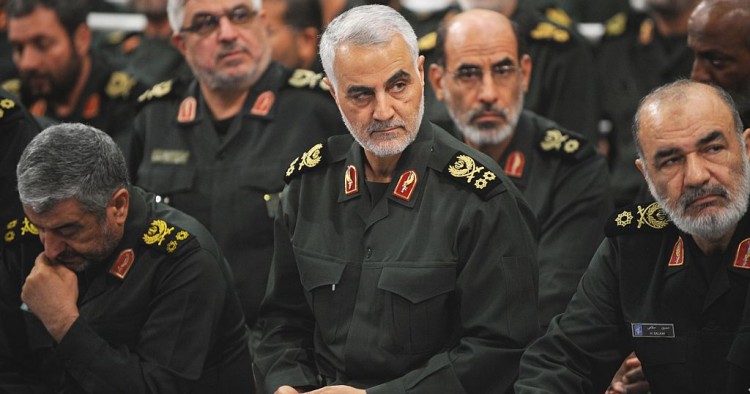
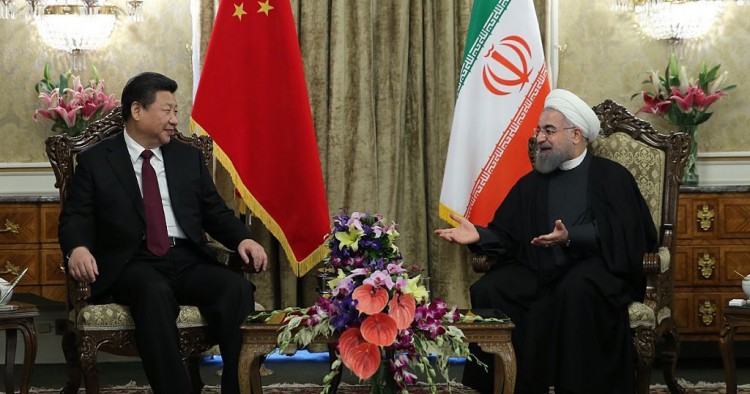
The Dangers Presented by Russian and PRC Weapons Sales to Iran
In October, the United Nations embargo on arms sales to Iran is scheduled to expire. This was a deadline specified in the 2015 Iran nuclear deal concluded by the Obama Administration. The Trump administration stridently opposes the lifting of this restriction and is lobbying within the UN Security Council to have the embargo extended indefinitely.
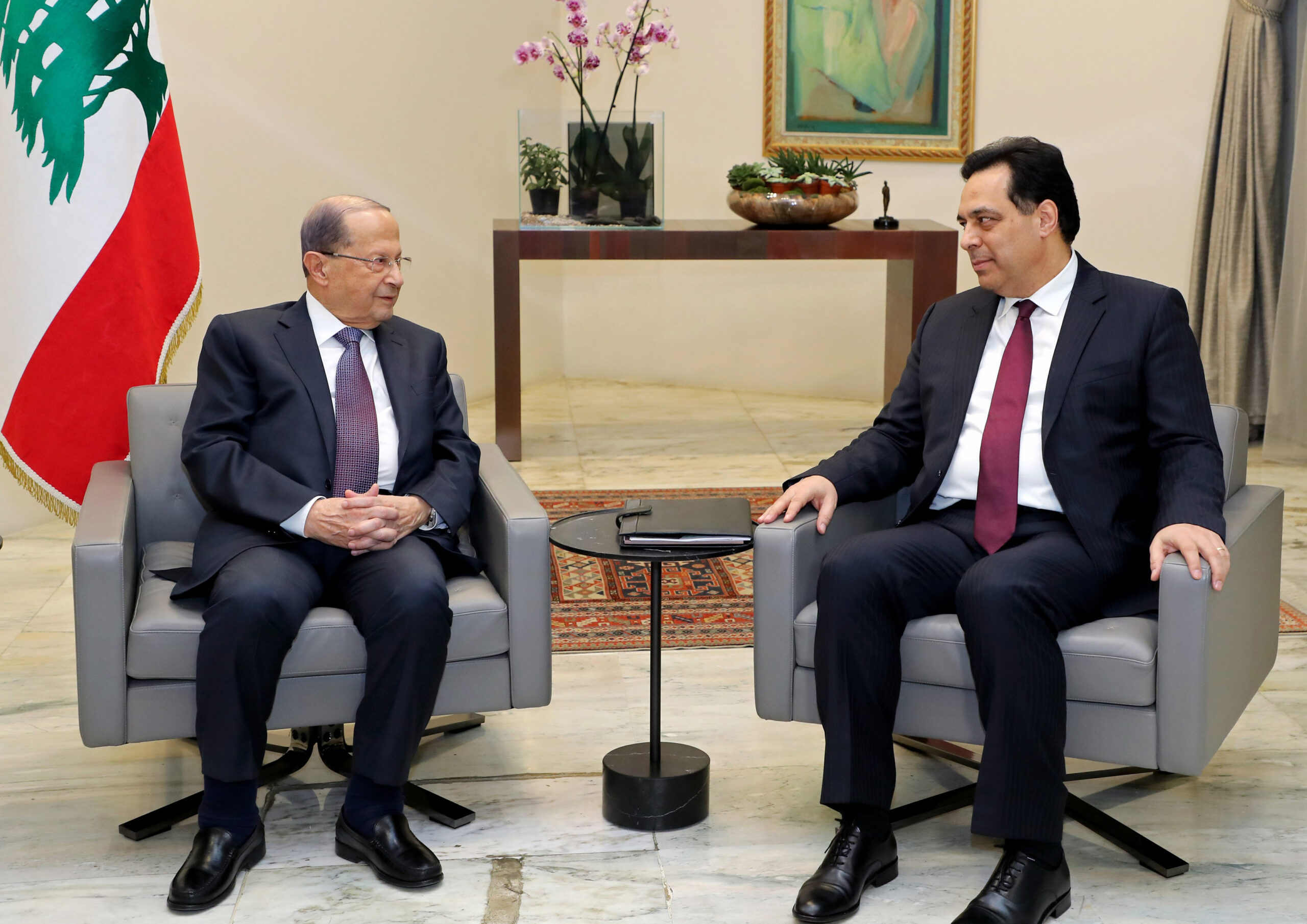
Monday Briefing | Lebanon: The twilight of an impotent government
This week’s briefing on recent news and upcoming events in the region featuring Paul Salem, Hafsa Halawa, Marvin G. Weinbaum, Anne-Linda Amira Augustin, and Gerald Feierstein.