Middle East disinformation: 2020 prospects & solutions
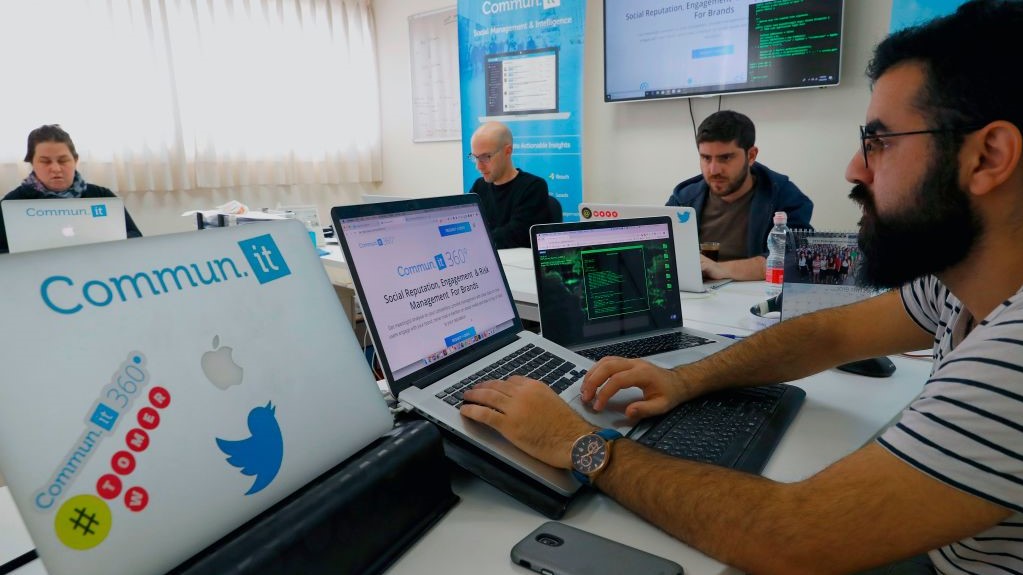
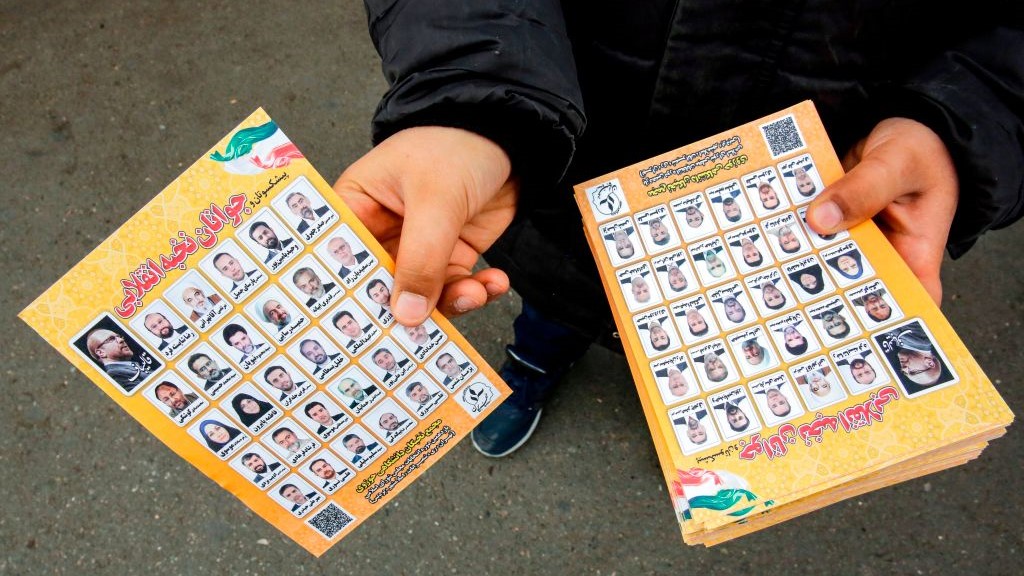
Social media has transformed the information landscape in the Middle East over the past decade. The 2009 Green Revolution and the 2011 Arab Spring demonstrated the enormous power of platforms like Twitter and Facebook for political organizing. Popular perception in the U.S. at the time was that these services would democratize a region notorious for its strongman governments. But it also showed governments and militants in the Middle East how powerful social media campaigns can be, if co-opted for their own purposes.
MEI scholar Przemysław Osiewicz joins host Alistair Taylor to discuss EU-Middle East relations and key policy issues, from Iran and Israel-Palestine to Libya and Syria.
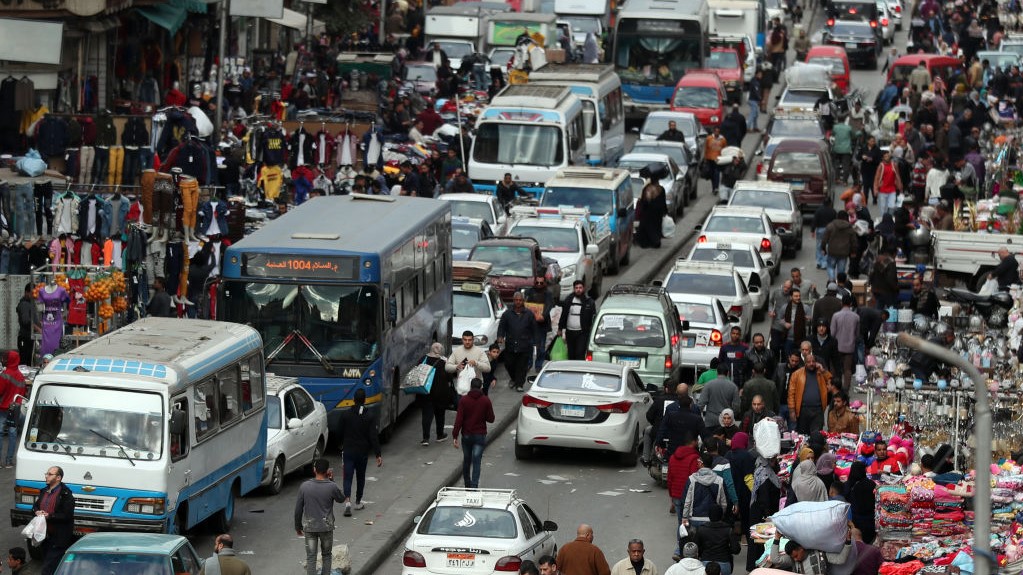
There has been a largely overlooked yet significant trend in entrepreneurship in Egypt, the Arab world’s most populous country. Much of this has been concentrated in the country’s two main economic centers, Cairo and Alexandria, but there are also signs of a broader and more inclusive trend. Despite this boom, few start-ups seem to have left much of a mark beyond the early development stages. A lack of access to finance has long been recognized as a key obstacle, yet the approaches taken by the government and international development lenders have proven largely ineffective. If this, along with other obstacles, can be addressed, the country’s nascent start-up scene could become a catalyst for economic development.
Understanding EU-MENA relations: Current and changing dynamics
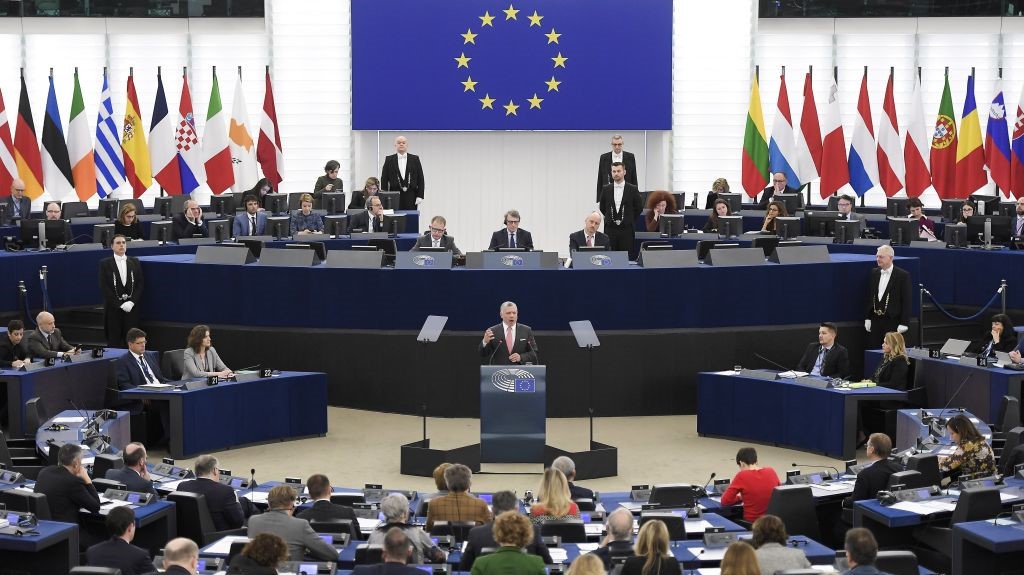
This year could mark a turning point in the European Union’s relations with the countries of the MENA region. If the EU is to realize the objectives laid out in its 2016 global foreign and security policy strategy and become a major world power, it has to be more proactive and creative, especially in the Middle East.
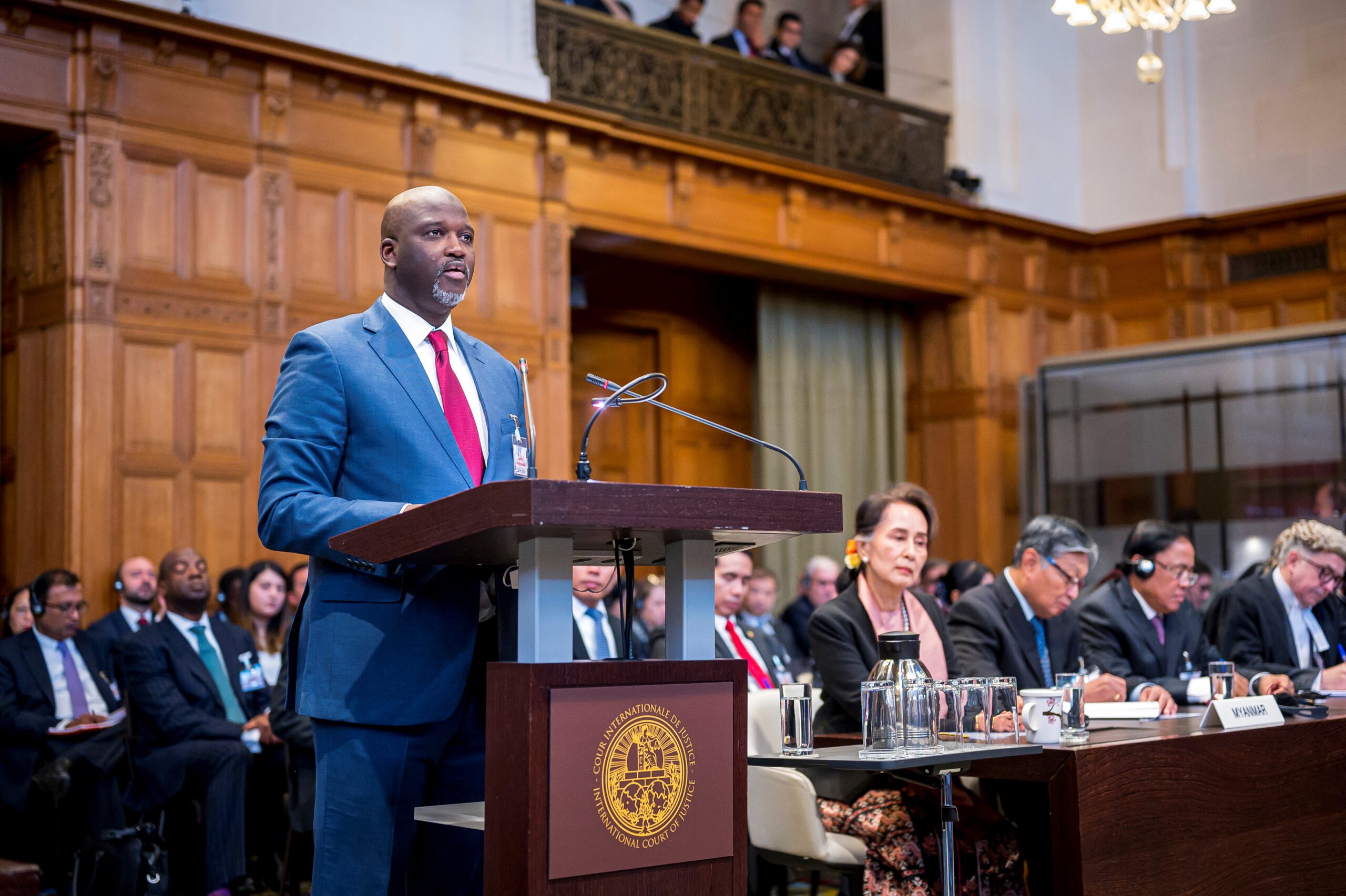
The Gambia Charges Genocide at the World Court: Pursuing and Achieving Justice for the Rohingya
This article discusses the efforts taken by The Gambia on behalf of the 57-member Organization of Islamic Cooperation (OIC) to obtain provincial measures from the International Court of Justice (ICJ) directing Myanmar to cease-and-desist ongoing genocide, to cease destroying evidence of genocide, and to “take all measures within its power” to prevent any acts of genocide against the Rohingya occurring in the future.
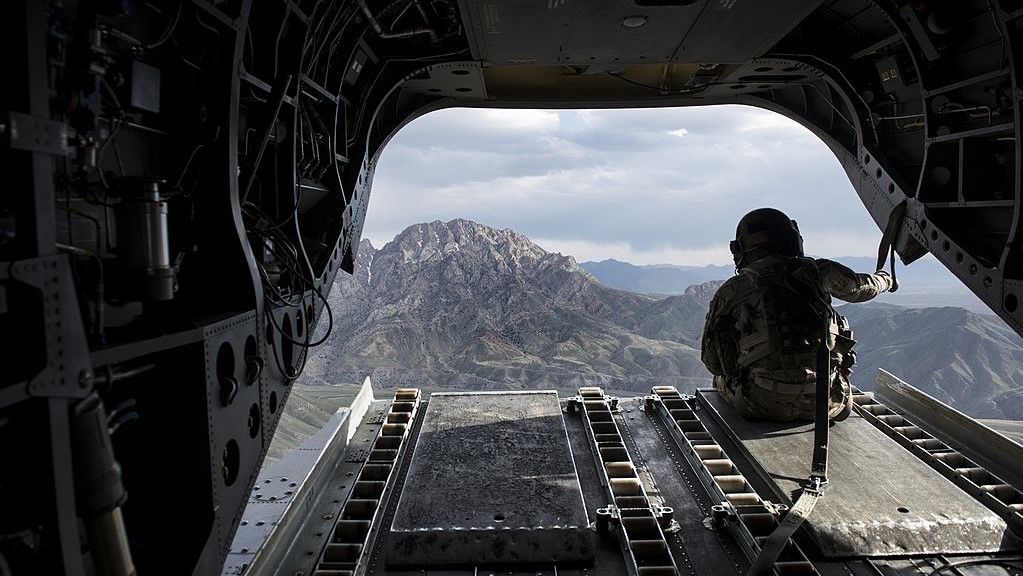
US and Taliban move closer to a deal, but major questions remain
Whatever else it may do, the pending agreement is intended to provide the political cover for a U.S. departure from Afghanistan at an opportune time with this an election year.
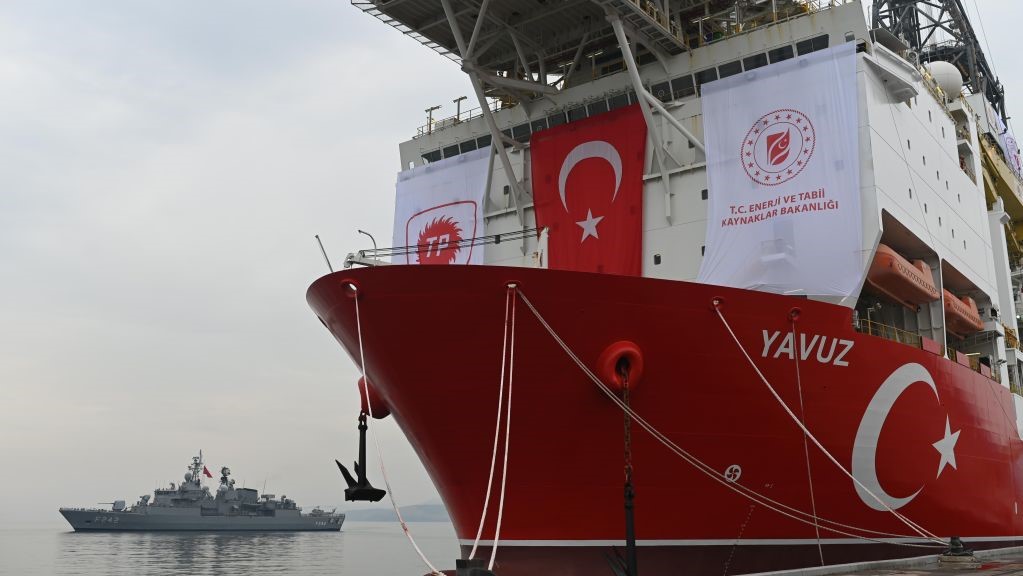
The eastern Mediterranean has become an increasingly important focus for Turkey’s foreign and security policy, but the interlocking of new issues like energy politics and sovereignty rights with old problems like Cyprus has created significant challenges for Ankara.