The Latest from Fatima Sadiqi
Khamenei defends Iran’s regional military interventions in New Year speech
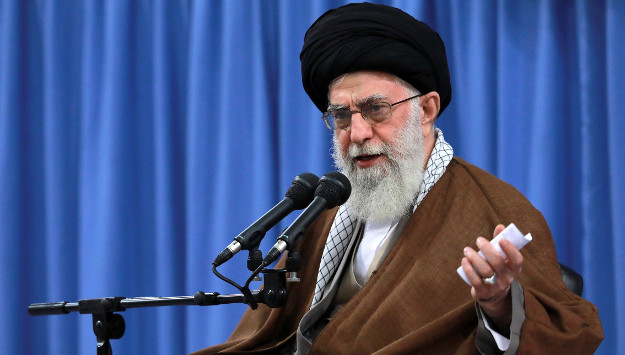
Supreme Leader Ali Khamenei’s March 21st New Year address mostly dwelt on domestic political issues. But the Iranian leader also made a few references to the most pressing foreign and security issues, none of which bode well for Iran’s relations with the United States. Moreover, Khamenei tried to calm growing public anger amongst Iranians about the country’s costly military interventions in the Middle East.
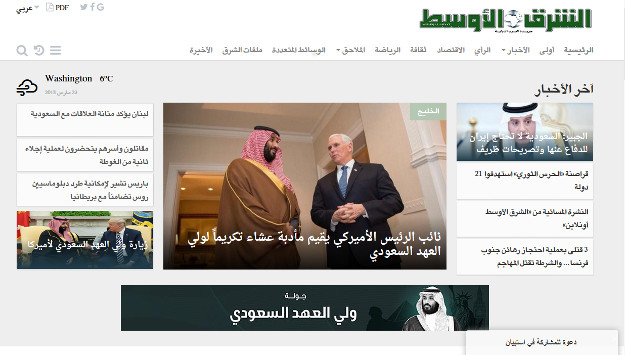
Iran-Backed Iraqi militia group calls for closure of Arab daily Asharq al-Awsat
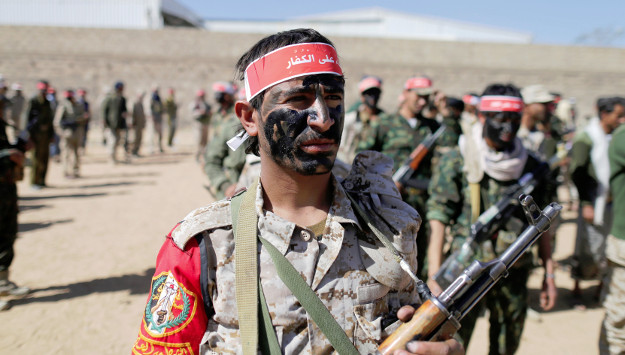
A commander of the Iraqi paramilitary forces known as Hashd al-Shaabi has called for suspension of Asharq al-Awsat in Iraq, accusing the pan-Arab daily of propagating against the paramilitary forces. According Iran’s Fars News Agency, Karim al-Nouri, a commander of the Iranian-backed Badr Organization and a spokesman for Hashd al-Shaabi, was reacting to an article in the newspaper which warned about Hashd al-Shaabi turning into a Shiite-only organization in Iraq.
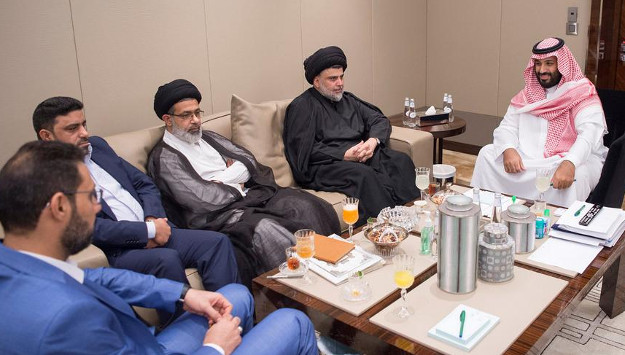
Saudi Crown Prince’s potential Iraq visit alarms Tehran and its allies
Recent media reports suggesting that Saudi Crown Prince Mohammad bin Salman plan to pay a historic visit to Iraq has alarmed Iran and its Iraqi allies. Baghdad and Riyadh have not confirmed the reports, but Iranian-backed politicians and militia commanders in Iraq have launched a campaign against the Crown Prince’s potential visit, rejecting latest steps by the Baghdad government to improve ties with Riyadh and questioning the timing of bin Salman’s trip ahead of the country’s parliamentary elections.

Mohammed bin Salman in Washington: Impact on U.S.-Saudi relations
Saudi Crown Prince Mohammed bin Salman passed through D.C. this week to sell his Vision 2030 roadmap for transforming the Saudi economy. Karen Young, senior resident scholar Arab Gulf States Institute in Washington, and Gerald Feierstein join host Paul Salem to discuss this, as well as other key policy issues affecting U.S.-Saudi relations, from the war in Yemen to the Kingdom’s internal crackdown on corruption.
A Celebration of Saudi Contemporary Art and Culture at the Kennedy Center
Turkey-China Relations: From “Strategic Cooperation” to “Strategic Partnership”?
The blossoming of Turkey’s relations with China has occurred against the backdrop of Turkey’s apparent strategic estrangement from the West. But have Turkey and China succeeded in developing the full-blown “strategic partnership” envisaged in their 2010 joint communiqué? Relatedly, is Turkey on the verge of shedding its strategic links with the West in favor of consolidating them with China? This article aims to shed light on these two questions.
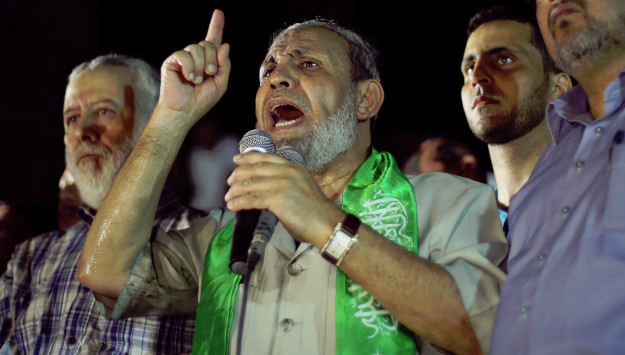
Hamas official says relations with Tehran improved to pre-Syrian crisis level
A senior member of the Palestinian Hamas has said the militant group and Tehran have recently managed to repair their relations which were strained as a result of the two sides’ differences over the Syrian conflict previously. According to Iran’s Fars News Agency, Mousa Abu Marzouk, a Hamas official, told a Palestinian TV that Hamas’ relationship with the Islamic Republic is “excellent” – adding that Iran responds positively to the group’s requests which are often denied by other countries.
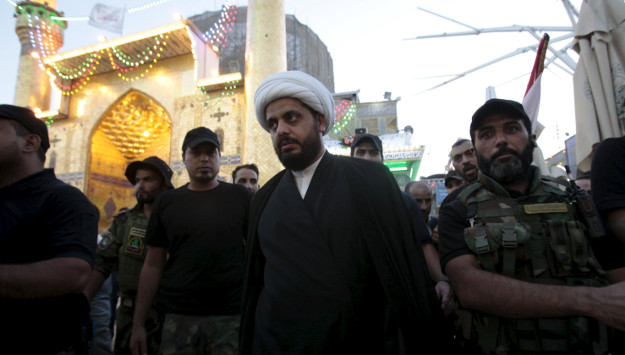
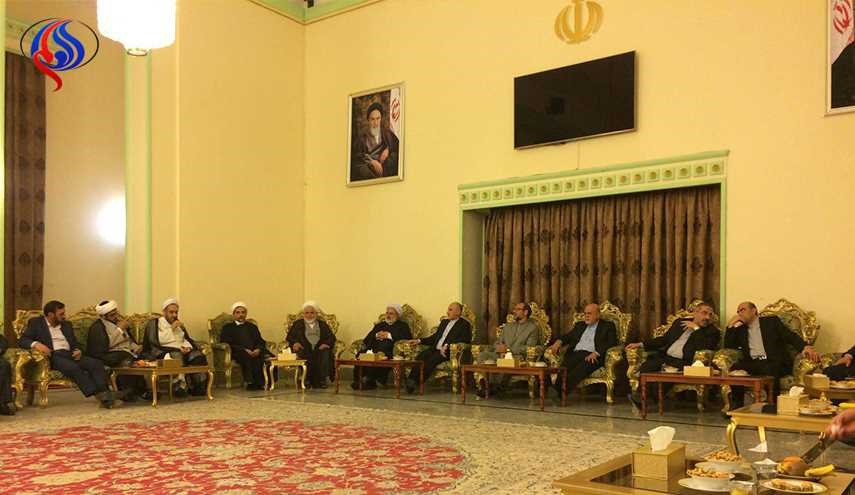
Iran's Iraqi militia allies eye next elections to consolidate gains, expel US
The head of Asa’ib Ahl al-Haq (AAH), an Iranian-supported Iraqi militia group, has said that the country’s paramilitary forces known as the Popular Mobilization Forces (PMF) will remain a military organization and participate in the upcoming parliamentary elections at the same time.
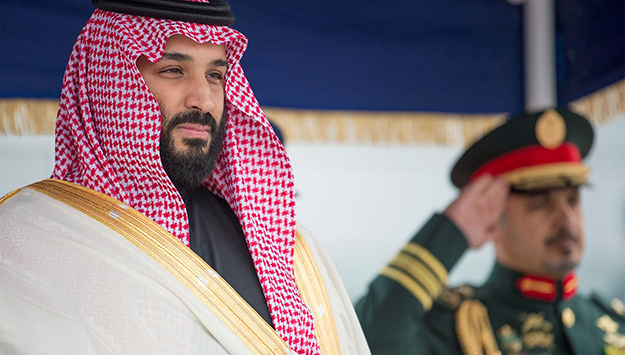
Monday Briefing: Mohammed bin Salman’s American charm offensive
In this week’s Monday Briefing, MEI experts Gerald Feierstein, Paul Salem, Charles Lister, Jean-François Seznec, and Jonathan M. Winer provide analysis on recent and upcoming events including the shaping of U.S.-Saudi relations, Pompeo’s appointment to secretary of state, Turkey’s capture of Afrin, the future of Saudi energy, and Egypt’s efforts to unite the Libyan military.
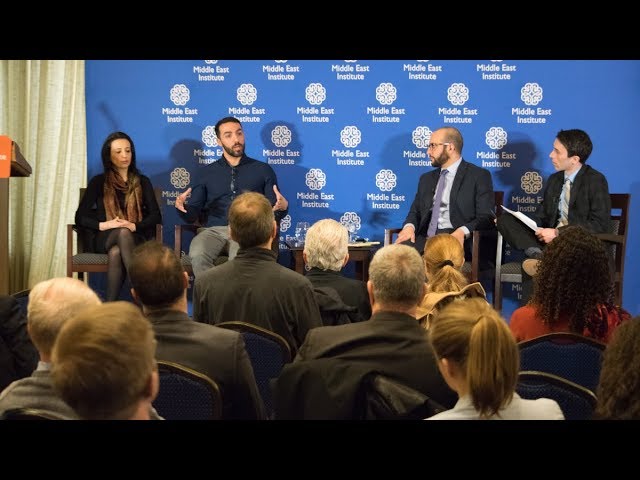
Journalism at war: the evolution of independent reporting in Syria
Prior to the outbreak of protests in Daraa in 2011, media in Syria was state-controlled and heavily regulated. However, in the face of escalating conflict with the Assad regime, independent media outlets emerged that gave voice to Syrian journalists and civil society activists sharing information domestically and to an international audience.
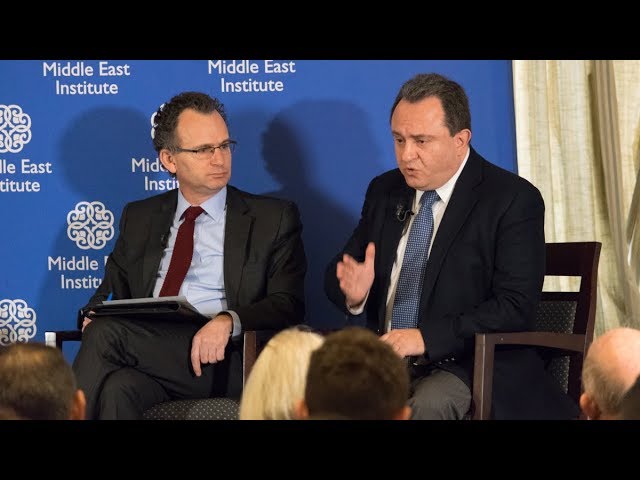
Violent extremism: historical patterns and precedents, ancient and modern
Middle Eastern history is often portrayed as a succession of empires and political orders harassed and occasionally brought down by violent opponents–usually labeled as terrorists at the time. This was true in ancient times as well as modern. And today’s violent extremist groups resurrect historical narratives and grievances to fuel contemporary conflict.
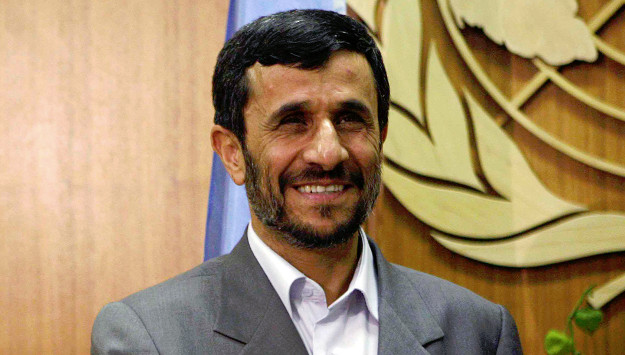
Ahmadinejad reveals Quds Force secrets after aide sent to jail
Former Iranian President Mahmoud Ahmadinejad’s relations with the regime have reached a new low since the Judiciary imprisoned his associates Hamid Baqaei and Esfandiar Rahim-Mashaei on embezzlement charges. Reacting to the Judiciary’s ruling, Ahmadinejad disclosed the charges against Baqaei in detail, which shed light on the operational mode of the Quds Force of the Islamic Revolution Guards Corps (IRGC QF).