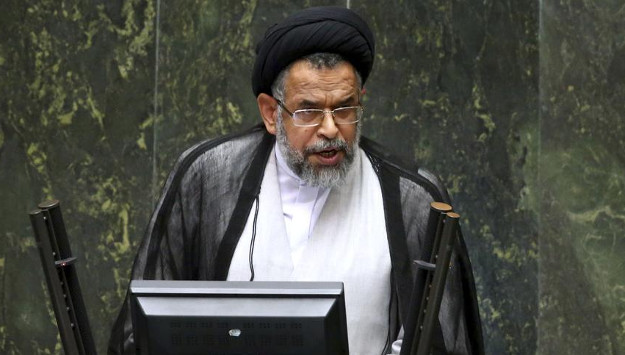
New Iranian Defense Minister Reiterates Support for Quds Force and “Resistance Front”
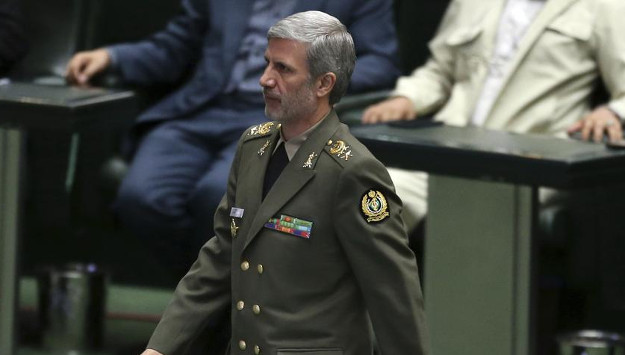
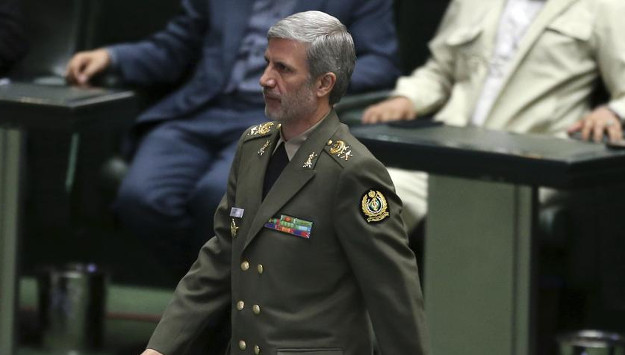
The new Iranian defense minister has reiterated that he will continue to support the Quds Force and the “resistance front” and will only further enhance the country’s controversial missile program and other defense capabilities.
I.R.G.C. Outlet: K.R.G.’s Independence Plan Places Region at Risk
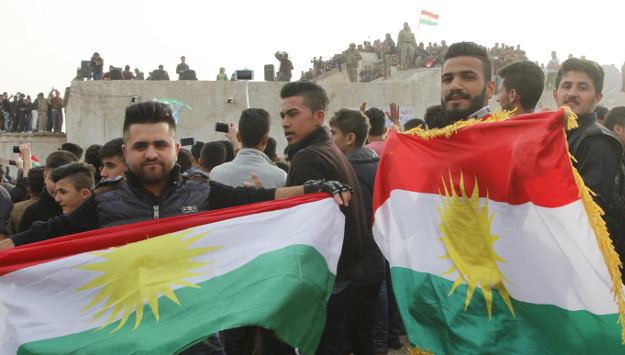
The Iraqi Kurdistan Regional Government’s decision to hold an independence referendum next month would further strain relations between Erbil and Baghdad and risks triggering intra-Kurdish violence, warns an article in Iran’s Tasnim News Agency, which is affiliated with the Islamic Revolution Guards Corps (I.R.G.C.).
Monday Briefing | Abbas Hoping for a Commitment from Kushner on MidEast Peace
In this week’s Monday Briefing, MEI experts Yousef Munayyer, Paul Salem, Ahmad Majidyar, Alex Vatanka, and Gonul Tol provide analysis on recent and upcoming events including the upcoming trip by the U.S. delegation headed by Jared Kushner to Israel/Palestine, Iraq’s anti-ISIS operation in Tal Afar, President Trump’s upcoming announcement on U.S. military strategy in Afghanistan, Iran’s efforts to find a role in China’s One Belt, One Road project, and Turkey’s rocky relations with Germany.
Iran-Backed Groups Playing “Extensive Role” in Tal Afar Operation
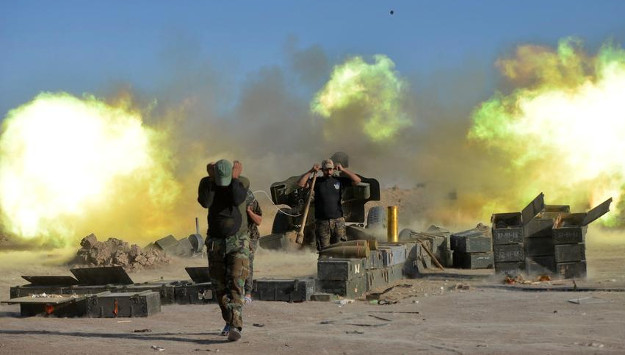
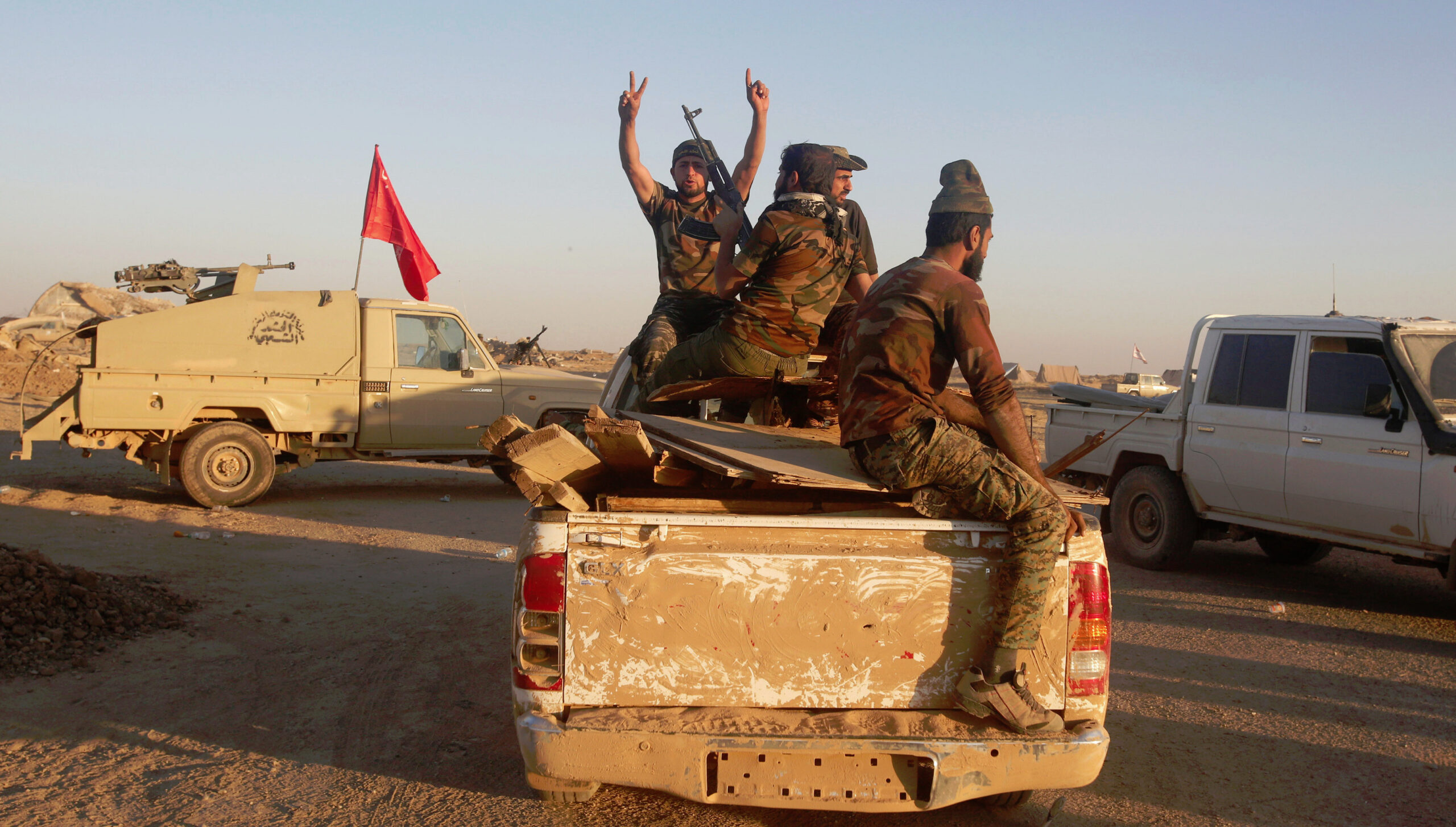
Iraqi Popular Mobilization Forces (P.M.F.) commanders say their paramilitary forces are actively participating in the recently-launched military operation to liberate the city of Tal Afar from the Islamic State, the Iranian media report. The Badr Organization, a powerful Iranian-supported P.M.U. group, announced on Sunday that its forces have captured “mountainous regions” in northwestern parts of Tal Afar. A report in Fars News Agency, which is affiliated with the Islamic Revolution Guards Corps, said P.M.F.
Top Turkish Military Official to Visit Tehran for Further Talks
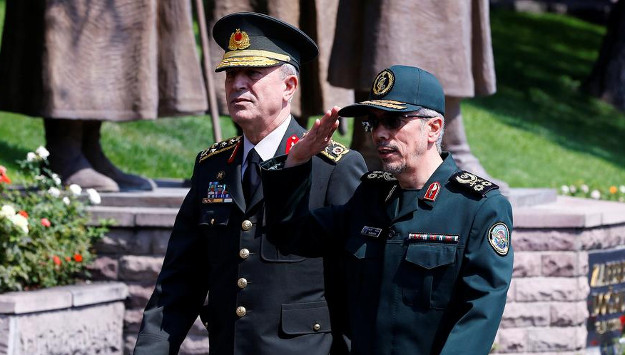
Turkey’s Chief of the General Staff Hulusi Akar will visit Tehran in the near future for further consultations on boosting defense ties and counterterrorism cooperation between the two countries, the Iranian media reported today. The announcement was made on Monday by the chief of staff of the Iranian Armed Forces, Major General Mohammad Hossein Bagheri, who just returned from a high-level and unprecedented visit to Ankara.
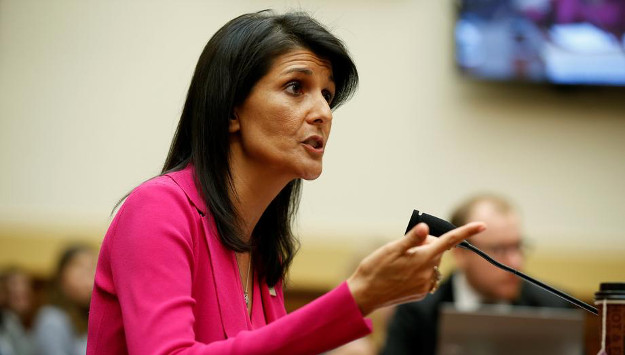
Iran Blasts Haley’s Vienna Visit as “Fruitless” Attempt to Undermine Nuclear Deal
The Iranian Foreign Ministry said Monday that U.S. Ambassador to the U.N. Nikki Haley’s visit to Vienna for talks with the International Atomic Energy Agency officials is a “fruitless” attempt to undermine the 2015 nuclear accord between Iran and world powers, the Iranian media reported “The IAEA’s responsibilities have been fully specified and defined.
President Donald Trump likes a good war of words with foreign leaders. And besides the North Koreans, the leadership in Iran makes a first-rate target for him. After all, one of his signature campaign pledges was to undo the 2015 nuclear deal that Barack Obama’s administration signed with Tehran and five world powers.
I.R.G.C. Outlet: Foreign "Plots" Underway to Divide Shiites, Damage Tehran-Baghdad Ties
Regional Arab states and their Western allies are attempting to divide the Iraqi Shiites and drive a wedge between Tehran and Baghdad to alter the balance of power in Iraq, warns an article in Tasnim News Agency, an Iranian outlet affiliated with the Isl
Iran Seeks to Play Major Role in Syria’s Economic Revival, Reconstruction
An Iranian official said on Thursday that his country is ready to meet Syria’s all trade needs and emphasized that Iranian companies are eager to help the war-torn country’s reconstruction.
20,000 P.M.F. Fighters Will Participate in Tal Afar Operation, Says Spokesman
The Iraqi Popular Mobilization Force (P.M.F.) will deploy 20,000 fighters to participate in the upcoming ground operation to liberate the city of Tal Afar from the Islamic State, P.M.F. Spokesman Ahmed al-Assadi revealed today. In an interview with Lebanon’s al-Mayadeen TV channel, Assadi said Haider al-Abadi, the prime minister and commander-in-chief of the Iraqi Armed Forces, will announce the start date for the operation.
Pro-Assad Forces and Hezbollah Launching Operation along Syrian-Lebanese Border
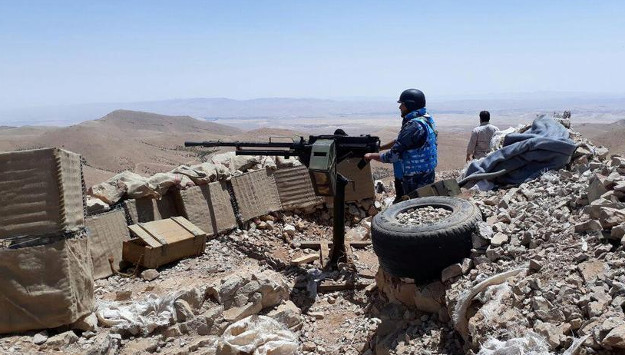
The Syrian pro-government forces and the Lebanese Hezbollah are set to launch a joint operation along the Syrian-Lebanese shared border against Islamic State militants, Fars News Agency reported on Friday. Quoting unnamed sources from Syria, Fars, which is affiliated with the Islamic Revolution Guards Corps (I.R.G.C.), added that the Syrian government has sent a large military contingent of the Syrian Army forces and the National Defense Forces personnel to the western part of the Qalamoun Mountains to support the upcoming operation near Lebanon’s border.
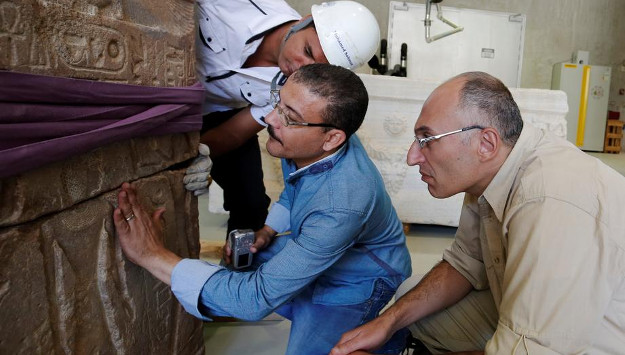
Egypt’s modern leaders may lack the means of their forebears when it comes to raising awe-inspiring monuments, but they still find impressive ways to promote the image of a confident nation. Widely touted “mega-projects,” like the Biblioteca Alexandrina, the “new” Suez Canal, and “New Cairo,” a skyscraper-studded capital city slated to replace the embattled 1400-year-old one, all come adorned with hyperbolic attributes and historic implications for all mankind.
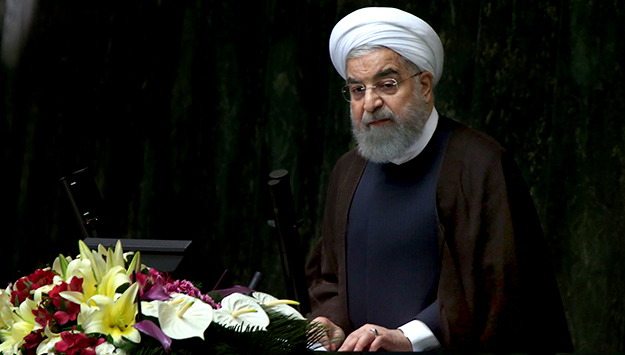
Rouhani’s Defense Pick: I’ll Support Quds Force and Resistance to Counter U.S.
President Hassan Rouhani’s nominee for the post of defense minister told the Iranian Parliament today that he will support the country’s elite Quds Force commander to counter U.S. policies and actions that undermine Iran’s regional interests. “You passed a legislation to counter U.S. sanctions,” Brigadier General Amir Hatami said on Thursday while outlining his plans for the ministry. “No doubt, support for the resistance front, which is the Quds Force and my brother Major General [Qassem] Soleimani, will continue in this regard.
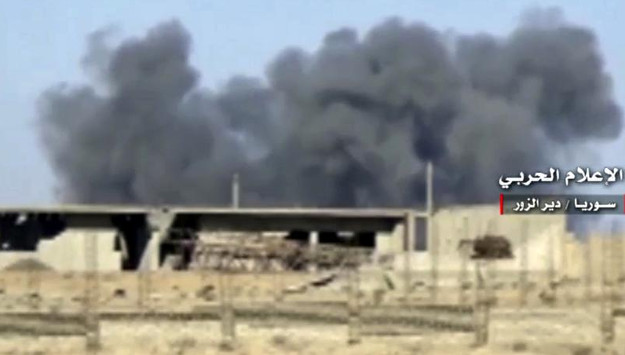
U.S. Mobilizing Rebels in Syria’s Northeast to Capture Deir Ezzor, I.R.G.C. Outlet Warns
The U.S.-led coalition fighting the Islamic State in Syria and Iraq is planning on establishing a “ground force” composed of Syrian rebels led by Ahmad al-Jarba, the leader of al-Qad Movement, to “occupy” eastern Syria, warns Fars News Agency, an Iranian outlet affiliated with the Islamic Revolution Guards Corps (I.R.G.C.).