Tehran Seeks International Support to Mitigate Impact of U.S. Sanctions
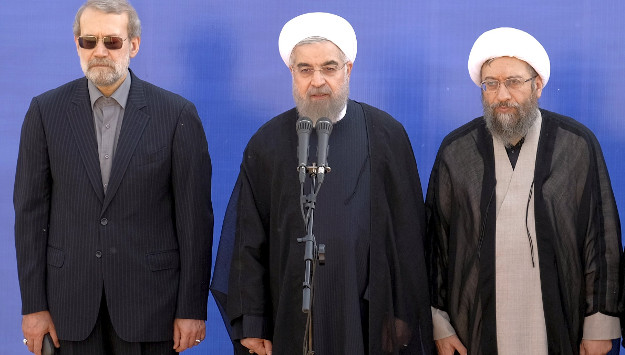
Iran’s Parliament Speaker Ali Larijani said the latest U.S. Senate legislation that would impose new sanctions on Iran was a violation of international law and U.N. conventions, the Iranian media reported. He made the remarks in a speech at the meeting of the Eurasia’s parliament speakers in South Korea on Tuesday.
Iran’s Parliament Finalizing Bill to Counter U.S. Actions in Middle East
A top Iranian lawmaker said that the parliament’s National Security and Foreign Policy Commission has finalized a legislation that would counter the U.S. “adventurous and terrorist” actions in the region, state-run Islamic Republic News Agency reported today. “This bill has set some obligations for the government and the government is obliged to implement them,” Alaeddin Boroujerdi emphasized. He further noted that the bill is a reaction to the latest U.S.
I.R.G.C. Outlet Accuses U.S. Military of Aiding Islamic State in Iraq and Syria
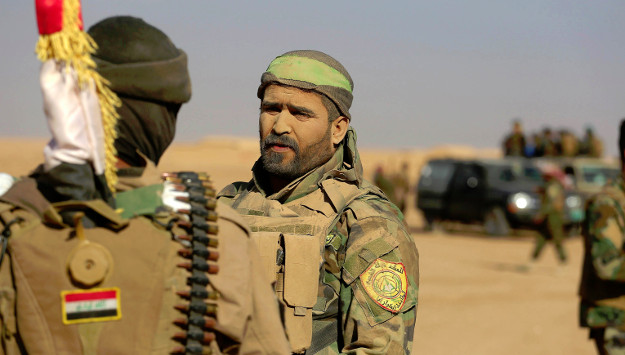
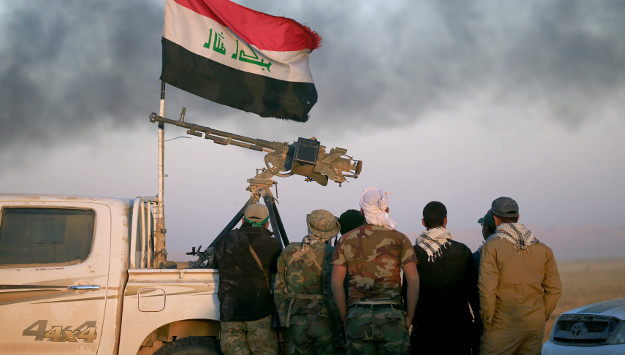
The U.S. military is taking measures in the Iraqi province of al-Anbar close to the Syrian border to counter the growing influence of the Popular Mobilization Forces (P.M.F.), reports Fars News Agency, which is affiliated with the Islamic Revolution Guards Corps (I.R.G.C.). According to the Iranian outlet, the U.S. military seeks to push back against the P.M.F.’s territorial gains because Washington and its allies see the Iraqi paramilitary forces as “Iran’s operational arm” in Iraq and Syria. According to Fars, the U.S.
Monday Briefing: ISIS losing territory, President Erdogan visits Sudan
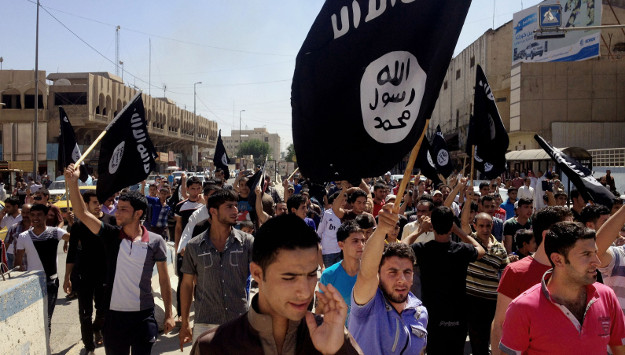
In this week’s Monday Briefing, MEI experts Charles Lister, W. Robert Pearson, and Yousef Munayyer provide analysis on ISIS’ continued threat to security despite losing territory, President Erdogan’s upcoming visit to Sudan as a political calculation, and Mohammed Dahlan’s effort to return to Palestinian politics.
Rouhani to Qatari Leader: Iran Stands with Doha, Rejects “Unacceptable Siege”
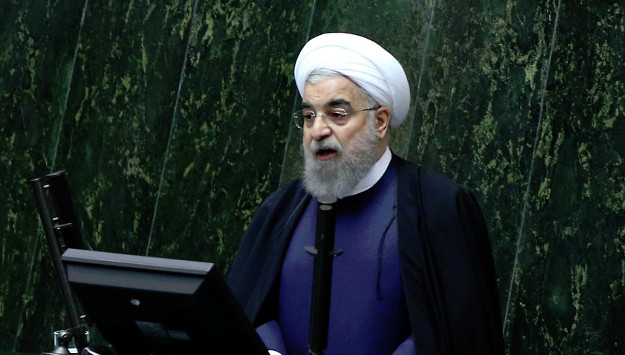
On Sunday, Iran’s President Hassan Rouhani pledged support for Qatar in its latest standoff with Saudi Arabia and its regional allies and called for the expansion of bilateral ties between Tehran and Doha, the Iranian media reported.
Iran Seeks Role in Syria's Reconstruction, Economy
Iranian Ambassador to Damascus Javad Torkabadi has said that the Islamic Republic is ready to help Syria’s reconstruction after the defeat of the Islamic State in the war-ravaged country, Iranian media reported. “Many companies in Iran are ready to help Syria in the housing and reconstruction fields rendering their best services now that victory is in sight in Syria after a protracted battle,” he was quoted as telling Syrian Minister of Housing Hussein Arnus at a meeting in Damascus.
Rouhani Lauds I.R.G.C. for Developing and Using Missiles
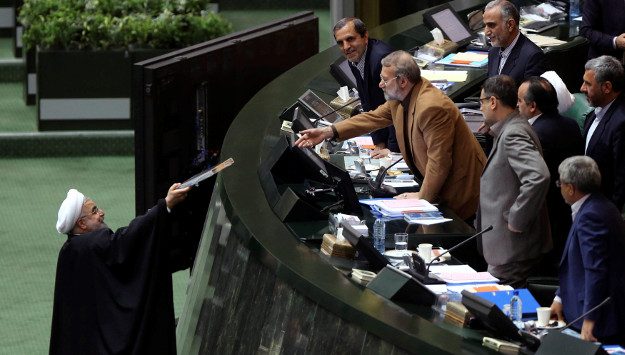
Iran’s President Hassan Rouhani hailed efforts by the Islamic Revolution Guards Corps (I.R.G.C.) to develop and employ advanced weapons to protect the country, Iranian media reported. “I’d like to thank the ones that manufacture strategic arms for the country and the ones that employ such strategic weapons very well,” Rouhani said in a meeting of top Iranian officials and ambassadors of Islamic nations on the occasion of Eid in Tehran.
Iranian Demonstrators Chant Slogans against U.S. and Saudi Arabia during anti-Israel “Quds Day” Rallies
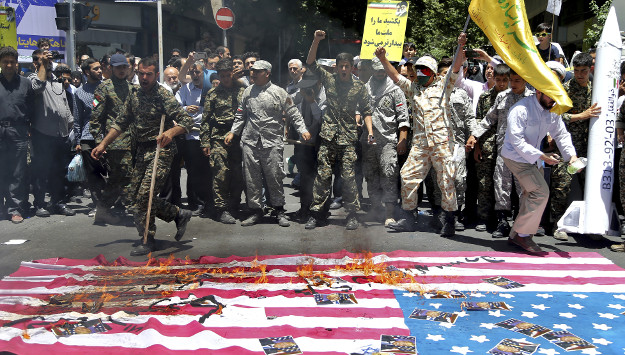
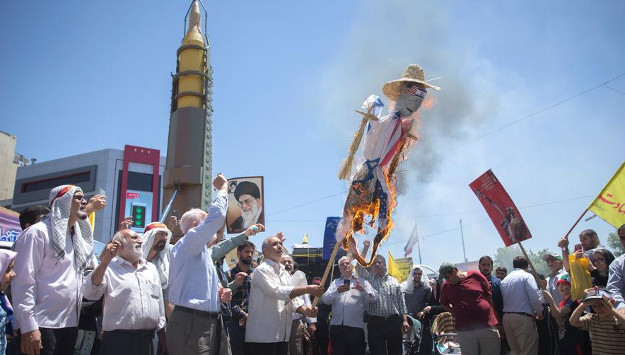
Hundreds of thousands of Iranians today marched the streets of Tehran and across the country to mark the International Quds Day, Iranian media reported. The demonstrators voiced support to the plight of Palestinians and chanted slogans against Israel and the United States. Senior political and military leaders, including President Hassan Rouhani and Islamic Revolution Guards Commander Mohammad Ali Jafari, attended the anti-Israeli rallies.
I.R.G.C. Displays Ballistic Missiles at anti-Israel Rallies in Tehran
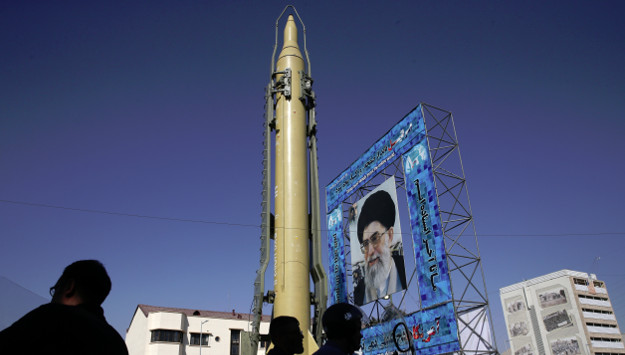
During the annual “International Quds Day” rallies in Tehran today, the Islamic Revolution Guards Corps (I.R.G.C.) showcased its ballistic missiles to send a message to Israel. At Valiasr Street in Tehran, three ballistic missiles were displayed, including Zolfighar missiles that the I.R.G.C. launched against Islamic State positions in Syria recently. Hundreds of people, including government officials, gathering near the missile exhibition and a number of them wrote anti-Israel slogans on the missiles.
Iraqi Paramilitary Forces Say Will Participate in Tal Afar Operation despite Sunni Concerns
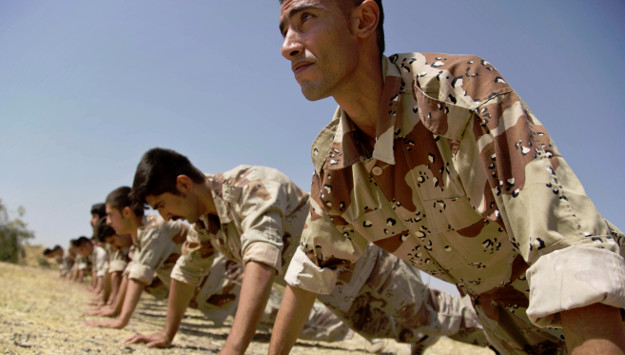
A commander of the Popular Mobilization Forces (P.M.F.) – the Iraqi paramilitary forces also known as Hashd al-Shaabi – has announced that the operation to liberate Tal Afar region in western Mosul will begin soon after the end of Ramadan.
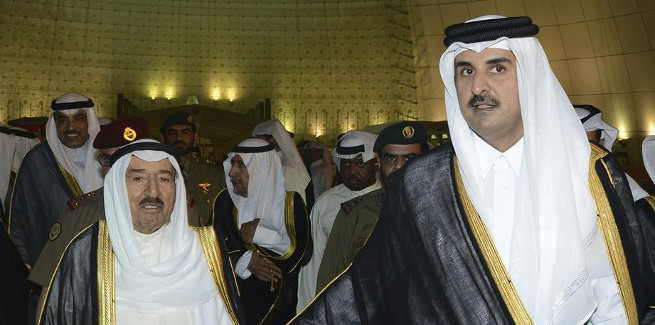
The ongoing Qatar crisis poses a major dilemma for Kuwait and Oman. Consistent with their “neutral” foreign policies, these two Arab Gulf states have maintained ties with Doha and seek to resolve the gravest internal Gulf Cooperation Council (G.C.C.) row since the organization’s establishment in 1981. Officials in Kuwait City and Muscat fear that failure to settle the Qatar crisis will break up the council, which would directly undermine vital Kuwaiti and Omani national interests given the potential for such a scenario to dramatically exacerbate regional geopolitical instability.
Khamenei to Abadi: Don’t Allow American Troops in Iraq and Keep Popular Forces
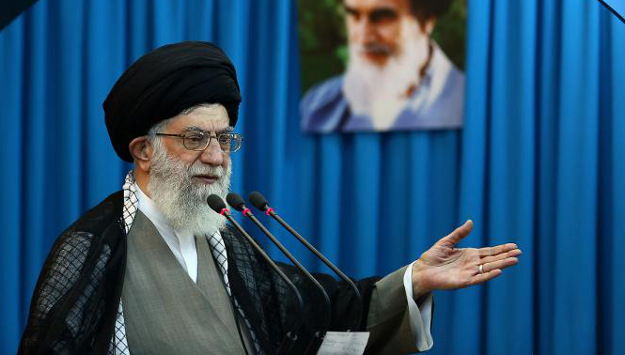
Iran’s Supreme Leader Ali Khamenei said Iran opposed the presence of American forces in Iraq and urged Iraqi Prime Minister Haider al-Abadi not to rely on Washington.