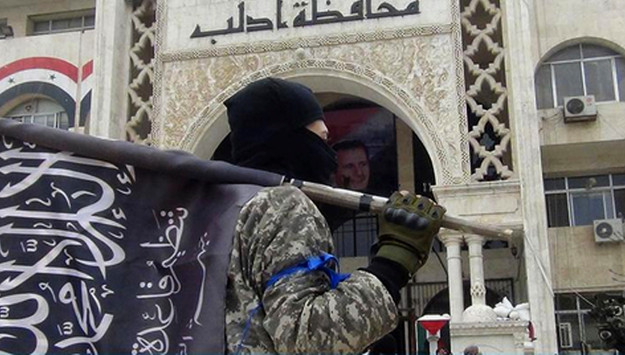
Monday Briefing: Erdogan Reaching Out to Russia; Update on Battle for Aleppo
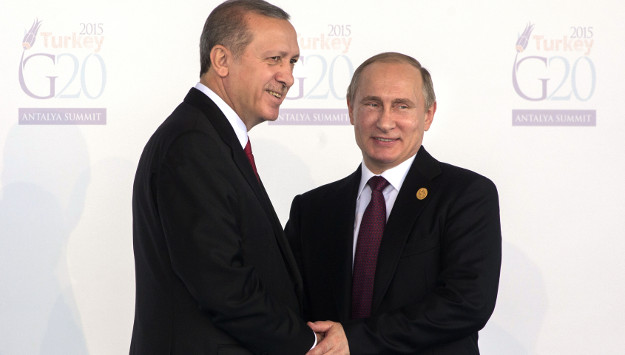
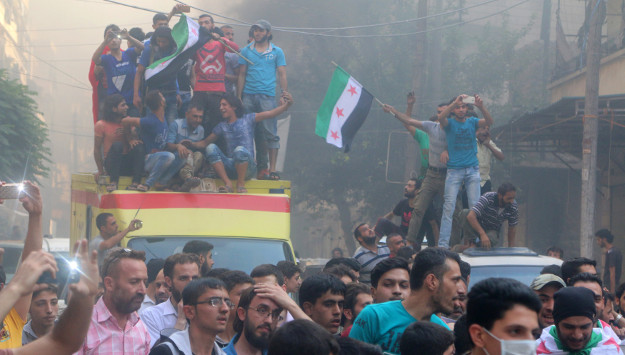
In this week’s Monday Briefing MEI experts provide analysis on recent and upcoming events including Turkish President Erdogan’s trip to Russia tomorrow, Iranian President Rouhani’s upcoming meeting with President Putin in Baku, the ongoing battle for Aleppo, strains in U.S.-Pakistan relations over the Haqqani Network, and what’s next for Tunisia’s political transition following the vote of no confidence in the current government.
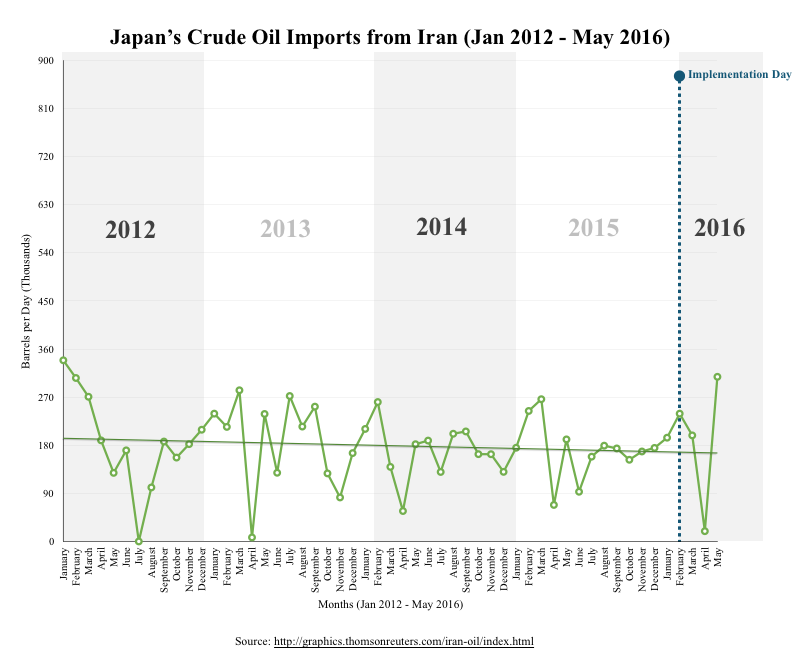
U.S.-European nuclear-related sanctions on Iran in 2011 resulted in a major reduction of Japanese crude oil imports from Iran, which were largely offset by increased purchases from other Middle Eastern producers. This pattern remained more or less intact through the end of 2015.[1]
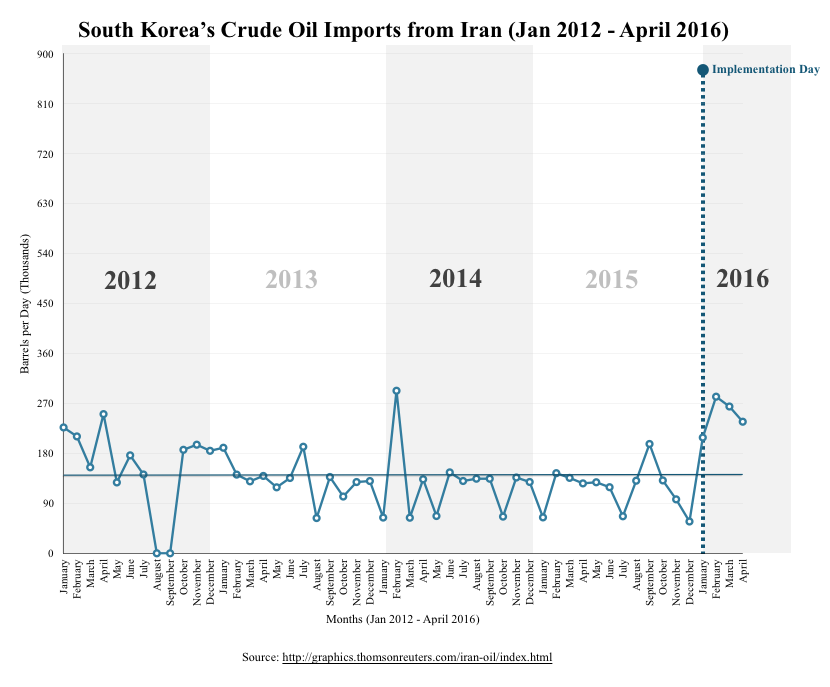
South Korea is the world’s fifth-largest crude oil importer and sixth-largest oil refining country. In June 2012, South Korea suspended all oil imports from Iran in response to a European Union insurance ban on tankers carrying Iranian crude oil.[1] South Korea subsequently obtained a waiver and resumed importing Iranian crude oil. However, the average annual volume of crude oil purchased by South Korea from Iran during the period 2012-2015 was 40% lower than in 2011.
Organizations working on disaster management need to find sustainable and scalable ways to mitigate the increased risks and to minimize the loss of lives and livelihoods when a disaster hits. This essay focuses on the role data plays in disaster management and on how innovations in this area can benefit humanitarian actors and can help them to transform the way in which they operate.
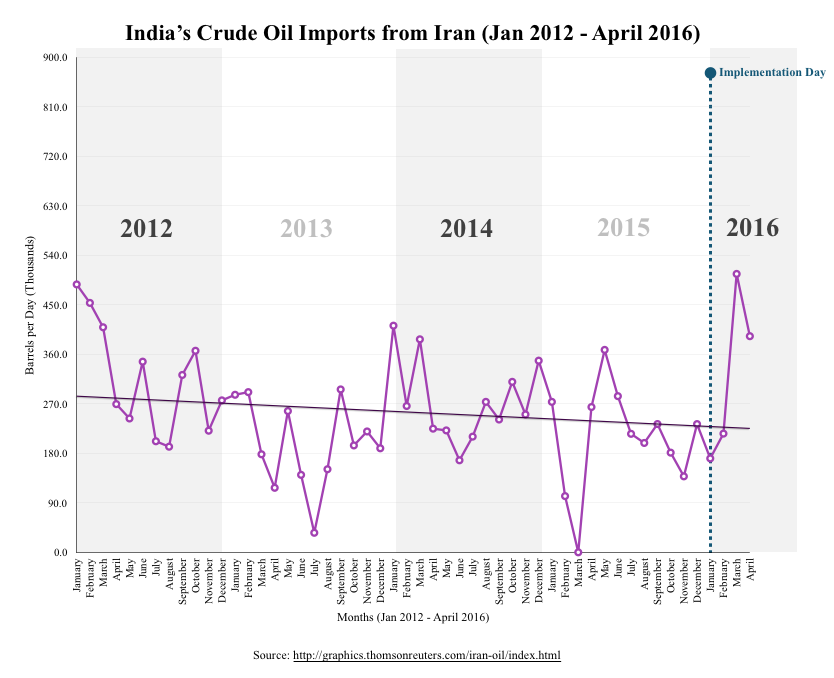
When U.S. and European nuclear-related sanctions against Iran took effect in 2011, India was compelled to reduce its crude oil imports from Iran and to diversify its sources of supply.[1] As a result, the country’s crude oil imports from Iran dropped by 1.33% and 37.81% in 2012 and 2013, respectively.
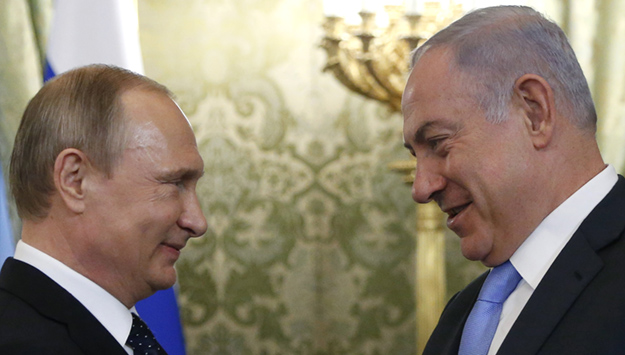
Israeli-Russian relations have attracted unusual levels of interest in recent months, against the backdrop of Russia’s military intervention in Syria and the unprecedented creation of a ‘de-confliction’ mechanism between the I.D.F. and the Russian forces. As is so often the case in today’s hyper-connected media and political environment, this small nucleus of reality was blown out of proportion and portrayed as nothing short of a strategic love affair.
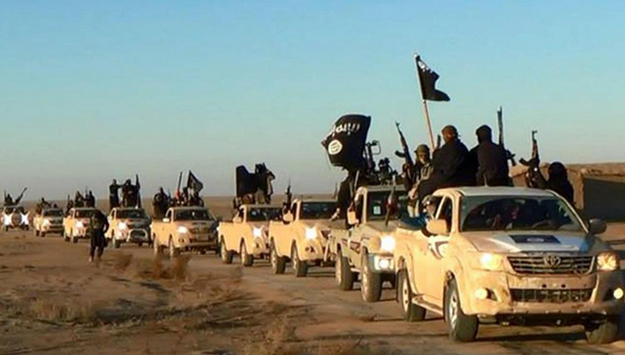
Even as ISIS forces are pushed further back behind their lines of greatest extent, a number of groups from around the world are eager to throw their loyalty behind the faltering so-called Islamic State. Groups like Boko Haram in Nigeria, al-Shabab in Somalia, and Islamic State in Libya have declared not only their support but their allegiance to the group.
The Rise of Islamism and Single-Party Rule in Malaysia
This essay demonstrates that beneath the surface is a tangle of festering problems that have contributed to the progressive alienation of elements within Malaysian society and rendered them susceptible to the appeal of transnational jihadist influences. The rise of Islamist radicalism is one of the more visible and worrisome signs of the erosion of the authority of Malaysia’s long-standing ruling party, the United Malay National Organization (UMNO).
Monday Briefing: The Battle for Aleppo, Turkey's Gulen Extradition Request, and IMF talks in Cairo
In this week’s Monday Briefing, MEI experts Charles Lister, Gonul Tol, and Paul Salem provide analysis on recent and upcoming events including the battle for Aleppo, Turkey’s extradition appeal for Fatullah Gulen, and IMF talks in Cairo this week on Egypt’s request for more than $12 billion in loans.