The Latest from Fatima Sadiqi
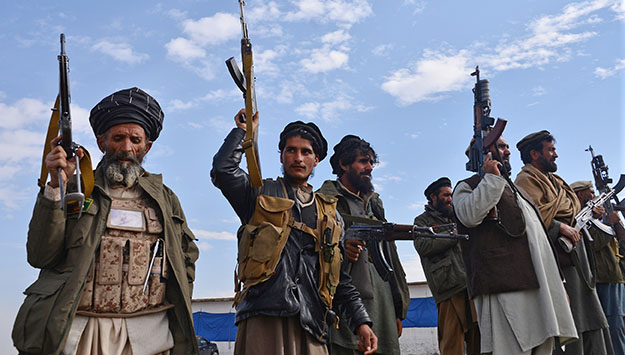
Examining the Islamic State's Threat to Afghanistan
Summary
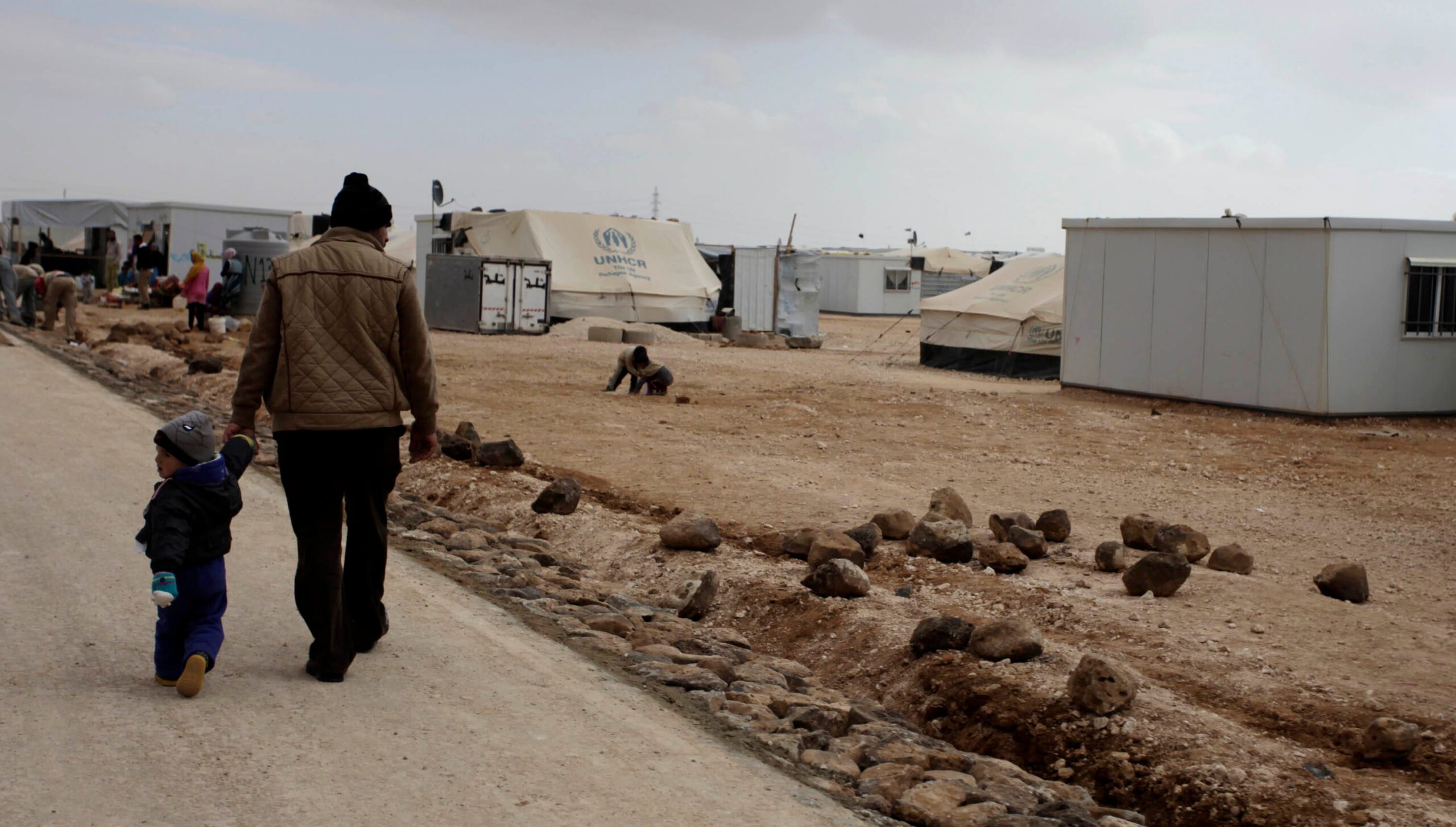
Jordan’s Syrian Refugee Economic Gamble
At a time when Arab governments across the region unveil grand economic reform ‘visions,’ Jordan has launched its own bold scheme to revive its faltering economy. Jordan is looking for a cure to what many Jordanians consider an economic burden: over 1.2 million Syrian migrants due to the war next door.
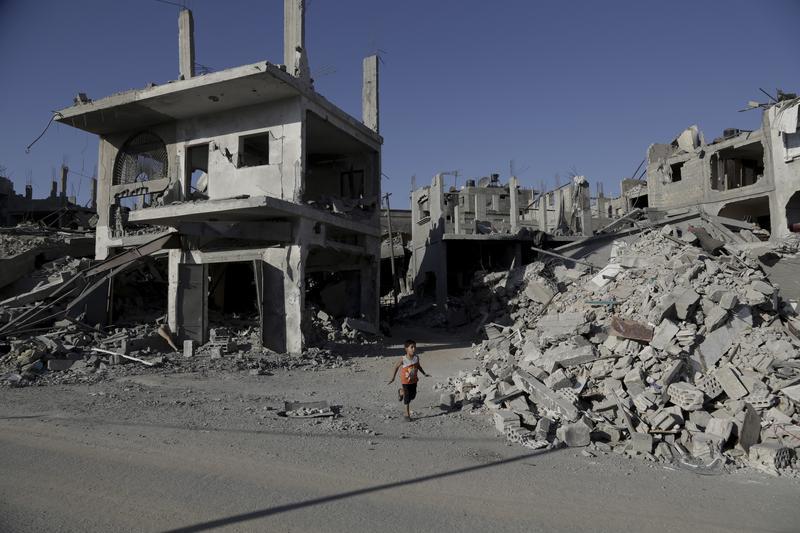
New Gaza War Inevitable without International Action
With the exception of the extremely slow reconstruction process of what was destroyed during the last Israel-Gaza war in the summer of 2014, the conditions that preceded that war remain in place. The Palestinian reconciliation process remains cosmetic, negotiations for a truce between Israel and Hamas that were supposed to resume under Egyptian auspices have stalled, and humanitarian conditions in Gaza are becoming increasingly dire. Without improvement on any of these issues, the risks for a new round of fighting remain high.
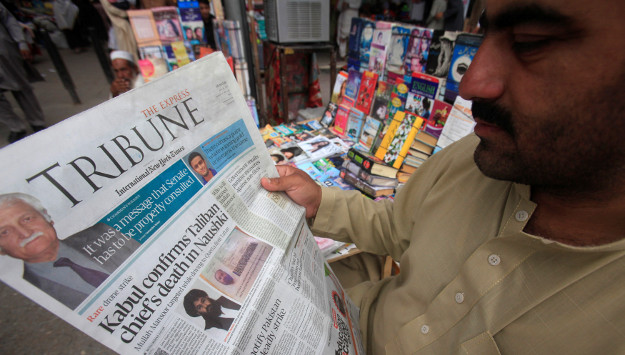
Monday Briefing: Afghan Taliban Leader Killed, Syria Bombings, and Iraq’s Intra-Shiite Feud
In this week’s Monday Briefing, MEI experts Marvin G. Weinbaum, Charles Lister, Hassan Mneimneh, and Paul Scham provide analysis on recent events including the killing of Afghan Taliban leader Mullah Akhtar Mansour, deadly blasts targeting regime-held territory in Syria, Iraq’s intra-Shiite feud, and Avigdor Lieberman’s appointment as Israel’s Defense Minister.
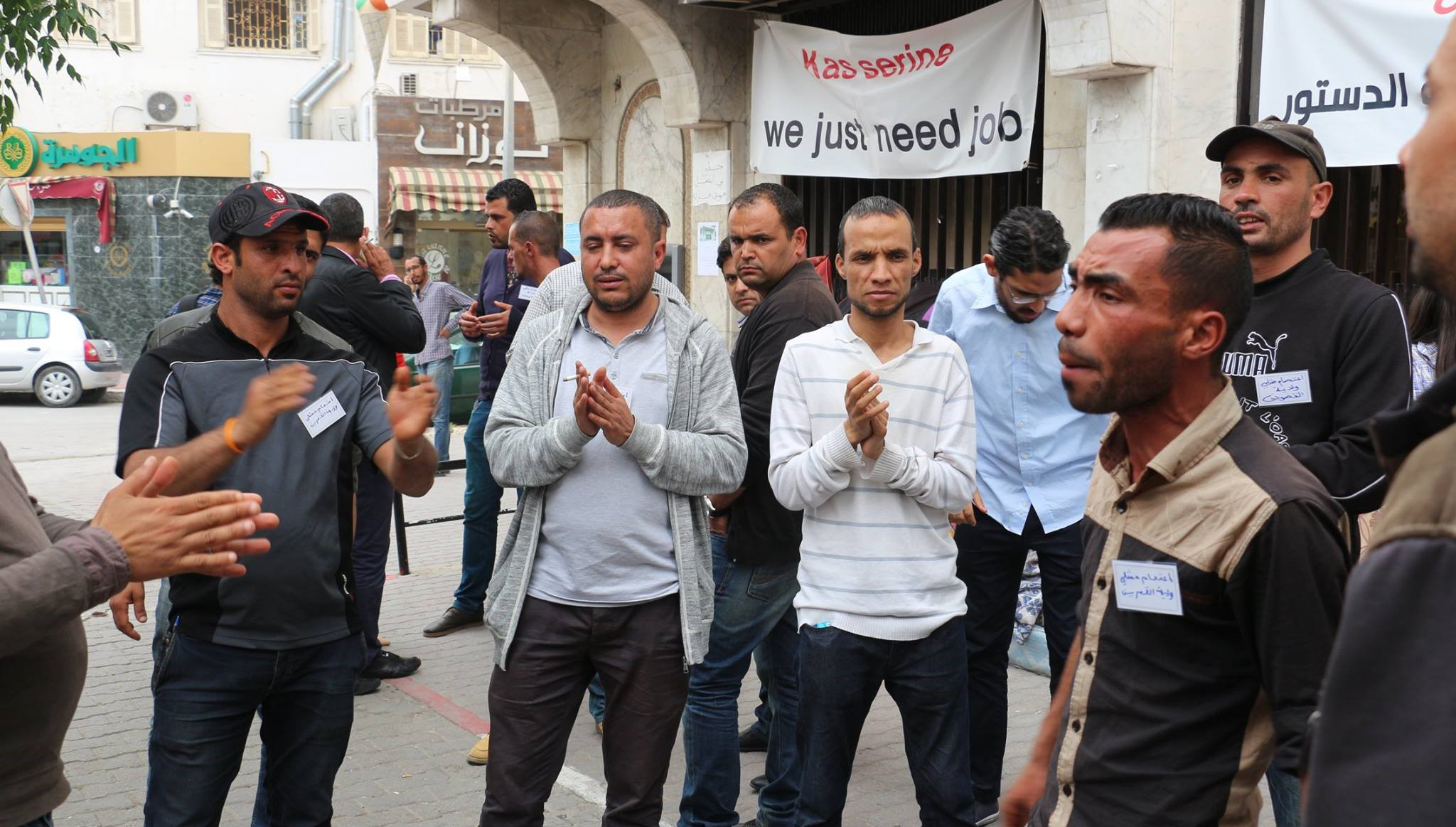
More Jobs, Higher Wages Essential for Tunisian Growth
U.N. Secretary-General Ban Ki-moon was in Tunisia last month to participate in the first round of the National Dialogue on Employment, which gathered 270 representatives of the government, political parties, unions, civil society and experts.. The participation of the secretary-general underscores the international importance of preserving Tunisia’s democratic gains, as well as the U.N.’s hope to offer Tunisia as a successful model of reform for the region.

The Potential for Intra-Regional Energy Cooperation
Regional Cooperation Series
This Policy Paper is part of The Middle East Institute’s Regional Cooperation Series. Throughout 2016, MEI will be releasing several policy papers by renowned scholars and experts exploring possibilities to foster regional cooperation across an array of sectors. The purpose is to highlight the myriad benefits and opportunities associated with regional cooperation, and the high costs of the continued business-as-usual model of competition and intense rivalry.
Summary

Top 10 Arab Movies of All Time at Cannes
In their dissection of this year’s Festival de Cannes, analysts have noted the glaring absence of the most pertinent theme in present French debates: the relation of France to the Arab world following the Paris terror attacks last November. Cannes remains an exclusive club, restricted to the world’s most prominent filmmakers, the majority of whom are Cannes alumni—Ken Loach, Olivier Assayas, Pedro Almodóvar, Cristian Mungiu, and so forth. The various sidebars of the fest have made up for this omission, featuring ten pan-Arab films mostly by second-generation French Arabs.
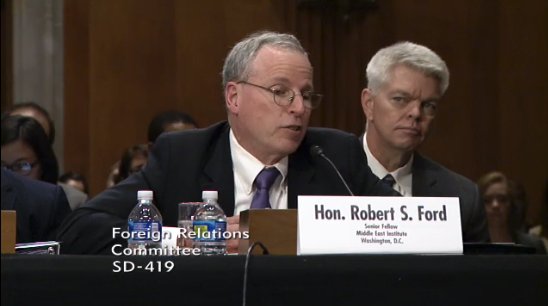
War in Syria: Next Steps to Mitigate the Crisis
The following testimony was delivered before the Senate Foreign Relations Committee on May 17, 2016. Find more information about the hearing, including video, here.
Mr. Chairman, Ranking Member Senator Cardin, other distinguished members of the Committee, thank you for the invitation to speak before the committee today about what new steps can be taken to mitigate the crisis in Syria. It is an honor to appear before you again.
ISIS in Southeast Asia: Internalized Wahhabism is a Major Factor
The internalization since the 1970s of the Wahhabi brand of Salafism among Southeast Asian Muslims is the major factor behind this apparent shift towards a more radical worldview. The relatively low level of concern over rising Islamist extremism among Indonesian and Malaysian Muslims indicates a worrying institutionalization of radical interpretations of Islam in the general Islamic landscape of both countries. Countering Salafization is rendered difficult by the fact that influential Muslim personalities and elements within Muslim-majority states have themselves embraced aspects of Wahhabism. Between Wahhabism and ISIS, which is but its violent manifestation, lies a short and slippery slope.
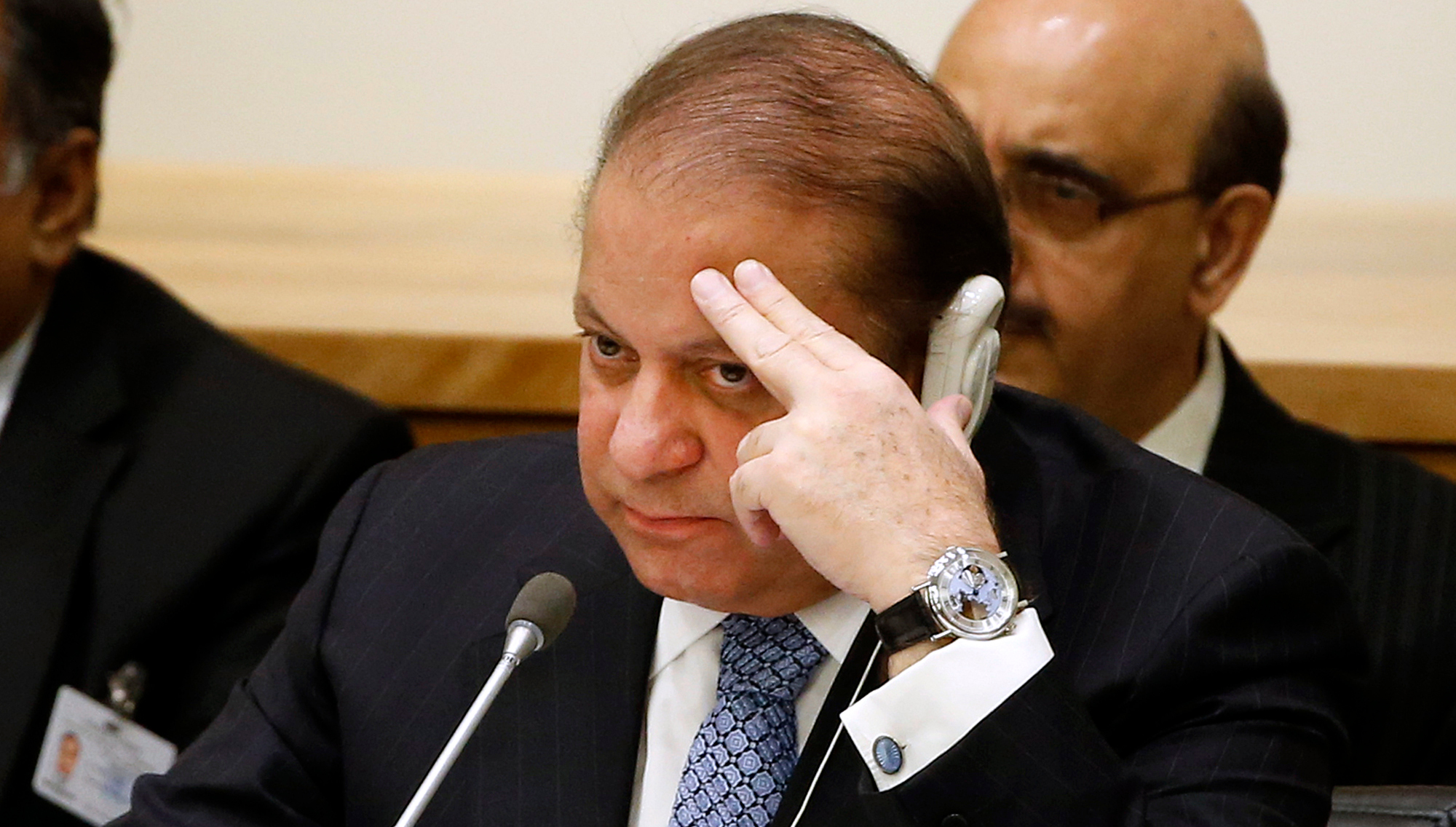
Fallout in Pakistan from the Panama Papers
The aftereffects of the Panama Papers’s leak continue to linger in Pakistan, and their damage only seems to grow worse. Over the next several weeks, there is the possibility that the disclosures may usher in a major political crisis. Prime Minister Nawaz Sharif is being asked to account for the sources of income that have allowed his family members to buy expensive property in London. At issue is whether these individuals have used offshore companies to avoid paying taxes against their property.
Obama Not to Blame for Region’s Failures
This paper is part of a MEI scholar series titled “The Middle East and the 2016 Presidential Elections.”
Philip Gordon, a former Middle East policy adviser in the White House, likes to say that President Barack Obama learned three lessons from the region’s unending turmoil.
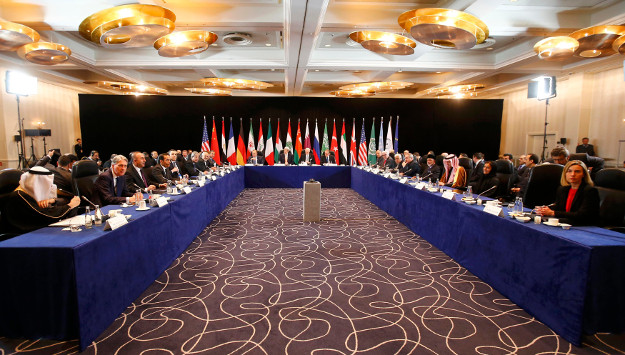
Monday Briefing: International Syria Support Group, Mustafa Badreddine, Global Refugee Summit, and India's Modi to Visit Iran
In this week’s Monday Briefing, MEI experts Robert S. Ford, Randa Slim, Paul Salem, and Alex Vatanka provide analysis on recent events including Tuesday’s meeting of the International Syria Support Group in Vienna, the death of Hezbollah senior leader Mustafa Badreddine, the global Refugee Summit to be held in Istanbul, and Indian PM Modi’s upcoming visit to Iran.
Clovis Maksoud, 1926-2016

Clovis Maksoud, a diplomat, writer, intellectual, professor, and a familiar figure in Washington since the 1970s, has passed away at the age of 90.



