The Latest from Fatima Sadiqi

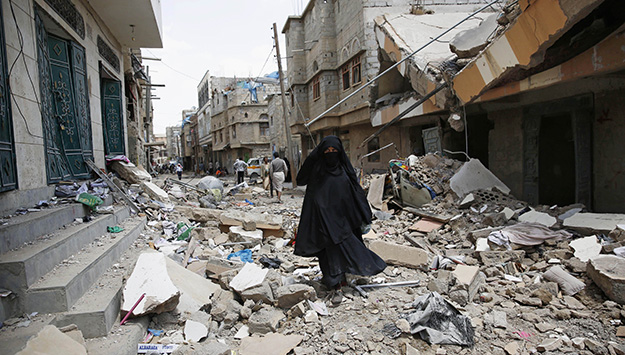
The Sectarian Crisis in Yemen: Damage from a Divisive Storm
The military campaign called Operation Decisive Storm pits Saudi Arabia and most of the GCC states, along with the United States, Britain, Egypt, Jordan, Pakistan, and several other minor players, against the Houthis in Yemen, which possess only moral support from the real target in this proxy war, Shi‘i Iran. How did such a lopsided war come about? Why has Yemen become the new battleground in a Sunni-Shi‘i fault line emerging as an ideological rival to the Cold War mentality that saw Soviet communism versus Western capitalism? What precisely is this sectarian crisis all about?
No Winners in Yemen
Hadi flip-flopped again. On Thursday, September 10, Yemeni President Abdu Rabbu Mansour Hadi announced that the government would meet with the Houthi rebels directly and without any conditions at the UN-sponsored negotiating table. As the military buildup for the assault on Sana reaches its final stages, Hadi’s announcement came with a sense of relief that Sana, having endured six months of bombardment from the Saudi Air Force, would be spared a ground assault. But two days later, Hadi reversed and
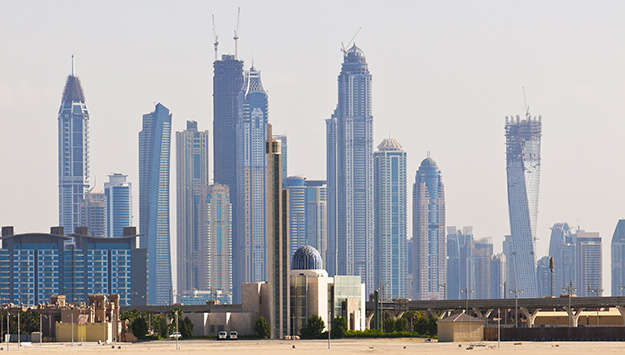
The UAE and Foreign Aid: Supportive Government, Supportive Citizenry
A recent Ipsos poll asked citizens of the world’s 17 countries that give the most foreign aid their opinion regarding this assistance. The UAE, a small state, has for some time used its petroleum wealth to exert large-state influence in multiple arenas. Its generous foreign aid program is part of that effort.
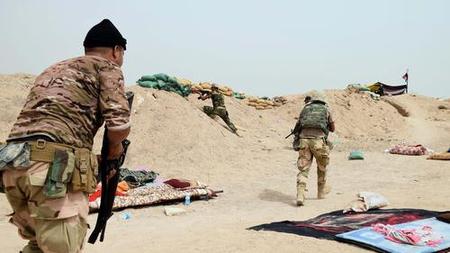
Iraq, Turkey, and the U.S.: Strengthening the Anti-ISIS Coalition
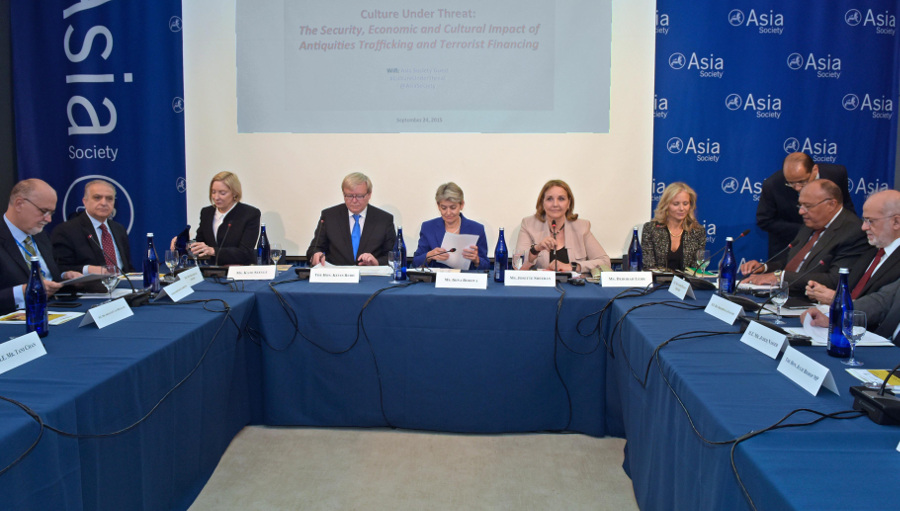
Global Leaders and Antiquities Community Join to Fight Trafficking and Terror Financing
(NEW YORK) – At the Culture Under Threat forum held at the Asia Society headquarters in New York on Sept. 24, foreign ministers and senior government officials from around the world joined leaders of arts institutions, archaeological associations, and experts in terrorism to stop the looting and trafficking of antiquities, and halt a major source of funding for terrorism.
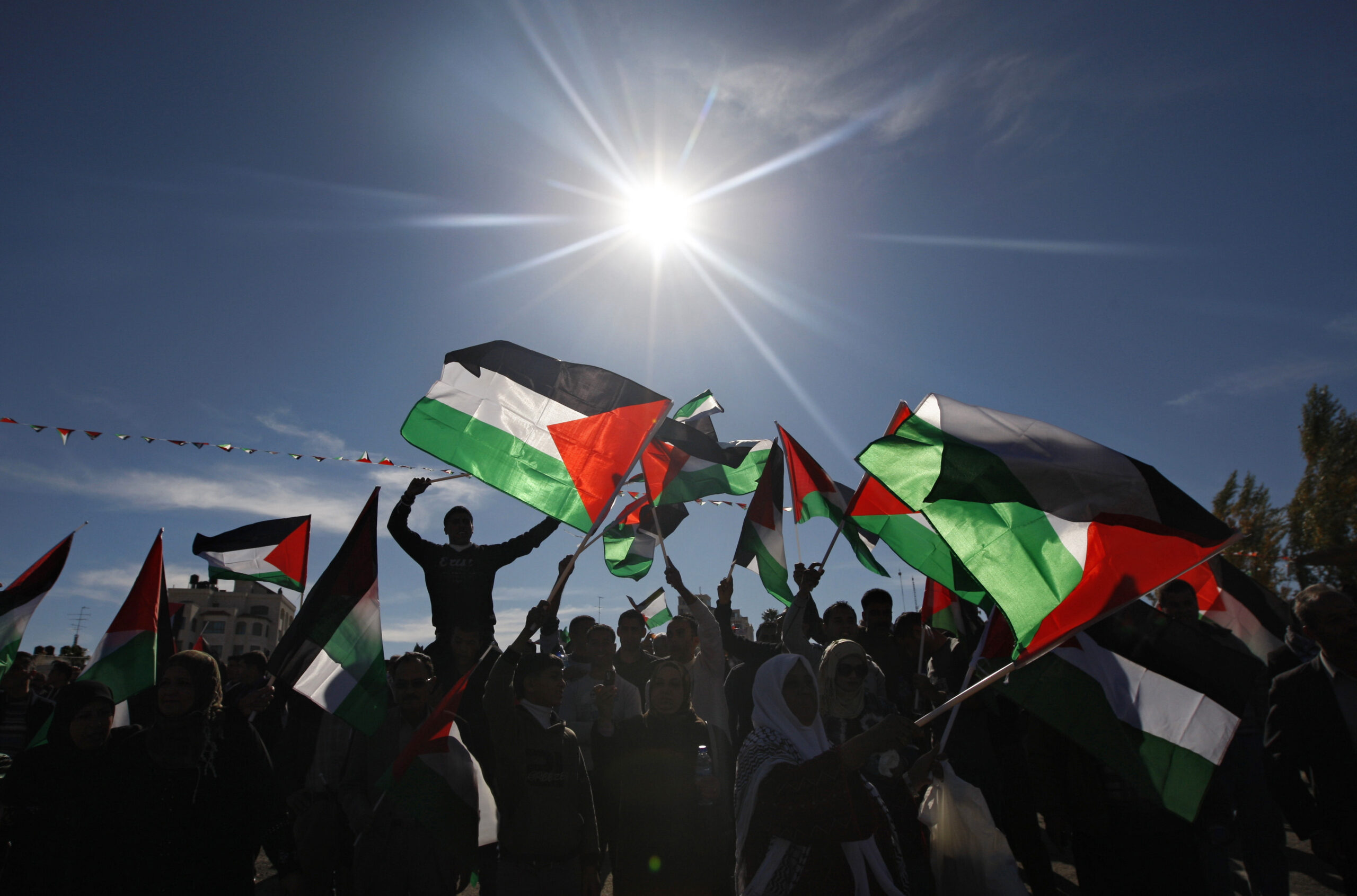
Palestinian Politics and Strategy in Challenging Times
The Gender Gap in Political Participation in North Africa
Women’s marginalization from transitional elections, as illustrated in the Arab Spring revolutions in North Africa, is not without consequences. It can impact representation of women’s issues, service provision to women, and electability of female candidates, only further exacerbating the structural marginalization of women.
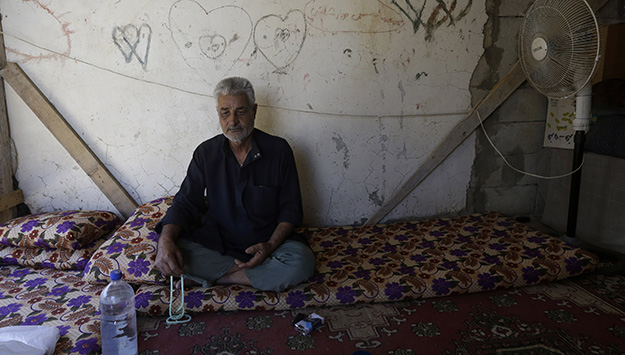
Addressing Mental Health Needs among Syrian Refugees
Sana managed to escape the violence in Syria by making her way to Lebanon, but now she is alone and suffering from mood swings. She is battling eviction threats from her landlord due to her disruptive and erratic behavior. Mahmoud, another Syrian refugee in Jordan, is experiencing increasing feelings of depression, worried that he can no longer provide for his wife and three children, two of whom have learning disabilities.
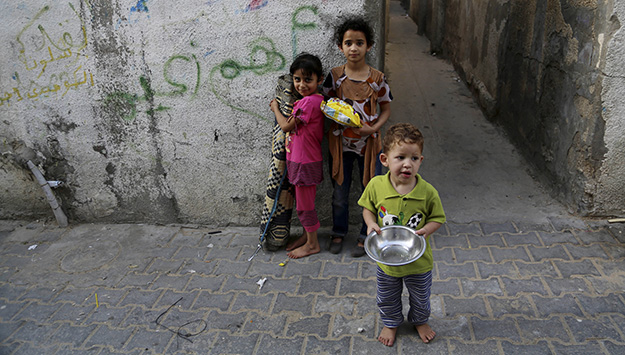
Gaza: A Cautionary Refugee Lesson
While the international community focuses on the latest refugee crisis fomented by the cascading calamities now engulfing the Middle East, Gaza—home to the region’s first permanent refugees—offers a cautionary lesson about the costs of man-made hardship and instability.
The UN recently reported that the infant mortality rate in the Gaza Strip has increased for the first time since Israel occupied the area in June 1967, in part because of the draconian restrictions on Gaza trade imposed by Israel and Egypt during the last decade.
Political Polarization, Transition, and Civil Society in Thailand and Malaysia
On June 17, 2015 Malaysia’s opposition coalition, Pakatan Rakyat, collapsed as a result of a growing ideological divide between two of the three main parties in the coalition, namely the Pan-Malaysian Islamic Party (PAS) and the Democratic Action Party (DAP).
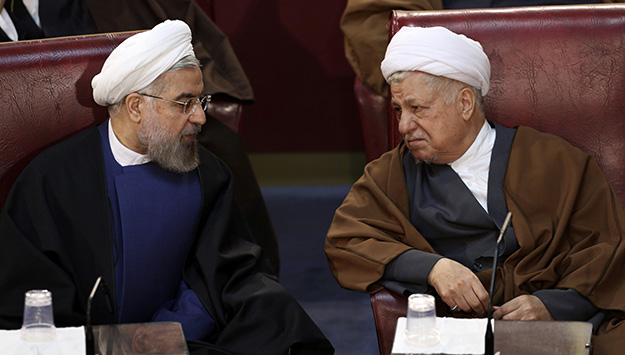
The Saudis and Iran’s Moderates
Looking to capitalize on the momentum from the July 14 nuclear deal, the moderate government of Iranian President Hassan Rouhani is now seeking ways to reduce tensions with its regional rivals, particularly Saudi Arabia. This is no small task. Not only must Rouhani convince his domestic critics that mending ties with their arch rival is in Iran’s interest, but he must also get a read on Riyadh’s new leader, King Salman, and the ruling elite.
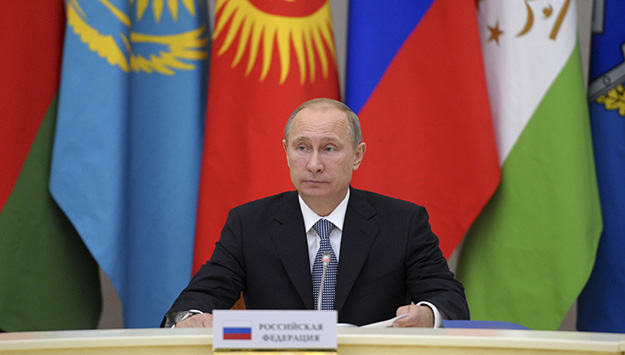
Putin Comes to Syria: Contexts and Consequences
The Russian escalation in Syria will create a flurry of diplomatic activity to find a political solution to the Syrian crisis and a fresh attempt to confront ISIS in Syria, but the conditions for success on both fronts are still absent. The intervention is likely to lead to further escalation of the conflict with no resolution of the political or security stalemates.
Furthermore, Russian President Vladimir Putin’s move into Syria is the result of a number of factors and will have far-reaching consequences at the international, regional, and local levels.
In Turkey, Rolling Back Protections for Women
Tens of thousands of women, angry at what they say is the government’s latest step to “Islamify” Turkey, recently signed a petition against the rise of religious marriages in lieu of civil unions.
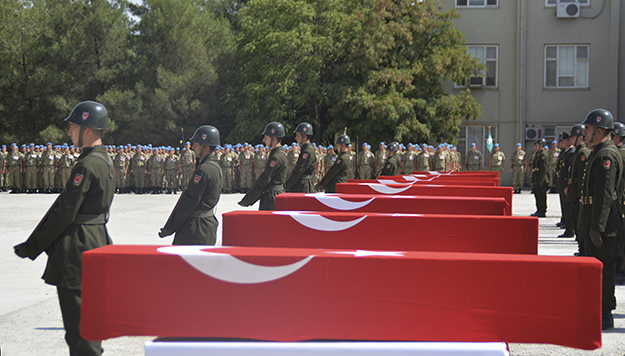
Turkey’s Risky War with the Kurds
With less than two months left until the parliamentary elections in November, Turkey is engulfed in deepening chaos and growing violence. The peace process between Turkey and the PKK that began in 2013 collapsed in July when the PKK killed two Turkish policemen it believed were linked to the Islamic State. The PKK attack was in retaliation for an Islamic State bombing that killed 32 student activists at Suruc on their way to Kobani.



