Deradicalization Programs and Counterterrorism: A Perspective on the Challenges and Benefits
This paper is part of a series, titled “Understanding Deradicalization: Pathway to Enhance Transatlantic Common Perception and Practices.” Click here to view the full series, or navigate using the table of contents to the right.
Understanding Deradicalization: Pathways to Enhance Transatlantic Common Perceptions and Practices
The Middle East Institute and the Fondation pour la Recherche Stratégique (Paris, France), with support from the European Union, undertook the project entitled “Understanding Deradicalization: Pathways to Enhance Transatlantic Common Perceptions and Practices.” The goal of this project is to compare and analyze transatlantic practices in developing and implementing preventative interventions to minimize violence and the spread of radicalized and violent groups.
Deradicalization Programs in Saudi Arabia: A Case Study
This paper is part of a series, titled “Understanding Deradicalization: Pathway to Enhance Transatlantic Common Perception and Practices.” Click here to view the full series, or navigate using the table of contents to the right.
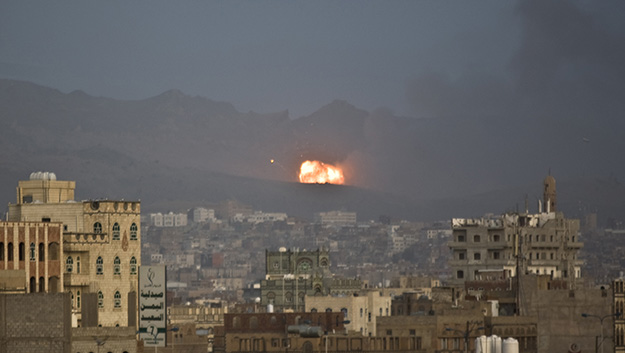
Negotiating Yemeni Peace: Deep Divisions and Hard Realities
After initially rejecting the UN call for talks, the Saudi-backed Abdu Rabbu Mansour Hadi faction reversed its position and agreed to meetings in Geneva on June 14.
June 8, 2015 – Gonul Tol, director of the Center for Turkish Studies at The Middle East Institute, discusses the reactions to Turkey’s June 7 elections, and what the setback for the ruling AK party and President Erdogan means for Turkey’s domestic policy agenda and its relations with the United States.
Iran offers a unique platform for China’s ambitions in the Middle East, and as such Beijing is willing to bet that the benefits of closer ties with Tehran will outnumber the costs. This analysis examines the calculations China is making regarding its relationship with Iran and argues that deepening bilateral ties reveal the centrality of Iran for China’s Middle East strategy.
Chinese Soft Power and Dubai’s Confucius Institute
The Confucius Institute of the University of Dubai is housed in a building named Masaood, a tall structure found off a dusty roundabout about two miles west of the airport. On the day I visit, the UAE is observing National Day, and near the building’s entrance Emirati flags wave in wind smelling of the grilled meat being served as part of a nearby celebration. Up on the fifth floor, where the Institute is housed, signage is in both Arabic and Chinese. Students learn various levels of Mandarin in pristine classrooms.
Be Careful What You Wish For: A Security Council Resolution on Palestine Might Come True
For the first time in decades absolutely nothing is happening on the Israeli-Palestinian diplomatic front. There is no agreed-upon structure for diplomatic engagement under U.S.—or anyone’s—guidance. Moreover, there is an international consensus that includes the United States that doubts, with good reason, Prime Minister Benjamin Netanyahu’s commitment to a two-state solution.
On June 7, Turks will choose a new parliament. This decision will be the most important one for Turkey in 70 years, since the advent of multi-party elections in 1945. The election at heart is about religion, as it brings Turkey to the brink of becoming a republic dominated by the religious convictions of its current leadership. If the ruling Justice and Development Party (AKP) wins a 60 percent majority of parliamentary seats, democratic choice will likely yield to the dogma of faith.
Can Kabul and Islamabad Cooperate Effectively on Counterterrorism?
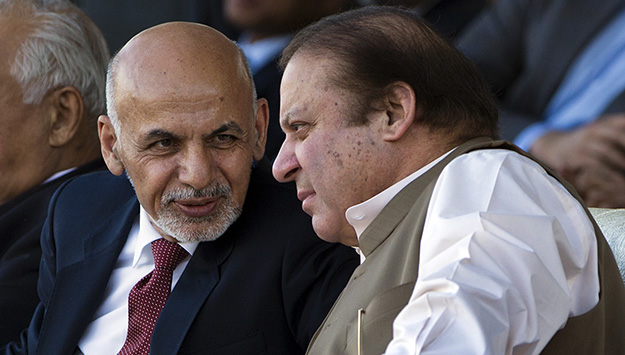
Soon after Ashraf Ghani and Abdullah Abdullah formed a unity government in Afghanistan in September 2014, there were signs of rapprochement between Kabul and Islamabad. When President Ghani visited Pakistan in November, he went to the army’s headquarters in Rawalpindi and laid a wreath at the monument to the country’s fallen soldiers—an indication that the Kabul government had come to an understanding with the Pakistani army, which controls the country’s Afghan policy.
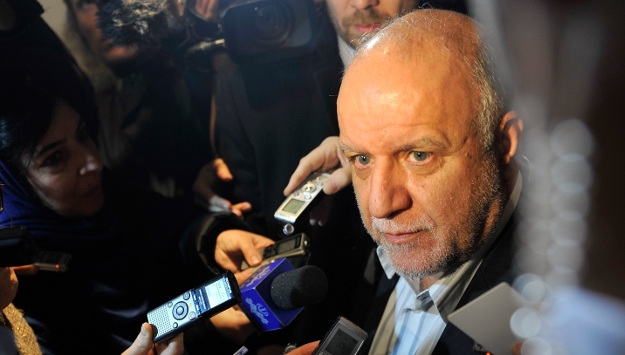
As the June 30 deadline for a nuclear deal between Iran and the P5+1 approaches, the world is eagerly following the fortunes of political moderate figures in Tehran. Can the Cabinet of President Hassan Rouhani overcome any last-minute roadblocks put up by hardliners in either Tehran or in Washington? One member of Rouhani’s cabinet, Minister of Petroleum Bijan Namdar Zangeneh, is arguably more vested than anyone else in hoping for a positive result from the talks. …
Turkey’s General Elections 2015: High Stakes at Home and Abroad
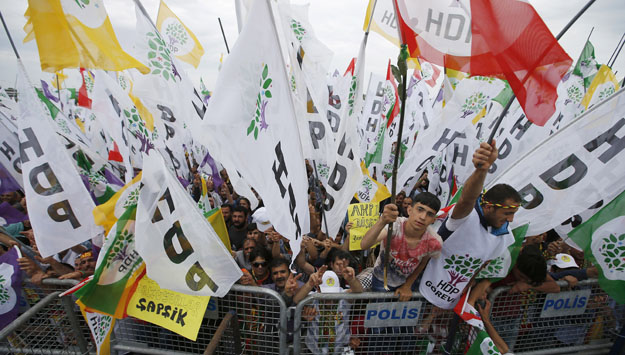
Turkish citizens are going to the polls on June 7 to elect the next government that will rule the country until 2019. With an ongoing peace process with the Kurds, a stumbling democracy, an economic recession on the horizon, the prospect of constitutional reform, a stalled EU accession process, tension in Turkey-U.S. relations, and a region engulfed in chaos, the stakes have not been higher.
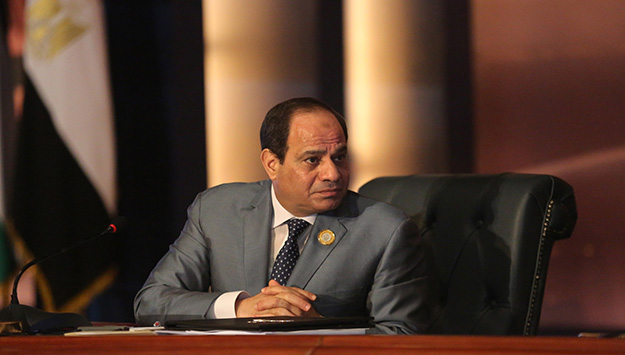
In the year since being elected to the presidency, Abdel Fattah el-Sisi has consolidated a ruling coalition, restored economic growth, and brought back considerable stability to the country after four years of turmoil. But this has come with a harsh crackdown on dissent, a decline in freedoms and human rights, and abuses by the police and judiciary. In the short term, the combination of nationalism, modest economic growth, and highlighting the war on terror is politically sustainable among a broad cross section of the population frustrated by years of uncertainty and economic decline.