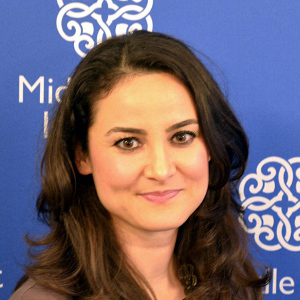
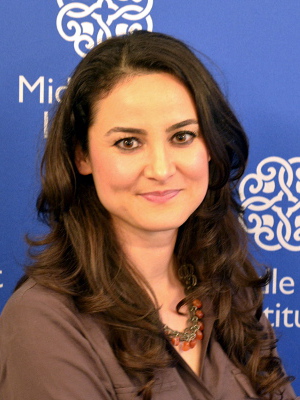
Gönül Tol is a senior fellow at the Middle East Institute (MEI), where she focuses on Turkish politics, US-Turkey relations and regional dynamics in the Middle East.
A frequent commentator, Dr. Tol has written extensively on Turkish domestic and foreign policy for publications such as Foreign Affairs, The New York Times, Foreign Policy, and TheFinancial Times. Her articles include “Turkey Is Now a Full-Blown Autocracy” in Foreign Affairs (March 2025), “The Indispensable Erdogan” in The New York Times and “Erdogan Sees Nothing But Opportunity in Syria” in TheFinancial Times (December 2024).
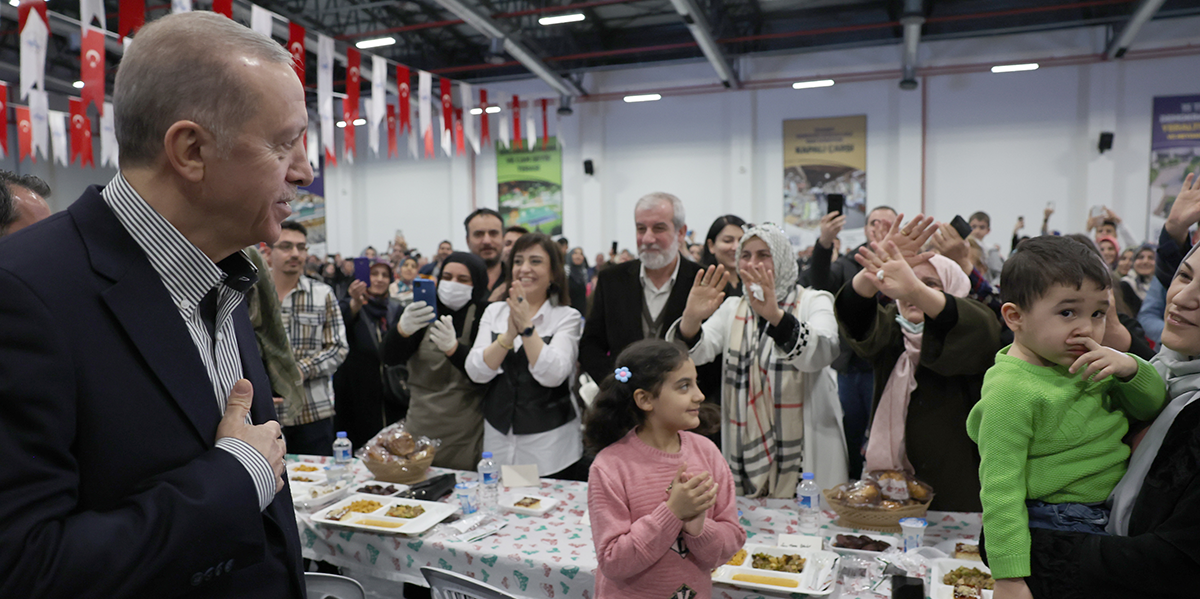
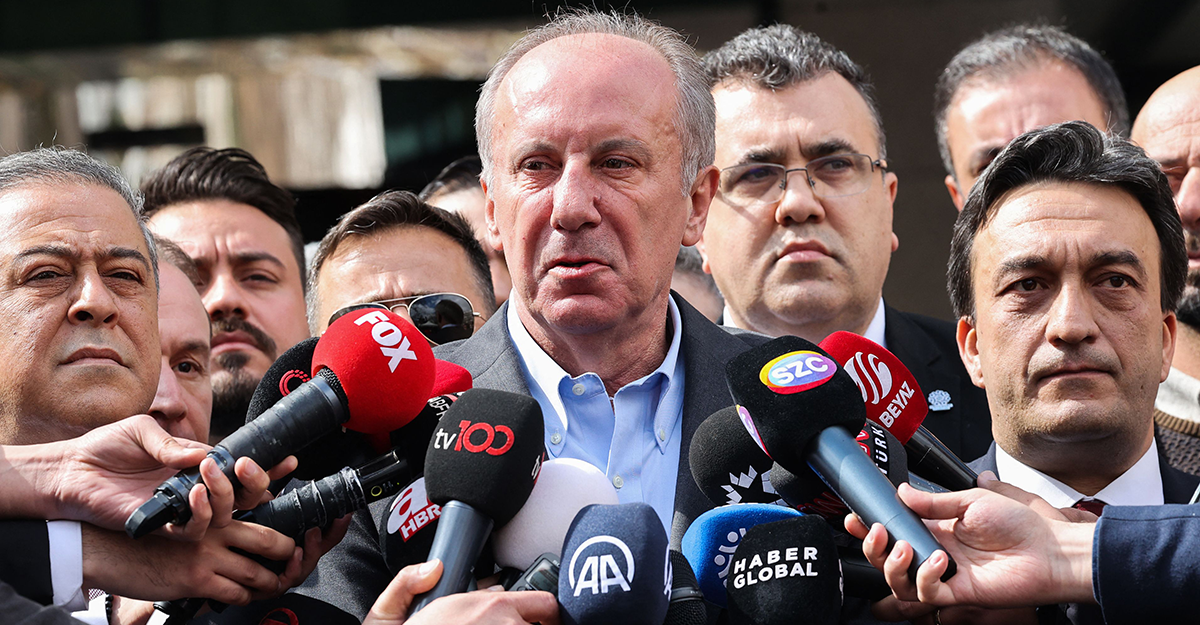
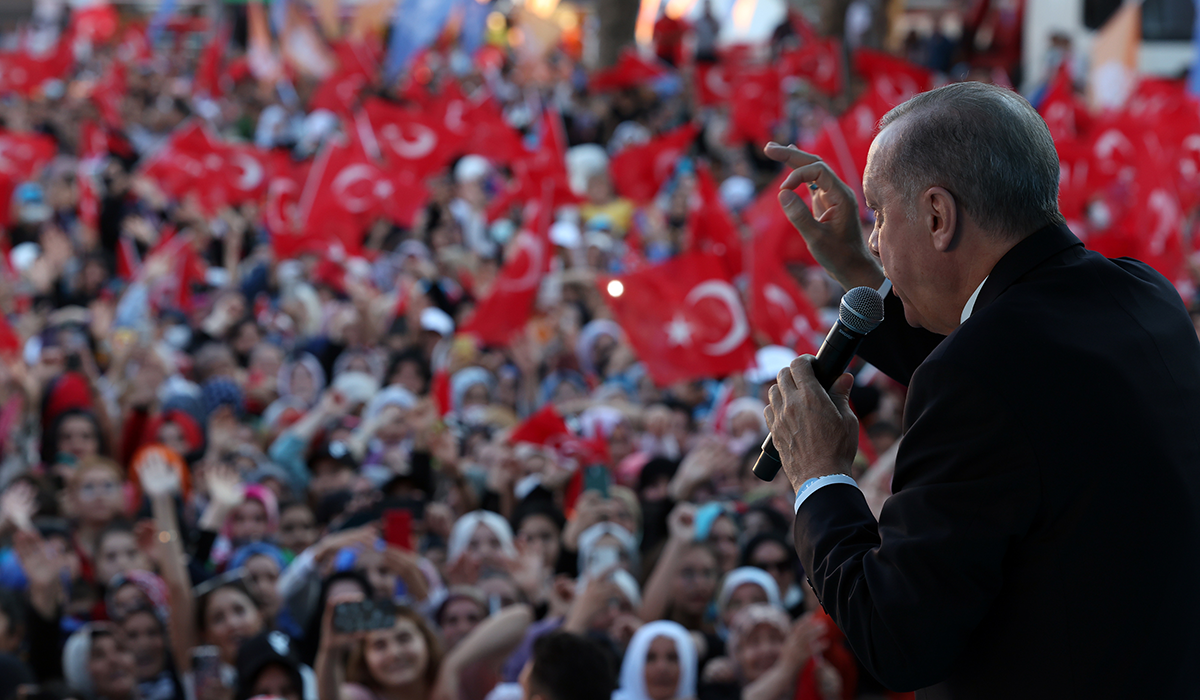
Catch up with the latest developments about Turkey’s May elections with weekly updates from MEI’s Turkey Program. In this week’s installment of Turkish Election Watch: Erdoğan launches his re-election campaign, Kılıçdaroğlu announces pledges for the first 100 days, and İnce’s difficult week.
Turkish Election Watch: The Week of March 26-April 2
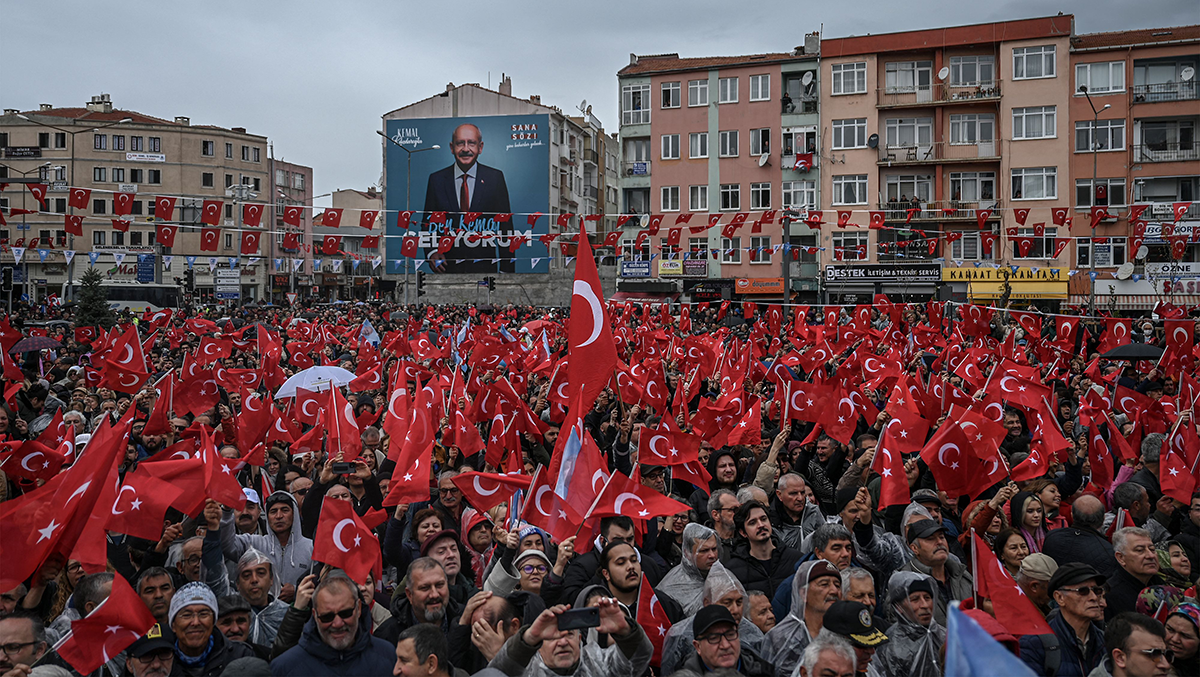
Catch up with the latest developments about Turkey’s May elections with weekly updates from MEI’s Turkey Program. In this week’s installment of Turkish Election Watch: It’s officially a four-candidate race for the presidential election, Kılıçdaroğlu meets with İnce, Kılıçdaroğlu receives a warm welcome in an Erdoğan stronghold, and Bahçeli makes an unexpected move.
Turkey’s "Gandhi" sets his sights on strongman Erdoğan
The earthquake seems to have damaged the charismatic populist’s image. And voters may finally be ready for an uncharismatic man who promises to put things in order.
How corruption and misrule made Turkey’s earthquake deadlier
Turkish President Recep Tayyip Erdoğan hollowed out state institutions, placed loyalists in key positions, and enriched his cronies — paving the way for this tragedy.
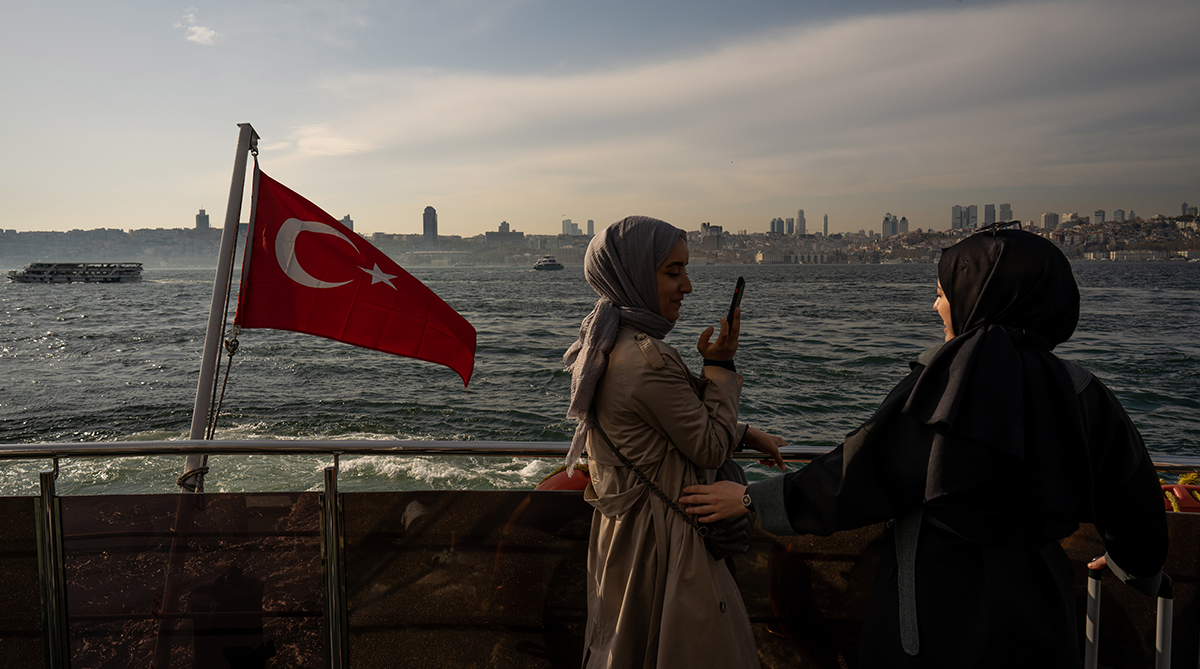
Up for debate again: Politics and the headscarf in Turkey
On Sept. 30, 2013, then Prime Minister Recep Tayyip Erdoğan announced what he termed a “democratization package,” which lifted the decades-old ban on women wearing headscarves in many state institutions. A month later, when four female MPs wearing headscarves walked into the Turkish parliament, many thought the long-running controversy on the issue was finally over. But the headscarf recently returned to the center of the Turkish political debate when the leader of the main secularist opposition party, Kemal Kılıçdaroğlu, announced that he would introduce legislation to protect that right.
Turkish Views: Crisis and Opportunities for Turkey in 2023
As the Turkish Republic enters its centennial year, it seems to be at an inflection point. What has been the impact of the AKP’s rule and how might the opposition change Turkey’s direction if they manage to come to power? In this series of papers, seven prominent Turkish scholars weigh in on these questions, thinking about this from a wide variety of perspectives and focusing on a range of specific fields of policy, explaining how we got to the current juncture and where Turkey might go from here.