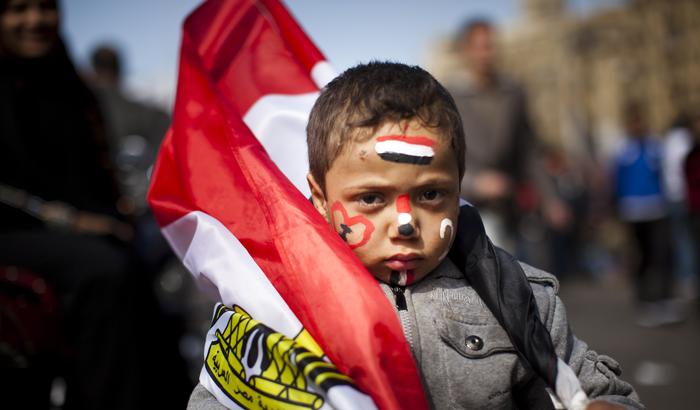
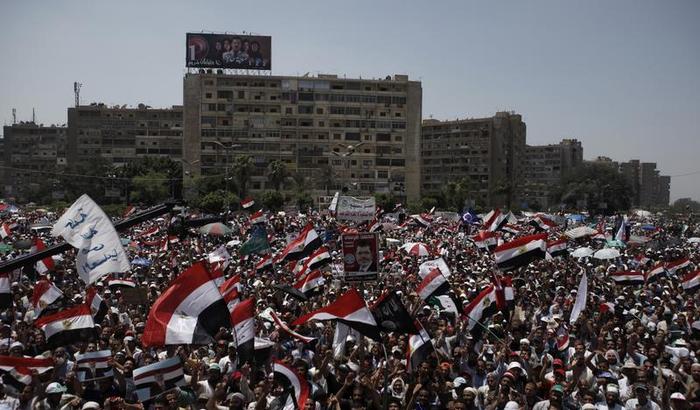
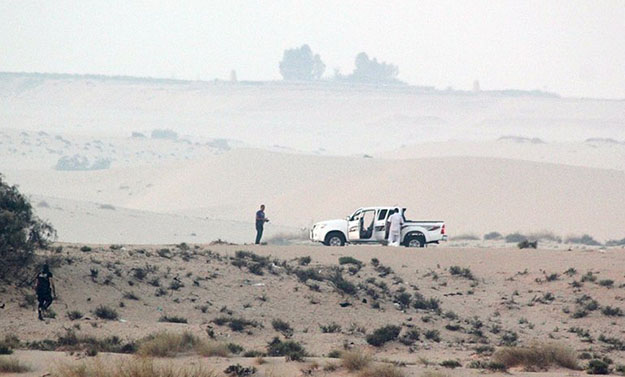
Much of the analysis on the causes for the military’s ouster of Mohamed Morsi focuses on the Muslim Brotherhood’s performance, or lack thereof, in domestic affairs. Glaringly absent, however, is an examination of the preeminence of Sinai in the military’s decision to intervene in otherwise civilian political disputes between the burgeoning liberal parties and the veteran Muslim Brotherhood and its Islamist allies.
Gulf Governments Offer Financing for U.S. Strike on Syria
Like pieces fitting together in a jigsaw puzzle, Arab governments – presumably from the oil-rich Gulf Cooperation Council – offered to finance a U.S. military strike on Syria, according to comments made by Secretary of State John Kerry during testimony September 4 with the House Foreign Affairs Committee. In an exchange with Representative Ileana Ros-Lehtinen (R-FL) on the potential cost of U.S. military action in Syria, Kerry said,
The Lessons of Benghazi: One Year Later, Never More Urgent
The situation in Libya one year after the attack on the U.S. Special Mission in Benghazi on September 11, 2012 is chaotic, dysfunctional and disheartening. It remains not as abjectly horrible as it could be—the General National Congress did this summer finally approve a framework (however imperfect) for electing a constitutional assembly, and UN-backed efforts are under way to create an unofficial dialogue of national reconciliation—but these advances paper over ever-deeper failings, many of which were not inevitable.
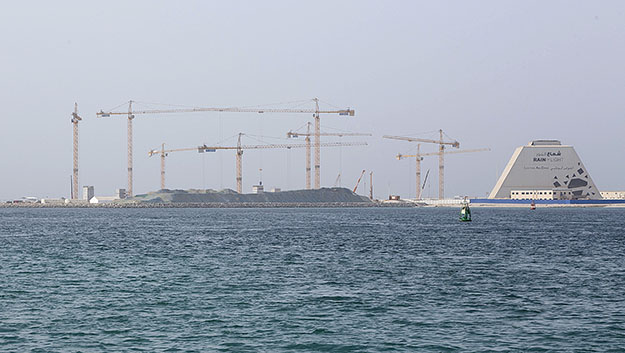
“Open Doors; Open Minds”—the tagline of the Sheikh Mohammed Center for Cultural Understanding (SMCCU), a non-profit organization advocating awareness and understanding among the various cultures that live in Dubai—epitomizes Dubai’s emergence as an international trade and transit hub as well as a place of cultural symbiosis that hosts diverse nationalities from almost all corners of the globe.
Egyptians call their desert country “the protected” (al-mahrousa) in homage to its longevity and the idiosyncratic features that have consistently saved it from destitution: a geostrategic location, Nile-fed farmland, and a stunning array of in situ antiquities. While much has remained unchanged in Egypt since the 2011 uprising, including the authoritarian nature of its government, alarming quantities of the country’s precious agricultural and archeological land have been vanishing to make way for cheaply-built homes of low-income citizens.
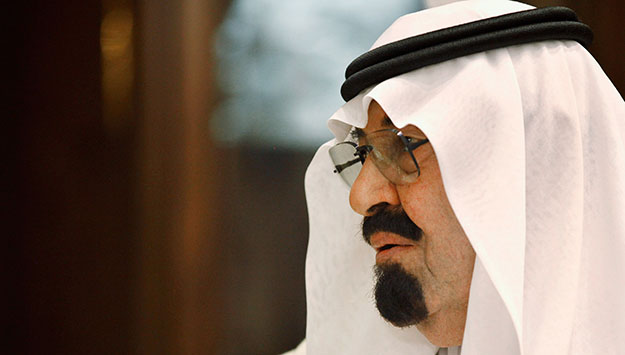
When King Abdullah of Saudi Arabia and his foreign minister, Prince Saud al-Faisal, issued unequivocal pledges of support for Egypt’s military government and its crackdown on the Muslim Brotherhood, their move was widely depicted in the news media as a logical extension of the kingdom’s opposition to revolutionary movements in the Arab world. This simplistic view overlooks the fact that Saudi Arabia has responded differently to different uprisings—it supports the rebels in Syria, helped to crush them in Bahrain—and that aligning itself with Egypt’s new rulers could be a risky strategy.
Art Dubai, Abu Dhabi Art, and the Sharjah Biennale: The Emergence of a Global Art Hub
While visiting Dubai, Sharjah, and Abu Dhabi frequently over the past 20 years, I couldn’t fail to notice that the three cities have increasingly, inexorably become a metropolitan area, ever merging as they build and develop in each other’s direction.