A View From the Gulf: A Discussion of Gulf Politics and Security
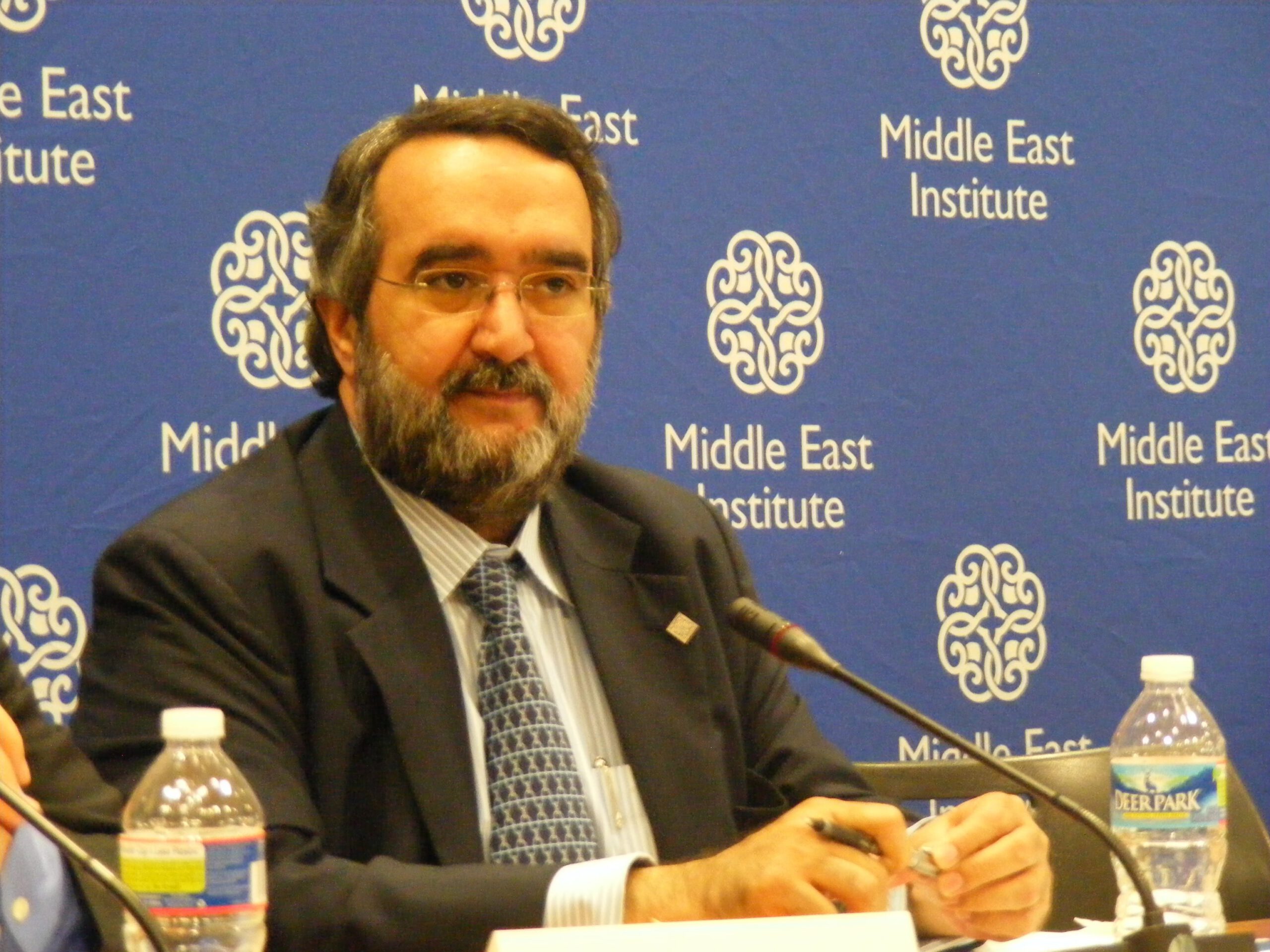
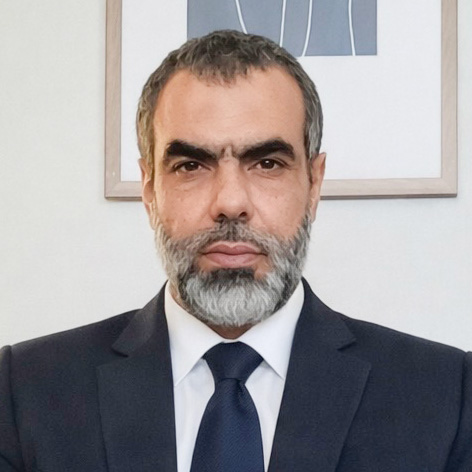
The Middle East Institute is proud to host Gulf Research Center experts Abdulaziz Sager, Mustafa Alani, and Christian Koch for an examination of recent developments in the Gulf in the wake of the Arab Spring. The speakers will address the crises in Yemen and Bahrain, US-Gulf relations and the question of reform in the region.
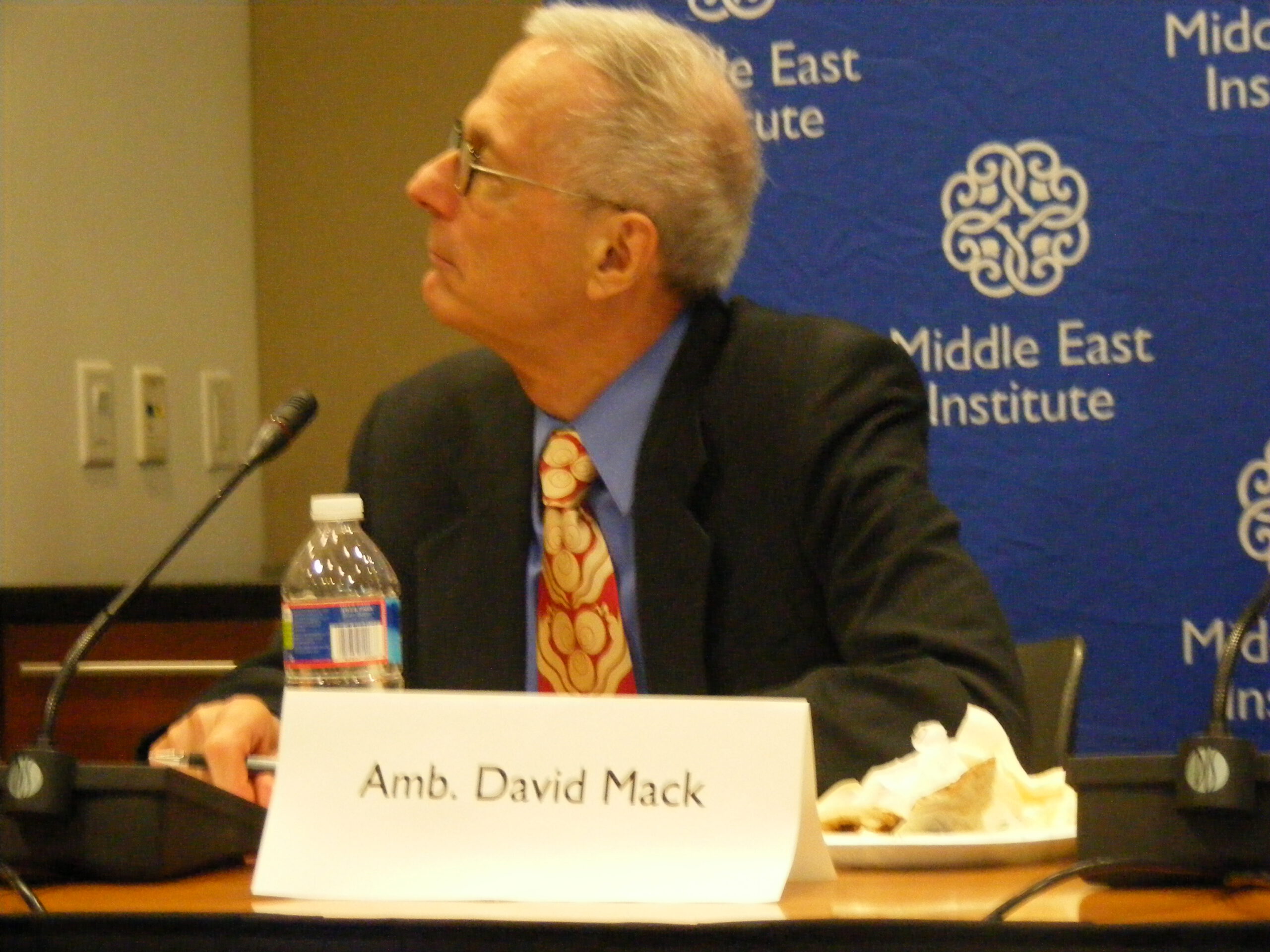
Speakers: Dr. Abdulaziz Sager, Dr. Mustafa Alani, Dr. Christian Koch, Amb. David Mack
A View From the Gulf: A Discussion of Gulf Politics and Security
Dr. Abdelaziz Sager, Dr. Mustafa Alani, and Dr. Christian Koch of the Gulf Research Center share their perspectives on regional events and the Arab Spring.
The release of last week’s UN Palmer Report, assessing Israel’s attack on the Mavi Marmara and five other ships carrying aid to Gaza, sparked outrage in Turkey. Many criticized the report’s alleged bias, and claimed it failed to provide a credible legal analysis of the Mavi Marmara incident in which nine Turkish citizens were shot to death by Israeli commandos, some at close range and from behind.
Rebuilding Libya: A Status Report on the Humanitarian Situation on the Ground
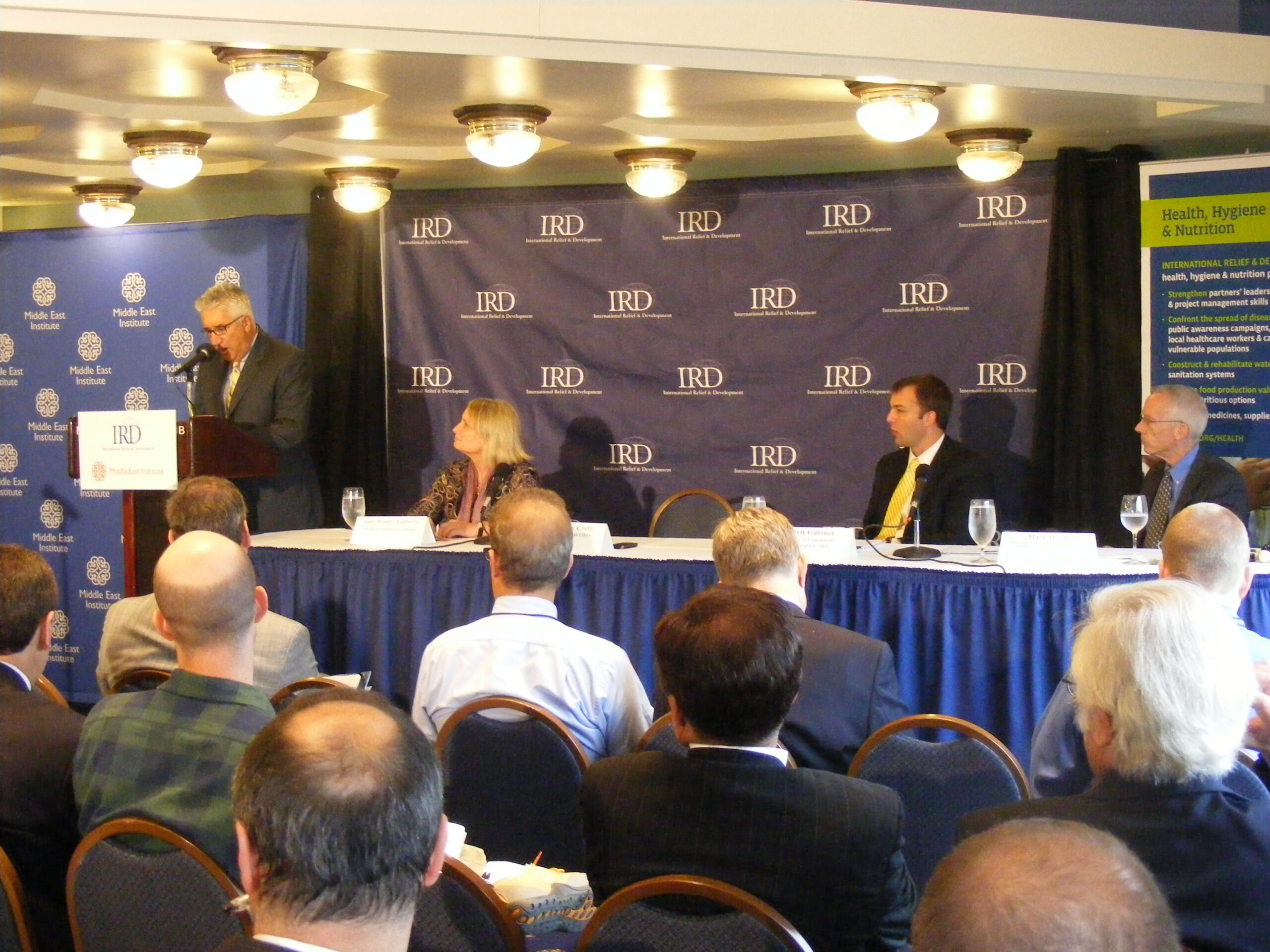
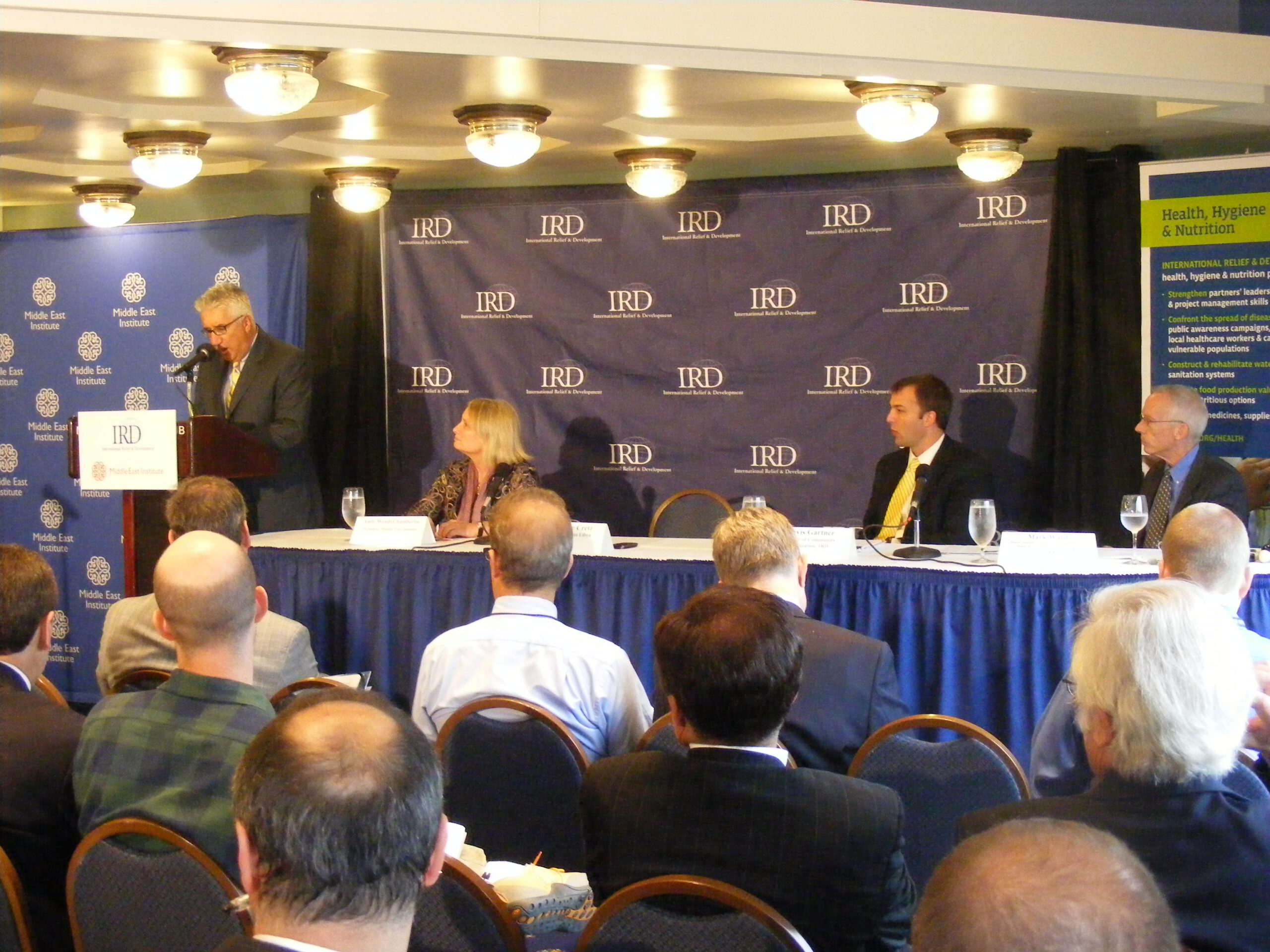
The Middle East Institute (MEI) and International Relief and Development will jointly host a discussion on the reconstruction of Libya following the fall of the Qaddhafi regime and the humanitarian dimensions of the rebuilding efforts. As the rebels root out the last of Qaddhafi royalists and regime strongholds, the question of Libya's future looms large.
This Commentary was first published as an op-ed in the Daily Beast on September 7, 2011
The events of that day were so jarring that they are recorded in our memories as if they had taken place last week. But it has been a long decade, one in which we have made as many mistakes as we have had successes. Now, and not after we suffer another major terrorist attack, is good time to pause, look back, learn lessons, and begin to chart a path away from the past.
Rebuilding Libya: A Status Report on the Humanitarian Situation on the Ground
Speakers: Amb. Wendy Chamberlin, MEI President
Amb. Gene Cretz, US Ambassador to Libya
Mark Ward, Deputy Assistant Administrator for the Bureau of Democracy, Conflict, and Humanitarian Assistance, USAID
Travis Gartner, Director of Community Stabilization, IRD
Community based-Health Initiatives: Healthy Villages in Jordan
Health for All — First Principles to Action
The International Conference on Primary Health Care was held in Almaty, Kazakhstan in 1978. Nearly all of the members of the World Health Organization (WHO) and the United Nations Children’s Fund (UNICEF) were in attendance. The conference culminated in the issuing of the Almaty Declaration — a major landmark in the field of public health.
The Iraq-SAMHSA Partnership to Strengthen Behavioral Health Studies
Originally posted September, 2011
For nearly eight years — since May 2004 — the Substance Abuse and Mental Health Services Administration (SAMHSA) of the US Department of Health and Human Services (HHS) has partnered with the Iraqi Ministry of Health to help Iraq re-establish its behavioral health service system. HHS and SAMHSA have learned much from this effort about improving behavioral health services in the US, particularly for Muslim populations and for persons experiencing extended trauma.
The Lesson from Morocco and Jordan: Reform or Perish
The basic legitimization of political authority and the specific logics of domination that have for decades regulated Arabs’ behavior and subjugated their life patterns are under siege in much of the Arab world. Only those regimes that still enjoy the historical prestige of traditional authority have so far managed to weather the assaults on the legitimacy of their rule.
Governments in the Middle East and North Africa have long relied on repression to intimidate, harass, and punish political opponents. During the Arab uprisings, dictators under threat have all ordered and used violence against peaceful protestors as a way to maintain power. But this repression has had widely divergent effects on the course of the different conflicts.
Implications of the Iraq-SAMHSA Initiative for the Delivery of Behavioral Health Services in the United States
Through the collaboration between Iraq and the Substance Abuse and Mental Health Services Administration (SAMHSA) of the US Department of Health and Human Services (HHS), US providers have learned a great deal about improving behavioral health services, including trauma services, from their Iraqi colleagues since 2004.[1] Two of the many implications for US behavioral health services resulting from this partnership are directly relevant to shaping services for both returning veterans, and refugees and immigrants from the Middle East: