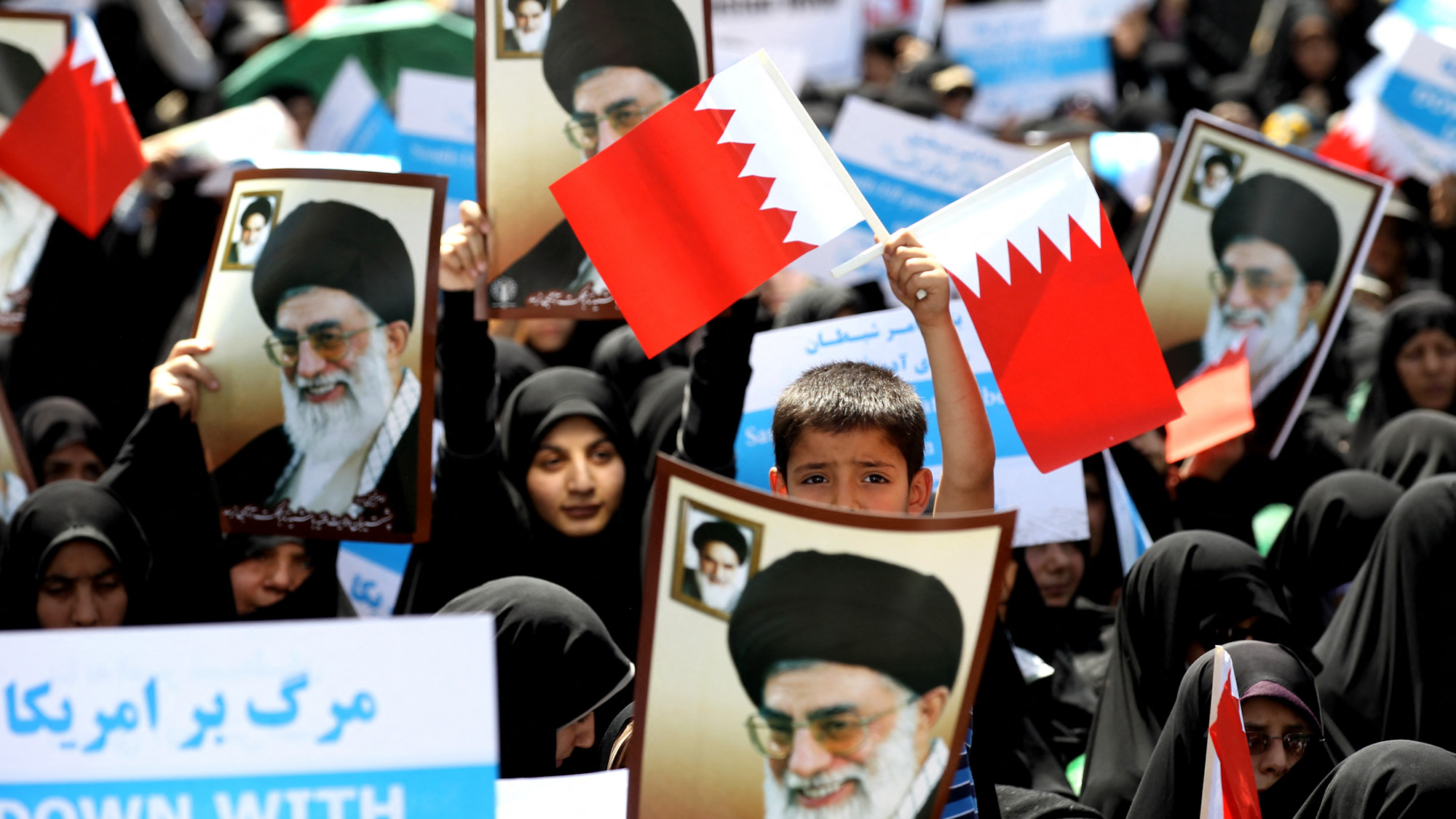
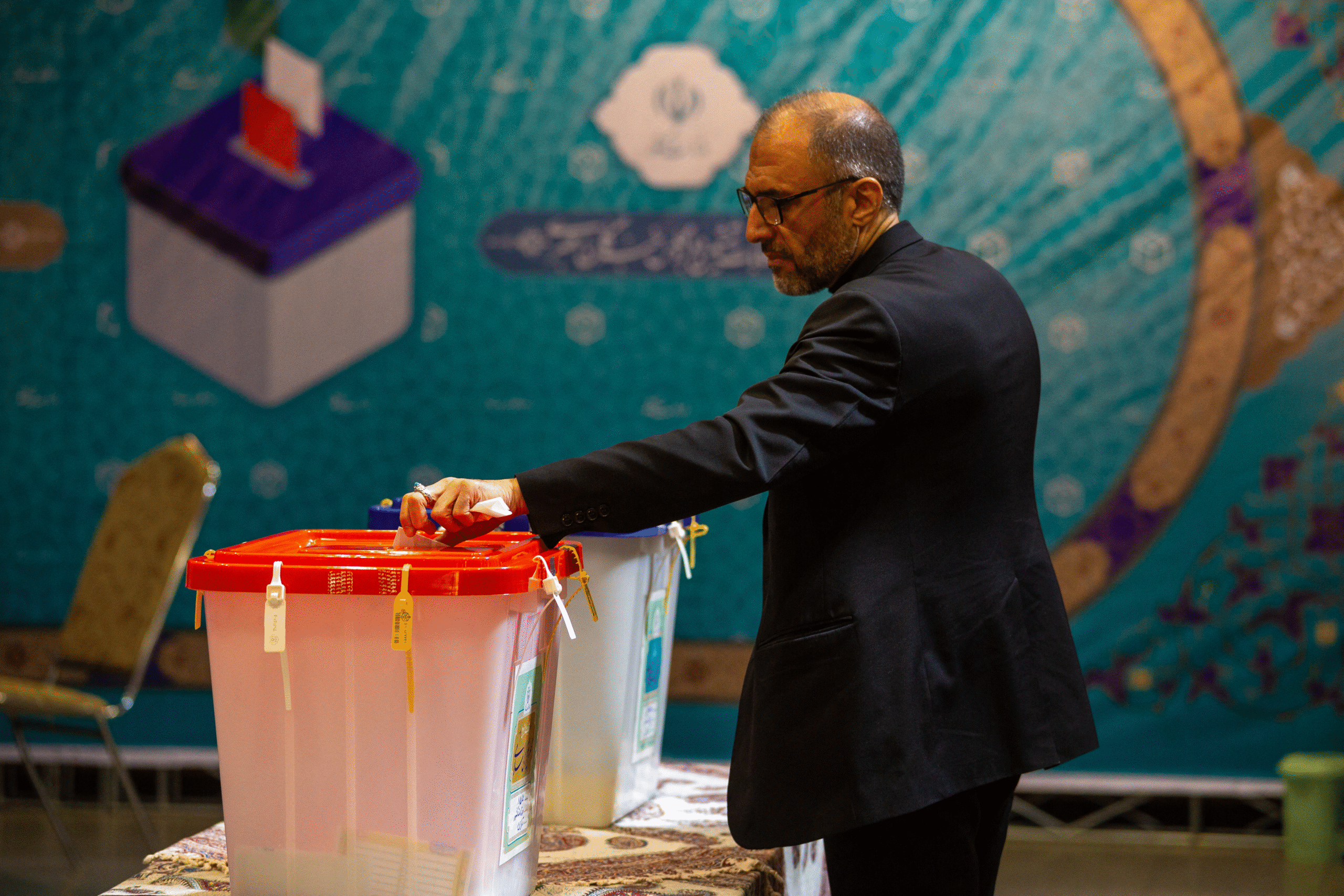
On March 12, the United States Department of the Treasury sanctioned four individuals for supporting the Iran-linked al-Ashtar Brigades in Bahrain. This US announcement might suggest that Iranian-Bahraini relations are about to take a nose-dive. But in reality, that is unlikely to happen — at least not while Iranian-Saudi détente continues.
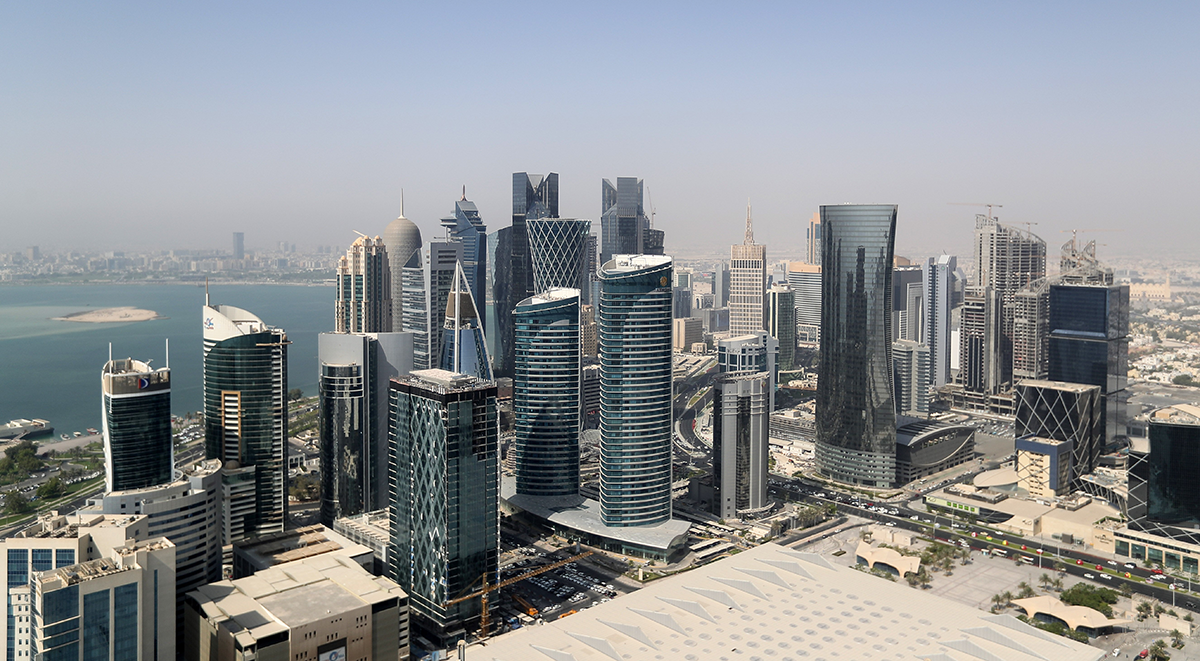
Pillars of sand: The environmental fragility of Gulf cities
Future climate change is set to increase temperatures around the Gulf further still, rising twice as fast as the global average and pushing the cities of this rapidly growing region toward the edge of their viability as human habitats. But how did this situation come to be in the first place, and why did humans settle in such an inhospitable environment and build such cities around the Gulf waters?
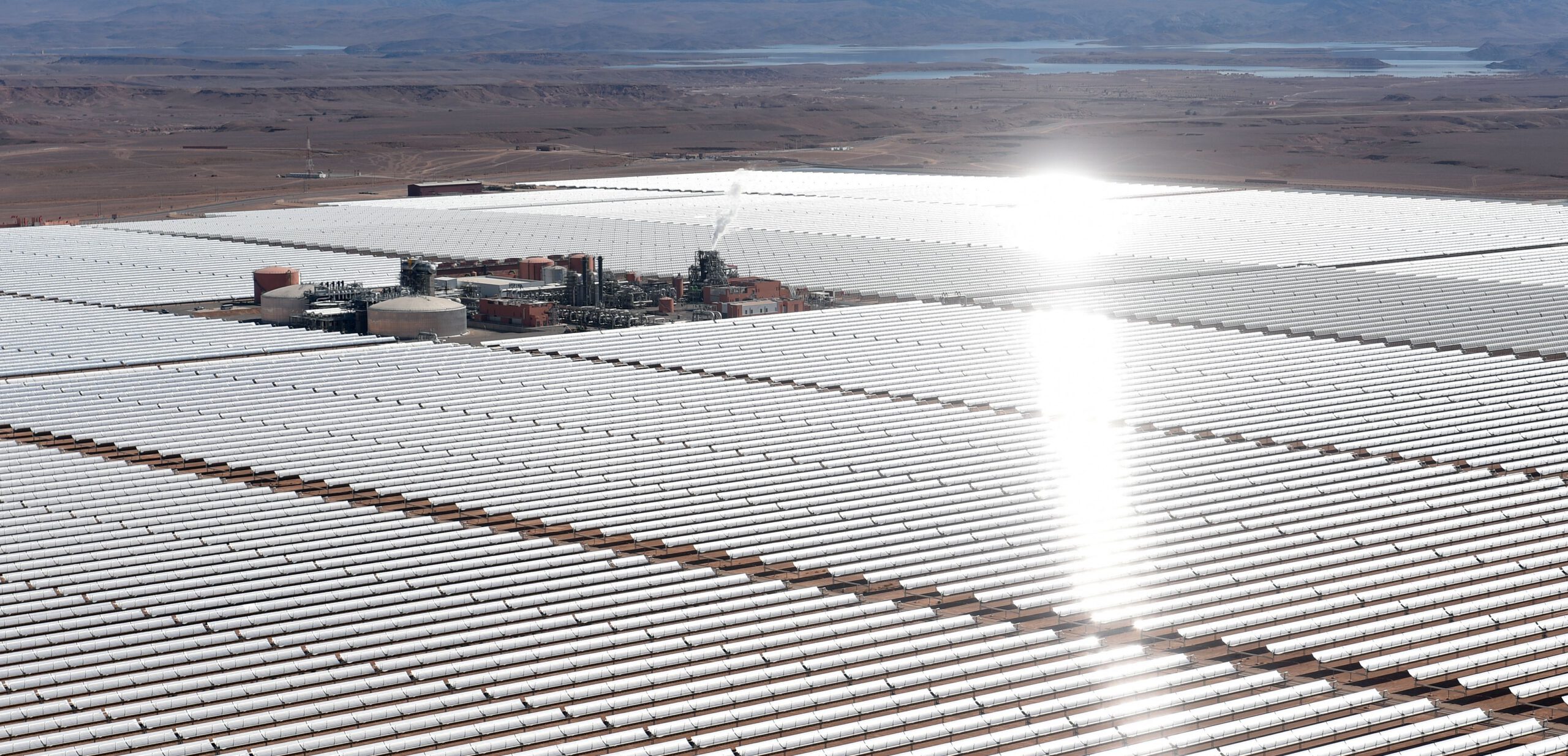
The great financing gap: The state of climate funding in MENA
The Middle East and North Africa region is one of the lowest recipients of climate finance compared to other areas of the globe, such as East Asia and the Pacific Islands, despite MENA’s exposure to extreme climate risks. The MENA region’s share of climate financing from the big three global climate funds — the Green Climate Fund (GCF), the Climate Investment Funds (CIF), and the Global Environment Facility (GEF) — and their sub-funds made up only 6.6% of their cumulative global financing through 2023.
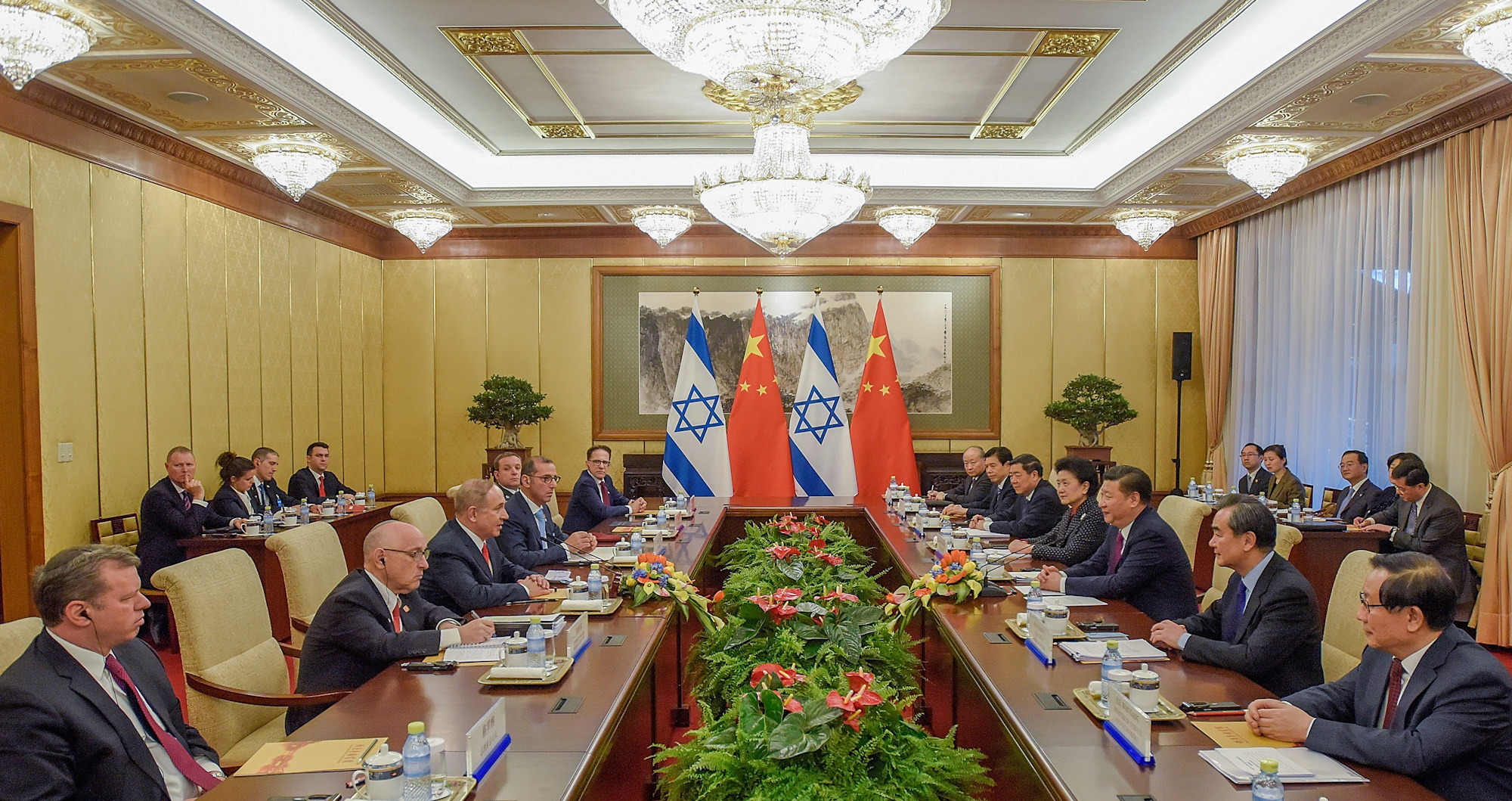
Over the past two decades, relations between Israel and China expanded significantly. Since then, however, there have been indications that the growth prospects for the bilateral relationship have diminished. China’s stance on the Oct. 7, 2023, Hamas attack and on Israel’s conduct during the ensuing war in Gaza, in particular, has further cast doubt on the future trajectory of the relationship.
“For Arabs, by Arabs”: Inaugural Design Doha Biennial spotlights emerging voices in Middle Eastern design
Amid a plethora of early spring exhibition openings, artist events, and biennales throughout the Middle East, one clearly stands out in terms of its scale, scope, and thought: the Design Doha Biennial, which ushers in a new phase in Qatar’s long-standing focus on art, culture, and design.
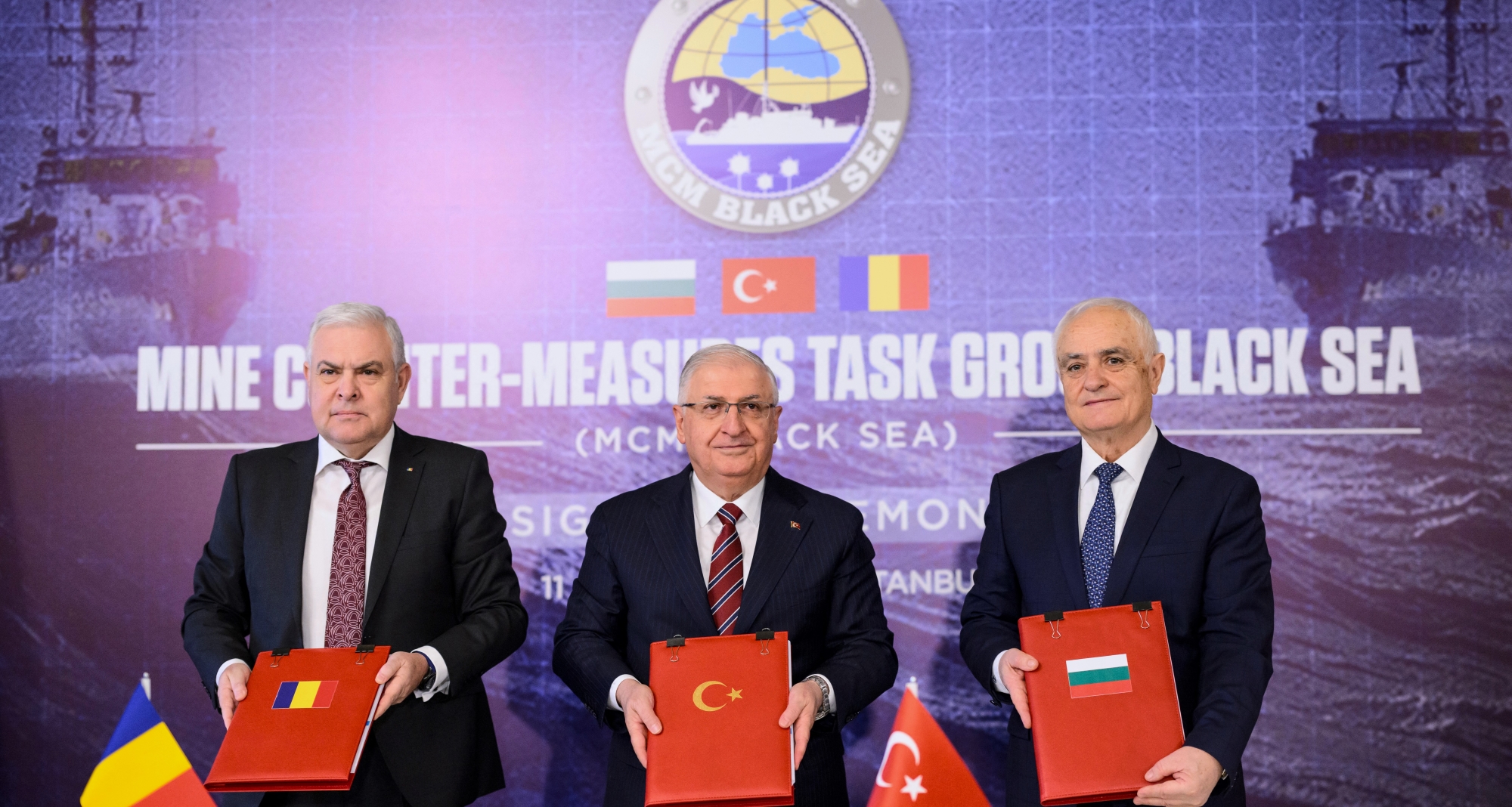
Sweeping the minefield: The case for a NATO Black Sea Fleet
Since the start of Russia’s full-scale invasion of Ukraine, the threat of sea mines to maritime traffic in the region has become exponentially more acute. The Turkish-Romanian-Bulgarian trilateral minesweeping mission is a welcome sign of regional willingness to cooperate in this space and could, with the right incentives and sufficient political will, open the door to the establishment of a NATO Black Sea Fleet.
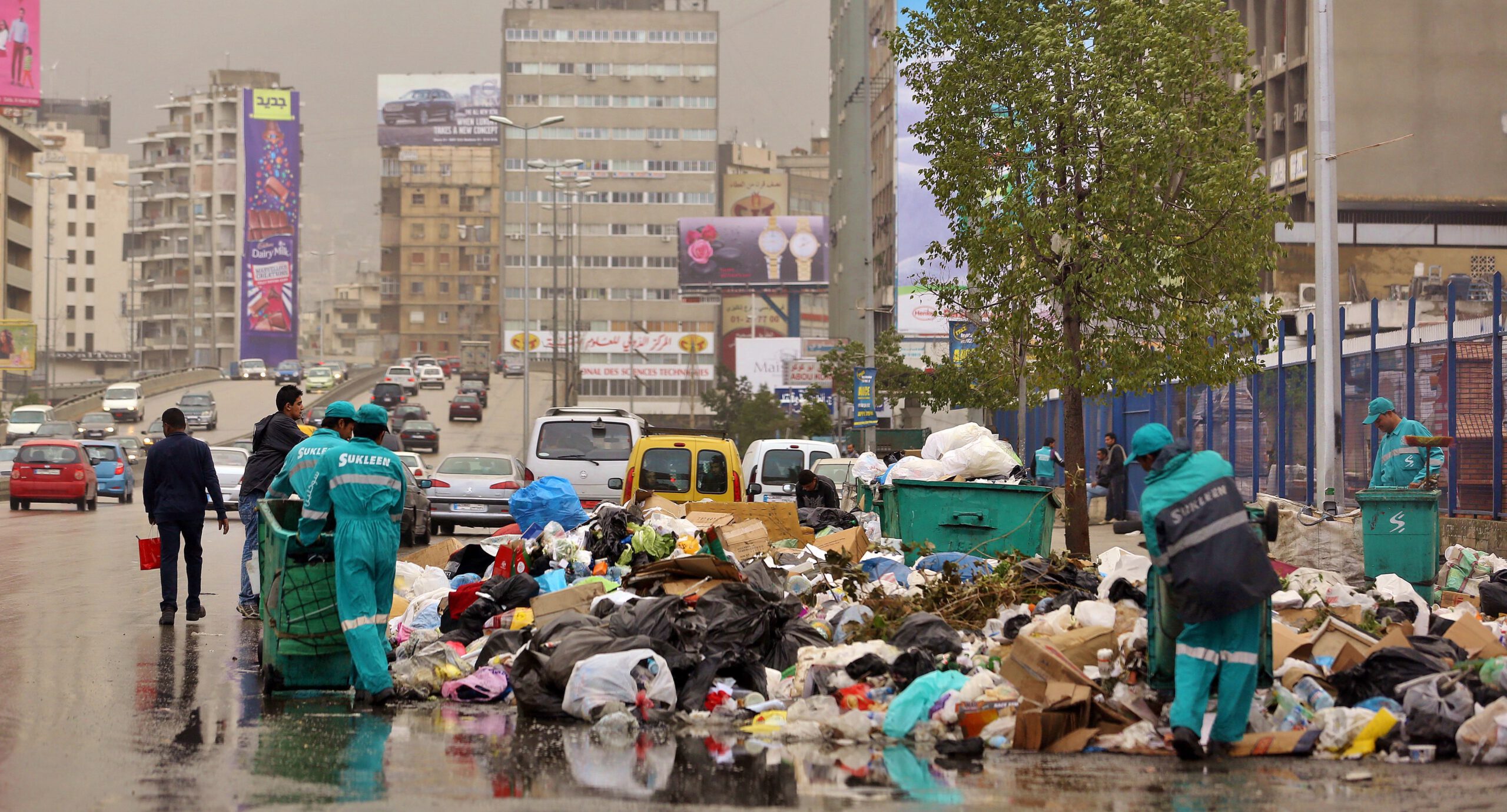
A better development funding model for Lebanon: Prospects, challenges, and applicable lessons
International funders have often called upon recipients to carry out reforms before any funding can be made available or the amount increased. But in many crisis-wracked countries, such as Lebanon, the prospect of reforms may be too distant, with intervention needed immediately. This is why greater emphasis must be placed on risk mitigation measures over which funders can exercise control.
The Next Paradigm-Shattering Threat? Right-Sizing the Potential Impacts of Generative AI on Terrorism
This Study analyzes how and to what extent terrorists and violent extremists have interacted with generative AI so far, identifies potential ways in which they could misuse generative AI in the future, and then contextualizes these threats with the likely broader impacts of generative AI. In doing so, the Study seeks to identify a likely trajectory for the abuse of this technology by terrorist actors as well as concludes with some initial recommendations for policymakers.
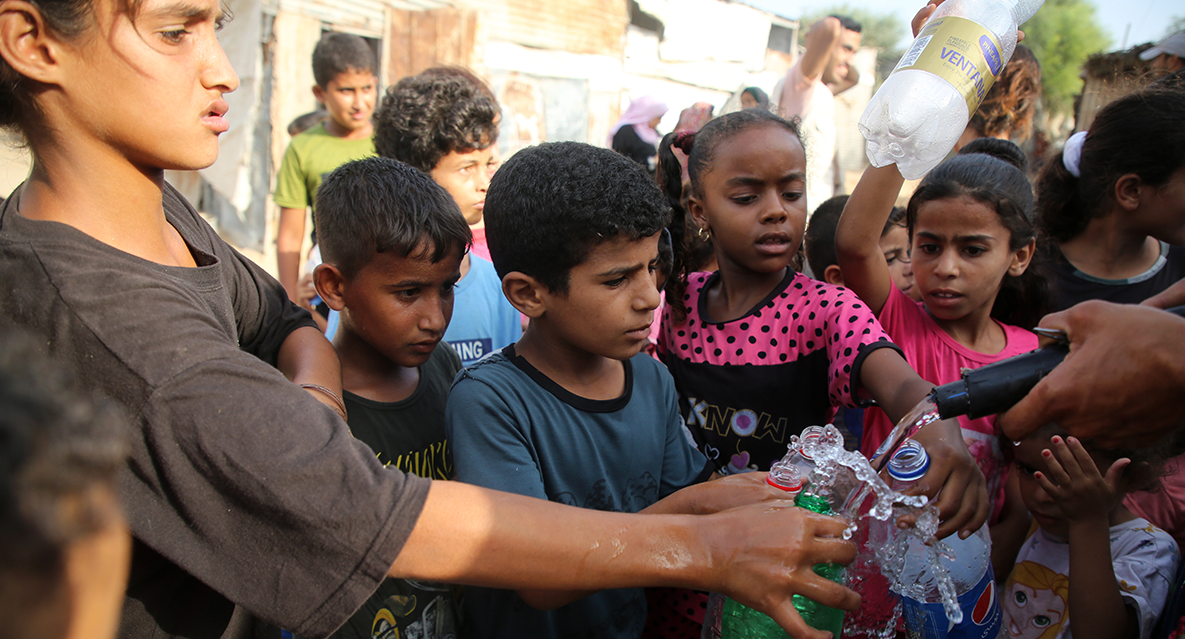
The devastating impact of Gaza’s acute and prolonged water crisis
The Gaza Strip faces a severe and worsening water crisis. With the death toll now above 31,000 and a catastrophic humanitarian crisis plaguing the strip, one of the most urgent challenges facing its residents is access to water.