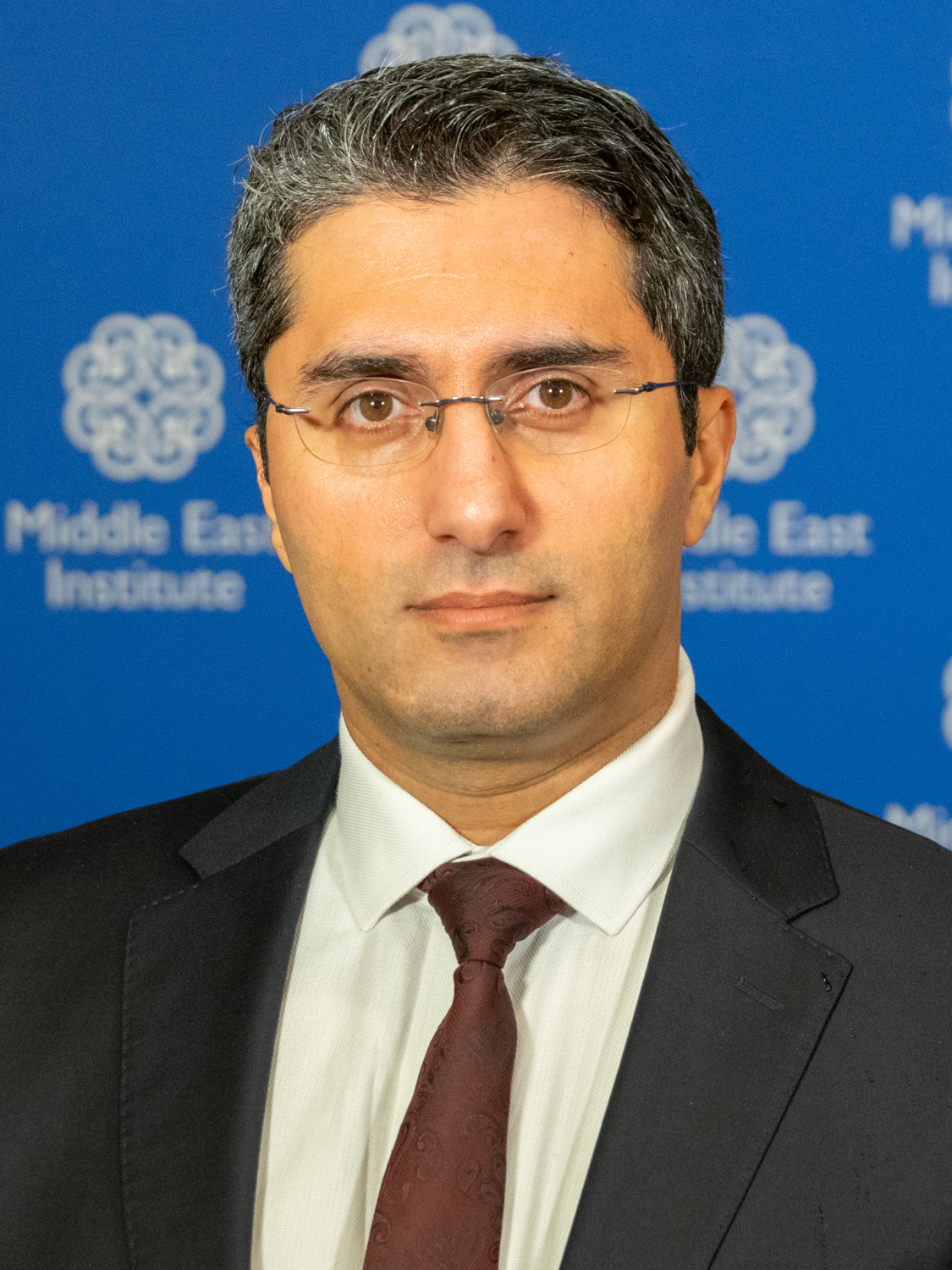
Guney Yildiz is a researcher and journalist based in London with a focus on Turkey, Syria and the Kurds in the Middle East. He finished a visiting fellowship with the European Council on Foreign Relations (ECFR), a pan-European think-tank, where he worked as a specialist researcher on Syria. He had advised members of the Foreign Affairs Select Committee of the UK Parliament, as a Specialist Adviser on Turkey. He is pursuing a PhD in Cambridge on political mobilisation by armed non-state actors in the Middle East. As a journalist with the BBC News, he broke numerous top UK and international stories that have been picked up by other domestic and international broadcasters.
Education:
BSc. at Middle East Technical University; MSc. at London School of Economics; MPhil at University of Cambridge, Ph.D candidate at University of Cambridge
Languages:
Turkish, Kurdish, Arabic (Basic)
Countries of Expertise:
Turkey, Syria, Kurdistan Region of Iraq, Kurdish provinces of Iran
Issues of Expertise:
Turkish Domestic and Foreign Policy, Kurdish dynamics in the Middle East, Armed non-state actors, Governance in Syria
Cease-fires in Idlib and Libya as Turkey looks to buy time
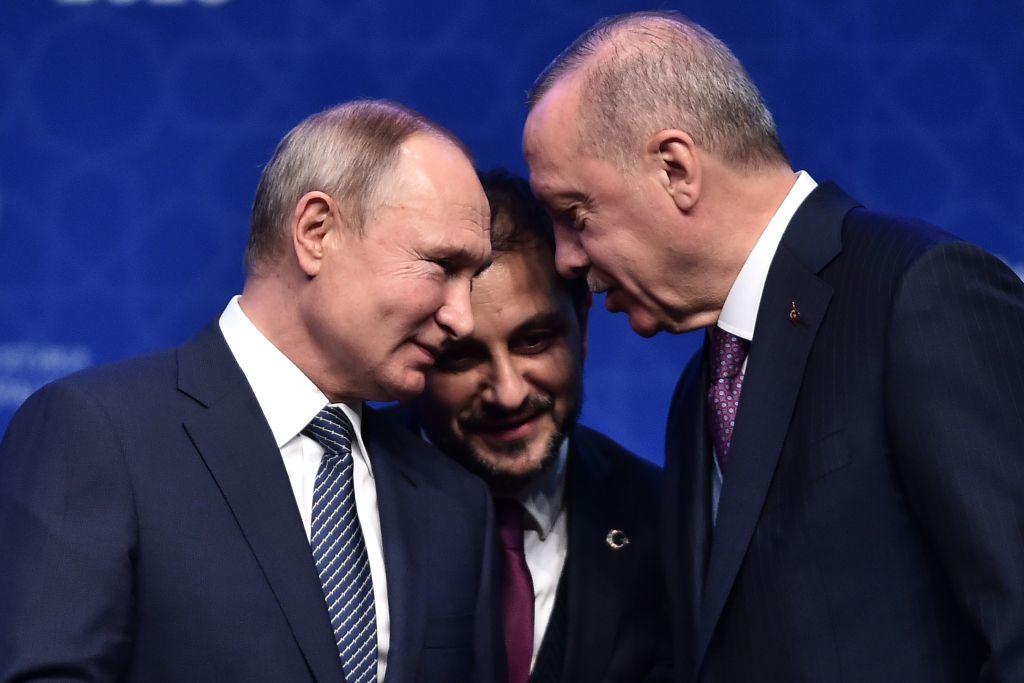
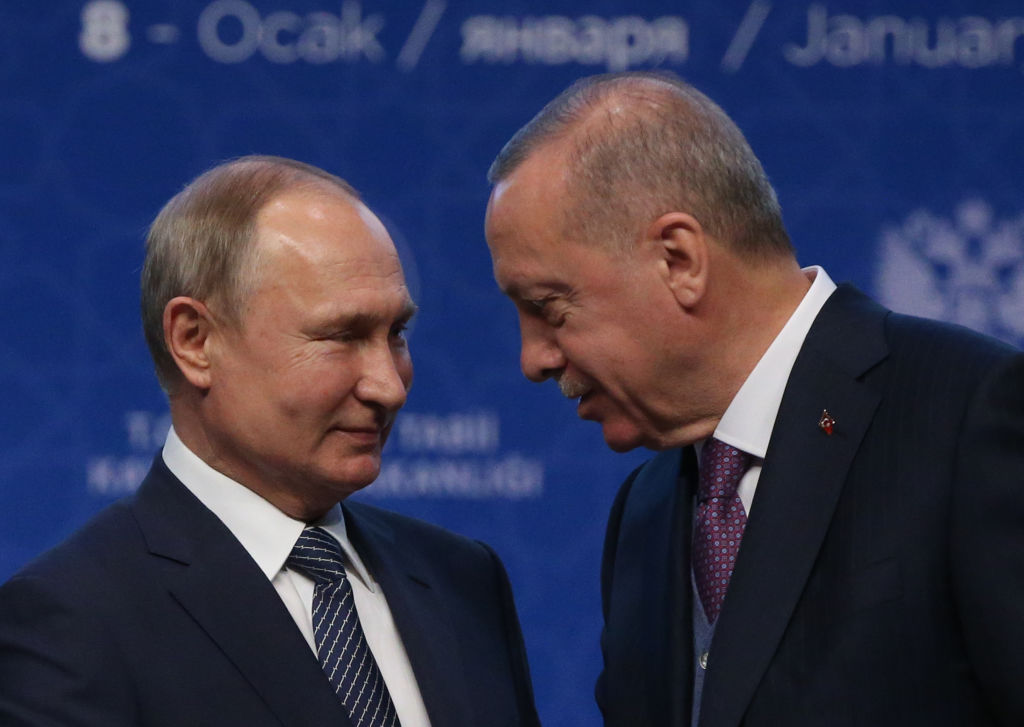
It is increasingly the case that the Russian-Turkish decisions on Idlib or Syria need to be understood as part of a broader Russian-Turkish partnership.
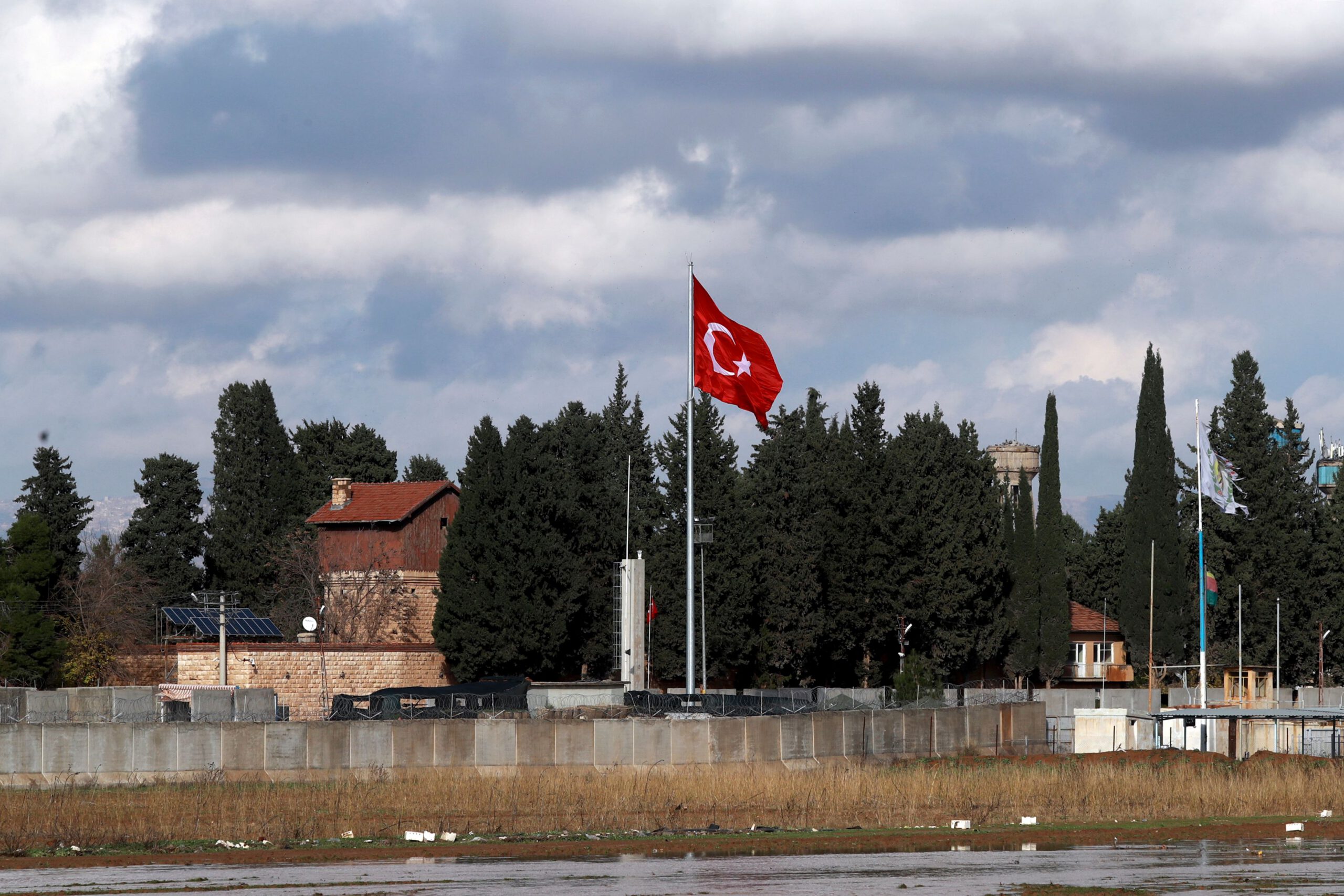
Russian-Turkish border deal on Syria holds, but the Western response is muddled
Russia is clear in its policy toward northeastern Syria: The future of the region will be determined through talks between the representatives of the Kurds, who traditionally live in the area, and Damascus.
Assassinations could upset the status quo in Turkey-PKK conflict
Despite the fiery rhetoric, the long-time conflict between Turkey and the PKK has mostly been a controlled fight following tacit rules. But recent events, including Turkey’s increased efforts to assassinate PKK leaders and the targeted killing of a Turkish consulate official in the Iraqi Kurdish capital on July 17, risk overturning the status quo and ushering in a violent new era.
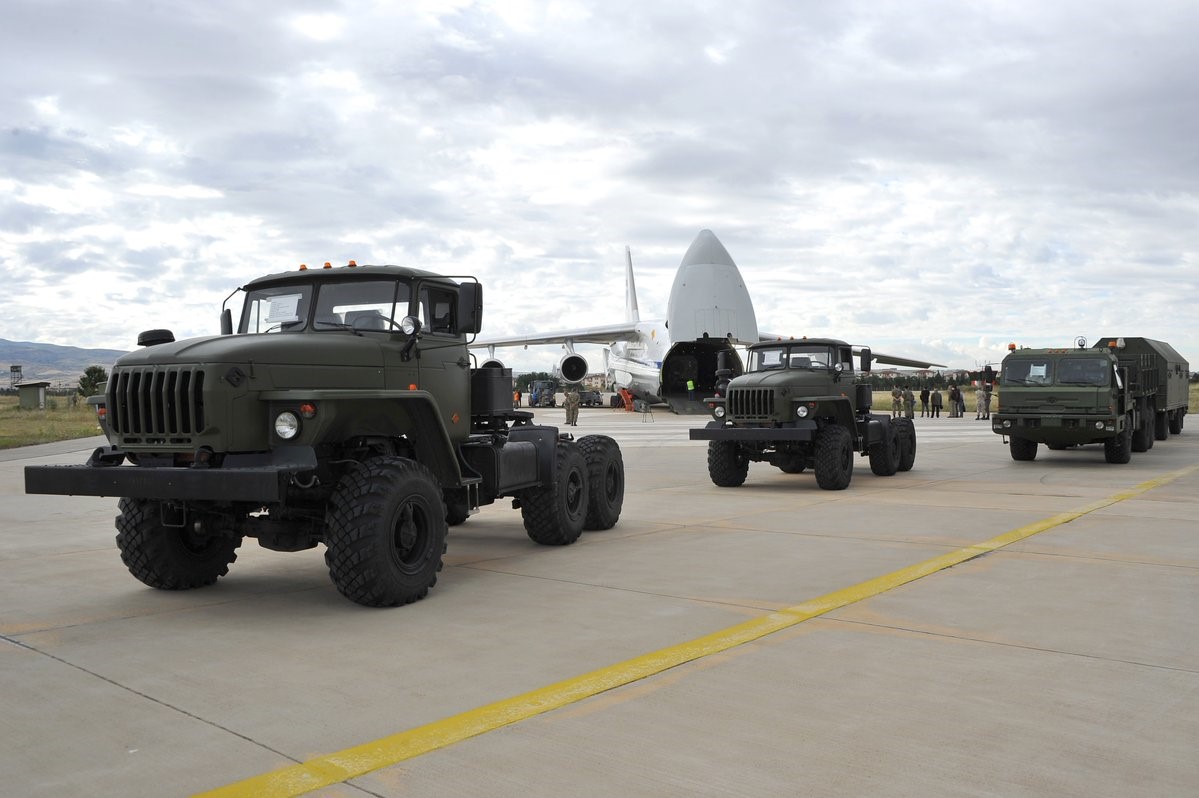
Monday Briefing: US and Turkey face S-400 confrontation
This week’s briefing on recent news and upcoming events in the region including Turkey’s confrontation with the U.S. over its S-400 defense system, the latest round of Afghan peace talks, the UAE’s drawdown in Yemen, Turkey’s media signaling on Syria, and the 21st consecutive week of protests in Algeria, featuring W. Robert Pearson, Marvin G. Weinbaum, Ibrahim Jalal, Guney Yildiz, and Robert S. Ford.
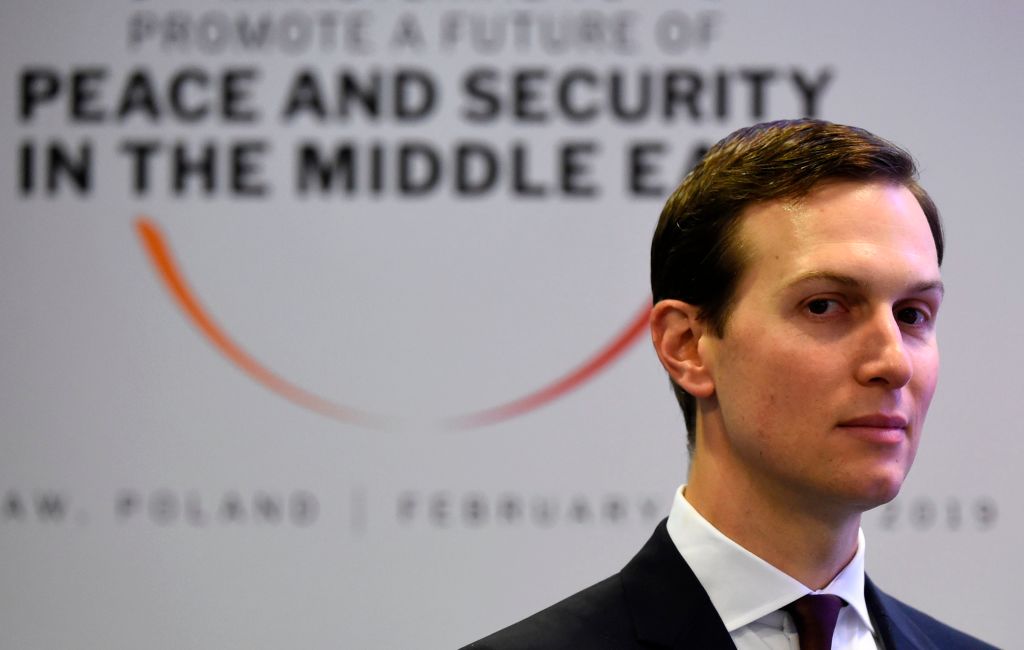
Monday Briefing: Bahrain workshop is little more than a kabuki show
In this week’s Monday Briefing, MEI experts Gerald Feierstein, Guney Yildiz, Nathan Stock, Elizabeth Dent, and Eran Etzion provide analysis on recent and upcoming events including this week’s Bahrain “workshop” on Palestine’s economic development, an opposition victory in Istanbul’s rerun election, the release of a portion of the Trump administration’s Israel-Palestine peace plan, the fracturing of the Global Coalition to Defeat ISIS, and Tuesday’s trilateral meeting between the U.S., Israel, and Russia.
Weekly Briefing: US-Iran tensions and the need for diplomacy
In this week’s Monday Briefing, contributors Nabil Fahmy, Guney Yildiz, Paul Scham, and Elizabeth Dent provide analysis on recent and upcoming events including the state of US-Iran tensions, Turkish-Russian disagreement on Idlib, Israeli Prime Minister Netanyahu’s apparent inability to meet the deadline to form a government, and Iraq’s proposal to take custody of captured ISIS fighters awaiting trial.
Monday Briefing: Conflict is far from over in Syria
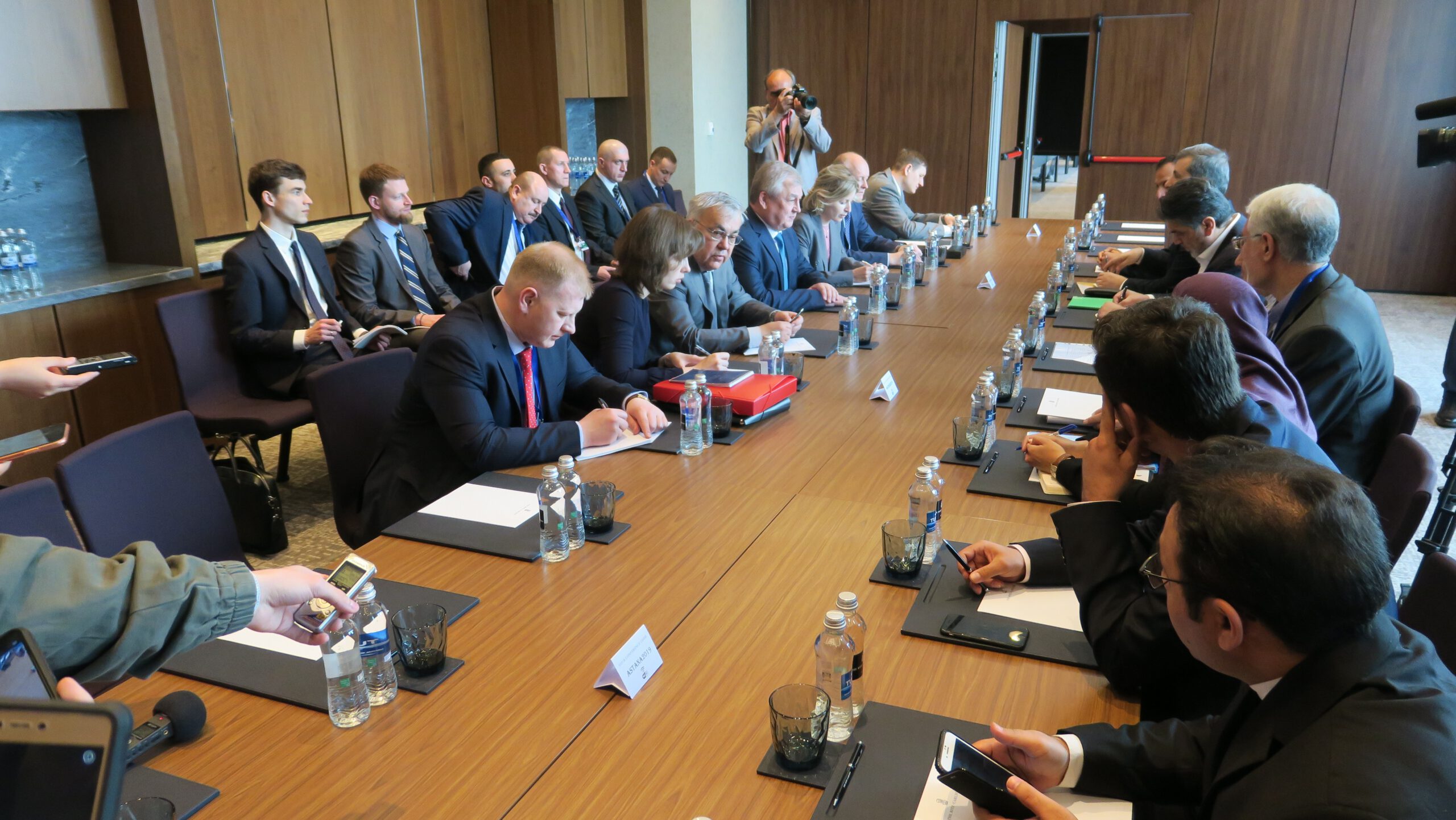
In this week’s Monday Briefing, contributors Charles Lister, Gerald Feierstein, Ruba Husari, Guney Yildiz, Mirette F. Mabrouk, and John Calabrese provide analysis on recent and upcoming events including the failure of the twelfth rounds of Syria peace talks in Astana, negotiations over Yemen’s strategic port of Hodeida, a new report on Iraq’s oil production potential, ongoing US-Turkey talks about a buffer zone in Syria, Egypt’s recently passed constitutional amendments, and Beijing’s second Belt and Road Forum.
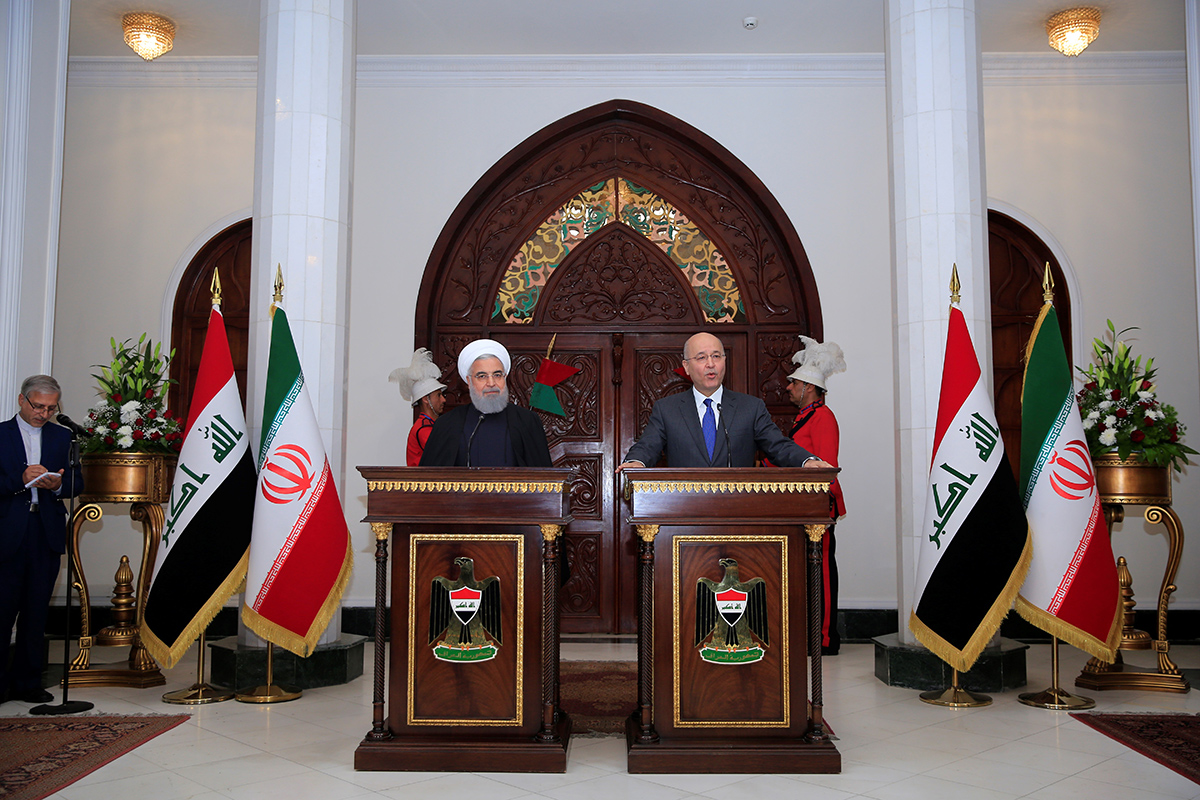
In this week’s Monday Briefing, MEI experts Randa Slim, Robert S. Ford, Marvin G. Weinbaum, James P. Farwell, Emadeddin Badi, Guney Yildiz, and Jean-François Seznec provide analysis on recent and upcoming events including Iranian President Hassan Rouhani’s visit to Baghdad, reconstruction efforts in Syria, the crackdown on militant Islamists in Pakistan, Iran’s cyber attack capabilities, upcoming elections in Libya, Turkish-Egyptian tensions, and Qatar’s $12B loan from bond markets.
Monday Briefing: US-Taliban talks progress, but major obstacles remain
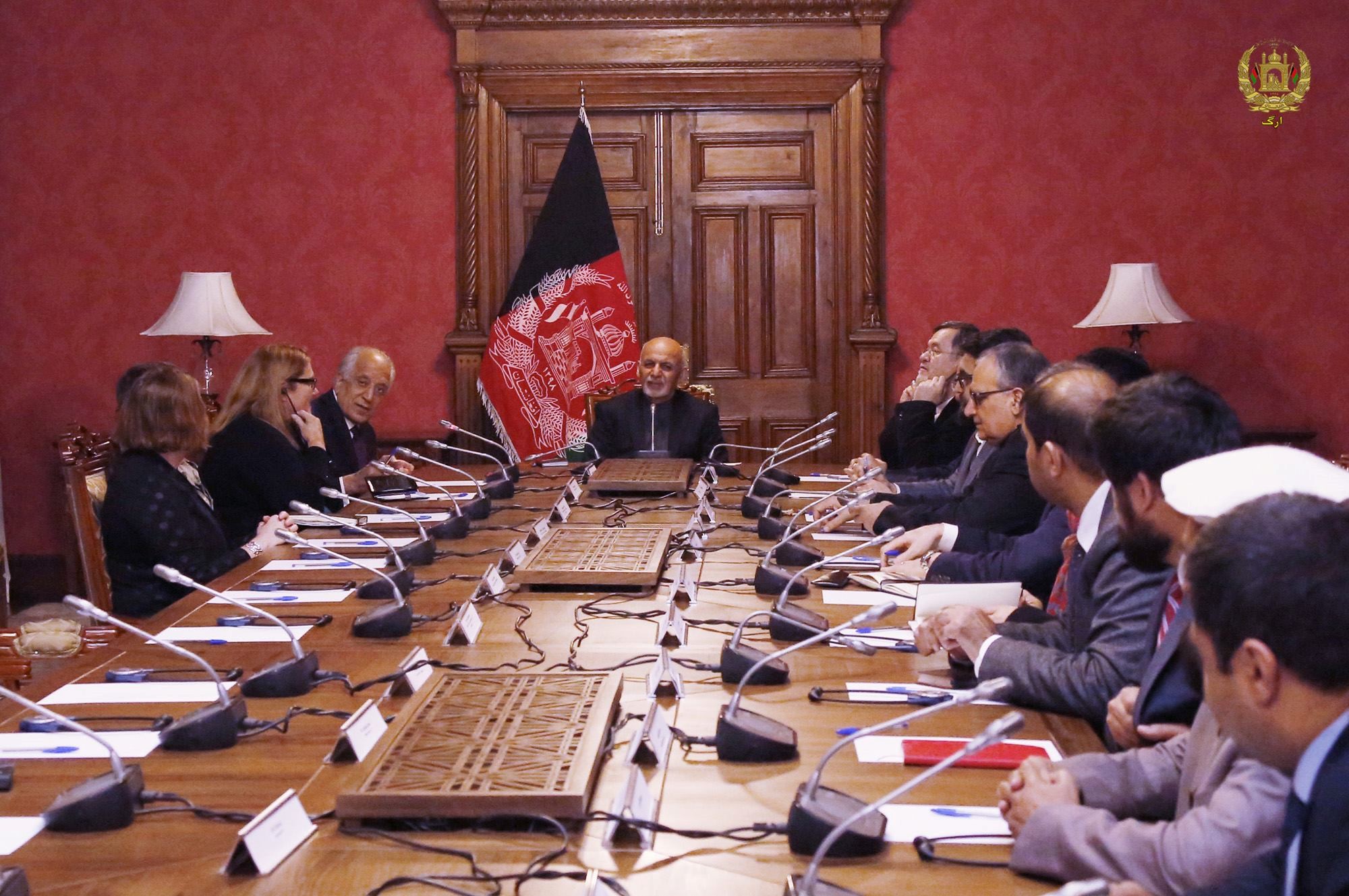
In this week’s Monday Briefing, MEI experts Ahmad Majidyar, Marvin G. Weinbaum, Randa Slim, Paul Salem, and Guney Yildiz provide analysis on recent and upcoming events including U.S. negotiations with the Taliban in Afghanistan, a warning sent to Israel by Hezbollah leader Hassan Nasrallah, the Sudanese president’s appeal for external support, Turkish-Syrian diplomacy, and Pakistan’s acceptance of Gulf aid.
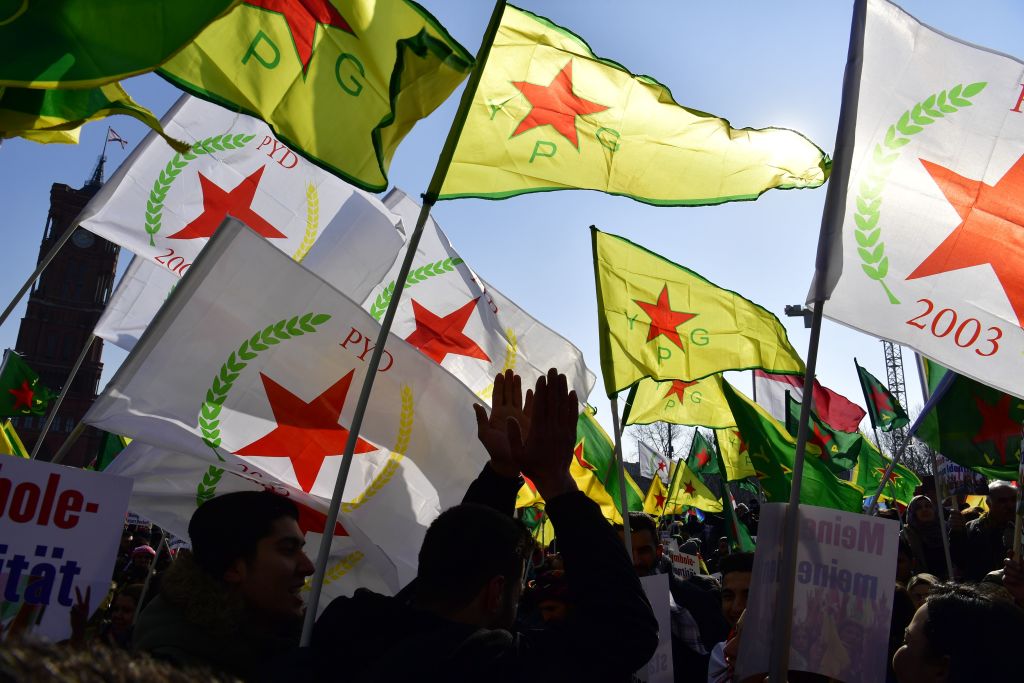
Will Turkey attack the US-backed YPG in the eastern Euphrates?
Whether Erdogan will follow through on his threat of military incursion against the YPG in U.S.-protected areas of Syria depends on the reaction of the international community, the Turkish military, and nationalist voters at home.
Would Turkey benefit if the US withdraws from Syria?
For Turkey, the best solution to its “U.S. problem” might seem like an American withdrawal from Syria, but such a move could create new and potentially more complicated problems for Ankara.