This individual is a guest contributor. MEI is not able to assist with contact requests.
Hafsa Halawa is an independent consultant working on political, social and economic affairs, and development goals across the Middle East and North Africa (MENA), and Horn of Africa regions. A former corporate lawyer, Halawa has held positions in government, the UN, INGOs/NGOs, corporate multinationals, private firms, and think tanks. She now consults independently for a similar broad set of clients on a variety of issues, at request.
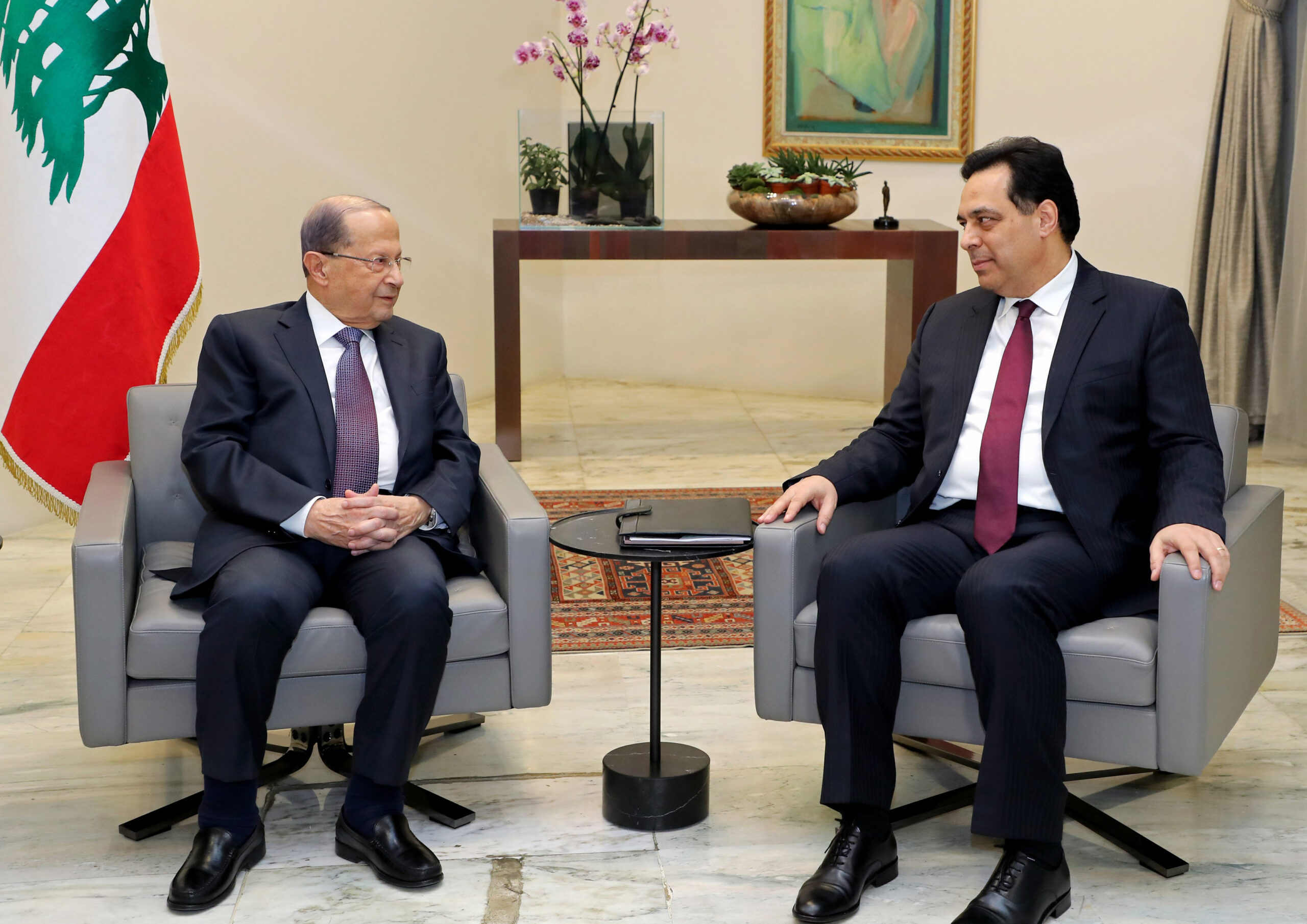
Monday Briefing | Lebanon: The twilight of an impotent government
This week’s briefing on recent news and upcoming events in the region featuring Paul Salem, Hafsa Halawa, Marvin G. Weinbaum, Anne-Linda Amira Augustin, and Gerald Feierstein.
رئيس الوزراء الكاظمي يعلن عن موعد إجراء انتخابات مبكرة في العراق
“على المستوى السياسي، قد تشكل الانتخابات المبكرة خطرا على الحركة الاحتجاجية”
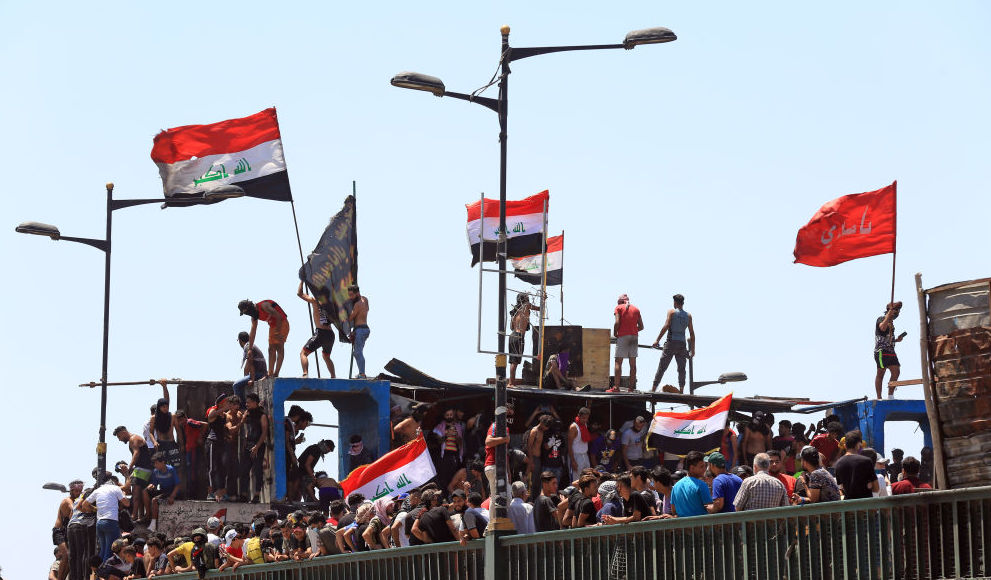
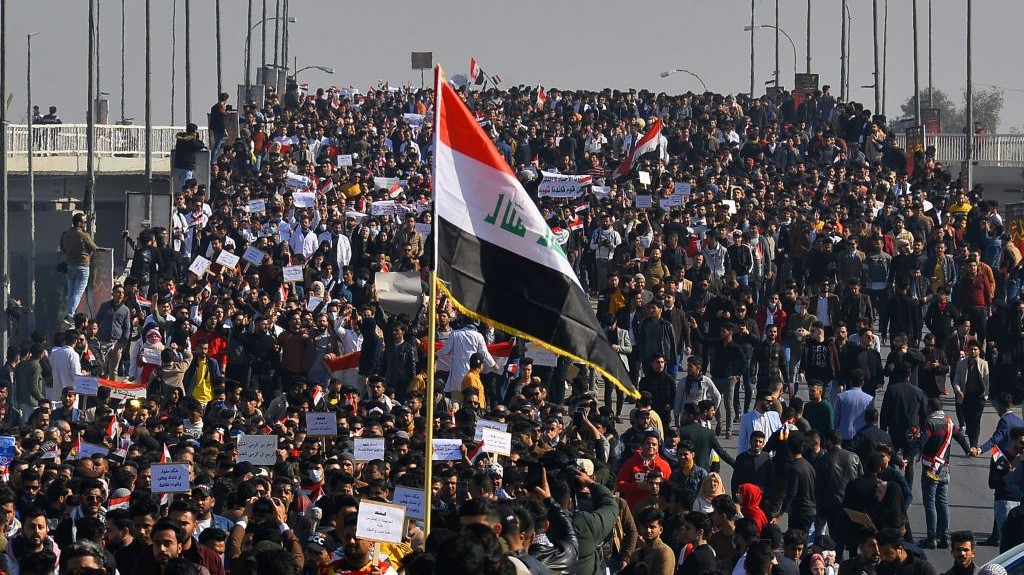
يوم الجمعة الماضي، وسط تجدد الاحتجاجات والغضب من استمرار العنف الممارس من جانب قوات الأمن، أعلن رئيس الوزراء مصطفى الكاظمي عن موعد لإجراء انتخابات برلمانية جديدة في العراق في 6 يونيو 2021.
وقد خلف الإعلان ردود فعل متباينة كما كان متوقعا. فقد جادلت جهات سياسية فاعلة بأن الإعلان يعتبر غير دستوري ويتطلب موافقة البرلمان لتحديد موعد انتخابات جديدة (وضمنيا حل البرلمان الحالي)، بينما اتسم رد فعل المتظاهرين بتفاؤل حذر.
The gendered impact of COVID-19 in the Middle East
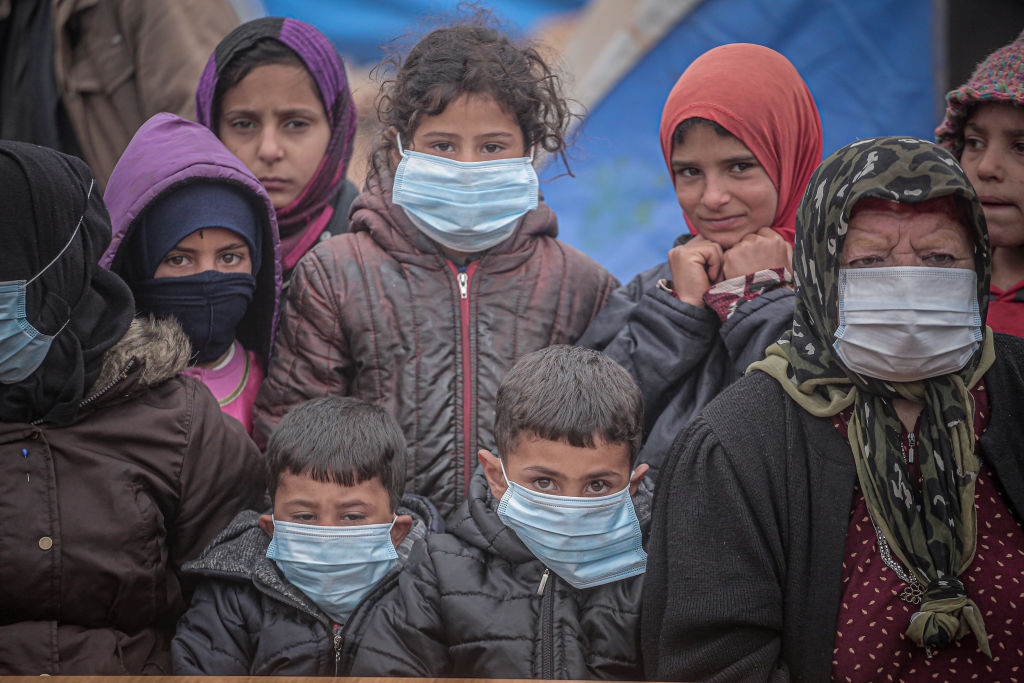
The COVID-19 pandemic has challenged the normative structures and behaviors of almost every country around the world. The fallout has put pressure on even the most developed countries and its effects across the Middle East have been significant and varied.
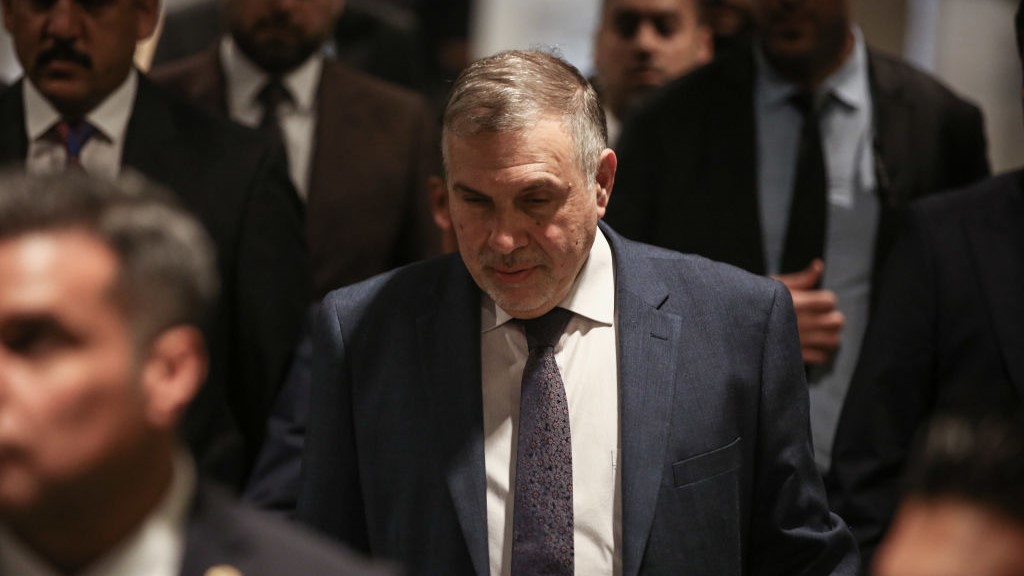
Iraq special briefing: The challenges facing Prime Minister Mustafa al-Kadhimi
Six scholars from across MEI take a closer look at the challenges facing Iraq’s new prime minister, from the protest movement and Baghdad-Erbil relations to the balancing act between Washington and Tehran.
US-Iran tensions in Iraq and the effect on civil society
As the protests have raged, the Iraqi government has implemented a new policy in its application of rules and regulations monitoring civil society organizations (CSOs). The militias’ violent response to the protests has been well-documented; however, the more covert attack on civil society threatens civic engagement among the population more broadly.
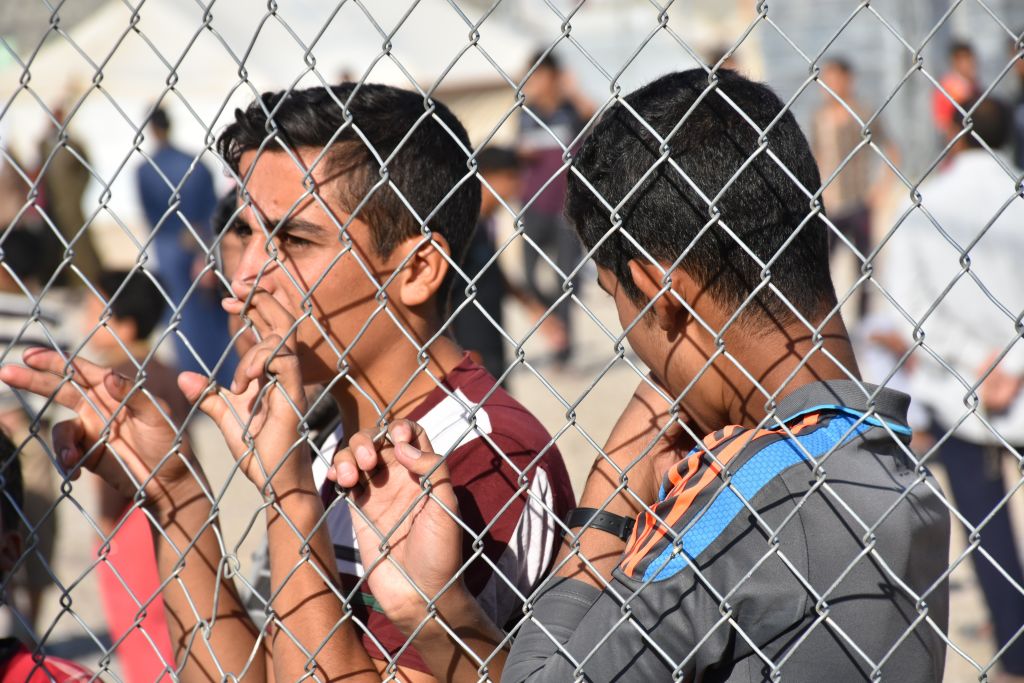
The story from Iraq since last October has been mainly one of uplifting hope, as mass protests sweep across the country in a fight against corruption, nepotism, and bad governance. But what of the places left behind and ignored? For most of its modern history, Iraq has been embroiled in sectarianism and conflict, most recently with the rise of ISIS. The country has celebrated its ability to fight ISIS and take back the areas the group controlled between 2013 and 2017, but for those that remain in the most vulnerable liberated areas, life is precarious and dangerous, with underserviced communities living in the most dire of conditions.
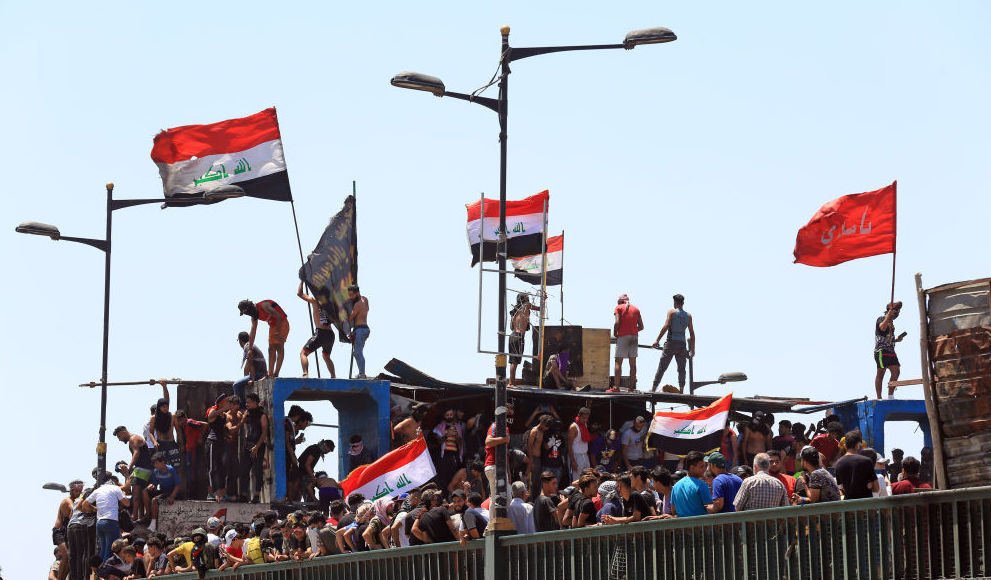
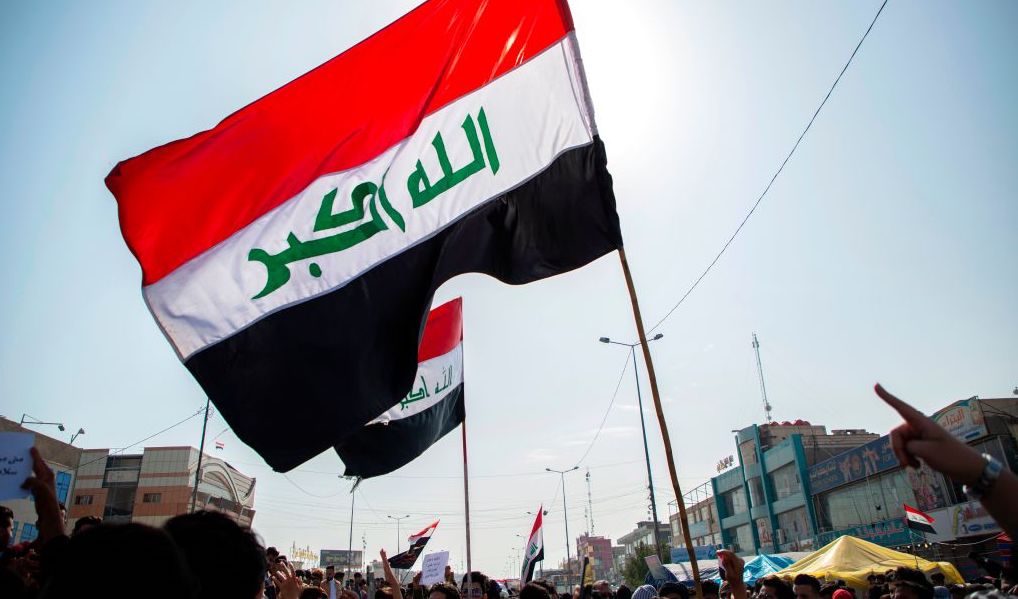
The protest movement in Iraq is now entering its fourth month. The protests raging across most of the south of the country have remained non-sectarian in their tone and message, and the movement is steadfast in its rejection of the political order, and all members of the political elite.