Less than 30 months ago Egypt was brimming with enthusiasm and optimism. Not only had it ended three decades of Mubarak rule, but it had done so essentially peacefully and at the hands of young Egyptian professionals who, it was believed, could walk Egypt toward a freer and more prosperous future. Today, the country is politically polarized and it faces the worst economic crisis since the 1930s. A severe sense of frustration and dark pessimism prevails throughout the nation.
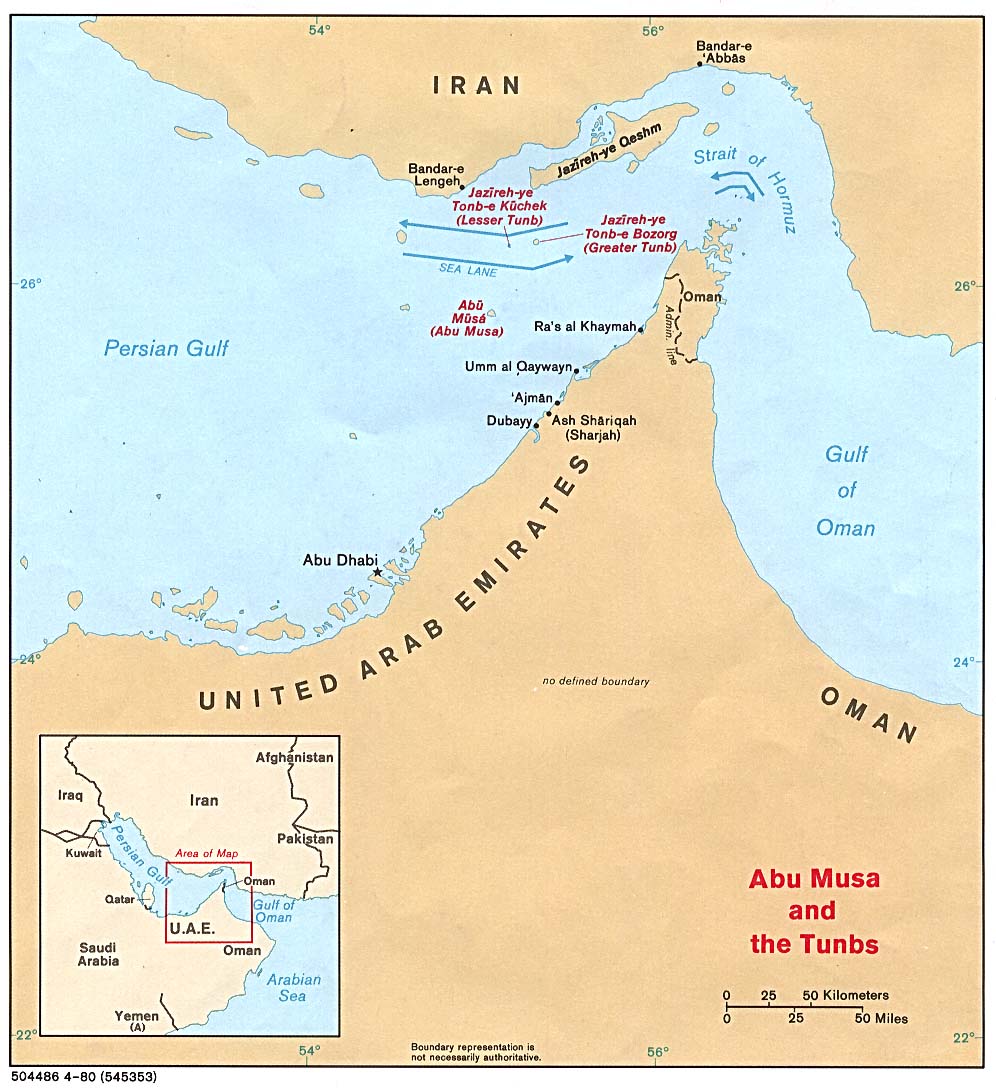
Oman is strategically positioned across the Gulf of Oman from Iran, north of Yemen, and east of Saudi Arabia. It has arguably been able to secure its rapid economic growth—spurred by oil riches—by maintaining neutral, if not friendly, relations with these neighbors, including Iran. Yet while Oman has successfully kept itself neutral, it still inhabits a precarious location. It shares with Iran the Strait of Hormuz, a waterway that Iran has threatened to close due to its charged relations with the GCC countries and the United States, who rely on the Strait to transport oil to world markets.
Malaysia-Saudi Arabia Relations: Roots, Dimensions, and Prospects
Malaysia’s relationship with Saudi Arabia has long been amicable and fruitful. Indeed, Malaysian-Saudi relations have deeper historical roots than are commonly recognized. During the contemporary period, the religio-cultural, economic, and other aspects of the bilateral relationship have expanded. In fact, Malaysian-Saudi relations are complex, multifaceted, and have significant potential for further development.